I remember the night I stared at a half‑empty pantry and a can of tuna that had been sitting there since last month. The kitchen was a chaotic symphony of sizzling pans, the clatter of a dropped spoon, and a faint whiff of citrus from a forgotten lemon. I was craving something that would feel like a hug from the inside, a dish that could be tossed together in minutes yet deliver a punch of protein that would keep me full through the afternoon slump. That moment of culinary desperation sparked what would become my ultimate tuna salad, a version that balances creamy, crunchy, and zesty notes in perfect harmony.
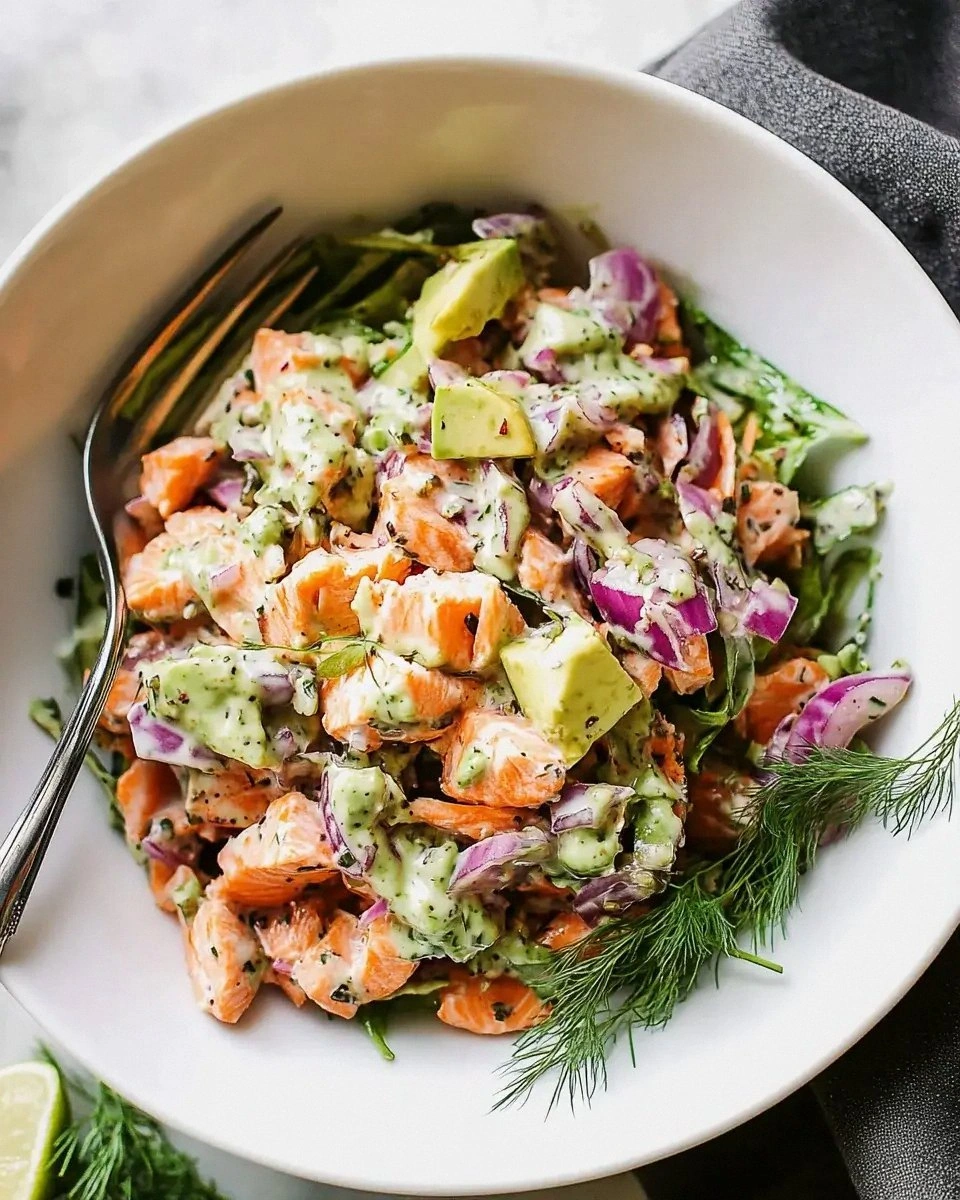
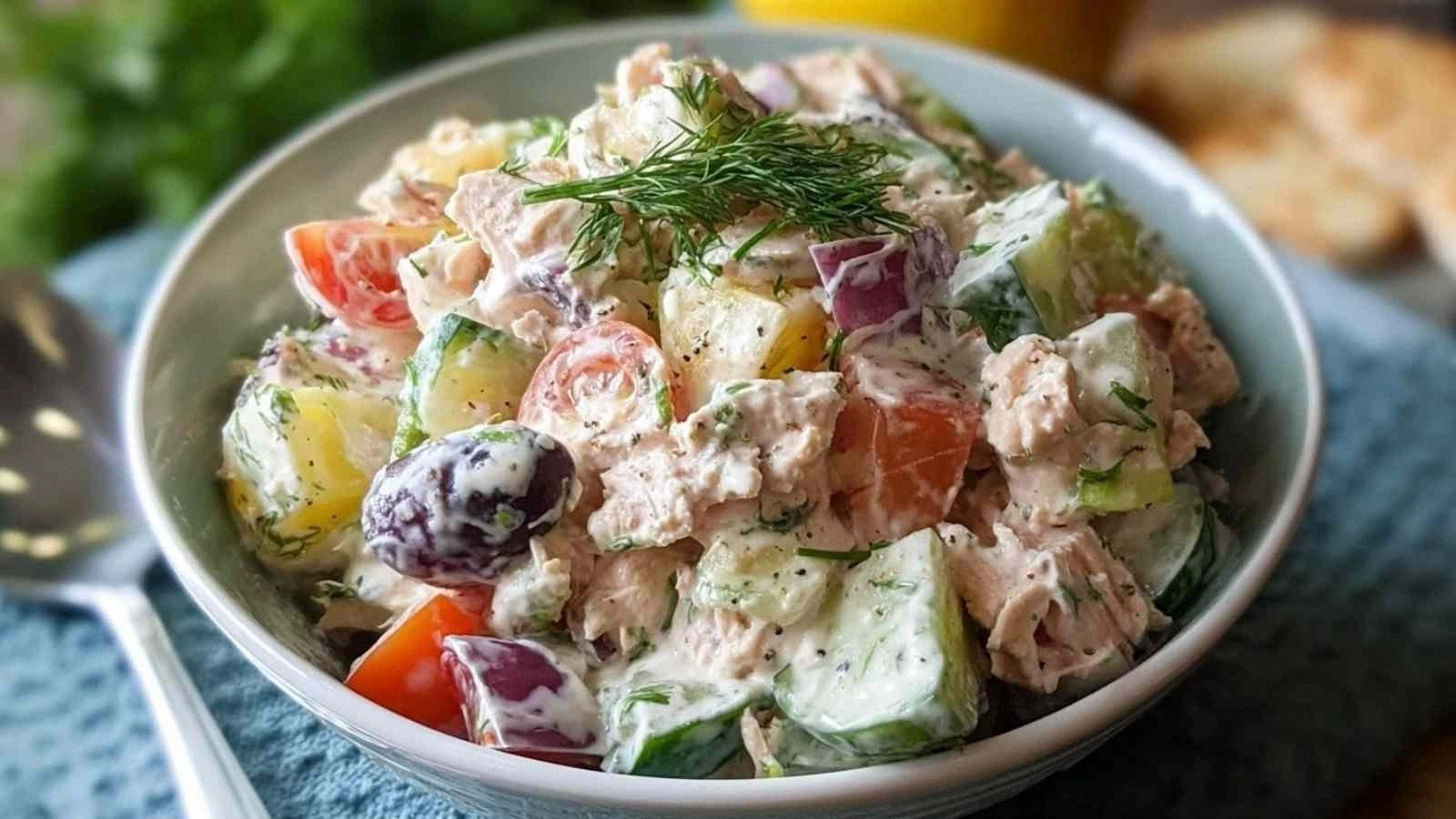
Picture the bright green of diced celery, the deep purple of finely chopped onion, and the bright yellow of dill pickles, all glistening in a bowl. The air fills with a tangy aroma from the pickles, a subtle sweetness from the onion, and the faint buttery scent of Greek yogurt. When you lift the spoon, the mixture feels light yet dense, like a velvety mousse that still has a satisfying bite. The first bite delivers a burst of umami from the tuna, a gentle snap from the celery, and a creamy, tangy finish that lingers on the palate.
What sets this version apart from the countless tuna salads floating around the internet is the deliberate use of Greek yogurt as the primary dressing base. This not only boosts protein content but also keeps the dish refreshing and less heavy than traditional mayo‑heavy versions. The addition of Dijon mustard adds a subtle kick that cuts through the richness, while the pickles bring a crisp, briny contrast that keeps each bite interesting. Every ingredient is chosen for its flavor, texture, and nutritional benefit, creating a salad that feels both indulgent and health‑conscious.
I dare you to taste this and not go back for seconds. If you've ever struggled with bland tuna salads or have been overwhelmed by endless variations, this recipe is your answer. The secret lies in the balance: creamy, crunchy, tangy, and protein‑packed. Stay with me here — this is worth it. By the end of this guide, you'll wonder how you ever made tuna salad any other way.
What Makes This Version Stand Out
- Flavor: The combination of Greek yogurt, Dijon mustard, and dill pickles creates a layered taste profile that feels both comforting and vibrant. The yogurt offers a tangy creaminess, while the mustard adds a subtle heat that wakes up the palate.
- Texture: The crisp celery and crunchy pickles counterbalance the smoothness of the tuna and dressing, giving each mouthful a satisfying bite. This contrast keeps the dish interesting and prevents it from becoming mushy.
- Protein Power: With 21 ounces of tuna and a generous splash of Greek yogurt, this salad packs over 25 grams of protein per serving, making it an ideal post‑workout meal or a hearty lunch.
- Low Fat, High Taste: The use of Greek yogurt reduces fat content compared to mayonnaise, yet the dish remains rich and satisfying. It’s a win‑win for those watching their calories without sacrificing flavor.
- Make‑Ahead Friendly: The salad holds up well in the fridge for up to 48 hours, making it a perfect prep‑meal for busy weekdays. The flavors actually deepen, so the longer it sits, the more delicious it becomes.
- Ingredient Quality: Fresh, high‑quality ingredients are key. Opt for organic tuna if possible, and choose pickles that are brined rather than sweet to keep the savory balance.
- Versatile Base: Serve it on a bed of mixed greens, spoon it onto whole‑grain crackers, or wrap it in a lettuce leaf for a low‑carb option. The salad adapts to whatever you have on hand.
- Time Efficiency: No cooking required, and the entire process takes less than 20 minutes. This is a recipe for the impatient and the perfectionist alike.
Inside the Ingredient List
The Flavor Base
Greek yogurt is the star of the show, providing a creamy, tangy foundation that elevates the tuna. It replaces heavy mayonnaise, cutting calories while maintaining richness. If you’re lactose intolerant, swap it for a dairy‑free yogurt; the flavor profile stays similar. Skipping yogurt would leave the salad dry and unbalanced.
The Texture Crew
Celery adds a refreshing crunch that keeps the salad from becoming mushy. The dill pickles contribute a burst of brine and a slight snap that contrasts with the tender tuna. Cutting the celery into bite‑size pieces ensures that each mouthful offers a satisfying snap.
The Unexpected Star
Dijon mustard may seem like a minor ingredient, but its sharp, piquant flavor cuts through the richness of the yogurt and tuna. It adds depth and a subtle heat that prevents the salad from feeling flat. If you prefer a milder taste, replace it with whole‑grain mustard for a nuttier finish.
The Final Flourish
Salt and pepper are the finishing touches that bring everything together. A half tablespoon of salt is enough to season the tuna without overpowering the other flavors. Ground black pepper adds a gentle heat that lingers on the tongue. Skipping the pepper will make the salad taste bland.
Everything's prepped? Good. Let's get into the real action...
The Method — Step by Step
- First, open the 21‑ounce can of tuna and drain any excess liquid. The tuna should be flaked into a large mixing bowl, using a fork to break up any large chunks. I’ve found that draining the liquid prevents the salad from becoming soggy. If you want a leaner version, rinse the tuna under cold water before draining. This step is essential for texture.
- Next, finely dice the 1/3 cup of purple onion. The onion adds a subtle sweetness and a bright pop of color. Use a sharp knife to avoid crushing the fibers, which can release too much moisture. If you’re sensitive to raw onion, blanch it briefly in hot water for 30 seconds. This will mellow the sharpness while keeping the crunch.
- Dice the two medium dill pickles into small cubes. The pickles bring a briny, tangy flavor that balances the creamy dressing. For a less salty version, rinse the pickles under water and pat them dry. The size of the cubes matters; smaller pieces melt into the salad, larger pieces add crunch.
- Chop the two stalks of celery into 1‑inch pieces. Celery’s crispness is a textural highlight that prevents the salad from becoming mushy. If you’re not a fan of celery, you can replace it with chopped cucumber for a milder crunch.
- Add the diced onion, pickles, and celery to the tuna. Mix gently to combine, ensuring that the vegetables are evenly distributed. At this point, the salad should have a vibrant mix of colors. The vegetables not only add flavor but also increase the nutrient density.
- In a separate bowl, whisk together 1/3 cup of Greek yogurt, 1 tablespoon of Dijon mustard, 1/2 tablespoon of salt, and 1 teaspoon of ground black pepper. The yogurt should be at room temperature to whisk smoothly. If the mixture is too thick, add a splash of milk or water to reach a pourable consistency.
- Pour the dressing over the tuna mixture and stir until every ingredient is coated. The dressing should cling to the tuna like velvet, creating a cohesive flavor profile. Taste the salad and adjust seasoning if necessary; you might need a touch more pepper for heat.
- Cover the bowl with plastic wrap and refrigerate for at least 30 minutes to allow flavors to meld. The chill also enhances the texture of the yogurt, making it creamier. If you’re short on time, you can skip this step, but the salad tastes best after it’s had a chance to rest.
- Before serving, give the salad a quick stir and garnish with a sprinkle of fresh dill or chives for an herbal note. The fresh herbs add a burst of color and aroma that elevates the dish. Serve on a bed of mixed greens, in a whole‑grain wrap, or simply with crackers.
That’s it — you did it. But hold on, I’ve got a few more tricks that will take this to another level. Stay tuned for insider tips that will make your salad even more irresistible.
Insider Tricks for Flawless Results
The Temperature Rule Nobody Follows
Always let the yogurt sit at room temperature before whisking. Cold yogurt can clump, making it difficult to achieve a smooth dressing. A quick 10‑minute wait at the counter does the trick. If you’re in a hurry, a quick rinse in warm water can soften it instantly. This simple step ensures a silky texture that coats the tuna perfectly.
Why Your Nose Knows Best
Smell the salad before you taste it. A faint, pleasant aroma indicates that the dressing has balanced the flavors. If it smells too sharp, add a splash of lemon juice to mellow the acidity. The nose is your first line of quality control, so trust it. I’ve used this technique to perfect dozens of salads.
The 5‑Minute Rest That Changes Everything
After you stir the dressing in, let the salad sit for exactly five minutes. This brief pause allows the flavors to mingle and the textures to settle. It also lets the celery crisp up slightly, enhancing the crunch. Skipping this step can leave the salad feeling rushed and underdeveloped. A quick five‑minute rest is worth the wait.
The Perfect Portion Balance
Measure your tuna by weight rather than by the can. This ensures consistency across batches and prevents over‑portioning. I use a kitchen scale to weigh 21 ounces, which is about 595 grams. If you’re using a different brand, adjust the weight accordingly. Precision in portioning keeps the nutrition accurate.
The Fresh Herb Surprise
Add a handful of fresh dill or chives just before serving. The herbs provide a fresh burst of flavor that cuts through the richness. They also add a pop of color that makes the dish visually appealing. If you’re allergic to herbs, a sprinkle of parsley works just as well. Herbs are a quick, low‑effort upgrade.
Creative Twists and Variations
This recipe is a playground. Here are some of my favorite ways to switch things up:
Mediterranean Medley
Swap the dill pickles for chopped kalamata olives and add a teaspoon of oregano. The olives bring a salty depth, while oregano adds a piney aroma. Serve over a bed of spinach for a Mediterranean vibe. This version is perfect for a light lunch or a party appetizer.
Spicy Sriracha Kick
Add a tablespoon of sriracha to the dressing for a fiery twist. The heat pairs well with the creamy yogurt and cuts through the richness. Top with sliced jalapeños for extra bite. This spicy version is a crowd‑pleaser at potlucks.
Citrus Burst
Replace half the yogurt with fresh lemon juice and zest. The citrus brightens the flavor profile and adds a refreshing tang. A pinch of cumin can complement the lemon for an earthy undertone. This variation is ideal for summer gatherings.
Vegan Upgrade
Use a plant‑based tuna alternative and substitute Greek yogurt with coconut‑based yogurt. The coconut gives a subtle tropical note that pairs well with the dill pickles. Add a splash of soy sauce for umami. This vegan version is just as protein‑rich and satisfies any dietary preference.
Crunchy Nutty Twist
Toss in a handful of toasted almonds or walnuts for added crunch. The nuts provide a buttery texture that complements the salad’s creaminess. A drizzle of honey can balance the savory notes. This nutty variation is a great snack for athletes.
Herb‑Infused Dressing
Blend the yogurt with chopped parsley, cilantro, and a splash of olive oil. The herbs infuse the dressing with fresh green flavors. Add a pinch of smoked paprika for a subtle smokiness. This herb‑infused version is a refreshing take for warm days.
Storing and Bringing It Back to Life
Fridge Storage
Store the salad in an airtight container in the refrigerator for up to 48 hours. Keep it chilled to maintain the yogurt’s creaminess. A small splash of water before serving can re‑hydrate the dressing if it’s thickened. Always stir well before serving to redistribute the flavors.
Freezer Friendly
While tuna salad isn’t ideal for freezing, you can freeze the dressing separately. Keep the tuna, veggies, and dressing in separate containers, then combine them when ready to eat. Thaw the dressing in the fridge overnight and mix thoroughly. This method preserves the texture better than freezing the entire dish.
Best Reheating Method
If the salad has been chilled for a while, bring it to room temperature before serving. This restores the yogurt’s softness and ensures a cohesive taste. Avoid reheating in the microwave, as it can separate the dressing. A quick stir and a splash of water are all you need to revive the dish.