I’ll be honest — I ate half the batch before anyone else got a chance to try it, and that’s because this cheesecake with a pumpkin swirl is nothing short of a culinary love affair. It all started on a rainy Tuesday when I was battling a stubborn pumpkin puree that refused to blend smoothly, and my roommate dared me to make something that would actually make the whole apartment smell like a cozy autumn cabin. The kitchen was a battlefield of splatters and the faint hum of the oven, but the moment the first whiff of cinnamon and nutmeg hit my nose, I knew I was onto something that could change the way we think about fall desserts. That scent was like a warm blanket wrapped around my senses, the kind that makes you want to curl up with a good book and a slice of something decadently sweet.
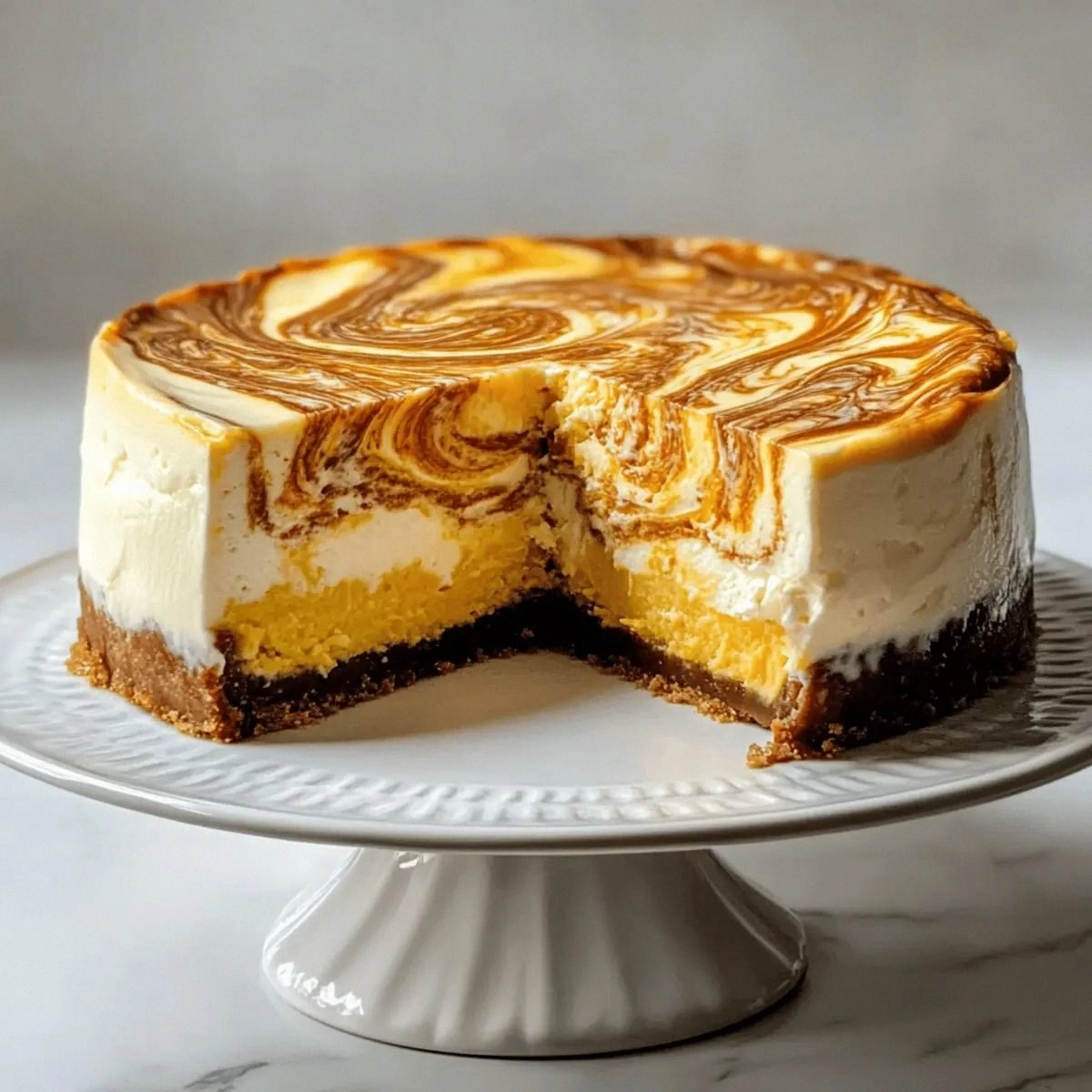
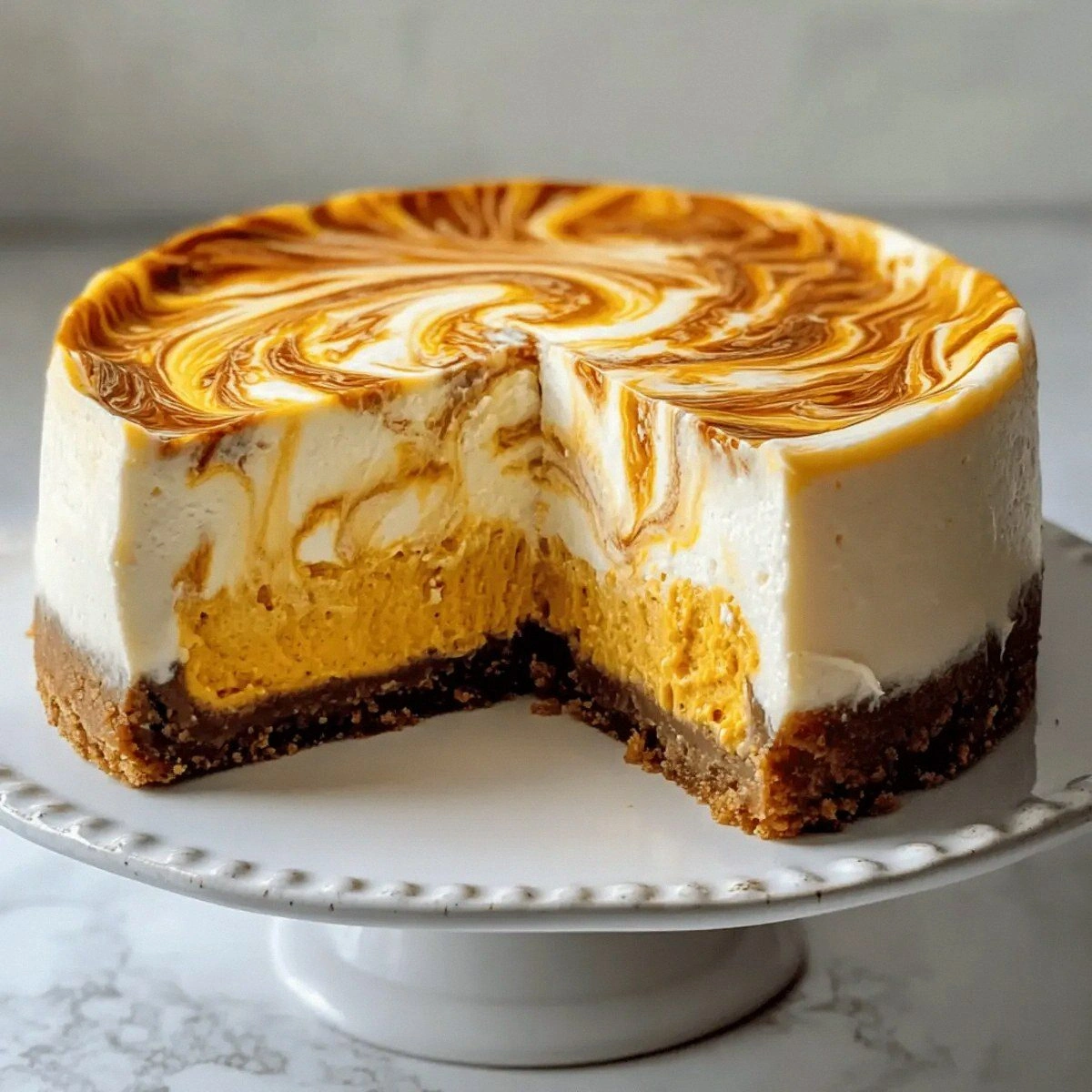
Picture yourself pulling this out of the oven, the whole kitchen smelling incredible, the crust a buttery, golden hug and the swirl a vibrant orange river that beckons you to dive in. The texture is a perfect contradiction: the crust cracks ever so slightly under the fork, while the filling is as silky as satin, and the pumpkin swirl adds a subtle earthiness that dances with the sweet caramel drizzle on top. Most recipes get this completely wrong – they either over‑bake the filling, turning it rubbery, or they skip the swirl altogether, leaving you with a plain cheesecake that feels like a missed opportunity. Here’s what actually works: a low‑and‑slow bake, a gentle fold for the pumpkin mixture, and a finishing touch of whipped cream that crowns the whole thing like a fluffy snowcap.
I dare you to taste this and not go back for seconds. The moment the caramel drizzle meets the pumpkin swirl, it’s a flavor explosion that feels like a fireworks show in your mouth, each bite delivering a new layer of buttery crust, creamy cheese, and autumnal spice. This is hands down the best version you’ll ever make at home, and I’m about to spill every secret that makes it so unforgettable. From the exact temperature that guarantees a crack‑free surface to the tiny splash of water I add before reheating, every detail has been honed to perfection. Okay, ready for the game‑changer? Let me walk you through every single step — by the end, you’ll wonder how you ever made it any other way.
What Makes This Version Stand Out
- Flavor Fusion: The pumpkin swirl isn’t just a decorative swirl; it’s a full‑bodied flavor that mingles with the cheesecake base, creating a harmonious balance of sweet, spicy, and creamy.
- Texture Triumph: A crisp, buttery graham crust gives way to a velvety filling that stays smooth even after chilling, thanks to the precise flour and sour cream ratio.
- Simplicity Meets Sophistication: Only ten pantry staples are needed, yet the result feels like a bakery‑level masterpiece that would impress even the toughest critics.
- Unique Swirl Technique: By folding the pumpkin puree into the sweetened cheese mixture just before baking, you get those gorgeous, marble‑like ribbons that are as beautiful as they are tasty.
- Crowd‑Pleaser Factor: Whether you’re serving it at a Thanksgiving feast or a casual weekend brunch, this cheesecake earns applause and empty plates every single time.
- Ingredient Quality: Using full‑fat cream cheese and real pumpkin puree (not the canned stuff) elevates the richness and depth of flavor dramatically.
- Cooking Method Magic: The water‑bath (bain‑marie) technique keeps the filling from over‑cooking, preserving that coveted custardy smoothness.
- Make‑Ahead Potential: This dessert can be prepared a day ahead, allowing the flavors to meld and the texture to set, making your hosting stress‑free.
Inside the Ingredient List
The Flavor Base
The heart of this cheesecake is the cream cheese, a 24‑ounce block that brings a luxurious, tangy richness. Why it matters: Cream cheese sets the foundation for a smooth, dense texture that can hold the pumpkin swirl without collapsing. If you skimp on the fat content, you’ll end up with a dry, crumbly filling that feels more like a cake than a cheesecake. Swap tip: For a lighter version, you can blend half the cream cheese with low‑fat ricotta, but expect a slightly less creamy mouthfeel. When shopping, look for a block that’s cold straight from the fridge – it whips up faster and integrates better with the sugar.
The Texture Crew
Graham cracker crumbs, butter, and a dash of cinnamon form the crust, delivering that golden, buttery crunch you crave. The butter, at half a cup, melts into the crumbs, creating a cohesive base that won’t crumble when you slice. If you’re gluten‑free, substitute with gluten‑free graham crackers or a blend of oat flour and almond meal – just keep the same volume. The cinnamon adds a subtle warmth that complements the pumpkin’s earthiness without overpowering it. Pro tip: Use a food processor for the crumbs; it ensures an even texture and prevents lumps that could cause cracks.
The Unexpected Star
Pumpkin puree is the hero of the swirl, bringing vibrant color and a gentle sweetness that pairs perfectly with the tang of cream cheese. The addition of ground nutmeg and ginger adds depth, making the swirl taste like a warm hug on a chilly day. If fresh pumpkin is available, roast it, scoop out the flesh, and puree – the flavor will be even more robust. However, canned pumpkin works just as well if you choose a brand without added spices or sugar. Watch out: Some canned varieties contain pumpkin pie filling, which already has sugar and spices; using that will make the cheesecake overly sweet.
The Final Flourish
Whipped cream, caramel drizzle, and crushed pecans (or walnuts) finish the cake with a textural contrast and a glossy sheen. The whipped cream adds a light, airy bite that balances the dense filling, while the caramel drizzle adds a buttery, buttery sweetness that ties the pumpkin spice back to the crust. The nuts bring a crunchy surprise that keeps each forkful interesting. If you’re allergic to nuts, toasted pumpkin seeds make a delightful alternative, keeping the autumnal theme intact.
Everything's prepped? Good. Let's get into the real action...
The Method — Step by Step
First, preheat your oven to 325°F (163°C). While the oven warms, line the bottom of a 9‑inch springform pan with parchment paper – this will make unmolding a breeze. Then, combine the graham cracker crumbs, ¼ cup granulated sugar, and 1 tsp ground cinnamon in a large bowl; the cinnamon should perfume the crumbs like a spice market.
Melt the ½ cup unsalted butter in the microwave for 30‑seconds intervals, stirring until smooth. Pour the melted butter over the crumb mixture and stir until every crumb is glossy, like sand after a rainstorm. Press this mixture firmly into the pan’s base, using the bottom of a measuring cup to flatten it into an even layer.
While the crust chills in the fridge for about 15 minutes, start the filling. In a stand mixer fitted with the paddle attachment, beat the 24‑ounce cream cheese on medium speed until it’s silky and free of lumps – think cloud‑like smoothness.
Add 1 cup granulated sugar and continue beating until the mixture lightens in color, indicating that the sugar has dissolved. This step is crucial; under‑mixing will leave a grainy texture, and over‑mixing can incorporate too much air, leading to cracks.
Now, the flavor boosters. Sprinkle in 1 tsp vanilla extract, ½ tsp ground nutmeg, and ½ tsp ground ginger. The vanilla adds a fragrant backbone, while the nutmeg and ginger create that quintessential fall warmth.
Add 1 tablespoon all‑purpose flour; this tiny amount acts like a stabilizer, preventing the cheesecake from wobbling when you cut into it. Mix just until incorporated – you don’t want a floury taste.
Crack the 3 large eggs into a separate bowl, beat them lightly, and then slowly drizzle them into the cream cheese mixture while the mixer runs on low. The eggs act as a binder, giving the cheesecake its structure. If you add them too quickly, you’ll create ribbons of cooked egg – a texture nightmare.
Once fully incorporated, fold in 1 cup sour cream. The sour cream adds a subtle tang that cuts through the sweetness and contributes to the creamy mouthfeel.
Time for the pumpkin swirl. In a small bowl, combine 1 cup pumpkin puree with ½ cup brown sugar, stirring until the sugar dissolves and the mixture looks glossy. This is where the magic begins – the brown sugar deepens the pumpkin’s natural sweetness without making it cloying.
Set aside a third of this pumpkin mixture for the final swirl; the rest will be mixed into the main filling for an even flavor distribution.
Gently fold the reserved pumpkin swirl into the main batter using a rubber spatula. Use a figure‑eight motion to create ribbons; this technique ensures you get those beautiful marbled veins that look as good as they taste.
If you want a more pronounced swirl, you can drizzle the remaining pumpkin puree on top of the batter once it’s in the pan, then use a knife to swirl it through.
Prepare a water bath: wrap the bottom of the springform pan in a double layer of foil to prevent leaks, then place it inside a larger roasting pan. Fill the outer pan with hot water until it reaches halfway up the sides of the springform pan.
Pour the batter into the prepared crust, smoothing the top with a spatula. Slide the whole assembly into the oven and bake for 45‑55 minutes, or until the edges are set and the center still has a slight wobble when you gently shake the pan. That wobble is the secret sign of a perfectly creamy interior.
Turn off the oven, crack the door open a few inches, and let the cheesecake sit for 1 hour. This gradual cooling prevents cracks that appear when a hot cake meets a cold environment.
After the hour, remove the cheesecake from the water bath, run a thin knife around the edge to release any cling, and let it cool completely on a wire rack. Once at room temperature, chill it in the refrigerator for at least 4 hours, preferably overnight.
When you’re ready to serve, top the cheesecake with a generous dollop of 1 cup whipped cream, drizzle ¼ cup caramel over the surface, and sprinkle ½ cup crushed pecans or walnuts for crunch. The caramel should be warm enough to flow but not hot enough to melt the whipped cream – think of it as a glossy, amber veil.
Slice with a hot, wet knife for clean cuts, and watch as the pumpkin swirl glistens like a sunrise on a crisp autumn morning. That’s it — you did it. But hold on, I've got a few more tricks that'll take this to another level...
Insider Tricks for Flawless Results
The Temperature Rule Nobody Follows
Never bake a cheesecake at a temperature higher than 350°F; the heat can cause the outer layer to over‑cook while the center remains under‑set. I once cranked my oven to 400°F trying to speed things up, and the result was a cracked, rubbery disaster. The secret is to keep it low and steady at 325°F, letting the water bath do the heavy lifting. This gentle heat ensures the proteins in the cream cheese coagulate slowly, giving you that coveted silk‑smooth texture.
Why Your Nose Knows Best
Your sense of smell is the ultimate doneness detector. Around the 45‑minute mark, you’ll notice a faint toasty aroma rising from the edges – that’s the cue that the crust is golden and the filling is nearing perfection. If the scent turns overly caramelized, pull the cheesecake out immediately; over‑baking will create a dry top. Trust that nose; it’s more reliable than a timer.
The 5‑Minute Rest That Changes Everything
After the cheesecake has cooled in the oven, let it rest on the counter for exactly five minutes before moving it to the fridge. This short pause allows the residual heat to distribute evenly, preventing a soggy bottom. Skipping this step often results in a crust that’s either too soft or too dry, depending on the ambient humidity. Trust the five‑minute rule and you’ll get a perfectly set base every time.
Whipped Cream Whisper
When whipping the cream, add a pinch of powdered sugar and a splash of vanilla. This stabilizes the peaks, keeping the topping fluffy even after a few hours in the fridge. If you over‑whip, the cream will turn buttery and separate, ruining the lightness you’re after. Keep an eye on it; it should form soft peaks that hold their shape when the whisk is lifted.
The Caramel Finish
Warm the caramel drizzle just enough to become pourable, but not hot enough to melt the whipped cream. A good trick is to microwave it for 10‑second bursts, stirring in between. This creates a glossy sheen that sets quickly, giving each slice that professional‑grade finish. If the caramel hardens too fast, a quick re‑heat will bring it back to a silky state.
Creative Twists and Variations
This recipe is a playground. Here are some of my favorite ways to switch things up:
Maple‑Pecan Swirl
Swap the pumpkin puree for a mixture of maple syrup and finely chopped pecans. The result is a caramel‑nutty ribbon that feels like a sweet autumn sunrise. Perfect for those who love maple’s deep amber flavor.
Chocolate‑Cherry Delight
Add ¼ cup cocoa powder to the cream cheese mixture and fold in a swirl of cherry preserves. The chocolate gives a rich backdrop while the cherries add a tart contrast, turning the cheesecake into a sophisticated dessert for holiday parties.
Spiced Apple Crumble
Replace the pumpkin swirl with a thin layer of spiced apple compote and sprinkle a crumble topping of oat, brown sugar, and butter before baking. This variation evokes a classic apple‑pie flavor with the creamy cheesecake base.
Savory Goat Cheese & Pumpkin
Swap half the cream cheese for goat cheese and add a pinch of smoked paprika to the pumpkin swirl. This creates a savory‑sweet hybrid that pairs beautifully with a drizzle of balsamic reduction, ideal for brunch or a sophisticated appetizer.
Vegan Coconut Pumpkin
Use coconut cream and a plant‑based cream cheese alternative, along with a gluten‑free oat crust. The coconut adds a subtle tropical note that surprisingly complements the pumpkin spice, making it a hit for anyone avoiding dairy.
Storing and Bringing It Back to Life
Fridge Storage
Cover the cheesecake loosely with plastic wrap or a cake dome and store it in the refrigerator for up to 5 days. The chilled environment keeps the filling firm while allowing the flavors to meld further. For best texture, let it sit at room temperature for 15 minutes before slicing.
Freezer Friendly
Wrap the entire springform pan in a double layer of aluminum foil, then place it inside a freezer‑safe bag. It will freeze beautifully for up to 2 months. When you’re ready to serve, transfer it to the fridge to thaw overnight – this slow thaw preserves the creamy texture.
Best Reheating Method
If you need to warm a slice, place it on a microwave‑safe plate and add a tiny splash of water (about a teaspoon) before microwaving for 10‑second intervals. The steam generated revives the cheesecake’s silkiness without turning it rubbery. Alternatively, a quick 5‑minute pass through a 300°F oven will lightly melt the caramel drizzle for an extra glossy finish.