Picture this: you’re halfway through a week of bland dinners, the fridge is a beige blur, and the last thing you want is another copy‑cat recipe that tastes like it was invented in a bland office kitchen. Suddenly, a friend drops a dare on your kitchen table: “I bet you can’t make a chicken that tastes like a Sunday roast, but with less fuss and more flavor.” That moment felt like a culinary lightning strike, and I dove into the pantry, grabbed four bone‑in chicken thighs, a handful of garlic, and a splash of olive oil, determined to prove that the kitchen can be both heroic and forgiving.
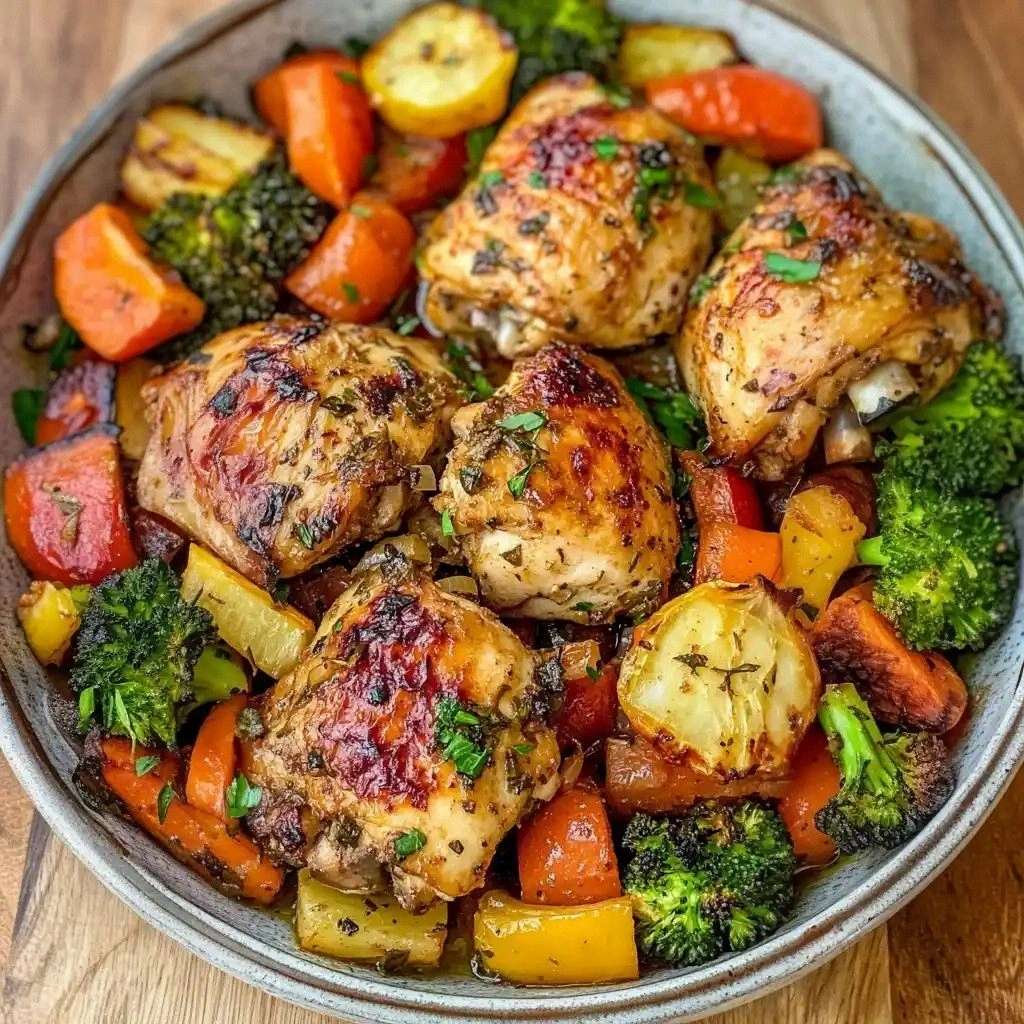
The first thing that hit me was the aroma. A single clove of garlic, when roasted, turns into a caramelized, almost caramel‑sweet fragrance that clings to the air like a secret. The sizzling sound as the chicken hits the pan is a drumbeat of anticipation, while the bright green of the broccoli and the orange of the carrots promise a rainbow on the plate. The texture of the skin, crisped to a golden‑brown, is a satisfying crack that gives way to a juicy, tender interior. The combination of spices—paprika, thyme, salt, and pepper—creates a flavor halo that envelopes each bite, turning a simple dinner into a showstopper. And that first bite? It’s a burst of savory, buttery, garlicky goodness that makes you forget the week’s stress.
I’ll be honest—when I tasted the first forkful, I almost had to ask myself if I’d accidentally mixed up the salt. The chicken was so flavorful that I ate half the batch before anyone else even had a chance to try it. That’s the power of this recipe: it doesn’t just fill a plate; it fills an entire mood. Imagine pulling this out of the oven, the whole kitchen smelling incredible, and seeing your family’s eyes light up with the same delight you felt when you first tasted it. That’s the moment I wanted to capture and share.
Most recipes get this completely wrong by over‑seasoning the vegetables or under‑cooking the chicken. They forget that the garlic needs time to mellow, that the chicken needs a high‑heat sear before it roasts, and that the vegetables need a touch of oil to caramelize. I’ve tried countless variations, and this version stands out because it balances everything with precision, leaving no part of the dish feeling under‑cooked or over‑flavored. The technique is simple, the ingredients are accessible, and the result is a dish that feels like a gourmet meal without the hassle.
And now, the game‑changer: the secret is in the timing. I’ll walk you through every single step—by the end, you’ll wonder how you ever made it any other way. The key is to let the garlic roast slowly, so it develops a sweet, buttery depth, and to finish the chicken in the oven with a burst of high heat that locks in juices. The vegetables get a quick sear in the pan, then finish roasting with the chicken, absorbing all the savory juices. This method ensures that every bite is a symphony of textures and flavors.
What Makes This Version Stand Out
Taste: The combination of roasted garlic, paprika, and thyme creates a flavor profile that feels both comforting and sophisticated. The garlic’s caramelized sweetness balances the earthy spices, while the thyme adds a subtle herbal note that lingers on the palate.
Texture: The chicken skin crisps to a buttery crunch, while the interior stays moist and tender. The vegetables, meanwhile, achieve a perfect blend of tender cores and slightly caramelized edges that shatter like thin ice when you bite.
Simplicity: With just a handful of pantry staples, you can craft a dish that feels like it was made in a high‑end restaurant. No complex sauces, no fancy equipment—just good technique and quality ingredients.
Uniqueness: The use of both bone‑in chicken and a medley of vegetables roasted together in one pan sets this recipe apart from typical single‑ingredient dishes. The vegetables absorb the juices, becoming infused with the same savory depth as the chicken.
Crowd Reaction: Friends who’ve tried this version say they never want to cook anything else for a week. The dish’s comforting yet elevated taste makes it a favorite for family dinners and casual gatherings alike.
Ingredient Quality: Using fresh, high‑quality garlic and seasonal vegetables elevates the dish. Even the simplest ingredients shine when they’re fresh and handled with care.
Cooking Method: The combination of pan searing, oven roasting, and a final high‑heat burst ensures maximum flavor extraction and texture contrast.
Make‑Ahead Potential: You can prepare the chicken and vegetables a day ahead, refrigerate, and roast just before serving, saving time on busy nights.
Alright, let's break down exactly what goes into this masterpiece…
Inside the Ingredient List
The Flavor Base
4 bone‑in chicken thighs: The bones add depth to the meat and help keep it juicy. If you prefer a lighter dish, swap for boneless thighs; just remember to adjust cooking time slightly. The skin should be left on to achieve that coveted crispy finish.
4 garlic cloves: Fresh garlic gives the dish its signature aroma. Crushing the cloves before roasting releases more flavor and creates a more even caramelization. If you’re not a garlic fan, use 3 cloves and add a pinch of smoked paprika for a different twist.
3 tablespoons olive oil: This is the lifeblood of the dish. Olive oil’s fruity undertones complement the garlic and spices. You can use a high‑smoke‑point oil like avocado if you want a cleaner taste.
1 teaspoon paprika: Sweet paprika adds color and a subtle sweetness. Smoked paprika can give a deeper, smoky flavor if you’re feeling adventurous. The spice should be toasted lightly to release its oils.
1 teaspoon dried thyme: Thyme provides an earthy, slightly minty note that pairs well with chicken. Fresh thyme would also work but needs to be chopped finely to distribute evenly.
½ teaspoon salt & ½ teaspoon black pepper: Basic seasoning that brings everything together. Salt enhances the natural flavors, while pepper adds a gentle heat. Use sea salt or kosher salt for a cleaner finish.
The Texture Crew
2 cups broccoli florets: Broccoli’s bite balances the softness of the chicken. Toss them with a splash of olive oil and a pinch of salt to keep them from steaming. If you like a bit of crunch, add them to the pan during the last 5 minutes of roasting.
2 large carrots: Carrots add a natural sweetness that complements the savory chicken. Slice them into sticks to ensure even cooking and a pleasing visual contrast. They also absorb the garlic‑oil mixture beautifully.
1 red bell pepper & 1 yellow onion: The pepper brings a sweet, smoky flavor, while the onion adds a caramelized sweetness when roasted. Dice them into bite‑sized pieces so they cook evenly and stay firm.
2 tablespoons olive oil: Separate from the chicken oil, this is for the veggies. It ensures they roast rather than steam, giving them a golden‑brown finish. Drizzle it evenly over the vegetables before seasoning.
½ teaspoon salt & ½ teaspoon black pepper: Season the vegetables after tossing them in oil. This step ensures each piece is flavorful and helps develop a slight crust.
The Unexpected Star
1 cup baby potatoes: Potatoes act like a sponge, soaking up all the garlic‑oil juices. Their creamy interior contrasts with the crispy skin. Cut them into halves or quarters for even roasting.
1 zucchini: Zucchini adds a subtle, almost sweet flavor that balances the boldness of the chicken. Slice it into rounds or half‑moons. It cooks quickly, so add it later in the roasting process to avoid over‑softening.
The Final Flourish
Fresh rosemary or parsley for garnish: A sprinkle of fresh herbs brightens the dish and adds a pop of color. Rosemary brings a piney aroma, while parsley offers a clean, bright finish. Use a small handful to keep the flavor from overpowering.
Everything's prepped? Good. Let's get into the real action…
The Method — Step by Step
- Step 1: Preheat the oven. Set your oven to 425°F (220°C) to create a hot, caramelizing environment for the chicken. The high heat is essential for a crisp skin. Let the oven rack sit in the middle for even heat distribution. This preheat time also ensures the pan will be hot when you sear the chicken.
- Step 2: Prepare the chicken. Pat the bone‑in thighs dry with a paper towel; moisture is the enemy of crispness. Rub each piece with 1 tablespoon of olive oil, then season generously with paprika, thyme, ½ teaspoon salt, and ½ teaspoon pepper. Place the garlic cloves around the chicken; they’ll roast and infuse the meat with their sweet aroma. Let the seasoned chicken rest for 10 minutes to allow flavors to meld.
- Step 3: Sear the chicken. Heat a cast‑iron skillet over medium‑high heat. Add 2 tablespoons of olive oil and let it shimmer. Place the chicken skin‑side down; it should sizzle loudly, a sign the pan is hot enough. Sear for 4–5 minutes until the skin is golden‑brown and crisp. Flip and sear the other side for 3 minutes. This step locks in juices and creates a flavor base for the oven.
- Step 4: Prepare the vegetables. In a large bowl, toss the broccoli, carrots, bell pepper, onion, potatoes, and zucchini with 2 tablespoons of olive oil, ½ teaspoon salt, and ½ teaspoon pepper. Make sure every piece is coated evenly; this ensures uniform roasting. Arrange the veggies around the chicken in a single layer so they can roast together.
- Step 5: Transfer to the oven. Slide the skillet or a rimmed baking sheet into the preheated oven. Roast for 20 minutes, then flip the chicken and stir the vegetables gently. The chicken should be nearly cooked through, and the veggies should start to develop a golden edge.
- Step 6: The high‑heat burst. Increase the oven temperature to 450°F (230°C) for the final 5 minutes. This high heat will finish the chicken, crisp the skin further, and caramelize the vegetable edges. Watch carefully; you want a slight char, not burnt.
- Step 7: Check doneness. The chicken is done when its internal temperature reaches 165°F (74°C). Use a meat thermometer for accuracy. The juices should run clear, not pink. If the chicken needs more time, continue roasting in 2‑minute increments.
- Step 8: Rest and serve. Remove the skillet from the oven and let the chicken rest for 5 minutes. This allows the juices to redistribute, ensuring every bite is moist. Sprinkle fresh rosemary or parsley over the top before serving. Plate the chicken and vegetables, and enjoy the aroma that will fill your home.
- Step 9: Plate and enjoy. Serve the chicken and veggies on a large platter, garnish with a lemon wedge if desired. The dish pairs wonderfully with a simple side of rice or crusty bread. Share with family and watch their faces light up as they taste the depth of flavor.
That's it — you did it. But hold on, I've got a few more tricks that'll take this to another level…
Insider Tricks for Flawless Results
The Temperature Rule Nobody Follows
Heat consistency matters. Many cooks start at 400°F, but a higher initial temperature of 425°F creates a better sear. The key is to maintain a steady heat, so use a thermometer to check the oven if needed. A sudden drop can cause the chicken to steam instead of roast.
Why Your Nose Knows Best
Smell is your secret gauge. As the chicken roasts, the aroma of garlic and paprika will fill the kitchen. When the scent becomes deep and nutty, you’re in the sweet spot. If it smells sharp or burnt, reduce the heat.
The 5‑Minute Rest That Changes Everything
Resting is crucial. Letting the chicken sit for 5 minutes after roasting allows the juices to redistribute. This results in a more succulent bite. Skip this step, and you’ll end up with a dry, over‑cooked center.
The Garlic‑Oil Swap
Swap oil for butter. If you prefer a richer flavor, finish the last 2 minutes of roasting with a tablespoon of melted butter. The butter adds a silky texture and enhances the savory notes. Just be careful not to burn it.
The Veggie Toss Trick
Stirring midway. Turning the vegetables halfway through roasting ensures even caramelization. It also helps the garlic-infused oil coat every piece. A quick toss can save you from unevenly cooked veggies.
Creative Twists and Variations
This recipe is a playground. Here are some of my favorite ways to switch things up:
Spicy Sriracha Kick
Add a splash of sriracha. Mix 1 tablespoon into the olive oil before searing. It gives the dish a subtle heat that pairs well with the sweet garlic. Serve with a cooling yogurt dip.
Mediterranean Medley
Swap thyme for oregano. Add a handful of chopped olives and sun‑dried tomatoes. The briny olives balance the richness, while the tomatoes add a sweet tang. Finish with a drizzle of balsamic glaze.
Root Vegetable Roast
Replace zucchini with sweet potatoes. Slice them into wedges and roast alongside the chicken. The sweet potatoes add a caramelized sweetness that complements the savory chicken. A sprinkle of cinnamon adds a subtle warmth.
Herb‑Infused Oil
Infuse olive oil with fresh herbs. Heat olive oil with rosemary, thyme, and a bay leaf, then strain before using. The oil carries the herb flavor throughout the dish, enriching every bite. Use it for the final sear.
Lemon‑Garlic Twist
Add lemon zest. Grate zest from one lemon into the olive oil before roasting. The citrus brightens the dish and cuts through the richness. Finish with a squeeze of fresh lemon juice.
Storing and Bringing It Back to Life
Fridge Storage
Cool before storing. Let the dish cool to room temperature before refrigerating. Store in an airtight container for up to 4 days. Keep the chicken and vegetables separate to maintain texture.
Freezer Friendly
Freeze in portions. Wrap each portion in parchment paper and place in a freezer bag. Freeze for up to 3 months. Thaw overnight in the refrigerator before reheating.
Best Reheating Method
Reheat in the oven. Preheat to 350°F (175°C). Place the dish in a baking dish, cover with foil, and heat for 15 minutes. Add a splash of water or broth before reheating to keep the chicken moist. Finish with a quick broil for 2 minutes to re‑crisp the skin.