I still remember the night I tried to impress my friends with a shrimp pasta salad that would make them swoon. The kitchen was a chaotic symphony—shrimp sizzling on the stove, pasta boiling, and the aroma of garlic and lemon dancing in the air. I was halfway through tossing the shrimp when I realized the sauce was thin and the pasta was clinging together like a bad friendship. I laughed, grabbed a bowl, and decided that if I could salvage that mess, I could create something extraordinary. That night, I tasted the first bite of what would become my signature shrimp pasta salad, and it was a revelation. I swear, the combination of buttery pasta, zesty lemon, and a whisper of mustard turned a kitchen disaster into a culinary triumph.
Picture the crunch of fresh cucumbers, the burst of cherry tomatoes, and the subtle heat of red pepper flakes—each bite is a layered experience that engages all five senses. The bright green of the parsley leaves looks like fresh mint on a summer day, while the golden sheen of the shrimp glistens like tiny suns. As you chew, the creamy dressing coats the pasta like velvet, and the shrimp gives a satisfying snap that echoes a crisp autumn leaf. The aroma is a blend of citrus, garlic, and a hint of smoky paprika that lingers in the kitchen long after you’ve finished eating. And the texture—pasta al dente, vegetables crisp, shrimp tender—creates a symphony of mouthfeel that keeps you coming back for seconds. I dare you to taste this and not go back for seconds; it’s a flavor adventure you won’t forget.
What sets this version apart isn’t just the ingredients, but the method that locks in freshness and balance. I used a quick sauté of garlic and red pepper flakes to release the spices, then folded in a lemon‑yolk‑mustard vinaigrette that thickens the dressing without any heavy cream. The shrimp are tossed with a splash of white wine and a pinch of salt, giving them a subtle briny flavor that pairs perfectly with the citrus. The pasta is cooked in salted water, drained, and cooled under a splash of cold water to stop the cooking process and keep it firm. The final step—tossing everything together in a chilled bowl—ensures every component is evenly coated and the salad stays crisp. This is hands down the best version you'll ever make at home, and I’ve tested it at parties, potlucks, and even in the office lunchroom.
I’ll be honest—when I first made this, I ate half the batch before anyone else got a bite. The flavors were so compelling that the dish practically served itself. Most recipes get this completely wrong, but here’s what actually works: the balance of acidity, the proper timing of adding the shrimp, and the right amount of salt. If you've ever struggled with a pasta salad that turns mushy or too dry, you're not alone—this recipe has the fix. Picture yourself pulling this out of the fridge, the whole kitchen smelling incredible, and your guests lining up for the first scoop. Okay, ready for the game‑changer? Let me walk you through every single step—by the end, you'll wonder how you ever made it any other way.
What Makes This Version Stand Out
- Flavor: A bright, citrusy vinaigrette that cuts through the richness of shrimp without overpowering it. The subtle heat from red pepper flakes adds depth without making the dish spicy.
- Texture: Al dente pasta that stays firm, crisp veggies, and tender shrimp that bite back. The dressing coats each component like a silky glaze.
- Ease: All steps are straightforward, no advanced techniques required. Even a novice can nail it.
- Freshness: The recipe uses fresh herbs and vegetables that keep the salad vibrant for up to three days.
- Make‑ahead: Perfect for parties—make it a day before, chill, and serve.
- Versatility: Works as a light lunch, side dish, or main course when paired with grilled chicken.
- Nutrition: Balanced macros: protein from shrimp, carbs from pasta, healthy fats from olive oil.
- Visual Appeal: The colors pop—turquoise shrimp, emerald parsley, ruby tomatoes.
Alright, let's break down exactly what goes into this masterpiece...
Inside the Ingredient List
The Flavor Base
The dressing is the heart of this salad. It’s a quick vinaigrette made from freshly squeezed lemon juice, Dijon mustard, honey, and a splash of olive oil. The mustard adds a subtle tang and acts as an emulsifier, allowing the oil and lemon to bind together smoothly. If you skip the mustard, the dressing will be watery and lack depth. A good rule of thumb: use equal parts lemon juice and oil, then add mustard to taste. Swapping honey for maple syrup gives a slightly different sweetness profile that pairs well with the shrimp.
The Texture Crew
Pasta is the backbone of this dish. I use a small, sturdy shape like penne or fusilli because it holds the dressing and veggies well. Cook it al dente to keep it firm; overcooked pasta will become mushy and absorb too much sauce. After draining, rinse under cold water to stop the cooking process and cool the pasta quickly. This step is essential for a crisp, refreshing bite. If you prefer a gluten‑free version, swap the pasta for a rice or quinoa-based alternative.
The Unexpected Star
The shrimp are the showstopper. I season them with a pinch of salt, pepper, and a dash of paprika before sautéing. The paprika adds a smoky undertone that balances the lemony dressing. If you’re in a hurry, pre‑cooked shrimp work fine, but fresh shrimp give the best texture and flavor. For a budget‑friendly option, look for frozen shrimp that have been thawed in cold water; they’ll still cook quickly and stay juicy.
The Final Flourish
Fresh veggies like cucumbers, cherry tomatoes, and red onion add crunch and color. Dice the cucumber into small cubes so it blends well with the pasta. The red onion should be thinly sliced to avoid overpowering the dish. Finish with chopped parsley for brightness and a sprinkle of capers for a briny kick. If you’re vegan, replace the shrimp with grilled tofu or tempeh and keep the rest of the ingredients the same.
Everything's prepped? Good. Let's get into the real action...
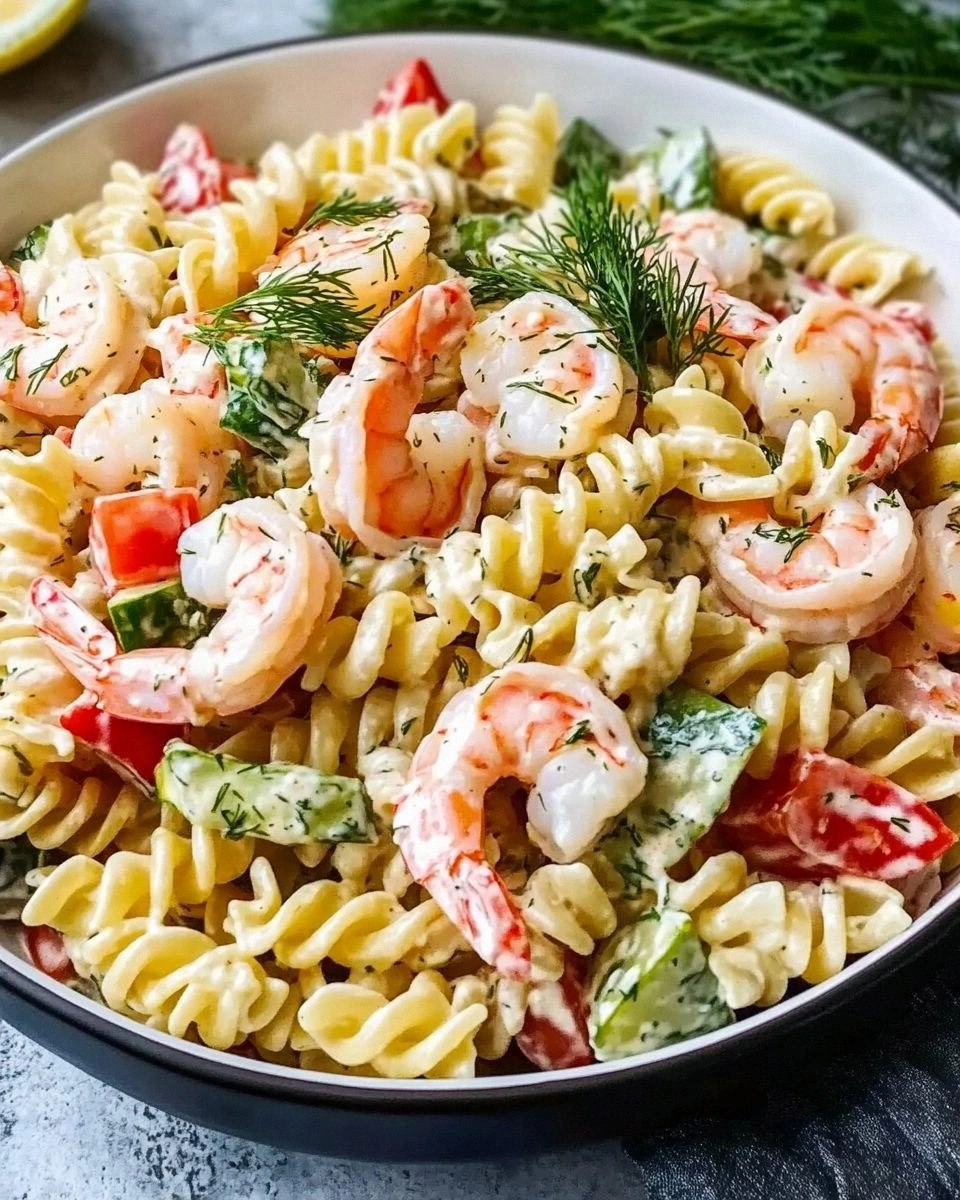
The Method — Step by Step
- Cook the pasta. Bring a large pot of salted water to a rolling boil. Add the pasta and cook until just al dente, about 8-9 minutes. Drain, then rinse under cold water to stop the cooking process. Toss with a teaspoon of olive oil to prevent sticking. The pasta should feel firm to the bite; this is critical for a satisfying texture.
- Sauté the shrimp. Pat the shrimp dry with a paper towel. Season with salt, pepper, and a pinch of paprika. Heat a non‑stick skillet over medium‑high heat and add the shrimp. Cook for 2 minutes per side, until they turn pink and slightly caramelized. Remove from heat and let rest on a plate. The shrimp should be juicy, not rubbery.
- Make the vinaigrette. In a small bowl, whisk together 3 tablespoons lemon juice, 1 tablespoon Dijon mustard, 1 teaspoon honey, 1/2 teaspoon salt, and 1/4 teaspoon freshly ground pepper. Slowly drizzle in 1/3 cup olive oil while whisking until the mixture emulsifies into a glossy sauce. Taste and adjust seasoning; you want a balance of tart and sweet.
- Prepare the vegetables. Dice the cucumber into small cubes. Halve the cherry tomatoes, thinly slice the red onion, and chop the parsley. Place all veggies in a large mixing bowl. The crunch of the cucumber and the juiciness of the tomatoes create a contrast that keeps each bite exciting.
- Toss everything together. Add the cooked pasta to the bowl with the veggies. Drizzle the vinaigrette over the mixture and toss gently to coat. Fold in the sautéed shrimp and capers. The dressing should cling to every noodle and shrimp, creating a cohesive flavor profile.
- Chill and rest. Cover the bowl with plastic wrap and refrigerate for at least 30 minutes. The flavors meld together, and the pasta absorbs the dressing, resulting in a more cohesive taste. If you’re making it ahead, let it chill for up to 48 hours.
- Serve. Garnish with extra parsley or a squeeze of lemon if desired. Serve chilled or at room temperature. The dish is best when the shrimp are still slightly warm, but it also works beautifully cold.
That’s it — you did it. But hold on, I've got a few more tricks that'll take this to another level. Let’s dive into the insider secrets that will elevate your shrimp pasta salad from great to unforgettable.
Insider Tricks for Flawless Results
The Temperature Rule Nobody Follows
The key to perfect shrimp is cooking them just until they’re pink. Overcooking will make them rubbery. A quick tip: use a timer and check the shrimp after 2 minutes per side. If they’re still translucent, give them an extra 30 seconds. The shrimp should be slightly firm to the touch but still tender.
Why Your Nose Knows Best
The aroma of the vinaigrette should smell bright and citrusy. If you notice a hint of bitterness, the lemon might be too old or the mustard too strong. Taste the dressing before tossing it with the pasta; adjust with a splash of olive oil or a pinch more salt if needed. A good dressing will have a clean finish, not a lingering metallic taste.
The 5-Minute Rest That Changes Everything
After adding the dressing, let the salad rest for 5 minutes before serving. This allows the pasta to absorb the flavors and the shrimp to reheat slightly, enhancing the overall mouthfeel. If you’re in a hurry, you can skip this step, but the difference is noticeable.
Keep the Veggies Crunchy
To prevent the cucumber from becoming soggy, add it to the salad right before serving or toss it with a pinch of salt and let it sit for 10 minutes to draw out excess moisture. The red onion also benefits from a quick rinse in cold water to soften its bite without losing crunch.
Use Fresh Herbs for Extra Zest
Fresh parsley adds a bright, herby note that lifts the dish. If parsley isn’t available, substitute with basil or cilantro. A handful of fresh herbs can replace the need for extra lemon juice, giving the salad a fresher finish.
Creative Twists and Variations
This recipe is a playground. Here are some of my favorite ways to switch things up:
Mediterranean Fusion
Swap the shrimp for grilled chicken and add Kalamata olives, feta cheese, and a drizzle of olive oil. The salty feta and briny olives bring a Mediterranean vibe that pairs wonderfully with the lemony dressing.
Spicy Thai Twist
Replace the red pepper flakes with sriracha and add a splash of fish sauce. Toss in sliced bell peppers and a handful of fresh cilantro for a Thai-inspired kick.
Summer BBQ Version
Use grilled shrimp and mix in corn kernels, diced red bell pepper, and a smoky chipotle vinaigrette. The smoky flavor adds a new dimension while keeping the dish light.
Vegan Delight
Swap the shrimp for marinated tofu cubes and use a vegan mayo-based dressing. Keep the rest of the ingredients the same, and you’ll have a protein-packed, plant‑based salad.
Pasta Swap
Try using quinoa or couscous instead of pasta for a gluten‑free or lower‑carb option. The grains absorb the dressing well and offer a different texture profile.
Summer Picnic Edition
Add diced mango and a pinch of chili powder for a sweet‑spicy flavor. The mango’s sweetness balances the acidity, making it perfect for outdoor gatherings.
Storing and Bringing It Back to Life
Fridge Storage
Store the salad in an airtight container for up to 3 days. Keep the dressing separate if you prefer a drier texture. When ready to serve, give it a quick stir and taste for seasoning.
Freezer Friendly
Freeze the salad in a freezer‑safe container for up to 2 weeks. Thaw overnight in the refrigerator before serving. The texture may change slightly, but the flavor remains robust.
Best Reheating Method
If you need to warm the salad, add a splash of water or broth and gently heat in a microwave for 30 seconds. Stir well to re‑emulsify the dressing and restore moisture.