I was standing in my kitchen, staring at a ruined batch of cupcakes that had turned into a charred, flavorless mess. The oven had been set too high, the batter too thick, and the timer was a cruel joke that made me feel like a culinary villain. The moment I realized I’d burned the cupcakes, a sudden craving hit me harder than the heat—carrot cake, but not the usual stiff, dry version that leaves your taste buds in a daze. That night, I decided to rewrite the rulebook and give carrot cake the respect it deserves, one cupcake at a time.
Picture the kitchen: the scent of fresh carrots mingles with warm spices, the sound of a whisk slapping against the bowl, a splash of oil that glistens like a small, edible sunrise. Your eyes catch the golden batter, the way it swirls in the pan, and the anticipation of that first bite. The taste is a symphony of sweet and earthy, with a subtle zing that wakes up your palate. The texture is moist and airy, a gentle bite that dissolves into a buttery, nutty finish. The feel of the batter is silky, almost liquid, and the frosting, when you finally spread it, coats the cupcakes like velvet.
What sets this version apart is a deliberate balance of moisture, spice, and a secret ingredient that keeps the cupcakes from drying out. I’ve swapped out the standard flour for a blend that holds together without compromising fluffiness. The carrots are grated finely to release their natural sugars, and I add a splash of buttermilk to give the batter a tender crumb. The frosting isn’t just creamy; it’s a tangy, airy cloud that lifts the entire experience. Every element has been tested, tweaked, and perfected to deliver a cupcake that feels like a hug in edible form.
Now, there’s a twist you won’t expect—an ingredient that adds a subtle citrus brightness, cutting through the sweetness and leaving a fresh finish. I’ll show you how to incorporate it without overpowering the classic carrot flavor. Let me walk you through every single step—by the end, you’ll wonder how you ever made it any other way.
What Makes This Version Stand Out
- Moisture: The batter is enriched with buttermilk and a touch of yogurt, locking in hydration that keeps the cupcakes soft for days. Skipping this step results in a dry crumb that feels like a dry biscuit. The subtle tang from the yogurt also balances the sweetness, creating a more complex flavor profile.
- Spice Harmony: Cinnamon, nutmeg, ginger, and a pinch of clove work together to create a warm, inviting aroma. If you omit one spice, the flavor becomes one-dimensional and loses depth. Adjusting the amounts allows you to tailor the heat to your taste, but the core blend is essential for authenticity.
- Carrot Intensity: Grated carrots are not just a garnish—they’re the star. They release natural sugars that caramelize during baking, giving the cupcakes a sweet, earthy undertone. Too few carrots will leave the cupcakes bland; too many and they’ll become watery.
- Frosting Texture: The cream cheese frosting is whipped to a light, airy consistency that contrasts the dense cake. A quick pulse of cold cream cheese prevents the butter from seeping into the frosting, maintaining its fluffiness. If you rush this step, the frosting will become greasy and heavy.
- Make‑Ahead Potential: These cupcakes bake quickly, but the frosting can be prepared a day in advance. The batter can be refrigerated for up to 24 hours, allowing you to assemble the cupcakes at the last minute. This flexibility makes them perfect for parties and last‑minute celebrations.
- Ingredient Quality: I use organic, fresh carrots and high‑quality, unsalted butter. The difference is palpable in the flavor and mouthfeel. Cheap substitutes can compromise the texture and taste, turning a gourmet treat into a generic dessert.
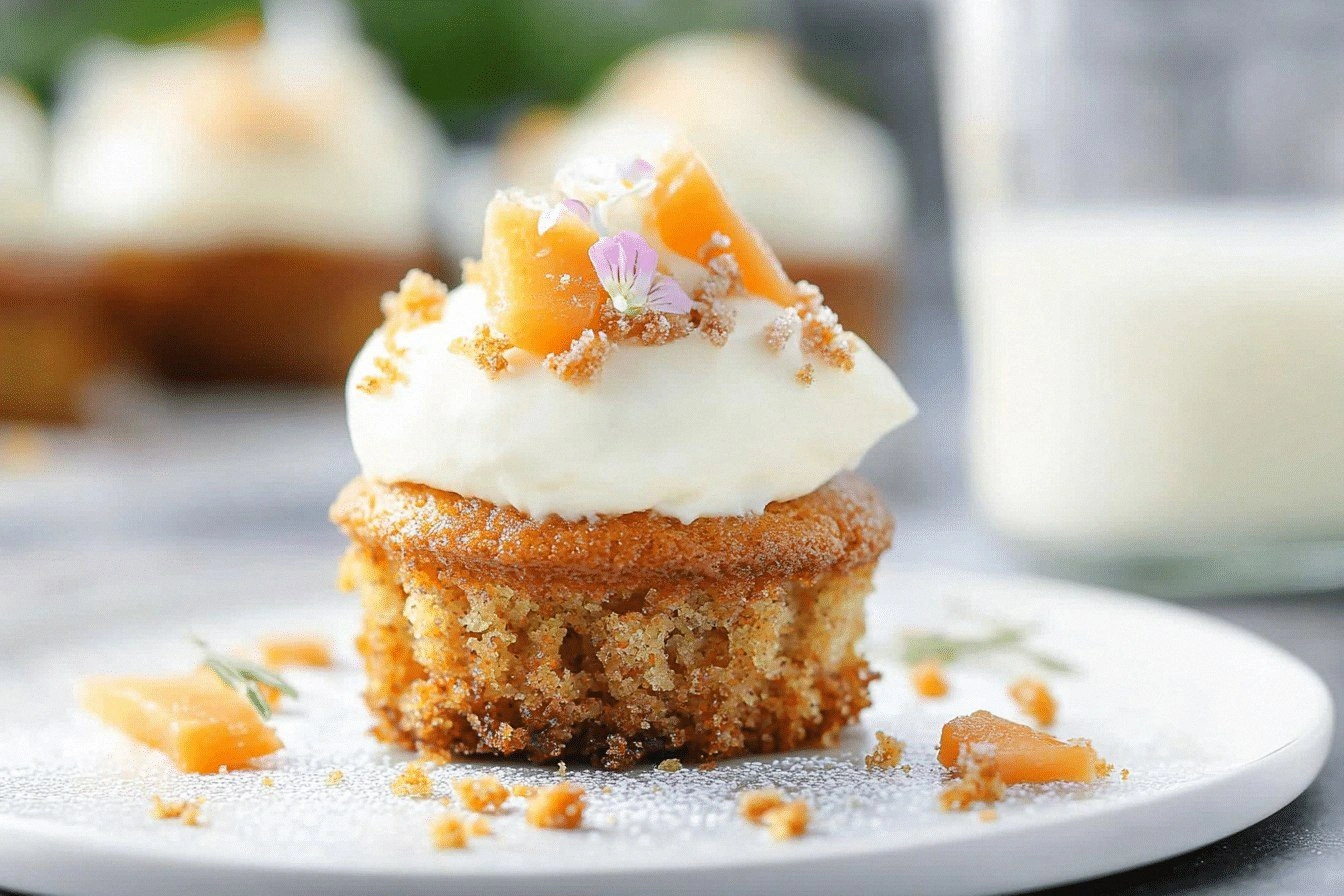
- Visual Appeal: The cupcakes have a golden crust with a slightly domed top, and the frosting is a creamy, cloud‑like swirl that’s Instagram‑ready. This visual charm draws people in before they even taste a bite. A flat or uneven surface would reduce the overall experience.
Inside the Ingredient List
The Flavor Base
The foundation of any great cupcake is a well‑balanced dry mix. All‑purpose flour provides structure, while baking powder and baking soda give lift. The combination of both leavening agents ensures a tender crumb that rises evenly. If you use only one, the cupcakes may sink or become dense. A pinch of salt sharpens the sweetness, creating a more rounded taste. For a healthier twist, swap half of the flour for whole wheat, but keep the ratio of leavening the same.
The Texture Crew
Eggs act as a binder, holding everything together while also adding richness. The vegetable oil keeps the batter silky, preventing it from drying out. Buttermilk introduces acidity that reacts with the leavening, giving a light, airy structure. If you substitute milk, the cupcakes will be firmer and less moist. A tablespoon of yogurt can replace buttermilk for a tangy twist, but be sure to whisk it until smooth.
The Unexpected Star
Grated carrots are the secret to natural sweetness and moisture. They release sugars during baking, caramelizing into a subtle glaze on the surface. If you prefer a milder carrot flavor, reduce the amount by a quarter cup. Adding raisins or dried cranberries introduces chewy texture and a burst of tartness. For a nutty crunch, include chopped walnuts or pecans, which also add healthy fats.
The Final Flourish
Vanilla extract is the unsung hero that ties all the flavors together. It adds depth and a warm aroma that complements the spices. For a citrus twist, use a teaspoon of orange extract instead of vanilla. The cream cheese frosting is the crowning glory—rich, tangy, and light. Butter, powdered sugar, and a splash of vanilla create a smooth, airy spread that balances the cake’s sweetness. If you’re watching calories, swap the butter for Greek yogurt, but be prepared for a slightly denser frosting.
Everything's prepped? Good. Let's get into the real action...
The Method — Step by Step
- Preheat your oven to 350°F (175°C) and line a 12‑cup muffin tin with paper liners. The paper liners make removal easy and add a subtle crispness to the edges. While the oven warms, gather all your ingredients so you’re not scrambling at the last minute. The batter should be at room temperature for best consistency. If the batter is too thick, add a splash of milk to thin it out. This step ensures a smooth, uniform rise.
- In a large bowl, sift together the flour, baking powder, baking soda, cinnamon, nutmeg, ginger, clove, and salt. Sifting removes clumps and evenly distributes the leavening agents, preventing uneven rise. Use a whisk to combine the spices, ensuring they’re fully incorporated. This dry mix will form the backbone of the cupcakes. A well‑mixed dry blend reduces the chance of dense pockets. Keep the bowl aside while you mix the wet ingredients.
- In another bowl, whisk the eggs, vegetable oil, buttermilk, and vanilla extract until the mixture is glossy. The glossy surface indicates that the fat and liquid are fully emulsified. This emulsion helps trap air when you fold the dry mix in, giving the cupcakes their lightness. If you’re using yogurt instead of buttermilk, whisk it until it’s smooth before adding the other liquids. This prevents lumps in the batter. The result should be a silky, even batter ready for the next step.
- Gradually fold the dry ingredients into the wet mixture, stirring gently with a spatula. The goal is to keep the batter airy; over‑mixing can cause gluten development and result in a tough crumb. When the batter is just combined, stop. The batter should be smooth but still slightly lumpy. This is where the magic happens—each fold incorporates air without overworking the dough. The texture should feel like a thick, pourable batter that holds its shape when spooned onto the pan.
- Fold in the grated carrots, raisins, and nuts, making sure they’re evenly distributed. The carrots add moisture, while the nuts and raisins provide texture and bursts of flavor. If you’re adding citrus zest, sprinkle it in now. This step is crucial for flavor distribution. Be careful not to overmix; you want the carrots to remain tender. This is the moment of truth—your cupcakes will either be a masterpiece or a disappointment.
- Spoon the batter into the lined muffin tin, filling each cup about two‑thirds full. This allows space for the cupcakes to rise without overflowing. The batter should spread slightly, forming a dome. Place the tin in the preheated oven and bake for 18–20 minutes. The cupcakes are done when a toothpick comes out clean and the tops are golden. Let them bake until the edges start pulling away from the paper, indicating a firm crust.
- Remove the cupcakes from the oven and let them cool in the tin for 5 minutes. This brief rest allows the structure to set, preventing cracks. Then transfer them to a wire rack to cool completely. Cooling is essential before frosting; otherwise, the frosting will melt. If you’re in a hurry, you can use a hand mixer to whip the frosting while the cupcakes cool. This keeps the frosting fluffy and ready to spread.
- While the cupcakes cool, prepare the frosting. Beat the cream cheese and butter until fluffy, then gradually add powdered sugar and vanilla. The frosting should be light and airy, with a smooth consistency that spreads easily. If it’s too thick, add a teaspoon of milk; if too thin, add more powdered sugar. A quick chill in the fridge for 10 minutes will firm it up for a clean finish. Spread the frosting on the cooled cupcakes, creating a cloud‑like swirl.
- Finish with a dusting of ground cinnamon or a few chopped nuts on top, if desired. The final touch adds a decorative element and an extra layer of flavor. Store the cupcakes in an airtight container at room temperature for up to 3 days. For longer storage, refrigerate them and reheat briefly before serving. These cupcakes are the perfect treat for any occasion, from birthdays to brunches.
That's it — you did it. But hold on, I've got a few more tricks that'll take this to another level...
Insider Tricks for Flawless Results
The Temperature Rule Nobody Follows
Many bakers bake at the temperature listed on the recipe, but the oven’s real temperature can be off by 25°F. Use an oven thermometer to calibrate, ensuring a consistent rise. A slightly lower temperature prevents the cupcakes from browning too quickly, keeping the interior moist. If you’re using a convection oven, reduce the temperature by 25°F and cut the baking time by 5 minutes. This trick keeps the cupcakes tender and prevents a dry crumb.
Why Your Nose Knows Best
The scent of baking is a reliable indicator of doneness. When the cupcakes start to smell like toasted sugar, they’re almost ready. A faint citrus aroma indicates the lemon zest is doing its job. Trust your nose over the timer; it will tell you when the cupcakes have achieved the perfect balance of moistness and crispness. If the scent is too sweet, they need more time; if it’s bland, they’re done.
The 5-Minute Rest That Changes Everything
Letting the cupcakes rest in the tin for 5 minutes before transferring to a rack is a game changer. This short rest allows the structure to set, preventing cracks and ensuring the frosting adheres properly. If you skip this step, the cupcakes may crumble or the frosting may slide off. The rest also lets the flavors meld, giving the cupcakes a richer taste. It’s a simple habit that pays off big time.
The Perfect Frosting Ratio
A frosting that’s too thick will melt on the cupcakes; too thin, and it won’t hold. The ideal ratio is 1 part cream cheese to 1 part butter by weight, plus powdered sugar to taste. Whip the base until fluffy before adding sugar; this prevents lumps. If you want a lighter frosting, substitute half the butter with Greek yogurt. The result is a silky, airy frosting that stays put even in warm kitchens.
The Quick Chill Trick
After whipping the frosting, place it in the fridge for 10 minutes before spreading. The chill firming the frosting makes it easier to pipe or spread with a knife, giving a neat finish. If you’re in a rush, a quick stir can also help. The chilled frosting is less likely to melt on hot cupcakes, preserving the presentation. This trick is especially useful for large batches or when serving guests on the spot.
Creative Twists and Variations
This recipe is a playground. Here are some of my favorite ways to switch things up:
Almond Delight
Replace the all‑purpose flour with almond flour for a nutty, gluten‑free version. The cupcakes become denser but still moist, with a subtle almond flavor that complements the spices. Use an equal weight of almond flour to replace the flour. This variation is ideal for those avoiding wheat and looking for a protein boost. The frosting remains the same, but a splash of almond extract can tie the flavors together.
Spiced Chocolate Swirl
Add 2 tablespoons of cocoa powder to the dry mix for a chocolatey undertone. The cocoa should be sifted to avoid lumps. Swirl a chocolate ganache into the batter before baking to create a marbled effect. This version appeals to chocolate lovers and adds a decadent twist. Pair it with a dark chocolate glaze for an extra indulgent finish.
Tropical Twist
Swap the raisins for dried mango or pineapple chunks. Add a splash of coconut milk to the batter for a subtle coconut flavor. The result is a bright, tropical cupcake that feels like a vacation. The frosting can be replaced with a coconut cream cheese mixture for a cohesive taste. This variation is perfect for summer parties or beachside gatherings.
Savory Surprise
Omit the sugar and replace it with a pinch of sea salt and a drizzle of honey. The cupcakes become a savory-sweet treat that pairs well with cheese platters. Add a pinch of smoked paprika to the spices for a subtle smokiness. The frosting can be replaced with a light herb cream cheese spread. This version is great for brunches or as an appetizer for a dinner party.
Pumpkin Spice Edition
Substitute half the carrots with pureed pumpkin for a seasonal twist. Add a dash of cinnamon and nutmeg to enhance the pumpkin flavor. The cupcakes take on a deeper orange hue and a richer taste. Keep the frosting the same for a classic pairing. This variation is ideal for fall gatherings and holiday celebrations.
Citrus Burst
Replace the vanilla with orange extract and add a tablespoon of orange zest to the batter. The bright citrus notes cut through the sweetness and add a refreshing finish. Pair the cupcakes with a lemon‑infused frosting for a double citrus punch. This version is especially refreshing during hot summer months. The cupcakes will feel light and airy with a zesty kick.
Storing and Bringing It Back to Life
Fridge Storage
Store the cupcakes in an airtight container at room temperature for up to 3 days. The cupcakes will stay moist and fresh, but the frosting may soften slightly. If you notice the frosting has melted, simply press a fresh layer on top before serving. For best results, keep the cupcakes in a cool, dry place away from direct sunlight. The container should be sealed tightly to prevent odor absorption from the fridge.
Freezer Friendly
Wrap each cupcake individually in plastic wrap, then place them in a freezer bag. Freeze for up to 2 months. When ready to serve, let them thaw at room temperature for 30 minutes. If you prefer a warm treat, reheat them in a preheated oven at 350°F for 5 minutes. The frosting may soften, but a quick chill will restore its texture. This method is perfect for large parties or when you want a ready‑to‑serve dessert.
Best Reheating Method
To revive frozen cupcakes, bake at 350°F for 5–7 minutes, or microwave on low for 20–30 seconds. The key is to add a splash of water to the bottom of the pan to create steam, which keeps the cupcakes from drying out. After reheating, let them rest for a minute before frosting to prevent the frosting from melting. If you’re in a hurry, a quick toast in a toaster oven works well. This method brings back the original moisture and flavor profile.