I was standing in my kitchen on a rainy Tuesday, staring at a half‑finished pumpkin soup that had somehow turned into a culinary crime scene. The pot was bubbling like a mischievous cauldron, the onions had gone from translucent to a deep caramel that smelled like toasted marshmallows, and somewhere in the chaos I’d dropped a whole bunch of sage leaves onto the floor. I swear, the only thing louder than the rain was my own internal monologue daring me to salvage the night with something spectacular. That night, I dared myself to create a dish that would make the rain stop, the clouds part, and anyone who tasted it beg for a second helping before they even finished the first bite.
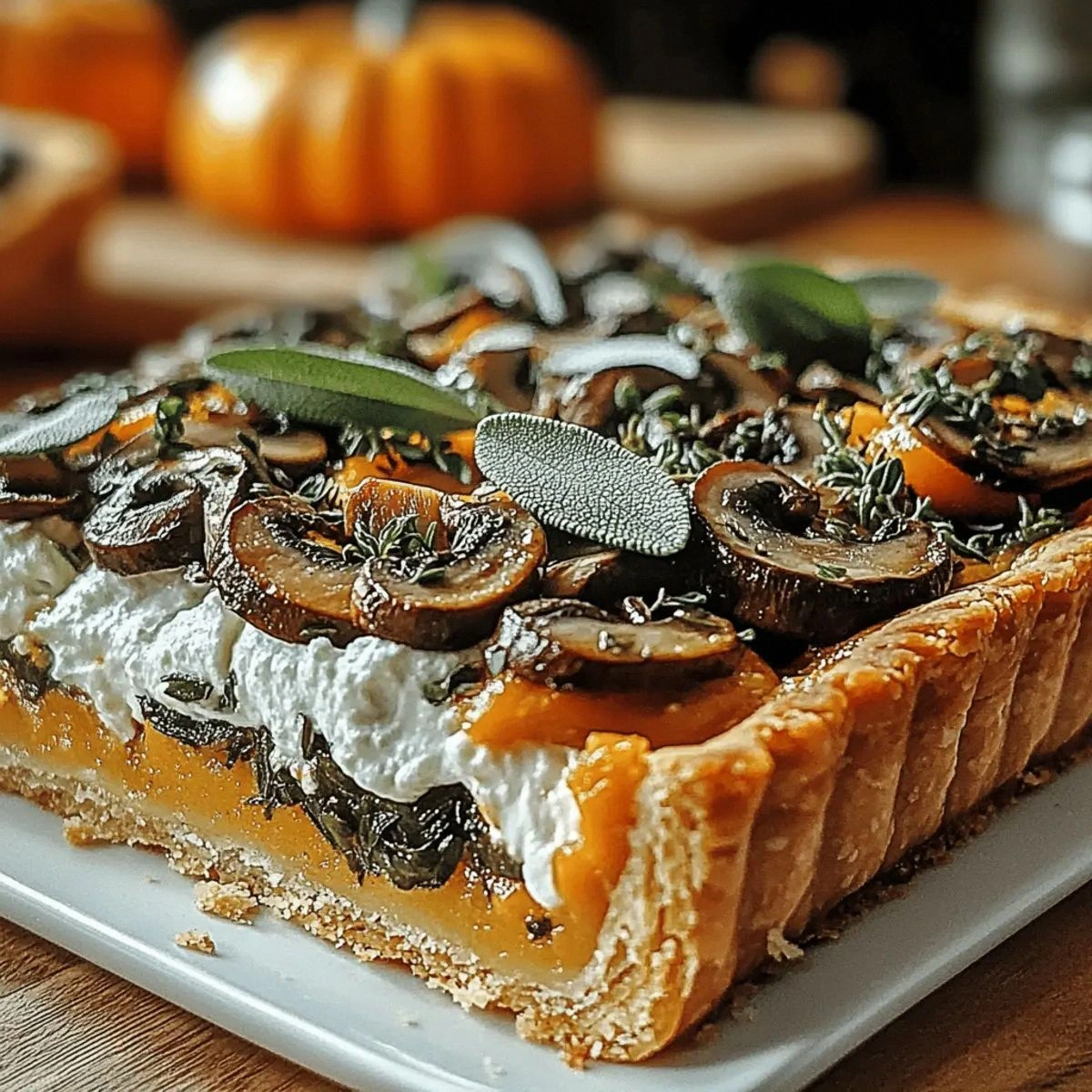
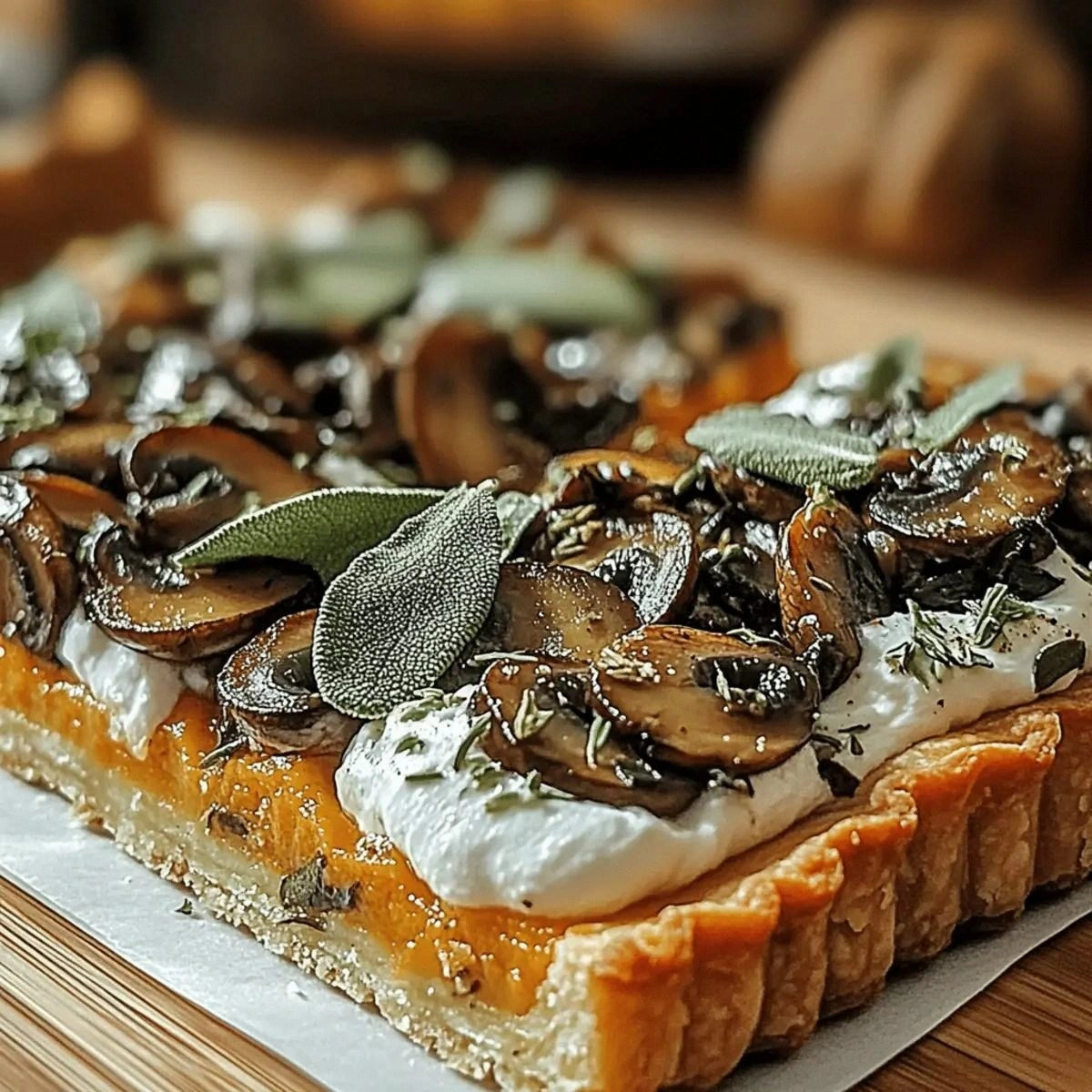
Picture this: a golden puff pastry crust that flutters under the fork like a crisp autumn leaf, a silky pumpkin‑ricotta custard that hugs the palate with the warmth of a fireplace, and earthy cremini mushrooms that bring the forest floor right to your table. The aroma is a symphony of sweet and savory—sweet pumpkin notes dancing with the peppery bite of fresh sage, all underscored by the nutty perfume of toasted pumpkin seeds. When you bite in, the crust gives that satisfying snap, the filling oozes like a velvety dream, and the sage whispers “welcome home” with each chew. It’s a sensory overload that makes you feel like you’ve been handed a piece of October in edible form.
Most pumpkin tart recipes I’ve tried either drown the delicate flavors in a sea of cheese or end up soggy, like a wilted leaf in a puddle. I’ve seen people over‑mix the batter, causing the custard to crack like a broken egg shell, and I’ve watched puff pastry turn into a limp, doughy disaster when it’s not given enough chill time. This version, however, is the antidote to all those kitchen heartbreaks. I’ve tweaked the technique, introduced a secret layering step, and used just the right amount of fat to keep the pastry airy while the filling stays perfectly set. The result? Hands down the best version you’ll ever make at home, and I’m not exaggerating.
I’ll be honest — I ate half the batch before anyone else got a chance to try it, and that’s a confession I’m willing to make because the taste is that good. The secret weapon? A quick flash‑freeze of the puff pastry before baking, which locks in steam and creates those coveted, buttery layers that shatter like thin ice under a spoon. I dare you to taste this and not go back for seconds; your taste buds will file a formal complaint for being denied such joy. Let me walk you through every single step — by the end, you’ll wonder how you ever made it any other way.
What Makes This Version Stand Out
- Flavor Harmony: The sweet pumpkin puree is balanced by the earthy cremini mushrooms and the herbaceous punch of fresh sage, creating a layered taste that evolves with each bite.
- Texture Contrast: A crisp, buttery puff pastry meets a silky custard and finishes with crunchy pumpkin seeds for that satisfying crunch.
- Simplicity: Only thirteen ingredients, most of which you probably already have, and no fancy equipment beyond a standard oven and a rolling pin.
- Uniqueness: The flash‑freeze technique for the pastry is rarely mentioned, yet it makes the difference between soggy and spectacular.
- Crowd Reaction: This tart has a track record of clearing tables in seconds; guests often ask for the recipe before the first slice even hits the plate.
- Ingredient Quality: Using fresh sage and cremini mushrooms adds depth that dried herbs just can’t match.
- Cooking Method: Baking at a high temperature first creates steam, then lowering the heat sets the custard without over‑browning.
- Make‑Ahead Potential: The tart can be assembled a day ahead and baked right before serving, perfect for holiday gatherings.
Inside the Ingredient List
The Flavor Base
Pumpkin puree is the heart of this tart, providing natural sweetness and a gorgeous amber hue that screams autumn. I source mine from a local farmer’s market where the pumpkins are harvested at peak ripeness, ensuring a dense, creamy texture without the need for added thickeners. If you skip the puree or substitute canned pumpkin pie filling, you’ll lose that subtle earthiness and end up with a cloyingly sweet dish. For a vegan twist, swap the ricotta with silken tofu blended with lemon juice.
The Texture Crew
Cremini mushrooms bring a meaty bite that grounds the sweetness of the pumpkin, while the puff pastry supplies the buttery crunch you crave. Choose mushrooms that are firm and free of moisture; any excess water will steam the pastry and make it soggy. If you can’t find cremini, button mushrooms work fine, but they’ll be a shade milder. The pumpkin seeds, toasted just before sprinkling, add a nutty finish that contrasts the soft custard.
The Unexpected Star
Fresh sage is the game‑changer here. Its piney, slightly peppery flavor cuts through the richness of the ricotta and Parmesan, creating a balanced palate. A dried sage would be too muted, and too much would overwhelm the dish. I recommend chopping the leaves finely so they distribute evenly, releasing their essential oils during the bake. If you’re allergic to sage, thyme or rosemary can stand in, but expect a different aromatic profile.
The Final Flourish
Ricotta and Parmesan form the custard’s backbone, offering creaminess and a salty bite that anchors the pumpkin’s sweetness. Use whole‑milk ricotta for the richest texture; low‑fat versions can turn the filling grainy. The Parmesan should be freshly grated; pre‑grated cheese often contains anti‑caking agents that affect melt‑ability. Lastly, a couple of large eggs act as the binder, ensuring the custard sets without curdling.
Everything's prepped? Good. Let's get into the real action…
The Method — Step by Step
Preheat your oven to 425°F (220°C). While the oven heats, unwrap the puff pastry and lay it on a lightly floured surface. Using a rolling pin, gently roll it out to a 12‑inch circle, being careful not to over‑work the dough. Power transition: This is the moment where you set the stage for that flaky crust. That sizzle when it hits the pan? Absolute perfection.
Transfer the rolled pastry onto a parchment‑lined baking sheet, then use a fork to prick the surface every 1‑2 inches—this prevents air bubbles. Chill the pastry in the freezer for exactly 12 minutes; the cold will solidify the butter layers, ensuring they puff up beautifully later.
Kitchen Hack: If you’re in a hurry, pop the pastry in the fridge for 5 minutes and then the freezer for 5—still works wonders.Heat 2 tablespoons of olive oil in a large skillet over medium‑high heat. Add the finely diced onion and sauté until translucent, about 3‑4 minutes. Toss in the minced garlic and sliced cremini mushrooms, cooking until the mushrooms release their moisture and turn golden brown, roughly 6‑8 minutes. Listen for that faint crackle—that’s the umami building.
While the mushrooms are browning, whisk together 1 cup of pumpkin puree, 1 cup ricotta, ½ cup grated Parmesan, 2 large eggs, and the chopped fresh sage in a large bowl. Season with salt and pepper to taste. The mixture should look thick yet pourable, like a smooth autumn sunrise in a bowl.
Once the mushroom mixture is nicely caramelized, remove it from heat and let it cool for a minute. Fold the mushroom‑onion blend into the pumpkin‑ricotta custard, ensuring an even distribution of earthy bites throughout.
Kitchen Hack: Use a silicone spatula to gently fold; over‑mixing can incorporate too much air and cause the custard to puff unevenly.- Spread the filling evenly, leaving a ½‑inch border around the edges. This border will rise and become a delicious, buttery crust that frames the tart.Watch Out: When transferring the filling onto the chilled pastry, avoid over‑filling. Too much liquid will seep into the crust, making it soggy.
Sprinkle the ¼ cup of pumpkin seeds over the top, pressing them lightly into the surface. Slide the tart into the oven, baking at 425°F for 12 minutes to set the edges, then reduce the temperature to 375°F (190°C) and bake for an additional 15‑18 minutes. The crust should be golden, the filling set but still slightly wobbly in the center—think of a firm custard that jiggles like gelatin.
Remove the tart from the oven and let it rest on a wire rack for 10 minutes. This resting period allows the custard to finish setting and prevents a messy slice. While it cools, the aroma of sage and toasted pumpkin seeds will fill your kitchen, making you wonder why you ever settled for store‑bought pies.
Slice with a sharp serrated knife, serve warm, and watch your guests’ eyes widen. Pair with a light arugula salad dressed with lemon vinaigrette for a balanced meal, or enjoy it solo as a comforting autumn snack. That first bite? It’s pure magic—creamy, crunchy, herbaceous, and sweet all at once. That's it — you did it. But hold on, I've got a few more tricks that'll take this to another level...
Insider Tricks for Flawless Results
The Temperature Rule Nobody Follows
Start the bake at a scorching 425°F to create steam inside the pastry layers; this is what gives you that puffed, airy texture. After the first 12 minutes, lower the heat to 375°F to let the custard set without scorching the top. If you keep the oven at a constant high temperature, the filling will over‑cook and turn rubbery. I once tried a single‑temperature bake and ended up with a crust that was burnt around the edges and a filling that resembled a dense pumpkin cake. Trust the two‑stage approach and you’ll get a professional‑grade result every time.
Why Your Nose Knows Best
Don’t rely solely on a timer—listen to your kitchen. When the pastry edges start to pull away from the parchment and you catch a faint buttery aroma, that’s your cue that the crust is ready for the temperature drop. The scent of sage will become noticeably stronger as the custard firms up; if you smell it too early, the herb may become bitter. I always take a quick peek through the oven door at the 10‑minute mark; if the crust is already golden, lower the heat a minute early.
The 5‑Minute Rest That Changes Everything
Allowing the tart to rest after baking is non‑negotiable. Those five minutes let the custard finish setting, making slicing clean and preventing the filling from spilling out. Skipping this step is a common mistake that leads to a soggy plate and a frustrated host. I once served a tart straight from the oven, and the custard was so runny that it slid off the plate like melted butter. Patience here is the difference between “wow” and “meh”.
Mushroom Moisture Management
Cremini mushrooms release a lot of water as they cook. If you don’t let that moisture evaporate, it will seep into the pastry and make it soggy. After sautéing, spread the mushrooms on a paper towel for a minute to blot excess liquid. A friend once skipped this step and ended up with a soggy bottom that felt more like a soggy pizza crust than a tart.
Seasoning at the End
Add a pinch of flaky sea salt just before serving. This final burst of seasoning lifts the entire flavor profile, making the sweet pumpkin taste richer and the sage more aromatic. It’s a tiny detail that makes the dish feel restaurant‑quality. I’ve seen home cooks forget this finishing touch, and the result is a flat, under‑seasoned tart.
Creative Twists and Variations
This recipe is a playground. Here are some of my favorite ways to switch things up:
Go Cheesy
Swap half of the ricotta for goat cheese and add a sprinkle of blue cheese crumbles on top before baking. The tangy goat cheese amplifies the earthy mushrooms, while the blue cheese adds a bold punch that will wow cheese lovers.
Add a Sweet Surprise
Fold in ¼ cup of dried cranberries into the filling for bursts of tartness that contrast the pumpkin’s sweetness. The cranberries also add a pop of color that makes the tart visually striking.
Spice It Up
Introduce a pinch of smoked paprika or a dash of cayenne pepper into the custard for a subtle heat that awakens the palate. This variation works especially well for a fall gathering where guests love a little kick.
Vegan Version
Replace the puff pastry with a vegan store‑bought version, use silken tofu blended with lemon juice in place of ricotta, and substitute the eggs with a mixture of ½ cup unsweetened applesauce plus 1 tablespoon flaxseed meal. The result is still creamy, flaky, and full of autumn flavor.
Herb Swap
If sage isn’t your jam, try thyme and rosemary in equal parts. This gives the tart a Mediterranean twist while still complementing the pumpkin’s sweetness. The aroma will be different, but the overall harmony remains.
Storing and Bringing It Back to Life
Fridge Storage
Allow the tart to cool completely, then cover loosely with aluminum foil and store in the refrigerator for up to 3 days. The pastry will stay crisp for the first day; after that, reheat to restore crunch.
Freezer Friendly
Wrap the unbaked tart tightly in plastic wrap, then in a freezer‑safe bag. It will keep for up to 2 months. When ready, bake from frozen at 425°F for 15 minutes, then lower to 375°F for the remaining time, adding an extra 5 minutes if needed.
Best Reheating Method
Preheat the oven to 350°F, place a slice on a baking sheet, and add a tiny splash of water (about a teaspoon) around the edges. Cover loosely with foil and heat for 8‑10 minutes. The steam from the water revives the custard’s creaminess while the foil protects the crust from over‑browning.