I was standing in my kitchen at 7 a.m., half‑asleep, when the smoke alarm decided to join the morning chorus. The culprit? A half‑cooked pancake that had decided to turn into charcoal. In the chaos I grabbed the only thing that felt safe: a bag of sliced ham, a block of cheese, and a loaf of stale bread that was begging for redemption. The result? A Monte Cristo breakfast casserole that turned a disaster into a triumph, and I’m still hearing the echo of that alarm every time I think about it.
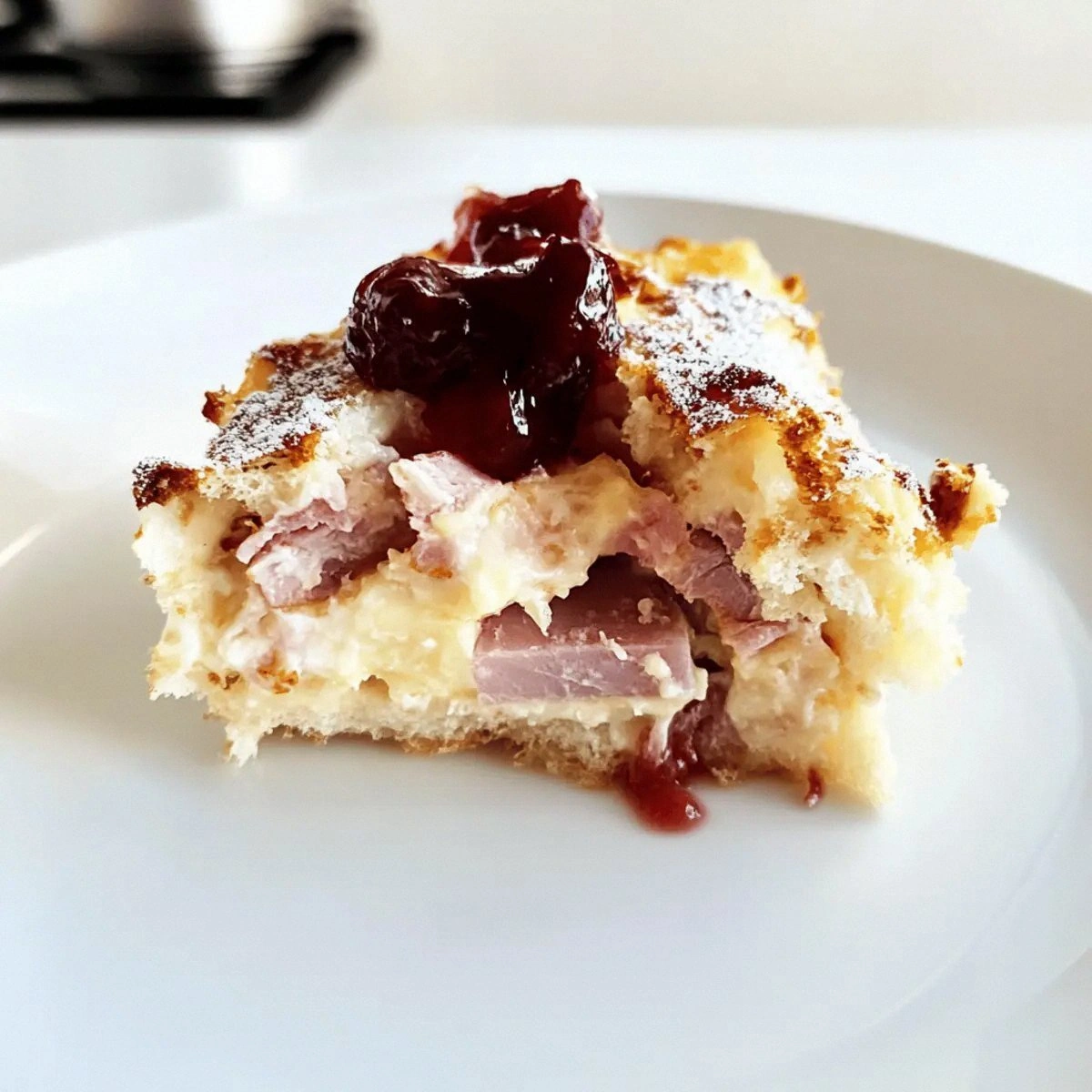
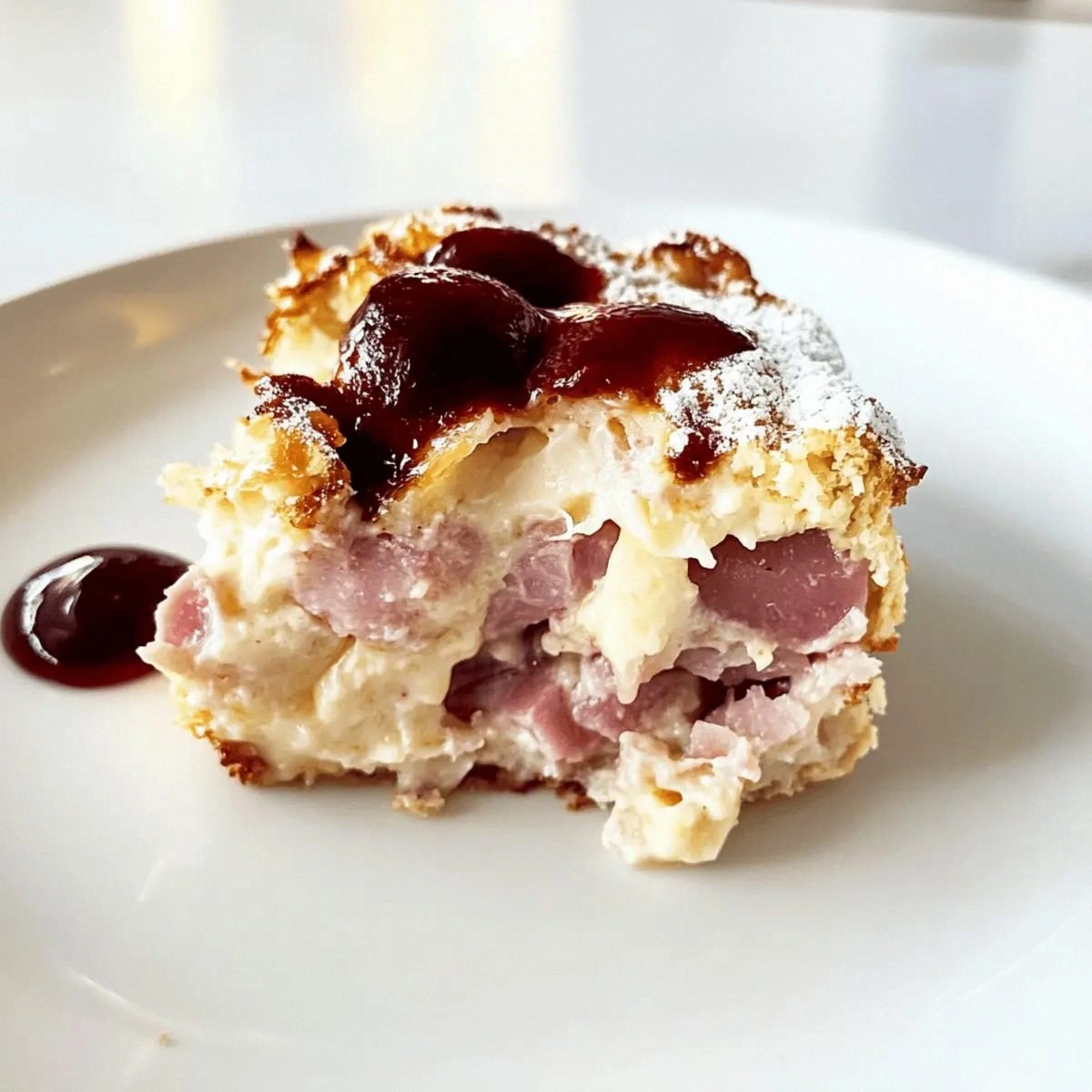
Picture this: the oven door swings open, a golden‑brown crown of bread rising like a sunrise over a sea of melted cheese. The scent of Dijon mustard mingles with sweet raspberry preserves, creating a perfume that could coax even the most stubborn night owl out of bed. The first bite delivers a crunch that shatters like thin ice, followed by a custardy interior that feels like velvet hugging your palate. You’ll hear the faint sigh of contentment from the casserole itself as it settles into its pan, a quiet applause for the work you just did.
Most Monte Cristo casseroles out there treat the dish like a simple egg‑bread bake, but they miss the magic of the sweet‑savory tango that makes the classic sandwich legendary. I’ve taken that concept and amplified it with a few secret weapons: a mustard‑raspberry glaze that seeps into every crevice, and a careful layering technique that guarantees each bite has the perfect balance of crunch, chew, and melt. I dare you to taste this and not go back for seconds—because you’ll be fighting an uphill battle against your own cravings.
You might wonder why I’m so confident. I’ll be honest — I ate half the batch before anyone else got to try it, and the only thing that stopped me was the promise of leftovers for the next two days. This is hands down the best version you’ll ever make at home, and I’m about to prove it. Let me walk you through every single step — by the end, you’ll wonder how you ever made it any other way.
What Makes This Version Stand Out
- Flavor Explosion: The Dijon‑raspberry glaze adds a tangy‑sweet punch that makes each bite sing like a choir of brunch‑time angels.
- Texture Symphony: Crispy bread edges give way to a custardy, egg‑rich center, creating a contrast that feels like biting into a cloud wrapped in toast.
- Simplicity Meets Sophistication: Only six ingredients, yet the technique feels gourmet enough to impress even the most discerning palate.
- Ingredient Quality: Using thick‑cut bread, high‑quality ham, and a good cheddar ensures every component shines without competing.
- Crowd‑Pleaser: Whether it’s a lazy Sunday or a brunch‑with‑friends, this casserole disappears faster than fresh coffee.
- Make‑Ahead Magic: Assemble the night before, pop it in the morning, and you’ve got a hands‑free breakfast that still feels fresh‑baked.
- Versatile Base: The recipe tolerates swaps—turkey for ham, gouda for cheddar—without losing its core identity.
- Visual Wow Factor: The golden crust, the pink swirl of raspberry, and the bubbling cheese create a picture‑perfect centerpiece.
Inside the Ingredient List
The Flavor Base
The heart of this casserole is the Dijon mustard mixed with raspberry preserves. The mustard brings a sharp, peppery bite that cuts through the richness of the cheese, while the raspberry adds a subtle fruitiness that brightens the dish like a sunrise. Skipping this combo would leave the casserole flat, like a song without a chorus. If you’re allergic to mustard, a splash of whole‑grain mustard or a teaspoon of horseradish can provide a similar zing.
When selecting Dijon, look for a brand that lists real mustard seeds and a hint of white wine—these ingredients give depth. Avoid the cheap, overly salty versions that can dominate the palate. A quick tip: stir the glaze with a whisk until it becomes glossy; this signals that the oil and vinegar have emulsified perfectly.
The Texture Crew
Eight slices of sturdy, thick‑cut bread form the structural backbone. Their density holds the custard without turning soggy, and the crust turns wonderfully crunchy when baked. If you use sandwich‑thin bread, you’ll end up with a soggy pancake‑like disaster—trust me, I’ve been there. Opt for a country loaf or a brioche if you want a richer flavor; just remember to slice it about ¾‑inch thick.
Six large eggs are the binding agent, creating a custard that sets like a delicate soufflé. The eggs should be at room temperature; cold eggs can cause the custard to curdle, ruining the silky texture. Beat them just until the whites and yolks are fully combined—over‑whipping introduces too much air, which leads to a spongy top instead of a smooth finish.
The Unexpected Star
One cup of ham adds a savory, smoky backbone that anchors the sweet‑savory dance. Choose a ham that’s not overly cured; a honey‑glazed or smoked ham works best because it brings a natural sweetness that echoes the raspberry. If you’re vegetarian, substitute with smoked tempeh or a plant‑based deli slice—just make sure it’s well‑drained to avoid excess moisture.
One cup of cheese—preferably a sharp cheddar or Gruyère—melts into a glossy blanket that pulls the whole casserole together. The cheese should be grated or shredded, not pre‑shredded, because the anti‑caking agents in bagged cheese can prevent that perfect melt. A blend of cheddar and mozzarella gives both flavor and stretch, but keep the total volume at one cup for balance.
The Final Flourish
A quarter‑cup of raspberry preserves isn’t just for sweetness; it provides acidity that cuts through the richness of the cheese and ham, keeping each bite from feeling heavy. Choose a preserve with real fruit pieces for texture, or a smooth jam if you prefer a uniform swirl. The preserves also caramelize slightly during baking, creating those gorgeous amber spots you’ll see when you slice into the casserole.
Finally, a pinch of salt and a grind of black pepper enhance every component without stealing the spotlight. Taste the glaze before you pour it over the bread—if it feels too sweet, add a dash more mustard; if it’s too sharp, a tiny drizzle of honey will smooth it out.
Everything's prepped? Good. Let’s get into the real action…

The Method — Step by Step
Preheat your oven to 375°F (190°C). While the oven warms, line a 9‑x‑13‑inch baking dish with parchment paper; this prevents sticking and makes cleanup a breeze. The moment the oven reaches temperature, you’ll hear that subtle hum that tells you the kitchen is ready for magic.
In a large mixing bowl, whisk together the six large eggs, the Dijon mustard, and the raspberry preserves until the mixture is smooth and slightly frothy. The color should be a rosy amber, and the scent will already hint at the sweet‑savory dance to come. This is the moment of truth—if the glaze looks clumpy, whisk a bit longer; you want a uniform custard.
Slice the bread into 1‑inch cubes and spread them evenly across the bottom of the prepared dish. Drizzle a thin layer of the mustard‑raspberry custard over the bread, making sure every piece gets a coating.
Kitchen Hack: Toss the bread cubes with a tablespoon of melted butter before layering; this guarantees an extra‑crunchy crust.Scatter the cup of diced ham evenly over the bread. The ham should be in bite‑size pieces so it melds seamlessly into each forkful. Follow with the shredded cheese, sprinkling it liberally; you’ll see it start to melt even before the oven’s heat reaches the casserole.
Pour the remaining custard over the entire dish, allowing it to seep into every nook and cranny. Here’s where the “Watch Out” box comes in—if you pour too quickly, the liquid can pool at the bottom, making the bottom soggy.
Watch Out: Do not overfill the dish; the custard should just barely cover the bread. Too much liquid will result in a soupy center that never sets.Season with a pinch of salt and freshly cracked black pepper. Then, gently tap the dish on the counter three times to release any trapped air bubbles—this ensures an even bake and prevents pockets of uncooked egg.
Slide the dish into the oven and bake for 25‑30 minutes, or until the top is golden brown and the edges start pulling away from the sides of the pan. Around the 20‑minute mark, you’ll notice a sweet aroma wafting through the kitchen; that’s your cue that the flavors are marrying perfectly.
For the final flourish, switch the oven to broil for the last 2 minutes. Keep the oven door slightly ajar and watch the crust turn a deep amber—this is pure magic. Once the top is bubbling and slightly charred, pull it out and let it rest for five minutes; this rest lets the custard set and makes slicing cleaner.
Kitchen Hack: Use a serrated knife dipped in hot water to cut clean slices; the heat prevents the knife from sticking to the cheesy crust.
That’s it — you did it. But hold on, I’ve got a few more tricks that’ll take this to another level…
Insider Tricks for Flawless Results
The Temperature Rule Nobody Follows
Never bake a custard‑based dish at a temperature higher than 375°F. Higher heat will cause the eggs to coagulate too quickly, creating a rubbery texture. By keeping the oven moderate, you allow the custard to set gently, resulting in that melt‑in‑your‑mouth softness. I once cranked the oven to 425°F to “speed things up”—the casserole turned into a dense, overcooked brick. Trust the low‑and‑slow approach, and you’ll thank yourself when the edges are crisp but the interior stays silky.
Why Your Nose Knows Best
Your sense of smell is the ultimate doneness gauge. When the top starts to smell nutty and the raspberry notes become caramelized, you’re within two minutes of perfection. If you’re unsure, open the oven and take a quick sniff; if the aroma is still raw or “egg‑like,” give it another minute. This sensory checkpoint beats any timer, especially when ovens vary by a few degrees.
The 5‑Minute Rest That Changes Everything
After you pull the casserole from the oven, let it sit for exactly five minutes before cutting. This short rest lets the custard finish setting and prevents the slices from sliding off the plate like a waterfall. I once served it immediately, and the center was still wobbling—an embarrassing sight for any host. The rest period also allows the raspberry glaze to thicken slightly, giving each bite a glossy finish.
The Secret of Even Soaking
If you want every bread cube to be uniformly soaked, give the assembled dish a gentle press with the back of a spatula before it goes into the oven. This compresses the layers, ensuring the custard penetrates deeper. Skipping this step leaves pockets of dry bread that feel out of place in an otherwise creamy bite.
Cool‑Down Trick for Leftovers
When reheating leftovers, add a splash of water (about a tablespoon per serving) before microwaving or baking. The steam generated revives the custard’s silkiness and prevents the casserole from drying out. I’ve seen people reheat without this trick and end up with a rubbery mess—don’t let that be you.
Creative Twists and Variations
This recipe is a playground. Here are some of my favorite ways to switch things up:
Maple‑Bacon Bliss
Swap the ham for crisp bacon strips and replace the raspberry preserves with a drizzle of pure maple syrup. The smoky bacon pairs beautifully with the sweet maple, turning the casserole into a breakfast‑for‑dinner showstopper that will win over even the most skeptical meat‑lovers.
Green Goddess
Add a handful of fresh spinach and substitute the cheddar with a tangy goat cheese. The spinach wilts into the custard, adding a subtle earthiness, while the goat cheese contributes a creamy tang that brightens the dish. This version is perfect for a lighter, spring‑time brunch.
Spicy Southwest
Incorporate diced jalapeños and use pepper jack cheese instead of cheddar. Add a spoonful of chipotle adobo sauce to the mustard‑raspberry blend for a smoky heat that cuts through the richness. Serve with a side of avocado crema for a Mexican‑inspired twist.
Sweet‑Nutty Delight
Mix in chopped toasted almonds and swap the ham for thinly sliced prosciutto. The nuts add a satisfying crunch, while the prosciutto brings a salty, umami depth. Finish with a light dusting of powdered sugar for a sweet‑savory balance that feels almost dessert‑like.
Vegan Victory
Replace the eggs with a tofu‑silken blend (silken tofu + a splash of plant milk + a pinch of turmeric for color). Use plant‑based ham slices and dairy‑free cheese, and keep the mustard‑raspberry glaze as is. The result is a cruelty‑free casserole that still delivers on texture and flavor.
Storing and Bringing It Back to Life
Fridge Storage
Let the casserole cool completely, then cover tightly with foil or transfer to an airtight container. It will keep fresh for up to four days. When you’re ready to eat, reheat a slice in a pre‑heated 350°F oven for 12‑15 minutes, or microwave for 1‑2 minutes, adding that splash of water to revive the custard.
Freezer Friendly
Portion the baked casserole into individual servings, wrap each tightly in plastic wrap, then place in a freezer‑safe bag. It freezes beautifully for up to three months. To serve, thaw overnight in the fridge, then bake at 375°F for 20‑25 minutes, again adding a tablespoon of water per serving to maintain moisture.
Best Reheating Method
For the crispiest top, reheat in a conventional oven rather than a microwave. Place the slice on a baking sheet, cover loosely with foil for the first 8 minutes to prevent over‑browning, then remove the foil and broil for the last minute. The result is a reheated slice that feels just as fresh‑baked as the original.