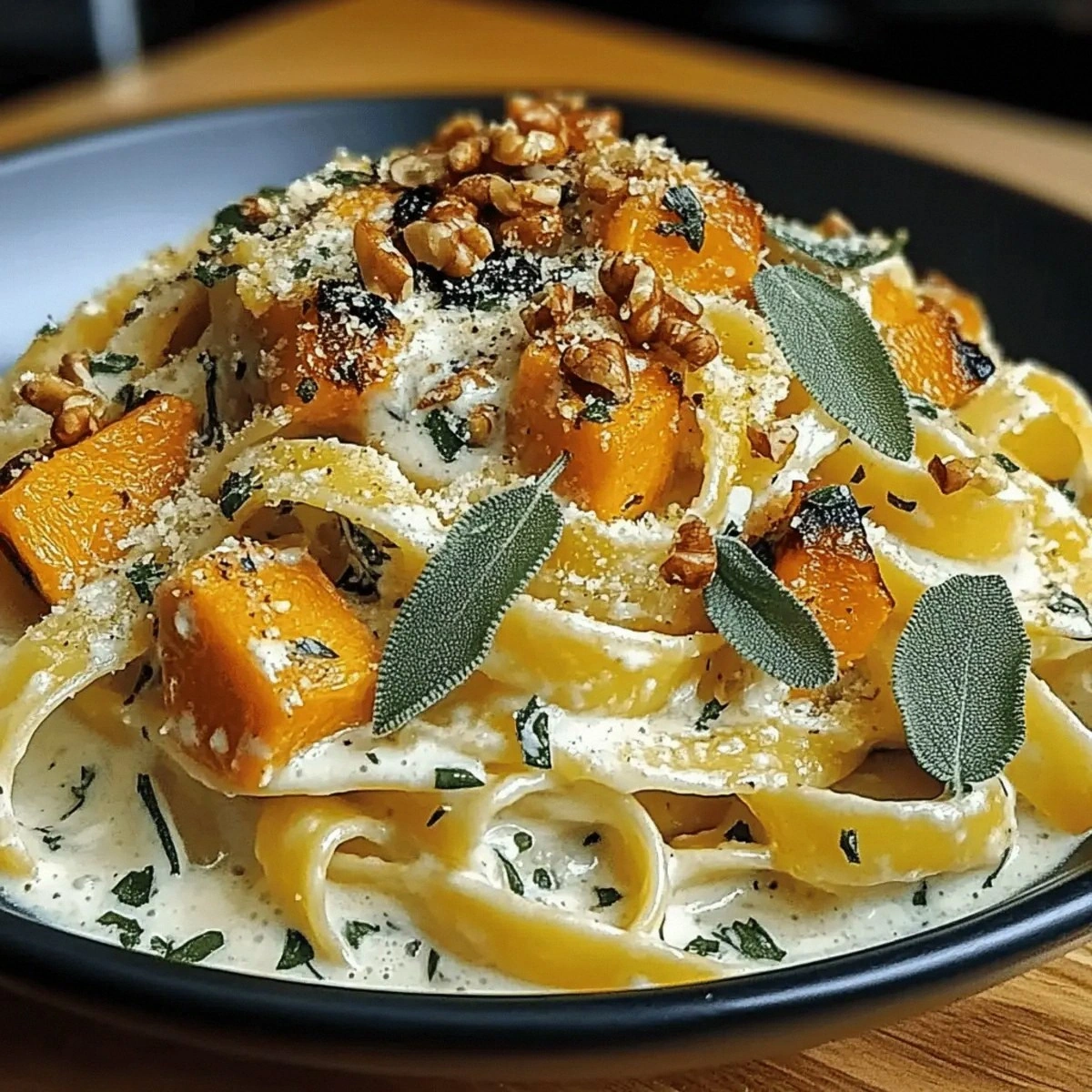
Picture this: it’s a crisp Saturday afternoon, the kind where the wind whistles through the trees and the scent of fallen leaves sneaks into the kitchen. I was halfway through a marathon of Netflix binges when my stomach started growling louder than the opening credits of a thriller. I threw open the pantry, stared at a lonely butternut squash, a handful of sage, and a box of pasta, and thought, “Why not turn this into a culinary masterpiece?” That moment of reckless inspiration birthed the ultimate comfort dish that has since become my go‑to for every chilly evening.
The kitchen quickly turned into a symphony of sounds – the thump of the chopping board, the sizzle of olive oil hitting a hot pan, and the soft rustle of sage leaves as they fluttered into the skillet. The air filled with a sweet, nutty aroma that reminded me of pumpkin spice lattes without the pretentiousness, while the buttery creaminess of the sauce promised a velvety hug for each noodle. As the butternut squash caramelized, its edges turned a deep amber, releasing a perfume that made my mouth water before the first bite even arrived.
What makes this version stand out? Most recipes either drown the squash in a watery broth or over‑complicate the sauce with too many steps. I’ve stripped it down to the essentials, letting each component shine like a soloist in an orchestra. The secret? A splash of coconut milk that adds a subtle tropical whisper, and a handful of toasted walnuts that bring a crunch that shatters like thin ice on a winter pond. I dare you to taste this and not go back for seconds – it’s that good.
But wait, there’s a twist you won’t see coming: I fold in a second batch of fresh sage at the very end, creating a bright, herbal finish that lifts the whole dish. This isn’t just a recipe; it’s a story you’ll tell your friends while they stare enviously at your plate. Let me walk you through every single step — by the end, you’ll wonder how you ever made it any other way.
What Makes This Version Stand Out
- Depth of Flavor: The caramelized butternut squash provides a sweet, earthy backbone that pairs perfectly with the peppery bite of fresh sage.
- Creamy Texture: Heavy cream (or coconut milk) creates a sauce that coats the pasta like velvet, ensuring every bite feels luxurious.
- Crunch Factor: Toasted walnuts add a surprise crunch that contrasts the silkiness of the sauce, keeping the palate engaged.
- Simplicity: With just a handful of ingredients and a straightforward technique, this dish is accessible even for kitchen newbies.
- Visual Appeal: The orange hue of the squash against the green sage leaves makes the plate look Instagram‑ready without any extra garnish.
- Versatility: Swap pasta shapes, replace dairy with plant‑based alternatives, or add protein – the base holds up beautifully.
- Make‑Ahead Friendly: The sauce can be prepared ahead of time; just reheat and toss with freshly cooked pasta for a quick dinner.
- Crowd Reaction: I’ve heard “Is this pasta? No, it’s a hug in a bowl!” from every guest – a testament to its universal appeal.
Inside the Ingredient List
The Flavor Base
Olive Oil (2 Tbsp): This is your conduit for flavor transfer; it carries the aromatics into the pan without burning. If you skip it, the onion and garlic will stick, and you’ll lose that golden foundation. For a nuttier profile, try using toasted walnut oil – it echoes the walnut garnish later on.
Onion (1 medium): The onion adds a subtle sweetness once it softens and turns translucent. Choose a sweet yellow onion for the best balance; a red onion would introduce a sharper bite that could clash with the squash. If you’re missing one, a shallot works in a pinch, though you’ll need to halve the amount.
Garlic (2 cloves): Garlic brings that unmistakable depth that makes the sauce feel robust. Crush it first to release more allicin, then let it sauté just until fragrant – overcooking turns it bitter. For a milder flavor, roast the garlic along with the squash; the caramelized cloves will melt into the sauce.
The Texture Crew
Butternut Squash (1 medium): This is the star, providing natural sweetness and a buttery mouthfeel when pureed. Look for a squash that feels heavy for its size and has a firm rind – that indicates ripeness. If you pick one that’s too young, the flesh will be watery and won’t caramelize properly.
Toasted Walnuts (½ cup): Walnuts bring a nutty crunch and a hint of bitterness that balances the sweet squash. Toast them on a dry skillet for 3‑4 minutes until they’re fragrant; watch closely, they can go from perfect to burnt in seconds. If you’re allergic, substitute with toasted pumpkin seeds for a similar texture.
The Unexpected Star
Heavy Cream or Coconut Milk (1 cup): The cream creates that luxurious mouthfeel, while coconut milk adds a whisper of tropical sweetness without overpowering. Use full‑fat dairy for the richest sauce, but if you’re dairy‑free, the coconut version works just as well. Remember, the fat is what carries the sage flavor throughout the dish.
Parmesan Cheese (½ cup): Parmesan adds umami and a salty bite that pulls the flavors together. Grate it fresh; pre‑grated cheese contains anti‑caking agents that can affect texture. For a vegan twist, use nutritional yeast – it mimics the cheesy note without dairy.
The Final Flourish
Fresh Sage (12 leaves total – 6 early, 6 later): Sage is the aromatic hero, its piney notes cutting through the sweetness of the squash. Add half early to infuse the oil, and the remaining half at the end for a bright, herbaceous finish. If you can’t find fresh sage, dried works in a pinch – use one‑third the amount.
Red Pepper Flakes (¼ tsp): A pinch of heat awakens the palate and prevents the dish from feeling one‑dimensional. Adjust to taste; if you like it fiery, double it. For a smoky twist, replace with smoked paprika.
Salt and Pepper (to taste): These basic seasonings are the true flavor enhancers. Season in layers – a pinch while sautéing, a dash after adding the broth, and a final sprinkle before serving. Undersalting is the most common mistake; trust your taste buds.
Everything's prepped? Good. Let's get into the real action…
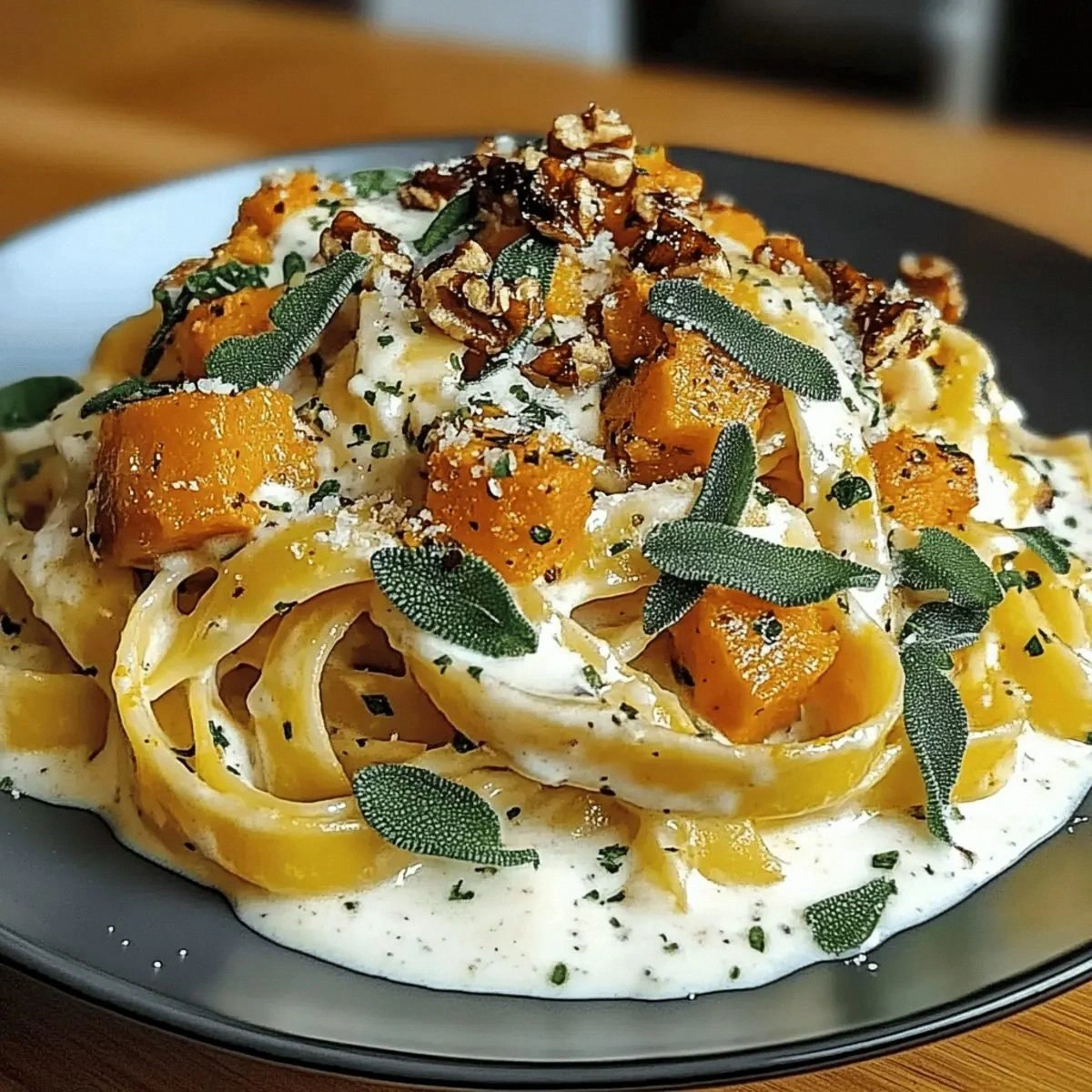
The Method — Step by Step
Start by preheating your oven to 400°F (200°C). While the oven warms, peel the butternut squash, cut it in half, scoop out the seeds, and slice it into ½‑inch cubes. Toss the cubes with 1 Tbsp of olive oil, a pinch of salt, and a drizzle of maple syrup if you’re feeling fancy. Spread them on a parchment‑lined sheet and roast for 25‑30 minutes, turning once, until the edges are caramelized and the interior is fork‑tender. That sizzle when it hits the pan? Absolute perfection.
While the squash roasts, bring a large pot of salted water to a boil. Add the pasta (8 oz) and cook according to package directions until al dente – usually 9‑11 minutes. Reserve 1 cup of the pasta water, then drain the noodles and set aside. This starchy water will later help bind the sauce to the pasta.
Heat the remaining 1 Tbsp of olive oil in a deep skillet over medium heat. Add the diced onion and sauté for 4‑5 minutes until translucent, stirring occasionally so it doesn’t brown too quickly.
Kitchen Hack: If you’re short on time, grate the onion instead of dicing – it cooks faster and distributes flavor more evenly.Add the minced garlic and the first 6 sage leaves to the skillet. Cook for another 30 seconds, just until the garlic becomes fragrant. Be vigilant here:
Watch Out: Garlic burns in seconds; if you see it turning brown, lower the heat immediately.Stir in the red pepper flakes, then pour in the vegetable broth (1 cup). Bring the mixture to a gentle simmer, allowing the broth to reduce by about one‑third – this concentrates the flavor and adds a subtle sweetness from the roasted squash. As the broth bubbles, you’ll hear a faint “whoosh” that signals it’s ready for the next step.
Now, add the heavy cream (or coconut milk) and the roasted squash cubes to the skillet. Reduce the heat to low and let the sauce thicken for 4‑5 minutes, stirring occasionally. The sauce should coat the back of a spoon and have a glossy sheen – that’s the visual cue that the cream has emulsified perfectly.
Fold in the grated Parmesan cheese and toasted walnuts, allowing the cheese to melt into the sauce. If the sauce looks too thick, splash in a little of the reserved pasta water, a tablespoon at a time, until you reach a silky consistency. Finally, toss the cooked pasta into the sauce, ensuring every strand is lovingly coated.
Finish with the remaining 6 fresh sage leaves, either chiffonaded or left whole for a burst of aroma. Season with salt and pepper to taste, give everything one last gentle toss, and let the dish rest for two minutes so the flavors meld.
Kitchen Hack: For an extra glossy finish, drizzle a tiny drizzle of high‑quality extra‑virgin olive oil right before serving.
That's it — you did it. But hold on, I've got a few more tricks that'll take this to another level…
Insider Tricks for Flawless Results
The Temperature Rule Nobody Follows
Never cook the sauce on high heat; a gentle simmer lets the cream thicken without curdling. I once cranked the stove to “max” and ended up with a broken sauce that looked like a cheese‑sauce disaster. Keep the heat low, and you’ll get that silky texture every time. Pro tip: use a heavy‑bottomed pan to distribute heat evenly.
Why Your Nose Knows Best
When the onions turn translucent, you’ll smell a sweet, almost caramel note – that’s your cue to add the garlic. If you rely solely on a timer, you might miss that aromatic window and end up with bland flavor. Trust your nose; it’s the most reliable kitchen thermometer.
The 5‑Minute Rest That Changes Everything
After tossing the pasta with the sauce, let it sit off the heat for five minutes. This rest allows the starches to absorb the sauce, making each bite richer. I used to serve it immediately and got complaints about “dry” pasta – the rest solved that issue instantly.
Walnut Toasting Secrets
Toast walnuts in a dry skillet over medium heat, shaking the pan every 30 seconds. You’ll hear a gentle crackle and smell a nutty perfume; that’s when they’re perfect. Over‑toasted walnuts become bitter, which can overwhelm the delicate sage.
Balancing Sweet and Savory
The natural sweetness of the squash can sometimes dominate. A splash of white wine vinegar (about ½ tsp) right after adding the broth restores balance, adding a subtle tang that brightens the dish. I’ve seen chefs skip this step and end up with a sauce that feels one‑dimensional.
Creative Twists and Variations
This recipe is a playground. Here are some of my favorite ways to switch things up:
Smoky Bacon & Sage
Swap the walnuts for crisped bacon bits and add a smoked paprika sprinkle. The smoky depth complements the sweet squash, turning the dish into a hearty fall feast.
Vegan Delight
Replace the heavy cream with coconut cream, use nutritional yeast instead of Parmesan, and keep the walnuts. The result is a fully plant‑based version that still feels indulgent.
Spicy Kick
Increase the red pepper flakes to ½ tsp and stir in a spoonful of harissa paste. This adds a Mediterranean heat that balances the sweetness beautifully.
Herb Medley
Introduce a handful of fresh thyme and rosemary alongside the sage for a more complex herb profile. The earthy tones deepen the autumn vibe.
Cheesy Overload
Mix in a blend of mozzarella and gouda with the Parmesan for a gooey, stretchy texture that kids love. Just be mindful of the extra salt from the cheeses.
Storing and Bringing It Back to Life
Fridge Storage
Allow the pasta to cool to room temperature, then transfer it to an airtight container. It keeps fresh for up to 3 days. When reheating, add a splash of water or broth and gently warm on the stovetop, stirring constantly.
Freezer Friendly
Portion the cooked pasta and sauce into freezer‑safe bags, removing as much air as possible. Freeze for up to 2 months. Thaw overnight in the fridge, then reheat in a skillet with a drizzle of olive oil.
Best Reheating Method
The secret to reviving this dish is steam. Place the leftovers in a pan, add 2‑3 Tbsp of water, cover, and heat on low for 5‑7 minutes. The steam re‑hydrates the pasta, and the sauce regains its silky sheen.