I was standing in my kitchen, the kind of kitchen where the countertops have seen more spills than a clumsy toddler’s art project, when a dare from my roommate hit me like a splash of hot sauce. “Make a soup that can turn a skeptic into a believer,” she said, eyes glinting with the kind of mischief that only a midnight snack craving can inspire. I laughed, grabbed a can of black beans, a bag of lentils, and set the stage for what would become the most talked‑about bowl of comfort I’ve ever created. The first whiff of cumin hitting the pan was a promise, a whisper that something extraordinary was about to unfold.
Picture this: the kitchen humming with the low murmur of a simmering pot, the wooden spoon clinking against the stainless steel like a tiny percussion instrument. The aroma—earthy beans, smoky paprika, and a hint of citrus—starts to weave itself into the very air, making the curtains sway as if they, too, wanted a taste. The broth turns a deep, inviting amber, the kind that looks like liquid sunrise after a night of stormy clouds. I could almost hear the beans gossiping with the lentils, swapping stories of distant fields and sun‑kissed soil, while the carrots and celery add a sweet crunch that’s as satisfying as that first bite of a perfectly toasted baguette.
Most recipes out there treat black bean and lentil soup like a background character—just another entry in a crowded pantry list. They miss the point, which is that this dish can be a star, a showstopper that makes you forget about the main course entirely. I’ve tried a dozen versions that either left the beans mushy, the lentils gritty, or the broth as thin as a whisper. This version, however, balances the creamy richness of lentils with the hearty bite of black beans, all while the spices dance on the palate like a well‑choreographed flash mob. The secret? A splash of lime juice at the very end that brightens everything like a sunrise after a long night.
I dare you to taste this and not go back for seconds. I’ll be honest — I ate half the batch before anyone else got to try it, and that’s a confession worth making because it proves how addictive this soup truly is. Okay, ready for the game‑changer? The technique that makes the difference is a quick toast of the aromatics in olive oil before any liquid ever sees the pot, which locks in flavor like a vault. Let me walk you through every single step — by the end, you’ll wonder how you ever made it any other way.
What Makes This Version Stand Out
- Flavor Explosion: The combination of smoked paprika, cumin, and a finishing splash of lime creates a layered taste that evolves with each spoonful, turning a simple soup into a culinary adventure.
- Texture Harmony: Black beans stay firm while lentils become buttery, giving you a satisfying bite and a velvety mouthfeel all at once.
- Simplicity Meets Sophistication: Only ten core ingredients, yet each one is treated with respect, making the process feel like a masterclass without the intimidation.
- Unique Ingredient Twist: A dash of lime juice added at the end lifts the earthiness, a trick most recipes overlook.
- Crowd‑Pleaser: Whether you’re feeding a family of vegans, meat‑eaters, or picky toddlers, this soup wins applause every single time.
- Ingredient Quality: Using dried beans and lentils (instead of canned) gives you control over texture and reduces sodium dramatically.
- One‑Pot Wonder: Minimal cleanup, maximum flavor—perfect for busy weeknights or lazy weekends.
- Make‑Ahead Magic: The flavors deepen after a night in the fridge, meaning today’s leftovers taste even better tomorrow.
Inside the Ingredient List
The Flavor Base
Onion and garlic are the foundation, providing a sweet, aromatic canvas that the spices can paint on. I always dice the onion finely so it melts into the broth, turning the liquid a glossy caramel color that hints at the depth to come. If you skip the garlic, you’ll lose that unmistakable pungent bite that balances the earthiness of the beans. A quick tip: crush the garlic cloves with the flat side of a knife before mincing; this releases more allicin, giving you a punchier flavor.
Cumin and smoked paprika are the dynamic duo that bring warmth and a subtle smokiness, reminiscent of a backyard grill on a breezy evening. Cumin’s earthy notes anchor the soup, while smoked paprika adds that lingering whisper of char without any actual fire. If you’re out of smoked paprika, a pinch of chipotle powder can substitute, though it adds heat that you may need to balance with a bit more lime.
The Texture Crew
Black beans bring a firm, meaty bite that stands up to the lentils’ silky creaminess. Using dried beans and soaking them overnight (or using the quick‑soak method) ensures they cook evenly and retain their shape. Skipping the soak can lead to uneven cooking and a gritty texture that ruins the whole experience.
Lentils, especially the brown or green varieties, dissolve partially, thickening the broth while still offering a pleasant bite. Red lentils would turn the soup into a puree, which some people love, but for this recipe we want that contrast. If you’re allergic to lentils, try split peas—they’ll give a similar creamy body without the legume flavor clash.
The Unexpected Star
A splash of fresh lime juice added at the very end is the secret weapon. The acidity cuts through the richness, brightening every spoonful like a spotlight on a stage. Without it, the soup can feel heavy after the first few bites. If you don’t have lime, a tablespoon of apple cider vinegar works in a pinch, though the citrusy aroma will be missed.
Fresh cilantro, added just before serving, adds a herbaceous pop that lifts the whole bowl. It’s not just garnish; it’s a flavor layer that complements the lime and balances the earthiness. If cilantro isn’t your thing, flat‑leaf parsley provides a milder, grassy note.
The Final Flourish
A drizzle of high‑quality extra‑virgin olive oil right before serving adds a silky finish that coats the soup like velvet. It also helps the flavors meld together in the final seconds of cooking. If you’re watching calories, a teaspoon will do, but the richness is worth the indulgence.
Salt and pepper, to taste, are the final seasoning adjustments. I always taste the soup after the lime juice, because the acidity can mute salt perception. A pinch of sea salt and a grind of fresh black pepper at the end ensures the flavors are perfectly balanced.
Everything's prepped? Good. Let’s get into the real action…
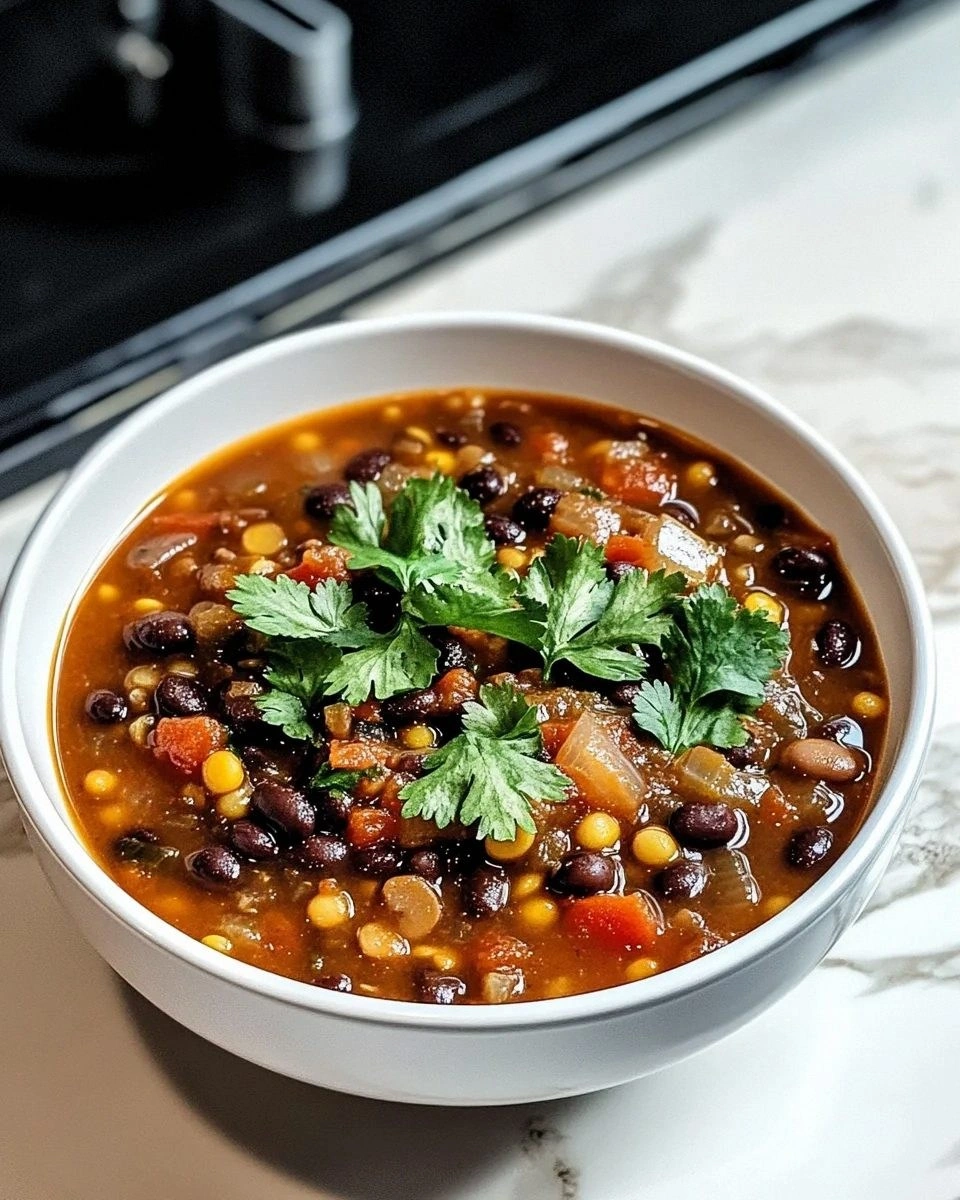
The Method — Step by Step
Start by heating two tablespoons of olive oil in a large, heavy‑bottomed pot over medium heat. As the oil shimmers, add the diced onion and let it soften for about five minutes, stirring occasionally until it becomes translucent and just starts to caramelize. The scent should be sweet, like a promise of something comforting on the horizon. Add the minced garlic and cook for another 30 seconds—watch it turn golden, not brown, because burnt garlic adds bitterness.
Kitchen Hack: If you’re short on time, use a food processor to mince onion and garlic together; this speeds up the prep without sacrificing flavor.Now, sprinkle in one teaspoon each of ground cumin and smoked paprika, letting the spices toast in the oil for about 45 seconds. You’ll hear a faint sizzling, and the kitchen will fill with a smoky, earthy perfume that tells you you’re on the right track. Stir constantly to prevent the spices from sticking to the bottom—this is the moment of truth for flavor development.
Add the rinsed black beans and lentils, followed by the chopped carrots and celery. Toss everything together so the vegetables coat with the spiced oil, creating a glossy sheen. At this point, the pot looks like a colorful mosaic, each piece ready to absorb the broth’s future richness.
Pour in four cups of low‑sodium vegetable broth, scraping the bottom of the pot to release any browned bits—those are flavor gold. Drop in a bay leaf for subtle herbal depth. Increase the heat to bring the mixture to a gentle boil, then lower to a simmer. You’ll notice the surface start to bubble lightly, a sign that the heat is just right.
Cover the pot partially and let the soup simmer for about 25‑30 minutes, or until the beans are tender and the lentils have softened to a creamy consistency. Stir occasionally to prevent sticking, and keep an eye on the liquid level; if it looks too thick, add a splash of water or extra broth. The aroma at this stage is intoxicating, a blend of earth, smoke, and a whisper of citrus that’s still waiting to be released.
Kitchen Hack: For an ultra‑smooth texture, use an immersion blender to puree half the soup directly in the pot, then stir back in the remaining chunky bits.Watch Out: If you notice the soup starting to stick to the bottom after 20 minutes, it’s a sign the heat is too high. Lower the flame and add a splash of water; this prevents a burnt layer that would give a bitter aftertaste. The broth should be glossy, not scalded.
Once the beans are perfectly tender, remove the bay leaf and stir in the juice of one fresh lime. The lime’s acidity will instantly brighten the broth, making the flavors pop like fireworks on a summer night. Taste and adjust salt and pepper as needed—remember, the lime will mute some of the salt, so you may need a little more.
Turn off the heat and let the soup rest for five minutes; this short pause allows the flavors to marry fully. While it rests, finely chop a handful of cilantro and set it aside for garnish. The rest period is the secret behind the soup’s depth, letting the aromatics settle without the agitation of continuous simmering.
Serve the soup hot, drizzling each bowl with a teaspoon of olive oil and sprinkling the fresh cilantro on top. Pair with crusty bread or a simple side salad, and watch as your guests dive in, eyes widening at the first spoonful. That moment when the soup hits the tongue and you hear the collective “Mmm” is pure culinary triumph. And now the fun part—store leftovers or freeze for later, because this soup only gets better with time.
That's it — you did it. But hold on, I've got a few more tricks that'll take this to another level...
Insider Tricks for Flawless Results
The Temperature Rule Nobody Follows
Never, ever blast your soup on high heat from start to finish. Starting low and building up allows the beans and lentils to absorb flavors gradually, preventing the outer layers from cooking too fast and becoming mushy. I once tried a “quick boil” shortcut and ended up with a soupy mess that tasted like boiled beans with no personality. The secret is to keep the simmer gentle—just a few bubbles dancing on the surface—so the broth stays clear and the beans stay intact.
Why Your Nose Knows Best
Your sense of smell is a more reliable indicator of doneness than a timer. When the soup starts to release a deep, earthy aroma with a hint of citrus, you know the beans have softened and the spices have fully integrated. If you smell a faint “raw” cumin scent, give it another minute or two. Trusting your nose saves you from overcooking, which can turn lentils mushy and beans crumbly.
The 5‑Minute Rest That Changes Everything
Allowing the soup to sit off the heat for five minutes before serving lets the flavors meld, much like letting a good wine breathe. During this brief rest, the lime juice continues to work its magic, brightening the broth without overpowering it. I once skipped this step in a rush, and the final taste was flat—like a song missing its chorus.
Seasoning in Layers
Add a pinch of salt at each stage—first with the onions, then after the beans have softened, and finally after the lime juice. This layered approach prevents a bland final product and ensures every bite is perfectly seasoned. If you wait until the end, the soup can taste under‑seasoned because the beans absorb a lot of the salt early on.
The “Finish Line” Drizzle
A final drizzle of high‑quality olive oil right before serving adds a glossy sheen and a subtle fruitiness that lifts the entire bowl. It’s like adding a silk scarf to an outfit—an elegant finishing touch that turns good into unforgettable. Skip it, and you’ll miss that luxurious mouthfeel that makes this soup feel restaurant‑worthy.
Creative Twists and Variations
This recipe is a playground. Here are some of my favorite ways to switch things up:
Spicy Chipotle Kick
Swap the smoked paprika for chipotle powder and add a minced jalapeño with the onions. The heat will mingle with the lime, creating a smoky‑spicy balance that’s perfect for cooler evenings. Serve with a dollop of avocado crema to tame the fire.
Creamy Coconut Curry
Stir in a cup of coconut milk and a tablespoon of red curry paste after the beans are tender. The coconut adds richness, while the curry paste introduces aromatic complexity. Garnish with toasted coconut flakes for an exotic twist.
Hearty Veggie Boost
Add diced sweet potatoes, kale, and a handful of frozen peas during the simmer. The sweet potatoes bring natural sweetness that balances the earthiness, while kale adds a pop of green and extra nutrients. This version feels like a full meal in a bowl.
Smoky Bacon & Cheddar
For non‑vegans, crisp up some smoked bacon and crumble it on top, then sprinkle sharp cheddar cheese just before serving. The smoky pork and melty cheese create a comfort‑food overload that’s perfect for a weekend brunch.
Mediterranean Olive & Tomato
Add a cup of diced fire‑roasted tomatoes and a handful of sliced Kalamata olives during the simmer. The tomatoes add acidity, while the olives contribute briny depth, turning the soup into a Mediterranean-inspired delight.
Storing and Bringing It Back to Life
Fridge Storage
Transfer the cooled soup to an airtight container and store it in the refrigerator for up to four days. The flavors will deepen, making each reheated bowl richer than the original. When reheating, add a splash of water or broth to loosen the consistency.
Freezer Friendly
Portion the soup into freezer‑safe bags or containers, leaving a little headroom for expansion. It freezes beautifully for up to three months. To thaw, move it to the fridge overnight, then reheat gently on the stove, stirring occasionally.
Best Reheating Method
Reheat on the stovetop over low heat, stirring often, and add a tablespoon of water or broth per cup of soup to restore the original silky texture. Avoid microwave reheating if possible, as it can cause uneven heating and a rubbery bean texture.