Picture this: a sizzling skillet on a Friday night, the scent of garlic dancing with the faint perfume of basil, and the anticipation of a dish that feels like a hug in a bowl. I was halfway through a culinary experiment when the timer dinged and I realized I’d forgotten the secret ingredient that turns a simple chicken and pesto combo into a creamy, indulgent masterpiece. My friend dared me to create the ultimate version, and after a few kitchen mishaps—one chicken breast that turned out too dry, another that overcooked—I finally cracked the code. The result? A velvety sauce that clings to tender chicken, a splash of brightness from lemon, and a hint of heat that lingers just enough to keep your taste buds dancing.
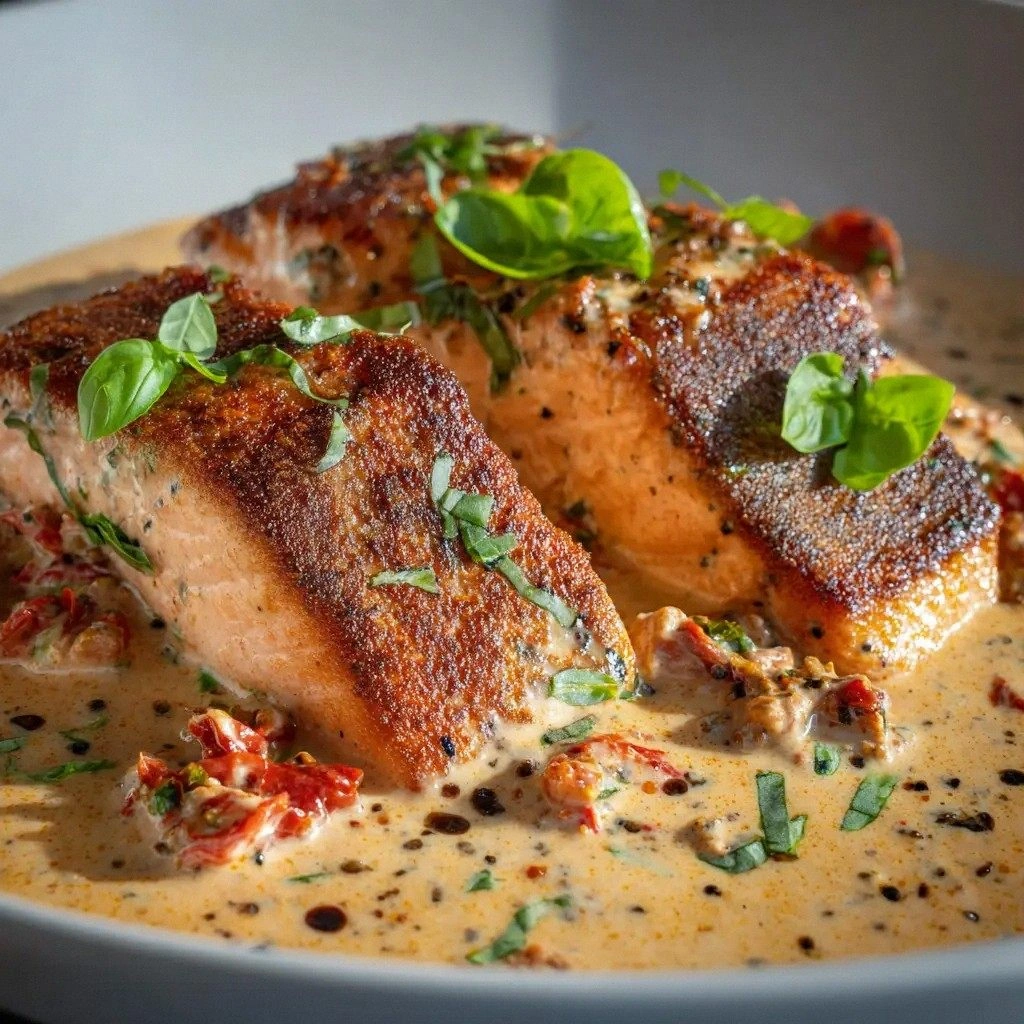
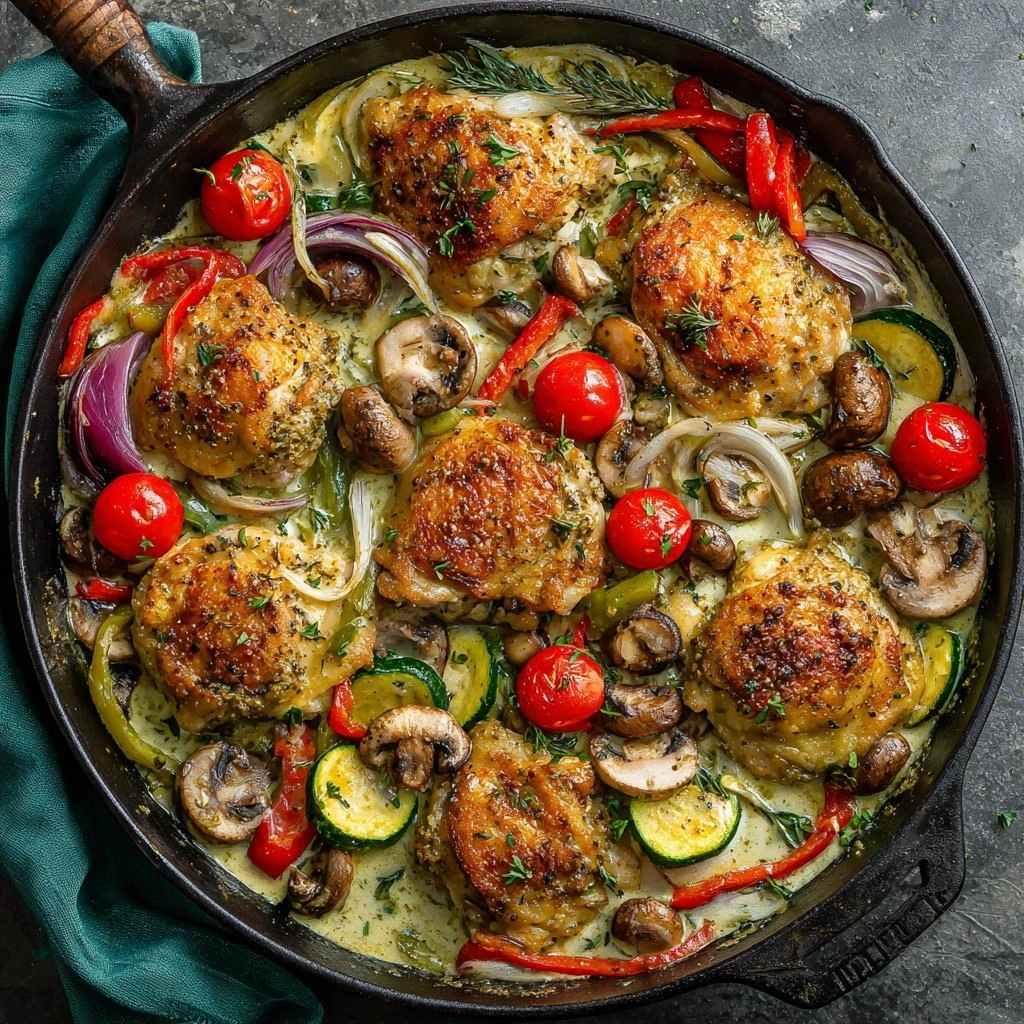
I’m talking about a dish that feels like a Mediterranean vacation on a weekday, where every bite is a burst of green, cream, and savory. The first thing you notice is the aroma: a warm, garlicky perfume that makes you forget you’re in the middle of a busy kitchen. The texture is a harmonious blend of crispy edges on the chicken, a silky sauce that coats the meat like velvet, and a gentle pop of cherry tomatoes that burst with juice. If you close your eyes, you can almost hear the pan’s gentle hiss and the soft pop of tomatoes as they caramelize. And when you taste it, the pesto’s herbal depth meets the richness of cream, leaving a lingering finish that makes you reach for more.
What sets this version apart from the countless pesto chicken recipes out there is the deliberate layering of flavors and the methodical approach to cooking the chicken just right. I’ve spent countless evenings tweaking the ratios of pesto to cream, experimenting with different cuts of chicken, and even adding a splash of lemon to cut through the richness. The result is a dish that doesn’t just taste good—it feels like a well-balanced orchestra where every instrument plays its part. I dare you to taste this and not go back for seconds; the second bite will be an encore that leaves you craving the first.
And if you’re wondering about the “secret sauce” that makes this so unforgettable, it’s the combination of a high-quality basil pesto, a touch of grated Parmesan, and a whisper of lemon juice that brightens the whole plate. The technique of searing the chicken to lock in juices before adding the cream and pesto is what turns a simple skillet dish into a showstopper. Picture yourself pulling this out of the pan, the whole kitchen smelling incredible, and the family or friends gathering around, eyes wide with anticipation. That’s the kind of culinary moment I’ve been chasing, and I’m finally sharing it with you. Let me walk you through every single step—by the end, you’ll wonder how you ever made it any other way.
What Makes This Version Stand Out
- Flavor Depth: The pesto’s blend of fresh basil, pine nuts, garlic, and Parmesan creates a complex base that’s both herbaceous and nutty, providing layers of taste that evolve with each bite.
- Crispy Texture: The seared chicken develops a golden crust that offers a satisfying crunch, while the interior remains moist and tender, creating a delightful contrast.
- Rich Creaminess: Heavy cream turns the sauce into a silky, luxurious coating that doesn’t overwhelm the pesto but instead amplifies its brightness.
- Balanced Brightness: A splash of lemon juice lifts the dish, cutting through the richness and adding a refreshing zing that keeps the palate engaged.
- Time Efficiency: The entire meal cooks in under 45 minutes, making it perfect for busy weeknights without compromising on flavor.
- Versatile Pairings: Serve it over pasta, rice, or even a bed of sautéed spinach—each option offers a different experience while keeping the core flavor intact.
- Family Friendly: The dish is approachable for kids and adults alike, with mild seasoning that can be adjusted to suit any palate.
- Make‑Ahead Potential: The sauce retains its texture when reheated, making it ideal for meal prepping or a quick dinner the next day.
Inside the Ingredient List
The Flavor Base
The heart of this dish is the basil pesto—fresh, vibrant, and packed with umami. The pesto’s pine nut component adds a subtle earthiness that balances the bright green notes, while the Parmesan brings a savory depth that lingers on the tongue. Skipping the pesto would strip the dish of its signature aroma, turning it into a generic creamy chicken. If you’re allergic to nuts, a simple blend of basil, garlic, olive oil, and a sprinkle of nutritional yeast can serve as a suitable alternative, though it will taste slightly different.
The Texture Crew
The chicken breasts provide the main protein and a firm bite that contrasts with the silky sauce. Searing them first locks in moisture, ensuring that the meat stays juicy even after the sauce coats it. Heavy cream is the texture enhancer; it thickens the sauce while giving it a luxurious mouthfeel. If you prefer a lower-fat option, you can swap the heavy cream for half-and-half or a light cream, but the sauce will be less rich. A pinch of salt and freshly cracked black pepper is essential to elevate all the flavors.
The Unexpected Star
Cherry tomatoes add a burst of sweetness and acidity that cuts through the richness of the cream. Their small size ensures they release juice quickly, creating a subtle glaze that clings to the chicken. If you’re in a pinch or prefer a different flavor profile, sun‑dried tomatoes can be used; they bring a chewy texture and a concentrated tomato taste that pairs beautifully with pesto.
The Final Flourish
A squeeze of lemon juice is the finishing touch that brightens the entire dish, adding a zesty brightness that keeps the palate from feeling weighed down. Fresh basil leaves sprinkled on top provide a pop of color and an additional layer of aromatic freshness. A sprinkle of grated Parmesan at the end adds a salty crunch that contrasts nicely with the creamy sauce. Together, these final touches elevate the dish from simple to spectacular.
Everything's prepped? Good. Let's get into the real action and watch the magic unfold.
The Method — Step by Step
- Begin by patting the chicken breasts dry with paper towels; moisture is the enemy of a good sear. Season both sides generously with salt and pepper, making sure the seasoning sticks. Heat a large skillet over medium-high heat and add two tablespoons of olive oil, swirling to coat the surface. When the oil shimmers and a tiny droplet of water sizzles, slide the chicken into the pan. This first sear should take about 3–4 minutes per side, until a golden crust forms and the internal color turns pink.
- Once the chicken has a beautiful crust, remove it from the skillet and set it aside on a plate. In the same pan, reduce the heat to medium and add minced garlic; let it sauté until fragrant, about 30 seconds. Be careful not to let it burn—burnt garlic tastes bitter and ruins the sauce. Add the cherry tomatoes and cook until they begin to blister and release their juices, which should take around 2 minutes. This step builds a flavorful base for the sauce.
- Stir in the heavy cream, whisking to combine with the garlic and tomatoes. As the cream warms, it should start to thicken slightly, creating a silky canvas for the pesto. Add the basil pesto, stirring until fully incorporated; the sauce should be glossy and slightly thicker than a standard tomato sauce. Taste for seasoning, adjusting salt if necessary. The sauce should smell toasty, with hints of basil and garlic dancing together.
- Return the seared chicken breasts to the skillet, nestling them into the creamy sauce. Spoon some sauce over the top of each breast to ensure even coverage. Reduce the heat to low and let everything simmer for about 5 minutes, allowing the chicken to finish cooking and the flavors to meld. The internal temperature of the chicken should reach 165°F (74°C) for safe consumption.
- Just before the final minute, add a splash of lemon juice and sprinkle fresh basil leaves over the top. The acidity of the lemon brightens the dish, cutting through the richness of the cream. The basil adds a fresh aroma that lifts the entire plate. Stir gently to distribute the lemon evenly. This is the moment of truth—watch the sauce cling to the chicken like velvet.
- Once the chicken is cooked through, remove the skillet from heat and let it rest for a minute. This allows the juices to redistribute, ensuring each bite remains moist. Serve immediately, spooning the rich sauce over each breast. Garnish with a final sprinkle of grated Parmesan and a few fresh basil leaves for color. The plate should look as inviting as it tastes, with a glossy sheen that glistens under the kitchen lights.
- If you prefer a heartier version, toss in a cup of cooked pasta or rice before serving. The pasta will absorb the sauce, becoming a creamy, pesto-infused comfort dish. Alternatively, serve the chicken over a bed of sautéed spinach for a lower-carb option. Either way, the sauce will cling beautifully, delivering the same luscious experience.
That's it—you did it. But hold on, I've got a few more tricks that'll take this to another level.
Insider Tricks for Flawless Results
The Temperature Rule Nobody Follows
Many cooks overcook the chicken by leaving it on high heat for too long. I’ve learned that a quick sear followed by a low-simmer ensures the meat stays juicy. Use a thermometer to check that the internal temperature hits 165°F (74°C) before removing from the pan. This simple check saves you from dry, overcooked chicken and guarantees a tender bite every time.
Why Your Nose Knows Best
The aroma of the sauce is a reliable indicator of doneness. When the pesto and cream combine, they should emit a warm, nutty fragrance that’s unmistakably basil. If the smell feels too raw or too burnt, adjust the heat immediately. Trust your nose—it’s a seasoned chef’s secret weapon.
The 5-Minute Rest That Changes Everything
Letting the chicken rest for five minutes after cooking allows the juices to redistribute. This simple pause prevents the meat from drying out when you cut into it. It also gives the sauce a chance to thicken slightly, creating a more cohesive coating that clings to each piece.
Freshness Over Convenience
While pre-made pesto is convenient, fresh basil leaves and a homemade pesto will elevate the dish. The fresh herbs provide a brighter, cleaner flavor that pre-made versions sometimes lack. Even a few extra basil leaves on top add a pop of color and a fresh bite that completes the experience.
The Creamy Balance
Adding too much cream can make the sauce cloying. I recommend using just enough to coat the chicken and create a silky texture. If you’re looking for a lighter version, replace half the cream with Greek yogurt for a tangy twist.
The Secret to a Thick Sauce
If you prefer a thicker sauce, sprinkle a tablespoon of flour or cornstarch into the pan before adding the cream. Stir constantly to avoid lumps, and let it simmer for a minute to activate the thickening agent. This trick transforms a runny sauce into a luxurious, clingy coating.
Creative Twists and Variations
This recipe is a playground. Here are some of my favorite ways to switch things up:
Mediterranean Twist
Swap the heavy cream for Greek yogurt and add Kalamata olives for a briny kick. The yogurt gives a tangy depth while the olives add a chewy texture that complements the chicken. Serve over couscous for a quick Mediterranean meal.
Spicy Kick
Add a teaspoon of red pepper flakes during the garlic sauté step. The heat will contrast with the cream’s richness, creating a balanced flavor profile. This version is perfect for those who love a little spice.
Pesto Swap
Use sun‑dried tomato pesto instead of basil for a sweeter, earthier flavor. The tomato base pairs wonderfully with the cream, and the color shift adds visual appeal. This variation is ideal for a summer dinner with a tomato focus.
Low-Carb Delight
Serve the chicken over roasted cauliflower rice or spiralized zucchini noodles. The vegetables absorb the sauce beautifully, keeping the dish low in carbs while still delivering a satisfying meal.
Cheese Lover’s Edition
Add shredded mozzarella on top during the last minute of cooking. The cheese melts into the sauce, creating a gooey, cheesy layer that adds richness. This version is a crowd‑pleaser at family gatherings.
Herb Garden
Incorporate fresh parsley and oregano into the sauce for a herby twist. The herbs add brightness and a fresh aroma that complements the basil. This version is especially refreshing during the warmer months.
Storing and Bringing It Back to Life
Fridge Storage
Cool the skillet dish completely before transferring it to an airtight container. Store in the refrigerator for up to three days. The sauce will thicken slightly, so add a splash of milk or cream when reheating to restore its silky texture.
Freezer Friendly
For longer storage, portion the dish into freezer-safe containers and label with the date. Freeze for up to two months. Thaw overnight in the refrigerator before reheating on the stove or in the microwave. A little water added before reheating will keep the sauce from drying out.
Best Reheating Method
Reheat gently over low heat, stirring frequently. Add a splash of water or milk to loosen the sauce. Heat until the dish reaches 165°F (74°C). Serve immediately for the best flavor and texture.