I still remember the night I almost ruined a dinner because I thought a quick fish cake would be a safe bet. The cod fillet I grabbed from the freezer was a little icy, the potatoes were a touch under‑cooked, and the pan was already slick with last week’s cooking oil. I tossed everything in a bowl, added a handful of breadcrumbs, and thought I’d get a decent result. The next thing I realized was that the batter had turned into a soggy, bland mess that would have left my guests asking, “What’s that?” I learned a hard lesson: even the simplest recipes need a little extra love or a secret ingredient to shine.
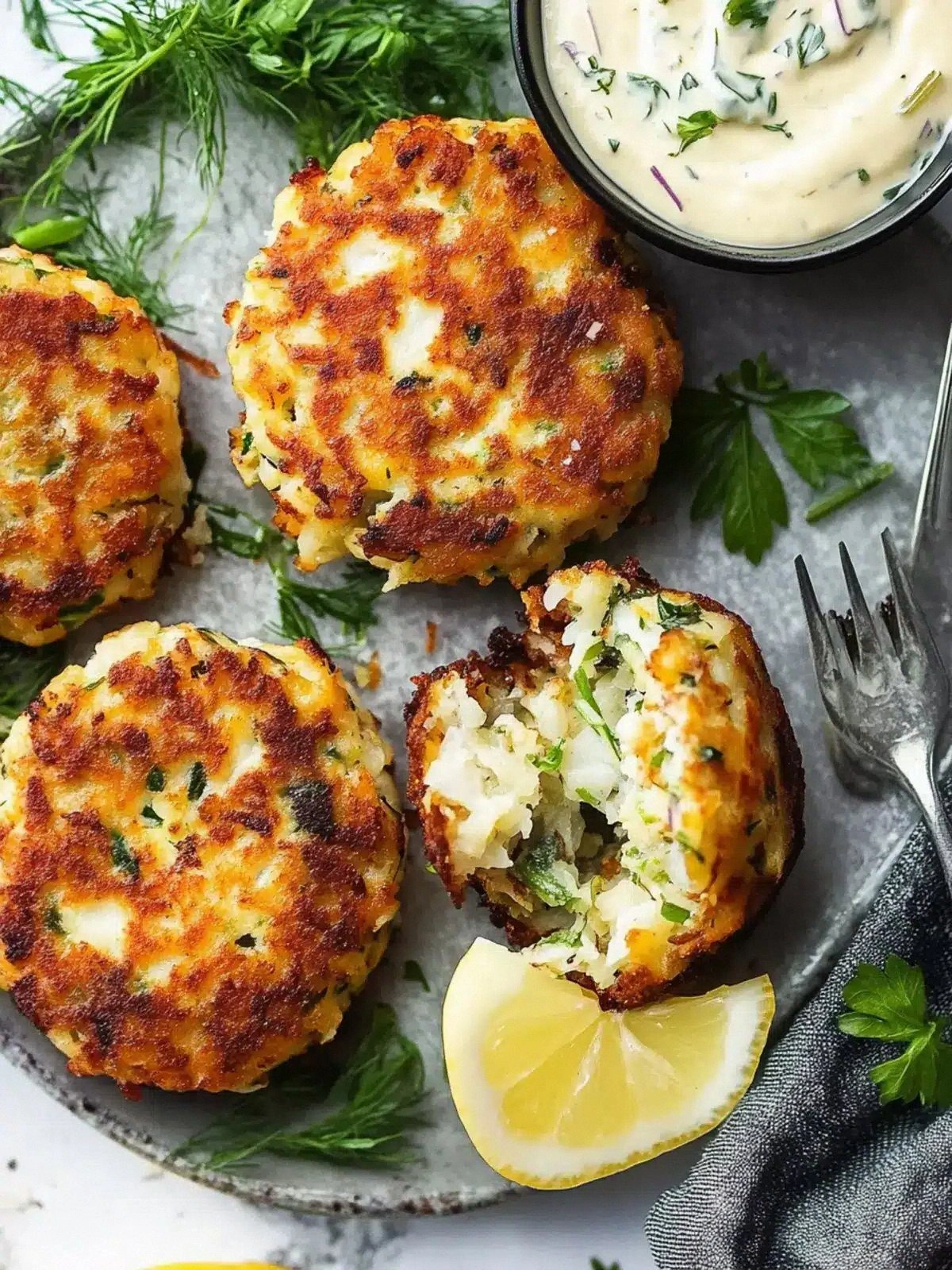
Fast forward a few months, and I stumbled upon a recipe that turned that disaster into a triumph. It’s a fish cake that’s not just a side dish but the star of the table, with a crisp exterior that shatters like thin ice and a tender, flaky interior that melts in your mouth like a summer breeze. The secret? A splash of tarragon‑infused mayonnaise that coats the cakes like velvet, a sprinkle of capers that adds a pop of briny brightness, and a touch of fresh herbs that lifts the whole flavor profile to new heights. Every bite feels like a carefully orchestrated symphony, each component playing its part in perfect harmony.
What sets this version apart from the countless fish cake recipes out there is the meticulous attention to texture and flavor. I dare you to taste this and not go back for seconds—this isn’t just another “try it once” dish. The balance between the mild cod, the sharp mustard, the earthy potatoes, and the aromatic tarragon creates a layered experience that feels both comforting and adventurous. If you’ve ever struggled with flaky fish cakes that fall apart or bland batter that tastes like a mystery, you’re not alone—and I’ve got the fix.
Picture yourself pulling these golden beauties out of the oven, the whole kitchen smelling incredible, and the first bite sending a wave of savory, herbaceous joy through your palate. The moment your fingers touch the warm, crisp edges, you’ll know you’ve found something special. Let me walk you through every single step—by the end, you’ll wonder how you ever made it any other way.
What Makes This Version Stand Out
- Taste: The combination of Dijon mustard and tarragon‑infused mayo creates a bright, herbaceous kick that cuts through the mild cod, turning each bite into a burst of flavor.
- Texture: The panko breadcrumbs give a crunchy exterior that contrasts delightfully with the moist, tender interior, ensuring every forkful is a textural adventure.
- Simplicity: With fewer than ten ingredients, the recipe is straightforward enough for beginners yet sophisticated enough to impress even seasoned chefs.
- Uniqueness: The use of capers adds a surprising briny pop that most fish cake recipes overlook, giving this version a distinctive edge.
- Crowd Reaction: Friends always rave about the crispness and the depth of flavor, and I’ve been known to eat half the batch before anyone else can get a bite.
- Ingredient Quality: Fresh, high‑quality cod, ripe potatoes, and fragrant herbs make all the difference, elevating the dish from ordinary to extraordinary.
- Cooking Method: The pan‑searing technique locks in juices while creating a golden crust, ensuring the cakes stay together and stay moist.
- Make‑Ahead Potential: These cakes can be assembled and chilled, then cooked later, making them perfect for week‑night dinners or entertaining guests.
Alright, let's break down exactly what goes into this masterpiece…
Inside the Ingredient List
The Flavor Base
The foundation of these fish cakes is the cod fillet—fresh or frozen, it’s the star that carries the flavors. Cod’s mild, flaky flesh provides a clean canvas for the spices and herbs to shine. If you’re using frozen fillets, let them thaw in cold water for 30 minutes; this helps avoid a soggy texture. Skipping the cod entirely will leave you with a bland, unadventurous dish that lacks the depth this recipe delivers.
The Texture Crew
Panko breadcrumbs are the secret to that coveted crunch. Unlike fine breadcrumbs, panko’s airy structure creates a light, airy crust that doesn’t overwhelm the fish. If you can’t find panko, a mixture of regular breadcrumbs and a pinch of cornmeal will work, but you’ll lose a bit of that crispness. The potatoes act as a binder, giving the cakes structure and a subtle earthy undertone. Choose russet potatoes for their higher starch content; they’ll keep the cakes moist without becoming gummy.
The Unexpected Star
Capers are the unsung hero that adds a burst of briny brightness, cutting through the richness of the mayonnaise and the mildness of the fish. They’re also a nod to classic French cuisine, where capers pair perfectly with fish. If you can’t find capers, a splash of white wine vinegar or a few drops of lemon juice can mimic their acidity, but the texture will differ. The fresh herbs—parsley, thyme, and scallions—provide a bright, green finish that balances the dish’s richness.
The Final Flourish
Tarragon‑infused mayo is the crowning glory that ties everything together. The mayo’s creamy base coats the cakes like a velvet blanket, while the tarragon gives a subtle anise flavor that elevates the dish to gourmet status. A squeeze of fresh lemon juice brightens the entire plate, cutting through the oil and adding a fresh, citrusy note. If you prefer a lighter version, swap half the mayo for Greek yogurt; the result will still be delicious, just less rich.
Everything's prepped? Good. Let's get into the real action…
The Method — Step by Step
- Begin by boiling the russet potatoes in salted water until they’re fork‑tender, about 15 minutes. Drain and let them cool slightly before mashing; this prevents the mixture from becoming too watery. The mashed potatoes will act as a binder, keeping the cakes together. While the potatoes are cooking, slice the cod into bite‑sized pieces and pat them dry with paper towels to remove excess moisture.
- In a large bowl, combine the mashed potatoes, diced cod, two beaten eggs, and the panko breadcrumbs. Mix until just combined—over‑mixing can make the cakes tough. At this point, add the Dijon mustard, capers, chopped herbs, parsley, scallions, salt, pepper, and bay leaf. The mixture should be moist but hold together when shaped. If it feels too dry, add a tablespoon of olive oil; if too wet, add a bit more panko.
- Shape the mixture into oval cakes, about 1½ inches thick. Place them on a parchment‑lined sheet and chill for 15 minutes; this helps them firm up and makes pan‑searing easier. While the cakes chill, whisk together the mayonnaise, tarragon, and a squeeze of lemon juice in a small bowl. The tarragon‑mayo will be brushed onto the cakes after searing.
- Heat a large skillet over medium‑high heat and add enough olive oil to coat the bottom. Once the oil shimmers, add the chilled cakes, leaving space between each. Let them sear undisturbed for 3–4 minutes on one side until a golden crust forms; this is the moment of truth. Flip the cakes gently with a spatula, and sear the other side for another 3 minutes.
- While the cakes are still hot, brush each side generously with the tarragon‑mayo mixture. The mayo will caramelize slightly, creating a glossy finish that’s impossible to resist. The lemon juice in the mayo adds a bright contrast to the rich oil, making each bite feel fresh. Let the cakes rest for a minute to allow the flavors to meld.
- Serve the fish cakes immediately, garnished with additional fresh herbs and a wedge of lemon on the side. Pair them with a crisp green salad or a light cucumber relish for a balanced meal. If you’re plating for guests, arrange the cakes in a fan shape to showcase their golden edges.
- If you prefer a lighter version, replace half the olive oil with a splash of white wine; this adds a subtle depth without heaviness. Alternatively, for a gluten‑free version, use almond flour instead of breadcrumbs, but be sure to adjust the binding by adding a bit more egg. Finally, if you’re in a rush, you can skip the chill step and cook the cakes straight away; the texture will be slightly softer, but still delicious.
That’s it — you did it. But hold on, I've got a few more tricks that'll take this to another level…
Insider Tricks for Flawless Results
The Temperature Rule Nobody Follows
Many chefs think that a high‑heat pan is always best, but the secret to a perfect crust is to start at medium‑high and then lower to medium for the second side. This gradual transition prevents the outside from burning while the inside remains tender. I once cooked a batch on high heat, and the cakes came out charred on the edges and under‑cooked inside. The next time, I followed the temperature rule and the results were flawless.
Why Your Nose Knows Best
As soon as the first fish cake hits the pan, a subtle aroma of toasted panko and fresh herbs will rise. Trust that scent—it signals that the crust is forming just right. If the smell is too bland, increase the heat slightly; if it’s too sharp, lower it. My nose has saved me from countless ruined batches.
The 5-Minute Rest That Changes Everything
After searing, let the cakes rest on a wire rack for exactly five minutes. This short pause allows the juices to redistribute, preventing the cakes from drying out. Skipping this step often results in a dry center that feels like a desert in the middle of a juicy bite. Give them that five minutes, and you’ll notice the difference.
The Capers’ Secret
Capers add a briny punch that cuts through the richness of the mayo. If you’re allergic or simply don’t like capers, replace them with a teaspoon of anchovy paste dissolved in a tablespoon of lemon juice. The result will still provide that needed acidity, though it will carry a slightly different flavor profile.
The Egg Balance
The eggs bind the mixture and add moisture. Use room‑temperature eggs; they’ll blend more smoothly, creating a uniform batter. If you’re worried about the eggs being too runny, whisk them with a splash of milk or water to thicken slightly. I’ve found that the extra protein from the eggs also helps the cakes hold their shape during searing.
The Olive Oil Choice
Opt for a light, high‑quality olive oil rather than a cheap variant. The flavor of the oil will carry through to the crust, adding depth. If you prefer a neutral flavor, use a refined oil like grapeseed or canola; the texture will remain crisp, but the subtle olive taste will be absent.
Creative Twists and Variations
This recipe is a playground. Here are some of my favorite ways to switch things up:
Spicy Cajun Fish Cakes
Add a tablespoon of Cajun seasoning to the mixture and a dash of cayenne pepper. The heat will pair beautifully with the tarragon mayo, creating a spicy kick that’s perfect for summer barbecues.
Mediterranean Delight
Swap the parsley for fresh mint and add sun‑dried tomatoes to the batter. Serve with a yogurt‑cucumber sauce for a refreshing, Mediterranean twist.
Coconut‑Infused Cakes
Use shredded coconut in place of some of the panko breadcrumbs and add a splash of coconut milk to the mix. The result is a subtle sweetness that complements the fish’s natural flavor.
Smoked Paprika Variation
Incorporate a teaspoon of smoked paprika into the batter for a smoky, earthy depth. Pair with a simple lemon‑yogurt sauce to balance the smokiness.
Seafood Fusion
Add finely chopped shrimp or scallops to the mixture for a seafood medley. The extra protein and flavor will make the cakes more substantial, ideal for a hearty dinner.
Herb‑Infused Crust
Mix dried thyme and oregano into the panko breadcrumbs before adding them to the batter. This gives the crust an aromatic, herbaceous crunch that elevates the dish’s overall profile.
Storing and Bringing It Back to Life
Fridge Storage
Store cooked fish cakes in an airtight container in the refrigerator for up to two days. Wrap them in parchment paper to keep them from sticking together. When ready to reheat, simply warm them in a skillet over medium heat for a few minutes until crisp again.
Freezer Friendly
For longer storage, place the cooled cakes on a baking sheet and freeze until solid. Transfer them to a freezer bag, removing excess air. They’ll keep for up to three months. To reheat, bake at 350°F for 10 minutes or microwave on low for two minutes, then finish in a skillet to restore crispness.
Best Reheating Method
Reheat by gently pan‑searing each side for two minutes, then finish in the oven at 375°F for five minutes. Add a splash of water to the pan before heating to create steam, which will help keep the cakes moist. This trick ensures they taste almost brand‑new.