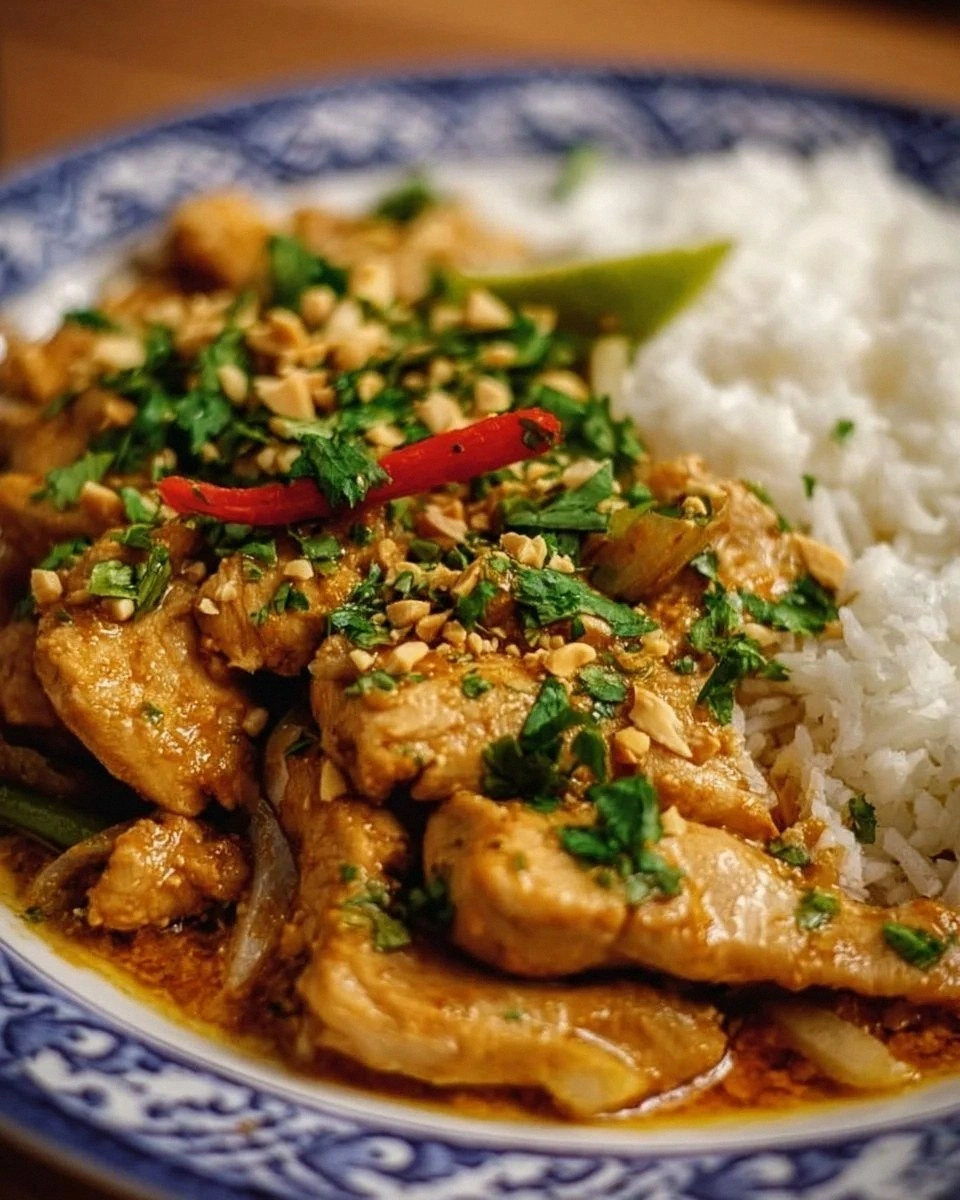
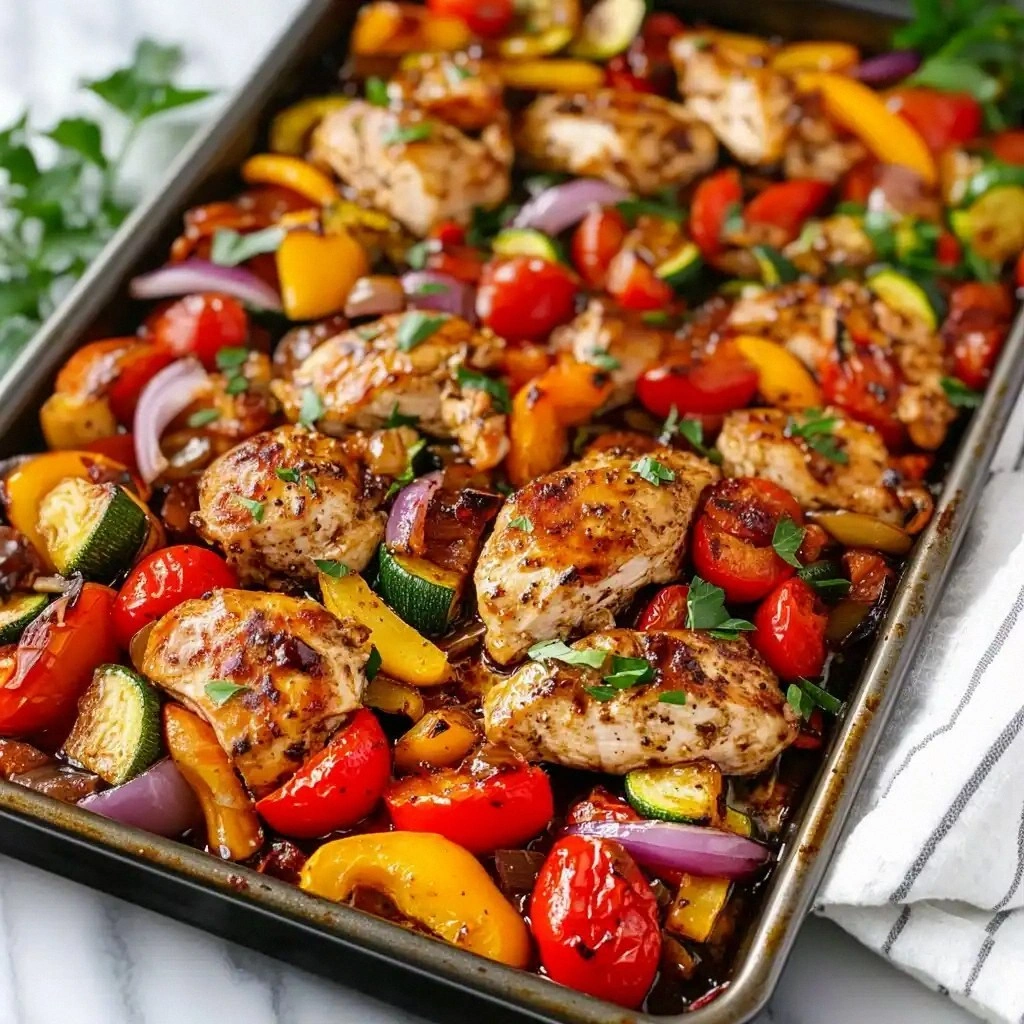
Picture this: a frantic kitchen, the stove roaring, a stack of forgotten chicken drumsticks, and a craving that refuses to be ignored. I was halfway through a late‑night binge on a recipe blog when my phone buzzed with a text from a friend: “Dude, you gotta try this garlic‑herb chicken, it’s a game‑changer.” I laughed, grabbed the ingredients, and the kitchen exploded into a fragrant storm of sizzling garlic and fresh herbs. The moment the first drumstick hit the hot pan, a crackle erupted, the air filling with an aroma so rich it felt like a warm hug. I was already halfway to a plate, but the real test was yet to come.
Why do I keep coming back to this version? Because it turns ordinary drumsticks into a showstopper with minimal fuss. The garlic doesn’t just flavor; it forms a silky coating that traps juices, making each bite tender and juicy. The herbs—rosemary, thyme, parsley—blend into a fragrant bouquet that lifts the dish from simple to sublime. The lemon juice adds a bright, tangy counterpoint that cuts through the richness. And the final flourish of fresh parsley gives a burst of color and freshness that makes the dish look as good as it tastes.
Let’s break it down. I dare you to taste this and not go back for seconds. I’ve spent countless hours tweaking marinades, and this is hands down the best version you’ll ever make at home. Most recipes get this completely wrong—flavoring is too light, the meat dries out, or the herbs are underplayed. Here, every component works in harmony, delivering a flavor profile that’s bold yet balanced. Picture yourself pulling this out of the oven, the whole kitchen smelling incredible, and the family lining up for seconds.
And the kicker? There’s a little trick with the olive oil that you won’t expect—mix it with a splash of water before coating the chicken to lock in moisture. This tiny tweak keeps the skin crisp without the fat burning. I’ll walk you through every single step, from prep to plating. By the end, you’ll wonder how you ever made it any other way. Stay with me here—this is worth it.
What Makes This Version Stand Out
- Flavor: The garlic and herbs create a complex, savory depth that lingers on the palate. The lemon juice adds a bright, almost citrusy edge that balances the richness. The sauce coats the chicken like velvet, ensuring every bite is infused. The finish is a subtle, fragrant reminder of fresh herbs.
- Texture: The skin turns golden brown and crackles like thin ice, while the inside stays moist and juicy. The coating remains crisp without becoming hard or burnt. The result is a satisfying contrast that keeps you coming back for more.
- Simplicity: No fancy equipment, no complicated steps—just a pan, a few ingredients, and a bit of patience. Even beginners can replicate the restaurant‑style flavor without a culinary degree. It’s a recipe that lives up to its name: easy.
- Uniqueness: The combination of garlic, lemon, and a trio of herbs is rare in standard chicken recipes. The technique of mixing olive oil with a splash of water is a hidden gem that keeps the meat tender. This recipe is a breath of fresh air in a sea of bland chicken dishes.
- Crowd Reaction: Friends and family rave about the crisp skin and juicy meat. The dish is a hit at gatherings, often becoming the centerpiece. The aroma alone can bring people to the table.
- Ingredient Quality: Using fresh herbs, real garlic, and good olive oil elevates the dish. The quality of the ingredients directly translates into flavor. The recipe rewards you for choosing the best.
- Cooking Method: Searing followed by gentle braising in the oven locks in juices. The method is foolproof and requires minimal monitoring. The result is consistent every time.
- Make‑Ahead Potential: You can marinate the chicken a day ahead, saving time on busy nights. The flavors deepen with time. The dish reheats beautifully, maintaining its crispness.
Inside the Ingredient List
The Flavor Base
Garlic cloves: They’re the backbone of this dish, providing a robust, aromatic foundation. Fresh garlic infuses the oil with a bright, almost citrusy note that cuts through the richness. If you skip garlic, the dish loses its signature punch. A good tip: crush the cloves lightly to release more flavor.
The Texture Crew
Olive oil: It’s the medium that carries the flavors and creates a crispy skin. A high‑smoke‑point olive oil ensures the chicken sears without burning. If you’re low on oil, a splash of butter can add a nutty depth, but watch the burn. The trick is to mix the oil with a small amount of water to keep the skin from drying out.
The Unexpected Star
Lemon juice: It’s the bright, zesty counterpoint that lifts the dish. The acidity balances the savory and the fats, making the flavor profile feel complete. Lemon also helps to tenderize the meat slightly. If you’re out of fresh lemons, a splash of vinegar can work, but the taste will differ.
The Final Flourish
Fresh parsley: It adds a splash of color and a fresh, herbal finish that brightens the plate. The green leaves also provide a subtle crunch when bitten into. A handful of chopped parsley can replace the whole sprig if you’re short on herbs. It’s a simple, elegant garnish that completes the dish.
Everything's prepped? Good. Let’s get into the real action.
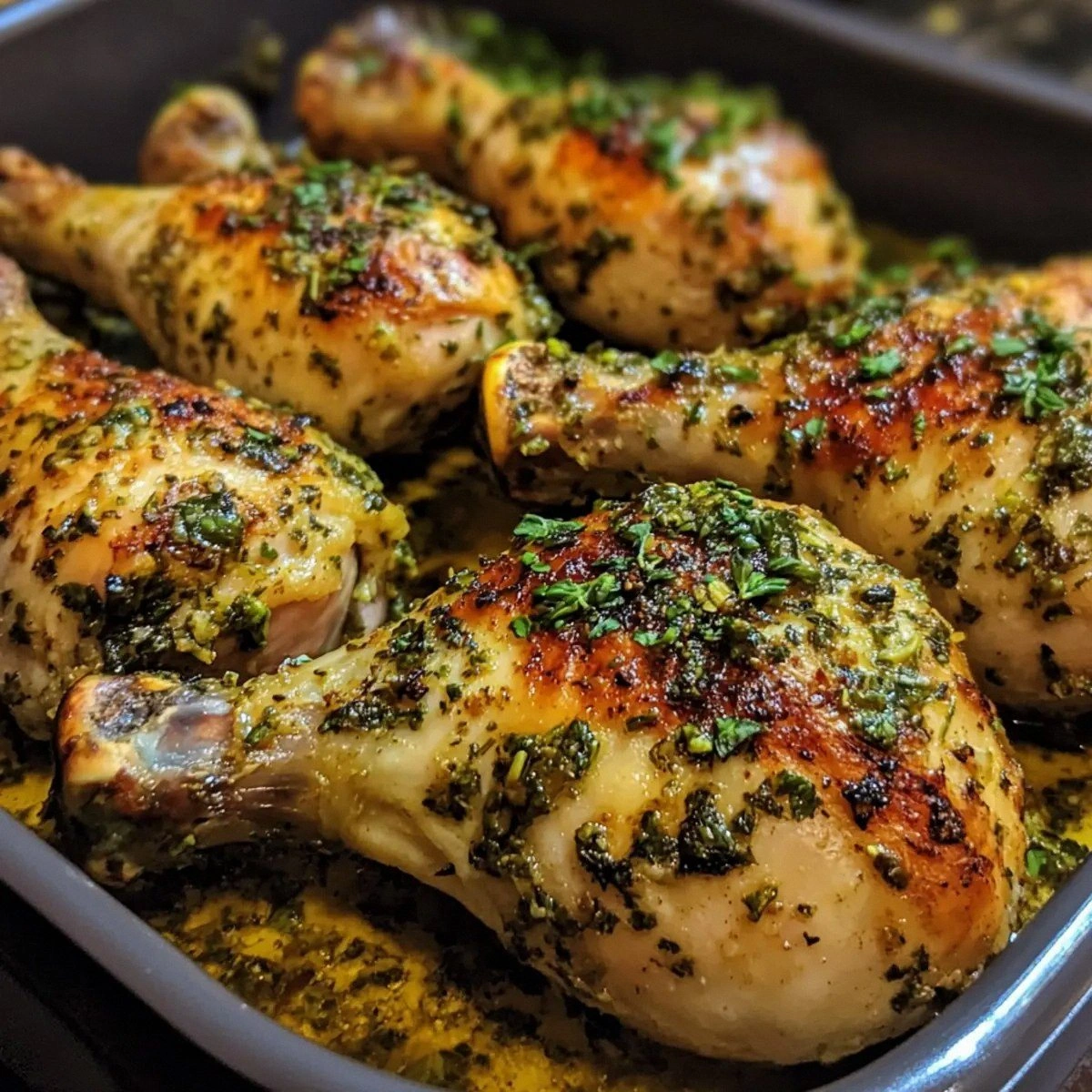
The Method — Step by Step
- Start by patting the drumsticks dry with paper towels; moisture is the enemy of crisp skin. Sprinkle both sides with salt and pepper, making sure each piece is evenly coated. The seasoning will form a flavorful crust once seared. If you like a little heat, add a pinch of red pepper flakes.
- Heat a large oven‑safe skillet over medium‑high heat and add the olive oil. Let the oil shimmer—this indicates it’s ready for the chicken. The oil should be hot enough to sizzle when the chicken hits the pan. Watch for any smoke; adjust the heat if necessary.
- Place the drumsticks skin‑side down in the hot oil, leaving space between each piece. Sear for 3–4 minutes until the skin turns a deep golden brown. Flip the chicken and sear the other side for an additional 2 minutes. The goal is a beautiful, crackling skin.
- While the chicken is searing, mince the garlic and chop the herbs finely. Mix the garlic and herbs with the lemon juice, a splash of water, and the remaining olive oil to create a fragrant sauce. The water helps the oil spread evenly over the chicken and keeps the skin from drying out. Stir until the mixture is well combined.
- Pour the sauce over the seared drumsticks, ensuring each piece is well coated. The sauce should cling to the meat, forming a glossy glaze. This is the moment of truth—watch the sauce bubble and caramelize. The aroma will have you salivating.
- Transfer the skillet to a preheated oven at 400°F (200°C). Bake for 25–30 minutes, or until the internal temperature reaches 165°F (74°C). The skin should remain crisp, while the juices stay tender. Use a meat thermometer to confirm doneness.
- While the chicken bakes, reduce the remaining sauce in a small saucepan over medium heat for 5 minutes. This concentrates the flavors and creates a thicker glaze. Stir occasionally to prevent sticking. The sauce should reduce by about a third.
- Remove the skillet from the oven and let the chicken rest for 5 minutes. This allows the juices to redistribute, ensuring each bite stays moist. Drizzle the reduced sauce over the drumsticks before serving. Garnish with fresh parsley and lemon wedges for an extra pop of brightness.
That's it—you did it. But hold on, I've got a few more tricks that'll take this to another level. The next section is all about insider tricks that ensure flawless results every single time.
Insider Tricks for Flawless Results
The Temperature Rule Nobody Follows
Heat is your best friend. Many cooks lower the heat too early, causing the skin to steam rather than crisp. Keep the skillet hot until the first sear is golden. If the oil starts smoking, reduce the heat slightly but don’t let it drop too low. This small adjustment guarantees a crackling finish.
Why Your Nose Knows Best
Smell the progress. As the chicken cooks, the aroma changes from raw garlic to caramelized herbs. A fragrant, almost sweet scent means the sauce is reducing nicely. If you notice a sharp, burnt smell, the sauce is over‑cooked. Trust your nose to guide you to perfection.
The 5-Minute Rest That Changes Everything
Let the juices settle. Resting the chicken after baking allows the juices to redistribute throughout the meat. This step keeps the chicken moist, preventing dry bites. A quick 5‑minute rest is all you need, and it’s worth the wait.
The Right Pan Makes All the Difference
Use a heavy‑bottomed skillet. Cast iron or stainless steel retains heat better than aluminum, ensuring even searing. A lighter pan can cause uneven browning. If you don’t have a heavy pan, use a non‑stick skillet but keep a close eye on the heat.
The Fresh Herb Hack
Chop the herbs finely. Coarsely chopped herbs may not release enough flavor. Finely minced herbs blend seamlessly into the sauce, creating a uniform flavor profile. If you’re short on time, use pre‑minced herbs, but the flavor will be slightly less vibrant.
The Lemon Twist
Use the zest too. Grate the lemon zest into the sauce for an extra burst of citrus. The zest contains essential oils that enhance the bright flavor. A pinch of zest can elevate the dish from good to unforgettable.
With these tricks in your culinary arsenal, you’re guaranteed to impress anyone who tries your chicken. The next section is all about creative twists that keep the dish fresh and exciting.
Creative Twists and Variations
This recipe is a playground. Here are some of my favorite ways to switch things up:
Spicy Cajun Kick
Swap the herbs for a Cajun spice blend. Add a teaspoon of smoked paprika, cayenne pepper, and a pinch of oregano. The result is a smoky, spicy flavor that pairs well with a cool yogurt dip. This variation is perfect for a summer cookout.
Asian Fusion Twist
Replace the lemon with rice vinegar. Add a splash of soy sauce and a teaspoon of sesame oil. The sauce becomes umami‑rich and slightly sweet. Garnish with sliced green onions and a sprinkle of toasted sesame seeds.
Herb Crusted Delight
Press a mixture of breadcrumbs, fresh herbs, and grated Parmesan onto the chicken. Bake as usual, and the crust will become golden and crunchy. The Parmesan adds a nutty depth that complements the herbs. This version is great for a dinner party.
Mediterranean Medley
Add olives and capers to the sauce. The briny flavors contrast the citrus and herbs beautifully. Serve with a side of couscous or roasted potatoes. The dish feels like a Mediterranean vacation.
Smoky Chipotle Finish
Incorporate chipotle powder into the sauce. The smoky heat pairs wonderfully with the garlic and lemon. A drizzle of honey balances the spice. This variation is ideal for a cozy dinner.
Gluten‑Free Option
Use a gluten‑free breadcrumb alternative. Almond flour or crushed cornflakes work well. The texture remains crisp, and the flavor stays on point. This version is perfect for guests with dietary restrictions.
Feel free to mix and match these ideas to suit your mood. The beauty of this dish is its adaptability—you can keep it simple or get creative, and it always delivers.
Storing and Bringing It Back to Life
Fridge Storage
Store leftovers in an airtight container. Keep the chicken and sauce separate if possible; the sauce can be reheated separately. Refrigerate within 2 hours of cooking to prevent bacterial growth. The dish stays fresh for up to 4 days.
Freezer Friendly
Freeze the chicken in a single layer before placing in a freezer bag. This prevents clumping and makes it easier to thaw. Store for up to 3 months. Thaw overnight in the fridge for best texture.
Best Reheating Method
Reheat in a skillet over medium heat. Add a splash of water or chicken broth to create steam, preventing dryness. Sauté until the internal temperature reaches 165°F (74°C). Finish with a drizzle of fresh lemon juice for brightness.
A tiny splash of water before reheating steams the chicken back to perfection, keeping the juices locked in. This trick ensures every bite tastes as fresh as the first.