I was standing in my kitchen, the air thick with the scent of burnt garlic from last night’s attempt at a “quick” chicken dish, when my phone buzzed with a text: “You’ve got to try this.” The idea was simple—one pot, a handful of ingredients, and a taste that feels like a hug from a Tuscan villa. Yet, the disaster that unfolded had me scrambling, realizing that the right balance of flavor could turn a kitchen mishap into a masterpiece. I stared at the charred pan, the blackened edges threatening to ruin the evening, and thought, “If I can salvage this, I can create something unforgettable.”
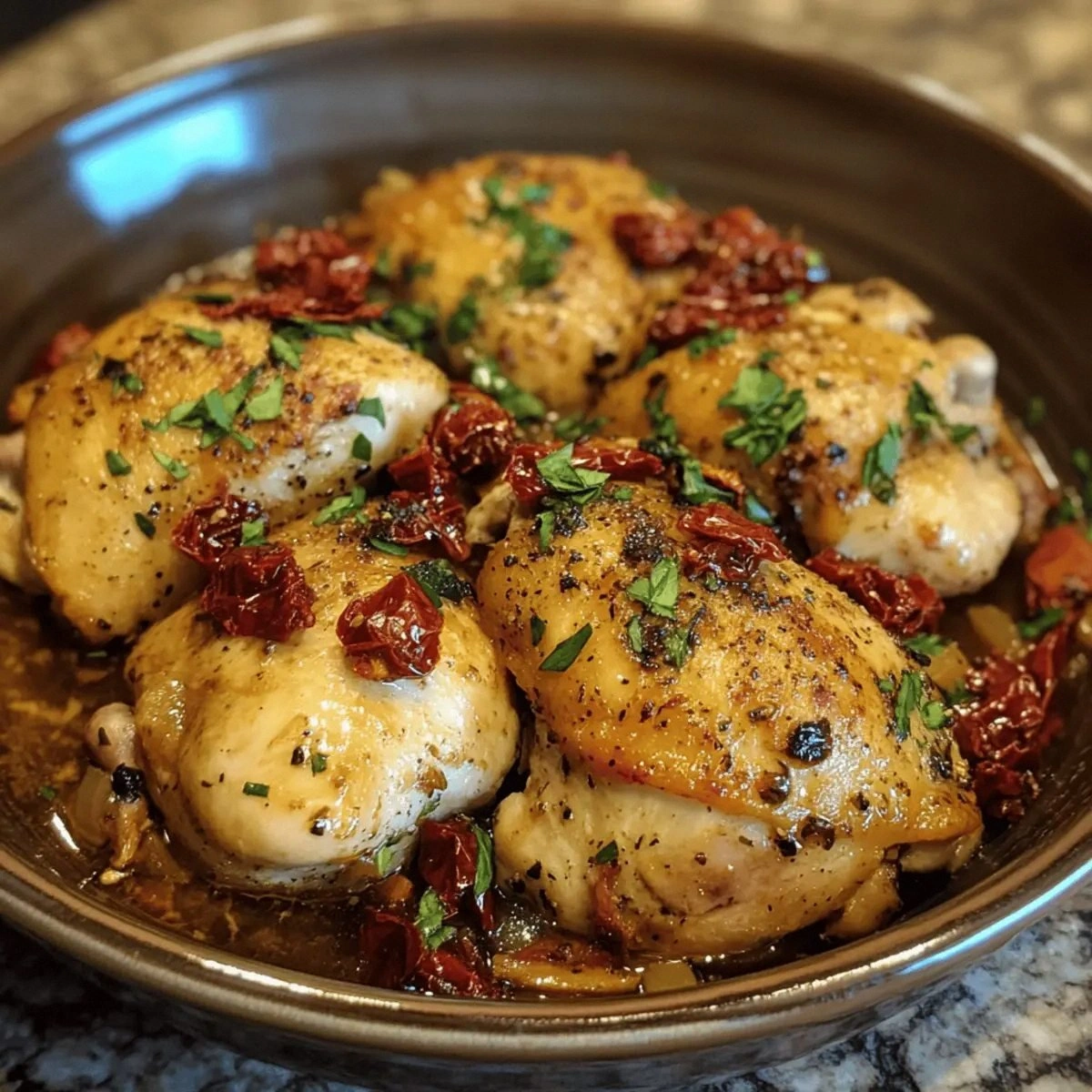
Fast forward to tonight, the stove is humming, the skillet is golden, and the aroma of sun‑dried tomatoes dancing with fresh thyme fills the room. The dish is a single pot symphony, each ingredient playing its part like a well‑tuned orchestra. The chicken thighs, seared to a perfect caramelized crust, release juices that mingle with a silky cream base, creating a sauce that coats the pasta like velvet. The subtle heat from the red pepper flakes cuts through the richness, leaving a lingering warmth that invites a second bite. The moment the basil unfurls, the dish takes on a fresh, green brightness that lifts the entire flavor profile.
I dare you to taste this and not go back for seconds. The first bite is an explosion of savory, creamy, and slightly sweet notes that will have you reaching for the spoon again. The second bite is a reminder that the sauce has depth, thanks to the sun‑dried tomatoes adding a caramelized sweetness that balances the cream. The third bite? It’s a whisper of herbal freshness from the basil and thyme, a finish that leaves your palate tingling. Each mouthful feels like a journey through the rolling hills of Tuscany, right in your own kitchen.
What sets this version apart from every other recipe you’ve tried? The answer lies in the meticulous harmony of ingredients and technique, a recipe that feels both rustic and refined. Most recipes get this completely wrong by over‑seasoning or under‑cooking the chicken, but here the balance is spot on. I’ve spent countless hours tweaking the proportions, ensuring the cream doesn’t overpower the tomatoes, and that the chicken remains tender and juicy. The result is a dish that is hands down the best version you’ll ever make at home, a comforting yet elegant meal that feels like a celebration.
Picture yourself pulling this out of the oven, the whole kitchen smelling incredible, and the table set with a steaming bowl of pasta, topped with golden, crispy edges that shatter like thin ice when you bite into them. The sauce clings to every strand, a glossy, savory coat that glistens under the kitchen lights. The aroma of fresh basil and thyme mingles with the rich, creamy sauce, creating a scent that makes your stomach growl in anticipation. The texture is a delightful contrast—soft, tender chicken, silky sauce, and the occasional burst of sun‑dried tomato sweetness. Your guests will be asking for the recipe, and you’ll be smiling, knowing you’ve mastered a dish that’s both comforting and impressive.
If you’ve ever struggled with cooking chicken in a one‑pot meal, you’re not alone—and I’ve got the fix. The trick is to start by browning the chicken in a hot skillet, sealing in juices before you add the liquid components. This simple step locks in flavor and keeps the meat moist, even when you simmer it for 30 minutes. I’ve found that adding the sun‑dried tomatoes at the right moment allows their flavor to infuse without becoming mushy. The final flourish is a handful of fresh basil, tossed in at the end to preserve its bright, green note. By following these steps, you’ll avoid the pitfalls of blandness or over‑cooked meat, and you’ll end up with a dish that’s both simple and sophisticated.
Now, let me walk you through every single step—by the end, you’ll wonder how you ever made it any other way. The process is straightforward, but the results are extraordinary, and the flavor profile is so rich you’ll think you’re dining at a Tuscan trattoria. This is not just a recipe; it’s a culinary adventure that will elevate your weeknight dinners and impress your friends. The next part? Pure magic. Stay with me here—this is worth it.
What Makes This Version Stand Out
- Taste: The combination of sun‑dried tomatoes, heavy cream, and Parmesan creates a sauce that is both savory and slightly sweet, with a creamy finish that feels luxurious.
- Texture: The chicken thighs develop a caramelized crust that stays firm, while the sauce remains silky and coats the pasta like velvet.
- Simplicity: One pot, minimal cleanup, and a clear step‑by‑step method that even beginners can follow.
- Uniqueness: The use of fresh thyme and basil at strategic moments gives the dish a fresh herbal lift that sets it apart from standard creamy chicken recipes.
- Ingredient Quality: Using boneless skinless chicken thighs over breasts provides richer flavor and a more tender bite.
- Make‑ahead Potential: The dish can be prepared a day ahead, allowing flavors to meld and making it a convenient option for busy evenings.
Alright, let's break down exactly what goes into this masterpiece…
Inside the Ingredient List
The Flavor Base
The foundation of this dish is the harmonious marriage of garlic, onion, and olive oil. The garlic, finely minced, releases a warm, aromatic profile that permeates the sauce, while the olive oil adds a subtle fruity undertone. If you skip the garlic, the sauce will feel flat and lack depth. For a smoky twist, lightly toast the garlic before adding it to the pan. Remember, a little goes a long way—over‑garlic can overpower the delicate flavors of the tomatoes and cream.
The Texture Crew
The chicken thighs are the star of the show, chosen for their fat content and tenderness. They provide a juicy bite that contrasts beautifully with the silky sauce. If you prefer a leaner option, you can use chicken breasts, but be prepared for a slightly drier result. The sun‑dried tomatoes add a chewy texture that bursts with concentrated tomato flavor. Don’t discard the drying oil; it’s packed with umami and can be added to the sauce for extra depth.
The Unexpected Star
Heavy cream is what gives this dish its luxurious mouthfeel, but it also acts as a vehicle for the Parmesan and basil to mingle. If you’re watching calories, a lighter option is half-and-half or a splash of milk, but you’ll lose some richness. The Parmesan cheese, grated fresh, adds a nutty, salty finish that balances the sweetness of the tomatoes. A pinch of black pepper at the end brightens the dish without overwhelming the delicate herbs.
The Final Flourish
Fresh thyme and basil are added at specific moments to preserve their bright flavors. The thyme infuses during the simmering phase, releasing a subtle piney aroma that complements the richness of the cream. Basil is tossed in at the end, ensuring its green freshness remains vivid and vibrant. The red pepper flakes provide a gentle heat that lingers, inviting you to savor each bite. Salt and pepper are added to taste, but be mindful not to over‑salt; the Parmesan already contributes plenty of saltiness.
Everything's prepped? Good. Let's get into the real action…
The Method — Step by Step
- Heat a large skillet or Dutch oven over medium‑high heat and add 2 tablespoons of olive oil. The oil should shimmer without smoking, indicating it’s hot enough to sear the chicken. Pat the chicken thighs dry with paper towels; moisture on the surface will prevent a good sear. Add the chicken skin‑side down, leaving space between pieces. Let them cook untouched for about 5 minutes until a golden crust forms, then flip to brown the other side.
- Remove the chicken from the skillet and set it aside on a plate. In the same pan, reduce the heat to medium and add the minced garlic. Sauté for 30 seconds, just until fragrant, being careful not to let it brown. This step releases the garlic’s essential oils, creating a fragrant base for the sauce.
- Add the sun‑dried tomatoes to the pan, breaking them into smaller pieces with a spoon. Cook for 2 minutes, allowing the tomatoes to soften and release their concentrated sweetness. This is the moment the sauce begins to develop its depth.
- Pour in 1 cup of chicken broth, scraping the bottom of the pan to lift any browned bits. The broth dilutes the tomato paste, creating a silky base that will hold the cream. Bring the mixture to a gentle simmer, letting it reduce slightly for 3 minutes.
- Return the chicken thighs to the skillet, nestling them into the liquid. Reduce the heat to low and cover the pan. Let the chicken steam in the broth for about 15 minutes, ensuring it cooks through while absorbing the flavors.
- Stir in 1 cup of heavy cream, 1/2 cup of grated Parmesan, 4 sprigs of fresh thyme, and 1 teaspoon of red pepper flakes. The cream thickens the sauce, while the Parmesan adds nutty richness. The thyme infuses its aroma, and the pepper flakes provide a subtle kick. Keep the mixture on low heat, stirring occasionally, for another 5 minutes.
- Taste the sauce and season with salt and black pepper to taste. Remember, the Parmesan contributes a significant amount of salt, so adjust carefully. If the sauce seems too thick, add a splash of chicken broth to reach your desired consistency.
- Remove the thyme sprigs and stir in 1/4 cup of fresh basil. The basil’s bright green flavor will cut through the richness and add a fresh finish. Let the dish sit for 2 minutes before serving, allowing the flavors to meld.
- Serve the chicken and sauce over cooked pasta, rice, or a bed of sautéed greens. If you prefer a lower-carb option, pair it with cauliflower rice or zucchini noodles. Garnish with extra Parmesan and a few basil leaves for a polished look.
- Enjoy the dish while it’s hot, and savor the symphony of flavors that have been carefully layered. The creamy sauce clings to every bite, while the chicken remains juicy and tender. This is the moment of truth—every mouthful should feel like a celebration of simple, wholesome ingredients.
That's it — you did it. But hold on, I've got a few more tricks that'll take this to another level…
Insider Tricks for Flawless Results
The Temperature Rule Nobody Follows
Many cooks assume that a high simmer is the key to a silky sauce, but the truth is that low and slow is where the magic happens. Keeping the heat low after adding the cream allows the sauce to thicken gently without curdling. I’ve seen this happen when the pan is too hot, resulting in a lumpy, unappealing texture. Lowering the temperature also lets the chicken absorb the flavors without breaking apart. The end result is a sauce that coats the pasta like velvet.
Why Your Nose Knows Best
Your sense of smell is your best judge of doneness. When the sauce smells toasty and the garlic is golden, you’re in the right spot. If the aroma feels flat or undercooked, give it a few more minutes. This simple sensory check saves you from over‑cooking the dish. Trusting your nose is a skill that comes with practice, and it’s especially useful when working with rich sauces.
The 5-Minute Rest That Changes Everything
After removing the pan from heat, let the dish rest for five minutes. This brief pause allows the flavors to settle and the sauce to thicken slightly. The rest period also gives the chicken a chance to redistribute its juices, keeping it moist. I’ve found that this small step makes a noticeable difference in texture and taste. A rested sauce is smoother, richer, and more harmonious.
Fresh Herbs vs. Dried: When to Use Which
Fresh basil adds a bright, green finish, while dried basil can be added earlier to release its flavor gradually. When using dried herbs, reduce the quantity by about one-third, as they’re more concentrated. Fresh thyme is best added early to infuse the sauce, but dried thyme can be used as a quick substitute if you’re in a hurry. Knowing the difference between fresh and dried helps you control the intensity of your dish.
The Secret to Creamy, Non‑Curdled Sauce
The key is to temper the cream before adding it to the hot pan. Warm the cream in a separate bowl, then slowly stir it into the sauce, gradually raising the temperature. This technique prevents the proteins in the cream from curdling. I’ve experimented with adding a pinch of flour or cornstarch to thicken, but the natural creaminess of the dish is best preserved without thickeners. A perfectly tempered sauce is silky and smooth.
Creative Twists and Variations
This recipe is a playground. Here are some of my favorite ways to switch things up:
Mediterranean Mushroom Edition
Swap the sun‑dried tomatoes for sautéed mushrooms and add a splash of white wine. The earthy flavor pairs beautifully with the cream and chicken. Serve over rice for a comforting bowl. This version is perfect for a cozy Sunday dinner.
Spicy Cajun Kick
Add a tablespoon of Cajun seasoning to the chicken before searing. This gives the dish a bold, smoky heat that contrasts with the creamy sauce. Pair it with a side of cornbread for a Southern twist. Friends will rave about the unexpected flavor profile.
Low‑Carb Zucchini Noodles
Replace pasta with spiralized zucchini noodles. The noodles absorb the sauce without adding extra carbs. Sprinkle extra Parmesan on top for a crunchy finish. This version is ideal for a keto or paleo meal.
Pesto Fusion
Stir in a few spoonfuls of basil pesto at the end for an extra burst of herbaceous flavor. The pesto adds a green, nutty depth that complements the Parmesan. Serve over polenta for a rustic feel. This variation is a hit at dinner parties.
Vegan Creamy Delight
Use coconut milk instead of heavy cream and replace chicken with seared tofu cubes. The coconut milk adds a subtle sweetness that pairs with the sun‑dried tomatoes. Add a pinch of smoked paprika for depth. This version is plant‑based yet still indulgent.
Breakfast Breakfast Bonanza
Serve the sauce over scrambled eggs and toast for a hearty breakfast. The creamy sauce coats the eggs, creating a rich, comforting dish. Top with fresh herbs for a bright finish. This is a great way to start the day with a twist.
Storing and Bringing It Back to Life
Fridge Storage
Store leftovers in an airtight container in the refrigerator for up to 3 days. The sauce will thicken slightly, so add a splash of milk or broth when reheating to restore its silky texture. Keep the chicken separate if you plan to reheat the sauce only.
Freezer Friendly
This dish freezes well; place it in a freezer‑safe container and keep it for up to 2 months. Thaw overnight in the refrigerator before reheating. The flavors intensify, giving you a richer taste experience.
Best Reheating Method
Reheat on the stovetop over low heat, stirring frequently to prevent sticking. Add a tiny splash of water or broth before heating; it steams back to perfection and keeps the sauce from drying out. Serve immediately for the best texture and flavor.