Ever had a night where you thought you were about to make a culinary masterpiece, only to end up with a kitchen that looked like a battle zone? That was me last Friday, standing in front of a skillet that had been a battlefield for half an hour, the air thick with the scent of burnt garlic and overcooked soy sauce. I stared at the charred edges of chicken thighs, feeling the disappointment ripple through my veins like a bad song stuck on repeat. Then, like a sudden gust of inspiration, I remembered a recipe I’d seen in a food blog that promised a sticky, caramelized glaze that would turn the most ordinary thigh into a showstopper. I pulled it out, flipped the page, and realized I was about to rewrite the rules of dinner.
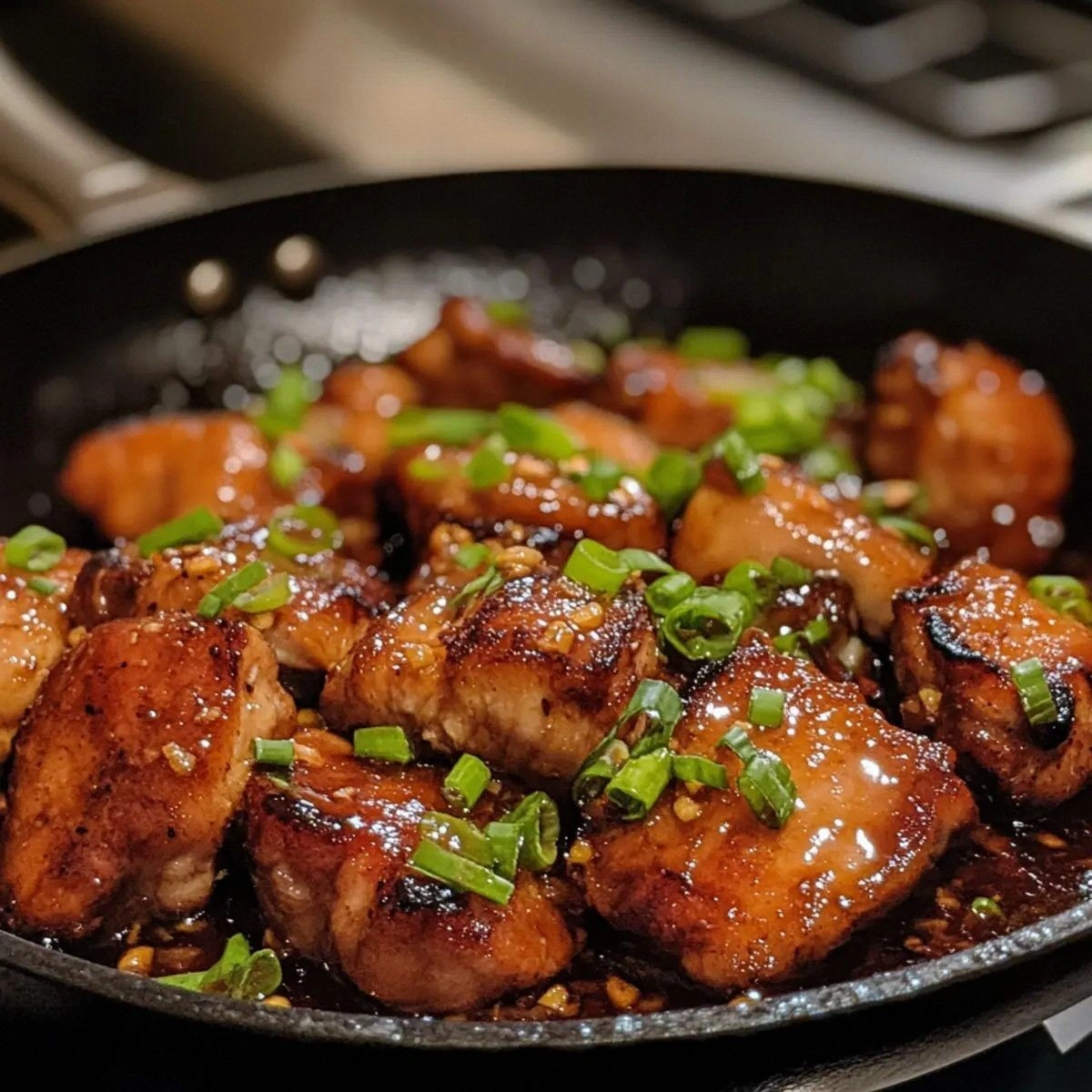
The moment the skillet met the heat, a sizzling hiss erupted, and the aroma of garlic and ginger danced around the room, turning the kitchen into a fragrant playground. I could hear the rhythmic clack of the metal pan, feel the heat radiating off the surface, and taste the subtle bitterness of raw soy that would soon sweeten into caramel. The visual cue was a golden crust forming on the skin, a promise that texture and flavor were about to collide in the most delightful way. As the sauce thickened, it clung to the meat like a velvet blanket, each bite delivering a burst of umami that made the air taste of triumph. The entire experience was a sensory symphony that left me craving more.
What makes this version stand out is not just the combination of flavors but the precision of technique, the balance of sweet and savory, and the way it invites you to play with the final glaze. I dare you to taste this and not go back for seconds—because once you get that first bite, the rest of the dish will feel like a secret handshake between you and the skillet. Most recipes get this completely wrong, either over-sweetening or under-cooking the chicken, but here, the sauce caramelizes just enough to create a glossy sheen without turning into syrup. The result? Crispy edges that shatter like thin ice and a succulent interior that melts in your mouth.
Picture yourself pulling this out of the pan, the whole kitchen smelling incredible, and the family’s eyes lighting up with anticipation. I’ve spent hours perfecting this balance, and the final dish is hands down the best version you’ll ever make at home. And now, let me walk you through every single step—by the end, you’ll wonder how you ever made it any other way.
What Makes This Version Stand Out
- Flavor: The sauce is a harmonious blend of sweet, salty, and umami that coats each thigh like a glossy, edible coat of armor, ensuring every bite bursts with depth.
- Texture: Crispy skin meets tender, juicy meat; the contrast is like a crunchy snowball of flavor that melts in your mouth.
- Simplicity: With only eight ingredients, you can achieve a restaurant-quality dish in under an hour—no fancy equipment or exotic spices required.
- Uniqueness: The addition of toasted sesame seeds and green onions gives the dish a subtle nutty crunch and a fresh pop that sets it apart from typical soy-glazed chicken.
- Crowd Reaction: Friends and family instantly become fans; the dish is a conversation starter that invites compliments and second servings.
- Ingredient Quality: Using bone‑in, skin‑on thighs ensures natural fat rendering, which adds richness and keeps the meat moist.
- Cooking Method: The pan‑sauté technique locks in juices, while the sauce reduction creates a glossy glaze that sticks beautifully.
- Make‑Ahead Potential: The dish can be cooked ahead of time and reheated without losing its crispness, making it perfect for busy weeknights.
Alright, let’s break down exactly what goes into this masterpiece…
Inside the Ingredient List
The Flavor Base
Soy sauce is the cornerstone of this dish, providing a salty backbone that balances the sweetness of brown sugar. It’s the liquid gold that, when reduced, turns into a thick, amber glaze that clings to the chicken like a second skin. If you skip it, the sauce will lose its depth and you’ll end up with a bland, syrupy coating that tastes like a cheap candy wrapper. For an extra punch, use a light soy sauce; it’s less salty and lets the other flavors shine through.
The Texture Crew
Bone‑in, skin‑on chicken thighs bring a natural fat rendering that keeps the meat juicy even after the sauce has thickened. The skin crisps up beautifully, forming a crunchy barrier that protects the tender meat inside. If you use boneless thighs, the dish will still taste good, but you’ll miss that satisfying crunch and the extra flavor that comes from the marrow. For a leaner option, you can trim excess fat, but be careful not to remove too much; the fat is what keeps the thighs from drying out.
The Unexpected Star
Sesame seeds add a nutty aroma and a subtle crunch that elevates the dish beyond ordinary. They also provide a visual pop of color that makes the dish look more appetizing. If you’re not a fan of sesame, you can replace them with toasted pumpkin seeds or even chopped almonds for a different crunch. A sprinkle of seeds at the end of cooking gives the final touch that ties the flavors together.
The Final Flourish
Green onions (scallions) lend a bright, fresh finish that cuts through the richness of the glaze. Their mild onion flavor balances the sweetness and keeps the dish from feeling too heavy. If you can’t find green onions, thinly sliced red onions or even a splash of rice vinegar can work, though the texture will differ slightly. The final flourish is what turns a simple dish into a well-rounded meal.
Everything’s prepped? Good. Let’s get into the real action…
The Method — Step by Step
- Prep the Chicken: Pat the thighs dry with paper towels to ensure the skin crisps up. Season both sides with salt and pepper, letting the flavors penetrate. This step is crucial because any moisture on the skin will steam instead of searing, preventing that coveted golden crust.
- Brown the Thighs: Heat a large skillet over medium‑high heat, add two tablespoons of vegetable oil, and let it shimmer. Place the chicken thighs skin‑side down, pressing them lightly to keep the skin flat. Cook until the skin turns a deep amber and releases easily from the pan, about 5–6 minutes. Flip and brown the other side for an additional 4 minutes. The goal is a beautiful caramelized crust that locks in juices.
- Prepare the Glaze: While the chicken browns, mince three cloves of garlic and grate a one‑inch piece of ginger. In a small bowl, whisk together one‑third cup soy sauce, one‑quarter cup brown sugar, minced garlic, and grated ginger. The sugar will caramelize, and the garlic and ginger bring warmth and depth to the glaze.
- Simmer the Sauce: Reduce the heat to medium and pour the glaze mixture into the skillet, stirring to deglaze and lift the browned bits from the pan. These bits are flavor gold; they’ll dissolve into the sauce, enriching its complexity. Allow the mixture to bubble gently for 2–3 minutes, watching it thicken.
- Coat the Thighs: Return the browned thighs to the skillet, skin‑side up, and spoon the glaze over them. Let them simmer in the sauce for 5 minutes, turning once to ensure even coating. The sauce should cling to the meat, forming a glossy glaze that caramelizes without burning.
- Watch for the Perfect Finish: The glaze should reduce to a thick, syrupy consistency. The thighs will release from the pan when the edges pull away slightly. If the sauce starts to burn, lower the heat immediately to avoid bitter flavors.
- Finish with Freshness: Sprinkle one tablespoon of toasted sesame seeds and chopped green onions over the thighs. The sesame adds a nutty crunch, while the green onions provide a bright, fresh contrast that balances the richness. Serve immediately with two cups of rice or steamed veggies for a complete meal.
- Enjoy: Plate the chicken thighs with a drizzle of the remaining glaze. The dish is now ready for the table. The aroma alone will have guests lining up for the first bite.
That’s it—you did it. But hold on, I’ve got a few more tricks that’ll take this to another level…
Insider Tricks for Flawless Results
The Temperature Rule Nobody Follows
Many cooks start with high heat and immediately lower it, but the secret is to maintain a steady medium‑high temperature until the skin is fully browned. This ensures the fat renders slowly, producing a crisp texture without overcooking the meat. If you’re using a cast‑iron skillet, preheat it for a few minutes before adding oil to lock in the heat. A consistent temperature also helps the glaze reduce evenly, preventing uneven caramelization.
Why Your Nose Knows Best
Trust your nose to tell you when the glaze is ready. A sweet, caramel aroma indicates the sugar has caramelized, while a faint, smoky scent signals the glaze is nearing the point of burning. If the sauce smells slightly bitter, it’s too hot; turn the heat down and let it simmer. Your nose is a reliable guide—listen to it, and your dish will taste perfect.
The 5‑Minute Rest That Changes Everything
After cooking, let the thighs rest for five minutes before cutting. This allows the juices to redistribute, ensuring each bite is moist and flavorful. The glaze will thicken slightly during this rest, creating a glossy finish that’s easier to spoon over the meat. A short rest also prevents the glaze from sliding off when you plate the dish.
Use Fresh Ginger, Not Powder
Fresh ginger provides a bright, sharp flavor that powdered ginger can’t replicate. Grated ginger releases essential oils that infuse the sauce with a subtle heat. If you’re in a hurry, a small piece of ginger can be grated in a food processor, but fresh is always better for depth of flavor.
Keep the Pan Clean
After the thighs are cooked, remove them and wipe the skillet with a paper towel. This prevents burnt bits from sticking to the next batch and keeps the flavor pure. A clean pan also ensures even heat distribution, which is essential for consistent browning.
Creative Twists and Variations
This recipe is a playground. Here are some of my favorite ways to switch things up:
Spicy Sriracha Kick
Add a tablespoon of sriracha to the glaze for a fiery punch that pairs beautifully with the sweet soy base. The heat balances the richness and adds a smoky undertone that elevates the dish.
Asian Noodle Bowl
Serve the chicken over a bed of soba noodles tossed with sesame oil, sliced cucumber, and shredded carrots. This variation turns the dish into a complete Asian-inspired bowl that’s both refreshing and satisfying.
Glazed with Honey
Swap the brown sugar for honey to create a more delicate sweetness. Honey caramelizes differently, giving the glaze a lighter, more translucent sheen that’s perfect for a summer meal.
Vegetarian Version
Replace the chicken thighs with thick slices of seared tofu or tempeh. The tofu will absorb the glaze, resulting in a protein‑rich, plant‑based alternative that still delivers on flavor.
Herb‑Infused Variation
Add a handful of fresh cilantro or basil during the last minute of simmering. The herbs bring a burst of freshness that cuts through the sweetness, creating a bright, aromatic finish.
Low‑Carb Option
Serve the chicken with cauliflower rice instead of regular rice. The cauliflower’s mild flavor complements the glaze without adding extra carbs, making this version perfect for a keto or low‑carb diet.
Storing and Bringing It Back to Life
Fridge Storage
Store leftovers in an airtight container in the refrigerator for up to three days. The glaze may thicken, so gently reheat it over low heat, adding a splash of water or broth to loosen it back to a sauce‑like consistency. This method preserves the flavor and texture without drying out the meat.
Freezer Friendly
Freeze the cooked thighs in a freezer‑safe bag or container for up to two months. When reheating, thaw overnight in the refrigerator, then warm in a skillet with a bit of water or broth. The sauce will regain its glossy sheen, and the chicken will stay tender.
Best Reheating Method
The best way to reheat is on the stovetop over low heat, stirring occasionally until the glaze is warm and bubbly. Avoid microwaving, as it can make the glaze rubbery and the meat dry. A quick stir and a splash of water will bring it back to life.