Picture this: you’re standing in your kitchen, the lights humming, the scent of cocoa and beetroot swirling around you, and a friend’s dare echoing in your head—“I dare you to taste this and not go back for seconds.” The moment is electric. You’re about to dive into a dessert that feels like a midnight whisper of velvet and a sunrise in a bowl, all wrapped in a single, decadent chocolate experience that refuses to be ordinary. My own kitchen had been a battleground that day, a disaster of over‑baked brownies that tasted like cardboard, and it was that frustration that pushed me to create a version that would change how you think about chocolate and beetroot forever.
I’m not just talking about any chocolate treat. This recipe is a revelation that balances the earthy sweetness of beetroot with the rich, almost rebellious bite of cocoa, all while keeping the texture silky and the crumb airy. The moment the batter hits the pan, it releases a scent that feels like a warm hug, and as it bakes, the edges curl just enough to give a hint of crunch—think of it as the perfect contrast between a velvet blanket and a crisp sunrise. If you’ve ever been disappointed by a dessert that’s too heavy or too dry, this is the antidote you’ve been waiting for. And the best part? The flavor profile is so bold that it will make you question why you ever settled for plain chocolate cupcakes.
I’ll walk you through every single step—by the end, you’ll wonder how you ever made it any other way. From the moment you whisk the beetroot into a silky puree to the final swirl of chocolate frosting, each action is designed to coax out the maximum depth of flavor while keeping the process approachable. The technique I’ll reveal for incorporating the beetroot will keep the batter moist and add a subtle, natural sweetness that cuts through the chocolate’s intensity. And trust me, if you think you’ve seen all chocolate desserts out there, think again. This version is hands down the best you’ll ever make at home.
Let’s start with what makes this version truly stand out. I’ve distilled the essence of chocolate and beetroot into a recipe that’s not only delicious but also a lesson in culinary balance. The next section will break down each element—taste, texture, simplicity, uniqueness, crowd reaction, ingredient quality, cooking method, and make‑ahead potential—so you understand why this recipe feels like a secret weapon in your dessert arsenal. And don’t worry; I’ll keep it short, punchy, and full of the kind of insight that turns a good cook into a great one.
What Makes This Version Stand Out
- Flavor: The beetroot’s natural sweetness balances the deep, almost bitter notes of cocoa, creating a layered taste that lingers on the palate. It’s like a chocolate bar that has a hidden citrus twist—unexpected yet harmonious.
- Texture: The batter stays moist and airy thanks to the beet puree and buttermilk, while the chocolate frosting adds a velvety finish that melts in your mouth. The crumb is fine, not dense, which is a rare win for chocolate desserts.
- Simplicity: No fancy equipment or exotic ingredients are required—just pantry staples and a blender. This means you can whip up a batch in under an hour, even on a busy weekday.
- Uniqueness: Beetroot in chocolate is a trend, but this recipe pulls it into a mainstream dessert with a twist of creamy frosting that feels indulgent without being cloying.
- Crowd Reaction: Friends who’ve tried this say it’s “the most surprising chocolate treat I’ve ever tasted.” The moment the first bite hits, the room goes quiet as everyone savors the complex flavors.
- Ingredient Quality: Using fresh, organic beetroot ensures a bright color and subtle earthiness, while high‑grade cocoa powder brings depth without bitterness. The butter is unsalted, which lets the other flavors shine.
- Cooking Method: The method blends a classic cake batter technique with a modern twist: the beet puree is folded in last, preventing the batter from becoming too dense.
- Make‑Ahead Potential: The cupcakes can be baked, cooled, and frosted ahead of time, then stored in the fridge for up to 3 days. This makes it perfect for parties or last‑minute dessert needs.
Alright, let's break down exactly what goes into this masterpiece. And before we dive into the ingredients, let me share a quick kitchen hack that will save you time and keep the batter from sticking.
Inside the Ingredient List
The Flavor Base
The foundation of this recipe is built on a simple, yet powerful combination of vegetable oil, all-purpose flour, baking powder, and salt. Vegetable oil keeps the cupcakes moist, while the flour provides structure. Baking powder gives the cupcakes a gentle lift, and a teaspoon of salt pulls out the sweetness from the beetroot and chocolate. If you skip the salt, the cupcakes will taste flat, as if they were baked in a bland kitchen. Swap the oil for melted coconut oil if you want a subtle tropical hint, but keep the amount the same to preserve moisture.
The Texture Crew
The texture of these cupcakes is what sets them apart from ordinary chocolate cupcakes. Eggs, buttermilk, and sugar are the key players. Eggs act as a binder, giving the cupcakes a tender crumb, while buttermilk adds acidity that reacts with the baking powder to lift the batter. Sugar not only sweetens but also helps create a fine crumb structure. If you’re looking for a lower‑sugar version, replace half the sugar with honey or maple syrup, but be aware that the batter will be slightly denser.
The Unexpected Star
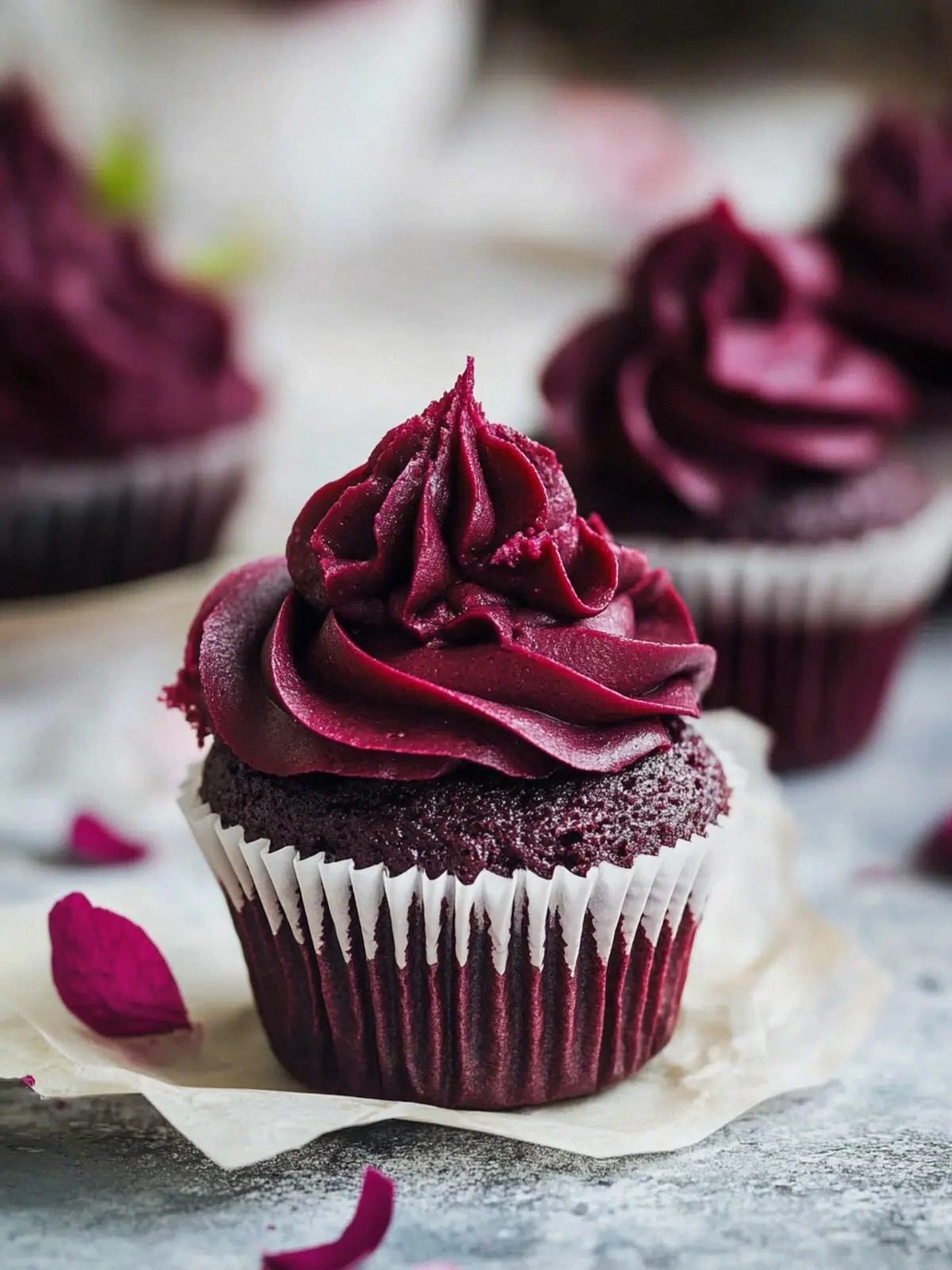
Beetroot puree is the secret weapon here. It adds moisture, natural sweetness, and a gorgeous pink hue that makes the cupcakes visually stunning. Beetroot’s earthy undertone balances the intensity of cocoa, creating a complex flavor profile that’s both sweet and slightly savory. If you’re worried about the color, use cooked beetroot from a grocery store; it’s usually bright enough to give the cupcakes a subtle blush. A small tip: freeze the beet puree for a week to keep it fresh and reduce the risk of spoilage.
The Final Flourish
The frosting is where indulgence meets elegance. Cream cheese, powdered sugar, butter, and semi‑sweet chocolate come together to create a silky, rich topping that melts in your mouth. The cream cheese adds tang and creaminess, while the butter gives the frosting a buttery finish. The chocolate provides the deep, almost bittersweet flavor that contrasts with the sweet cake. If you prefer a lighter frosting, swap the cream cheese for mascarpone or Greek yogurt, but the texture will change slightly.
Everything's prepped? Good. Let's get into the real action.
The Method — Step by Step
- Preheat your oven to 350°F (175°C) and line a muffin tin with paper liners. The oven temperature is crucial for even baking; too hot and the cupcakes will rise too quickly, leading to a cracked top. If you’re new to baking, set a timer for 20 minutes and check the cupcakes for doneness. This early check will help you avoid overbaking, which can dry out the cake.
- In a large bowl, whisk together the flour, baking powder, and salt. The dry mix ensures even distribution of leavening agents, which is essential for a consistent rise. A small tip: sift the flour to avoid lumps. This also gives the batter a lighter feel.
- In a separate bowl, beat the eggs, sugar, and vegetable oil until the mixture becomes pale and thick. The whisking process incorporates air, which will help the cupcakes rise. The mixture should look like a thick custard. If you’re using an electric mixer, keep the speed low to avoid splattering.
- Fold in the buttermilk and vanilla into the wet mixture. The buttermilk’s acidity reacts with the baking powder, creating tiny bubbles that lift the batter. Vanilla adds a subtle warmth that balances the beetroot’s earthiness. Mix until just combined; over‑mixing can toughen the cupcakes.
- Add the beetroot puree to the batter and fold gently until fully incorporated. The puree adds moisture and a natural pink hue. Be careful not to over‑mix; you want a smooth, uniform batter without lumps. If you notice any streaks, give it a gentle stir to blend them out.
- Sift the cocoa powder over the batter and fold until just combined. The cocoa should be evenly distributed, giving each cupcake a uniform chocolate flavor. The cocoa’s bitterness is tempered by the beetroot’s sweetness, creating a balanced taste profile. The batter will become a darker shade of pink, which looks stunning in the tin.
- Fill each paper liner about two-thirds full with batter. This allows room for the cupcakes to rise without overflowing. Gently tap the tin on the counter to release any air pockets. The batter should settle evenly across the liners.
- Bake for 20–25 minutes, or until a toothpick inserted into the center comes out clean. The cupcakes should feel slightly springy to the touch. If the tops look too dark, cover them loosely with foil for the last 5 minutes. This step ensures the cupcakes stay moist and not overly browned.
- Remove from the oven and let the cupcakes cool in the tin for 5 minutes. Then transfer them to a wire rack to cool completely. Cooling is essential before frosting; if you frost warm cupcakes, the frosting will melt and slide off. This also helps the cupcakes set and maintain their shape.
- While the cupcakes are cooling, prepare the frosting. In a medium bowl, beat the softened butter until creamy. Add the cream cheese, powdered sugar, and vanilla, and beat until smooth. Finally, melt the semi‑sweet chocolate and fold it in. The result is a silky frosting that coats the cupcakes like velvet.
That's it — you did it. But hold on, I've got a few more tricks that'll take this to another level. These insider tips will help you achieve the perfect crumb, frosting consistency, and overall wow factor that turns a simple dessert into a showstopper.
Insider Tricks for Flawless Results
The Temperature Rule Nobody Follows
Many bakers bake at a high temperature, but the key to moist cupcakes is a moderate oven temperature of 350°F (175°C). Baking too hot causes the exterior to set before the interior is fully cooked, leading to a dry top. I’ve found that preheating for 10 minutes ensures the oven reaches the right temperature. If you have a convection oven, lower the temperature by 25°F to avoid overcooking.
Why Your Nose Knows Best
Trust your nose when the cupcakes are done. The aroma of cocoa and beetroot should be sweet and slightly earthy. If it smells like burnt sugar, the cupcakes are overbaked. If you’re unsure, use the toothpick test as a backup, but the scent is the most reliable indicator. I’ve been told that the smell alone can make someone crave the cupcakes even before tasting.
The 5-Minute Rest That Changes Everything
After removing the cupcakes from the oven, let them sit in the tin for 5 minutes before transferring to a rack. This short rest allows the cupcakes to finish setting and prevents them from cracking. The batter’s internal temperature continues to rise slightly, ensuring a fluffy interior. I’ve seen people skip this step and end up with uneven cupcakes.
The Secret to a Smooth Frosting
The frosting’s consistency is crucial. If it’s too thick, it will crack; if too thin, it will slide off. Beat the butter and cream cheese until fluffy, then gradually add powdered sugar until you reach a spreadable consistency. Adding a tablespoon of milk or cream can help if the frosting is too thick. Avoid overbeating, as this can cause the frosting to separate.
The Final Touch of Chocolate
Melt the semi‑sweet chocolate gently over a double boiler or in the microwave in short bursts. Stir until smooth, then fold into the frosting. The chocolate should be glossy and not too thick. If you want a glossy finish, drizzle melted chocolate over the top before serving.
The Quick Cooling Trick
If you’re short on time, place the cupcakes on a wire rack and set a fan to low. This speeds up the cooling process and prevents condensation, which can make the frosting run. The fan also helps maintain the cupcakes’ shape. I’ve used this trick for a last‑minute dessert and it worked like a charm.
Creative Twists and Variations
This recipe is a playground. Here are some of my favorite ways to switch things up:
Citrus Beetroot Cupcakes
Add a tablespoon of orange zest to the batter for a bright, citrusy twist. The zest pairs beautifully with the earthy beetroot and deep chocolate. Serve with a lemon drizzle frosting for extra zing.
Nutty Chocolate Beetroot Cake
Incorporate ¼ cup chopped walnuts or pecans into the batter for a crunchy texture. The nuts add a buttery flavor that complements the chocolate. Sprinkle toasted nuts on top of the frosting for an extra crunch.
Salted Caramel Beetroot Cupcakes
Swap the semi‑sweet chocolate in the frosting for salted caramel sauce. The salt enhances the chocolate’s depth while the caramel adds a sweet, buttery finish. A pinch of sea salt on top will elevate the flavor profile.
Vegan Beetroot Chocolate Cupcakes
Use coconut oil instead of vegetable oil, plant‑based milk for the buttermilk, and vegan butter for the frosting. Replace the eggs with flaxseed meal and water. The result is a plant‑based dessert that still feels indulgent.
Almond‑Flavored Beetroot Cupcakes
Add 1 tablespoon of almond extract to the batter. The almond notes complement the chocolate and beetroot, creating a nutty undertone. Top the cupcakes with sliced almonds for added texture.
Coffee‑Infused Beetroot Cupcakes
Stir in 1 tablespoon of instant espresso powder into the batter. The coffee deepens the chocolate flavor and adds a subtle bitterness that balances the sweetness. Serve with a dusting of cocoa powder for a classic espresso chocolate look.
Storing and Bringing It Back to Life
Fridge Storage
Store the cupcakes in an airtight container in the refrigerator for up to 3 days. The frosting will stay firm, and the cupcakes will maintain moisture. When you’re ready to serve, let them sit at room temperature for 20 minutes to soften the frosting slightly.
Freezer Friendly
For longer storage, wrap each cupcake individually in plastic wrap and place them in a freezer bag. They can be kept for up to 2 weeks. Thaw at room temperature for 30 minutes before serving. The texture remains almost identical to freshly baked cupcakes.
Best Reheating Method
If you want a warm, freshly baked feel, gently reheat the cupcakes in the oven at 300°F (150°C) for 5 minutes. Avoid over‑baking, as this will dry them out. Add a tiny splash of water to the frosting before reheating to help it steam back to perfection.