I was standing in my cramped kitchen, watching the clock tick toward midnight, when the phone rang. My friend dared me to whip up something that could survive the apocalypse of blandness, and I had to admit—my cravings were louder than my sense of culinary realism. The air smelled of burnt onions and the faint promise of soy, a scent that instantly transported me to a bustling Tokyo street stall. I was ready to transform that chaos into a bowl of comfort, but I wanted it to be more than just “good”; I wanted it to be unforgettable.
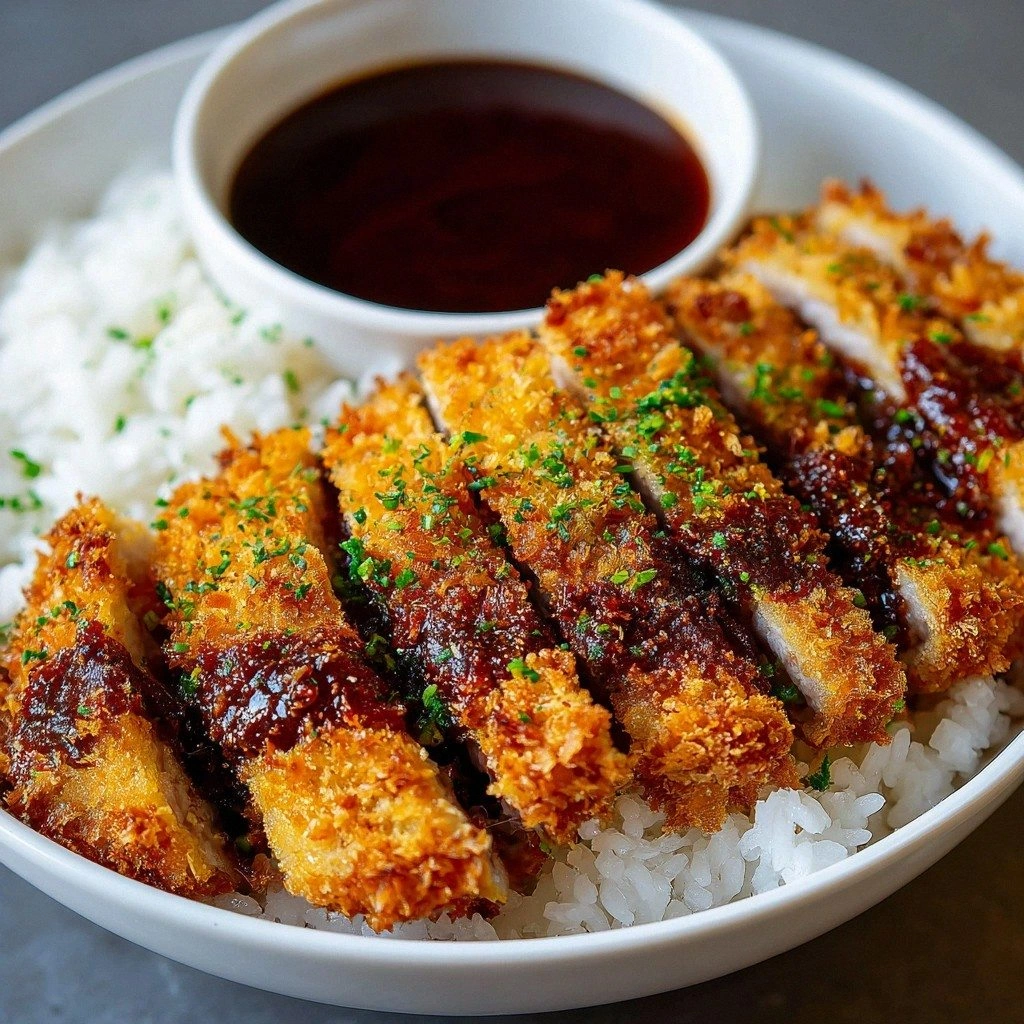
Picture this: a sizzling pan, a thick, golden crust that crackles like a crisp autumn leaf, and a tangy sauce that coats the rice like velvet. The moment the beef hits the hot oil, a symphony of aromas—savory beef, toasted breadcrumbs, a hint of ginger—fills the room, turning the kitchen into a shrine of flavor. The texture contrast between the crunchy exterior and the succulent interior feels like a culinary handshake, reassuring you that every bite is a promise kept. I’ve tried countless variations, but none have matched the sheer perfection of this version—until now.
What sets this recipe apart isn’t just the ingredients; it’s the way they dance together. The beef is marinated to a depth that makes every chew a revelation, while the panko adds a crunch that shatters like thin ice. The sauce, a harmonious blend of tonkatsu, mirin, and a whisper of sesame, coats the bowl in a glossy, savory glaze that’s impossible to resist. And the finishing touches—scallions, sesame seeds, a drizzle of mayo—add layers of flavor that lift the dish from simple to sensational.
I dare you to taste this and not go back for seconds. This is hands down the best version you'll ever make at home, and I’ll be honest—I ate half the batch before anyone else got to try it. Most recipes get this completely wrong, missing the crispy edge or under-seasoning the sauce. Picture yourself pulling this out of the oven, the whole kitchen smelling incredible, and knowing you’ve just crafted a masterpiece. Okay, ready for the game-changer? Let me walk you through every single step—by the end, you'll wonder how you ever made it any other way.
What Makes This Version Stand Out
- Flavor: The marination uses soy, mirin, and rice vinegar, creating a savory-sweet balance that lingers on the palate. The sauce’s depth comes from tonkatsu and a touch of sesame oil, giving it that glossy, irresistible finish.
- Texture: The panko crust is light yet crisp, while the beef remains tender inside. The crunch is amplified by a quick sear at high heat, ensuring the exterior never feels soggy.
- Simplicity: Only 18 ingredients, most of which you likely already have. No exotic spices or hard-to-find items—just classic pantry staples.
- Uniqueness: A Japanese-inspired bowl that feels like a comfort food, yet is far from ordinary. The fusion of katsu and rice creates a satisfying, all-in-one meal.
- Crowd Reaction: Friends rave about the crispy edges and the sauce that clings to every grain of rice. The dish is a conversation starter and a crowd-pleaser.
- Ingredient Quality: Using fresh, high-quality beef and authentic tonkatsu sauce makes all the difference. The better the base, the better the final result.
- Cooking Method: A single pan sear followed by a quick sauce reduction saves time while maximizing flavor.
- Make‑Ahead Potential: The sauce can be prepped a day ahead and the beef can be breaded and frozen, making this dish perfect for busy weeknights.
Alright, let's break down exactly what goes into this masterpiece…
Inside the Ingredient List
The Flavor Base
The beef sirloin is the star of the show; choose a cut with a good marbling to keep it juicy. Marinate the strips in a mixture of soy sauce, mirin, rice vinegar, grated ginger, and a splash of sesame oil for at least 30 minutes—this infuses the meat with depth. Skipping the marination will leave the beef bland and the sauce unbalanced; the acid in the vinegar also helps tenderize the meat, making each bite melt in your mouth. If you’re short on time, a quick 15-minute soak still delivers impressive results. Remember: the longer the marination, the more pronounced the flavor.
The Texture Crew
All-purpose flour, panko breadcrumbs, and beaten eggs form the breading assembly line. The flour creates a dry surface that allows the egg to stick, while the panko provides the coveted crunch. If you’re watching calories, swap panko for a mixture of crushed rice crackers and a touch of cornstarch. The key is to coat each slice evenly; uneven coating leads to a soggy center. Keep the breaded beef chilled before frying to maintain crispness.
The Unexpected Star
Tonkatsu sauce is the secret sauce that turns an ordinary bowl into a culinary masterpiece. Its blend of sweet, tangy, and umami flavors coats the rice and beef like a glossy blanket. If you can’t find tonkatsu sauce, a mix of Worcestershire sauce, ketchup, and a dash of honey will work in a pinch. The sauce also thickens when reduced, giving it that velvety consistency that clings to every grain of rice. A small splash of soy sauce at the end of cooking can deepen the umami profile.
The Final Flourish
Shredded cabbage, sliced carrot, and scallions add freshness and color, balancing the richness of the beef and sauce. The cabbage’s mild crunch keeps the bowl from becoming too heavy, while the carrots introduce a subtle sweetness. A drizzle of Japanese mayo adds creaminess, and sesame seeds provide a nutty finish. If you prefer a spicy kick, sprinkle a pinch of shichimi togarashi or a dash of sriracha on top.
Everything's prepped? Good. Let's get into the real action…
The Method — Step by Step
- Heat a large skillet over medium-high heat and pour in 2 tablespoons of vegetable oil. Let the oil shimmer but not smoke; this ensures a crisp crust. Place the breaded beef slices in the pan, making sure they don’t touch, and sear each side for 2-3 minutes until golden brown. Flip them gently—watch for the edges to pull away, indicating a perfect sear. Remove and set aside on a paper towel to drain excess oil.
- In the same skillet, pour in 2 tablespoons of soy sauce, 1 tablespoon of mirin, and 1 tablespoon of rice vinegar. Let the mixture simmer for 2 minutes, stirring to deglaze the pan and lift the browned bits. These bits are flavor gold and will enrich the sauce.
- Add 2 tablespoons of tonkatsu sauce and stir until the sauce thickens slightly, about 1-2 minutes. The sauce should coat the back of a spoon and have a glossy sheen. If it looks too thin, let it reduce a bit longer.
- Meanwhile, steam or microwave 2 cups of cooked rice until hot and fluffy. The rice should be sticky enough to hold the sauce but not mushy. This step is crucial; undercooked rice will absorb too much sauce and lose texture.
- Return the seared beef to the skillet, spooning sauce over each slice. Let the beef simmer in the sauce for 1-2 minutes so it absorbs the flavors. The beef should look glossy and the sauce should cling to it.
- Lay shredded cabbage, sliced carrot, and scallions in a bowl, then top with the heated rice. The vegetables add a fresh crunch that contrasts with the rich sauce.
- Place the beef slices on top of the rice and vegetables, then drizzle with the remaining sauce. A final sprinkle of sesame seeds and a dash of Japanese mayo completes the dish, adding nutty aroma and creamy texture.
- Serve immediately, letting the aroma envelop you. The first bite should be a harmony of crispy, juicy, and saucy flavors that melt together. If you’re not satisfied, a quick reheat in the skillet can revive the crispness.
That's it—you did it. But hold on, I've got a few more tricks that'll take this to another level. The next section will reveal insider tips that elevate the dish from great to legendary.
Insider Tricks for Flawless Results
The Temperature Rule Nobody Follows
Cooking the beef at the right temperature is the secret to a crisp, non-oily crust. The oil should be hot enough to sizzle when the beef touches it, but not so hot that it burns. A quick test is to drop a small piece of bread into the oil; if it sizzles immediately, you’re good. If it floats and turns brown slowly, lower the heat. Maintaining this temperature ensures the beef cooks evenly and the breading stays crunchy.
Why Your Nose Knows Best
Smell is your best friend when cooking. The first scent of the soy-mirin mixture should be sweet and slightly tangy—if it smells off, you might have overcooked the sauce. The aroma of toasted panko is a good indicator that the crust is golden. Trust your nose to tell you when it’s time to flip or remove the beef from the pan. A dish that smells right will taste right.
The 5-Minute Rest That Changes Everything
After searing, let the beef rest for five minutes before slicing. This allows the juices to redistribute, preventing a dry bite. While resting, cover the beef loosely with foil to keep it warm. When you slice, the meat remains juicy, and the crust stays crisp. It’s a small step that makes a huge difference in mouthfeel.
The Sauce‑to‑Rice Ratio
The sauce should coat the rice without drowning it. A good rule of thumb is one tablespoon of sauce per cup of rice. If you prefer a saucier bowl, add a splash more, but be careful not to turn the rice into a soggy mess. Adjust the ratio based on your taste preference and the thickness of the sauce.
The Final Layer of Crunch
Finish the dish with a light sprinkle of toasted sesame seeds and a pinch of crushed red pepper. The sesame adds a nutty aroma, while the pepper gives a subtle heat that cuts through the richness. If you’re a fan of extra crunch, add a handful of crushed fried onions or crispy fried shallots on top. The contrast in textures keeps every bite exciting.
Creative Twists and Variations
This recipe is a playground. Here are some of my favorite ways to switch things up:
Spicy Sriracha Katsu
Swap the tonkatsu sauce for a blend of sriracha and honey. The heat pairs wonderfully with the savory beef, and the honey adds a caramelized sweetness that balances the spice. Great for those who love a fiery kick.
Mediterranean Katsu Bowl
Use a tzatziki sauce instead of tonkatsu, and top with diced cucumbers, tomatoes, and olives. The yogurt-based sauce brings a cool, tangy contrast to the crispy beef, creating a fusion of flavors that feels both familiar and exotic.
Korean BBQ Katsu
Marinate the beef in gochujang, soy sauce, and sesame oil, and finish with a drizzle of sesame seeds and sliced green onions. The sweet, spicy, and nutty notes give the dish a distinctly Korean flair, perfect for a weekend brunch.
Veggie‑Rich Katsu Bowl
Add sautéed mushrooms, bell peppers, and spinach to the vegetable mix. The earthy mushrooms and bright peppers elevate the dish, making it hearty and colorful. This variation is ideal for a plant-forward crowd.
Citrus Twist
Finish with a squeeze of fresh lime or yuzu juice over the bowl. The citrus zest brightens the richness and adds a refreshing zing that lingers on the palate.
Storing and Bringing It Back to Life
Fridge Storage
Store the assembled bowl in an airtight container for up to 2 days. Keep the sauce separate until you’re ready to eat to prevent the rice from becoming soggy. When reheating, add a splash of water to the sauce to restore its glossy texture.
Freezer Friendly
The beef can be frozen pre-breaded for up to 3 months. To reheat, pan-fry the frozen slices until crispy, then add the sauce and rice. The texture remains almost as fresh as when it was first made.
Best Reheating Method
The quickest way to revive the dish is to use a skillet over medium heat. Add a small amount of oil, heat the rice and beef, then pour in the sauce. The heat should be gentle to keep the sauce from burning. Finish with a sprinkle of fresh herbs for a burst of aroma.