I remember the night I tried to salvage a soggy, bland eggplant that had been left in the fridge too long. The smell hit me like a cold wind—nothing but stale vegetable and a hint of forgotten dreams. I was about to toss it into the trash when a friend dared me to turn it into something spectacular. That dare sparked a culinary rebellion, and the result has become my secret weapon for turning ordinary into unforgettable.
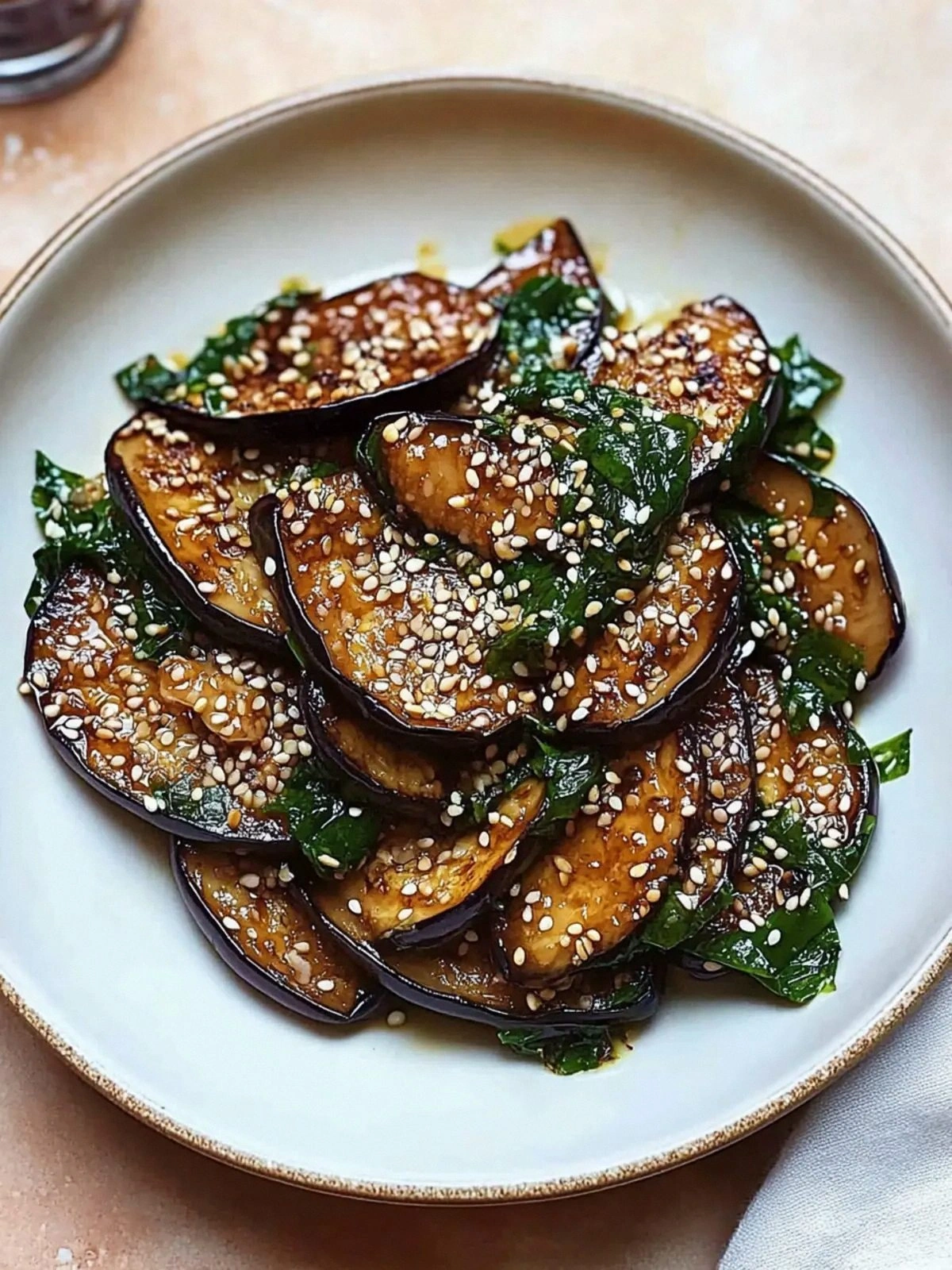
Picture the moment the eggplant slices hit the hot skillet: a sizzle that sounds like applause, a golden crust forming that crackles like a crisp sunrise. The air fills with a sweet, umami perfume that makes you want to inhale the entire kitchen. The glaze, a glossy, caramelized coat, clings to the flesh like a velvet curtain, promising a burst of flavor with each bite. The texture is a harmonious dance—soft, tender inside, with a slightly crisp edge that gives a satisfying bite. It’s the kind of dish that turns a simple dinner into a celebration.
What makes this version of miso glazed eggplant a game‑changer is not just the ingredients, but the way they interact. The miso paste is a powerhouse of umami that balances the natural bitterness of eggplant. The mirin adds a subtle sweetness that lingers, while honey brings depth without overpowering. Fresh ginger injects a zesty kick that wakes the palate, and garlic offers a classic savory backbone. Sesame seeds add a nutty crunch, and green onions finish with a bright, fresh finish. Together they create a dish that feels both exotic and comfortingly familiar.
I dare you to taste this and not go back for seconds. I promise the first bite will make you question every other eggplant dish you’ve ever made. Most recipes get this completely wrong—tossing the eggplant into the oven without a proper glaze or seasoning. Here’s what actually works: a quick sear, a sweet‑savory glaze, and a final burst of crunch. Picture yourself pulling this out of the oven, the whole kitchen smelling incredible, and watching the glaze caramelize into a glossy, caramelized coat that makes your eyes water in delight. Let me walk you through every single step — by the end, you’ll wonder how you ever made it any other way.
What Makes This Version Stand Out
- Umami: White miso paste delivers a deep, savory flavor that elevates the natural earthiness of eggplant. It’s the secret sauce that turns a humble vegetable into a star.
- Balance: The combination of mirin and honey creates a sweet‑savory harmony that cuts through the mild bitterness of the eggplant.
- Texture: A quick sear followed by glazing locks in moisture while giving a crisp, caramelized edge that shatters like thin ice.
- Freshness: Fresh ginger and garlic add a bright, aromatic punch that keeps the dish from feeling heavy.
- Visual Appeal: The glossy glaze and pop of sesame seeds and green onions make it Instagram‑ready without any extra effort.
- Versatility: Works as an appetizer, side dish, or main when paired with rice or noodles.
- Time‑Efficient: Prep and cook together under 45 minutes, making it perfect for weeknight dinners.
- Make‑Ahead Friendly: The glaze can be pre‑made and stored, saving precious time on busy nights.
Inside the Ingredient List
The Flavor Base
The white miso paste is the heart of this dish, offering a complex umami profile that pairs beautifully with the sweet notes of mirin and honey. It’s essential for that depth of flavor; if you skip it, the dish loses its character and feels flat. A small spoonful of miso can make a big difference, so don’t be tempted to cut it out to save calories. If you’re vegan, look for a plant‑based miso that’s free of fish sauces or additives.
The Sweet‑Savory Duo
Mirin, a sweet Japanese rice wine, adds a subtle caramelized sweetness that balances the savory miso. It also helps the glaze set into a glossy, sticky coating. Honey brings a natural sweetness that deepens the glaze’s flavor profile without the sharpness of refined sugar. Together they create a sweet‑savory dance that lingers on the tongue. If you’re avoiding sugar, a splash of maple syrup can replace honey with a slightly different nuance.
The Aromatic Crew
Fresh ginger cuts through the richness and adds a bright, zesty kick. Its warm, peppery aroma lifts the dish, making it feel lively and fresh. Garlic provides the classic savory backbone; its mellow, slightly sweet flavor balances the miso’s saltiness. Together they create an aromatic foundation that elevates every bite. If you prefer a milder flavor, use ½ teaspoon of grated ginger and 1 clove of garlic.
The Final Flourish
Sesame seeds add a nutty crunch that contrasts the soft interior of the eggplant. They also provide a subtle, earthy depth that rounds out the glaze. Chopped green onions give a bright, fresh finish, adding color and a gentle oniony note that cuts through the richness. These final touches transform the dish from simple to sensational. If you’re allergic to sesame, omit the seeds; the dish remains delicious.
Everything’s prepped? Good. Let’s get into the real action.
The Method — Step by Step
- Preheat a large non‑stick skillet over medium‑high heat. Let the pan heat until it’s shimmering but not smoking, then add the olive oil. The oil should swirl and coat the surface, indicating the right temperature. This step is crucial for achieving a golden crust.
- Place the eggplant slices in a single layer, skin side up. Don’t crowd the pan; you want each slice to sear evenly. Let them cook for 2–3 minutes until the first side develops a golden brown crust. Flip gently with a spatula; you’ll see a beautiful, caramelized edge.
- While the eggplant cooks, whisk together the miso paste, mirin, soy sauce, honey, grated ginger, and minced garlic in a small bowl. Stir until the mixture is smooth and glossy. This glaze will coat the eggplant and lock in moisture.
- Reduce the heat to medium and pour the glaze over the eggplant slices, turning each slice to ensure an even coating. The glaze should sizzle softly as it hits the hot surface. This is the moment of truth; watch the glaze caramelize.
- Continue cooking for an additional 3–4 minutes, turning the slices occasionally. The glaze will thicken into a sticky, glossy coating that clings to the eggplant. The edges should start pulling away slightly, creating a crisp texture.
- Remove the skillet from heat and sprinkle sesame seeds over the slices. Toss gently to distribute the seeds evenly. The seeds add a nutty crunch that contrasts the soft interior.
- Transfer the glazed eggplant to a serving platter. Finish with a generous scattering of chopped green onions for a bright, fresh finish. The onions add color and a gentle oniony note that cuts through the richness.
- Serve immediately while the eggplant is warm and the glaze is still glossy. Pair with steamed rice, soba noodles, or a simple green salad to balance the dish. This dish is a crowd‑pleaser that will have everyone asking for the recipe.
That’s it — you did it. But hold on, I’ve got a few more tricks that’ll take this to another level.
Insider Tricks for Flawless Results
The Temperature Rule Nobody Follows
Cooking at the right temperature is the secret to a perfect caramelized glaze. Too high, and the sugar burns; too low, and the glaze stays liquid. Aim for medium‑high heat during the initial sear, then reduce to medium for glazing. This balance ensures a glossy finish without bitterness.
Why Your Nose Knows Best
As the glaze cooks, you’ll notice a sweet, umami aroma that signals readiness. That scent is the cue to turn the slices and allow the glaze to thicken. Trust your nose; it’s the most reliable indicator of doneness.
The 5‑Minute Rest That Changes Everything
Letting the glazed eggplant rest for a few minutes before serving allows the glaze to set into a silky coating. This rest period also lets the flavors meld together, creating a more cohesive taste. Don’t rush; the extra minutes make a noticeable difference.
The Secret of Sesame Seeds
Toast sesame seeds in a dry pan for 1–2 minutes before sprinkling them on the dish. Toasting releases their oils, giving them a richer, nuttier flavor that enhances the glaze. It also adds a subtle crunch that elevates the texture.
The Power of Fresh Ginger
Fresh ginger is far superior to powdered ginger for this recipe. It provides a bright, zesty flavor that cuts through the richness of the glaze. Grate the ginger finely so it blends seamlessly into the sauce without adding grit.
Creative Twists and Variations
This recipe is a playground. Here are some of my favorite ways to switch things up:
Spicy Sriracha Kick
Add a tablespoon of sriracha to the glaze for a fiery twist. The heat pairs beautifully with the sweet glaze, creating a bold flavor profile. It’s perfect for those who love a spicy challenge.
Citrus Burst
Replace honey with orange juice and add a splash of lime zest. The citrus brightens the dish, making it lighter and more refreshing. This variation is ideal for summer gatherings.
Smoky Chipotle
Stir in a teaspoon of chipotle powder for a smoky depth. The chipotle’s earthy undertones complement the miso glaze, creating a complex flavor. This version works great with grilled meats.
Herb‑Infused Finale
Finish with chopped fresh basil or cilantro instead of green onions. The herbs add a fresh, aromatic layer that lifts the dish. It’s a quick way to switch up the flavor profile for a Mediterranean vibe.
Roasted Garlic Version
Roast the garlic cloves before mincing for a sweeter, milder garlic flavor. The roasted garlic adds depth without the sharp bite of raw garlic. This version is great for a comforting, homey feel.
Storing and Bringing It Back to Life
Fridge Storage
Store the glazed eggplant in an airtight container in the refrigerator for up to 3 days. The glaze may thicken slightly, but it remains delicious. Reheat gently in a skillet or microwave to restore its glossy sheen.
Freezer Friendly
For longer storage, freeze the glazed eggplant in a freezer‑safe container for up to 2 months. Thaw overnight in the refrigerator before reheating. The texture stays tender, and the glaze remains flavorful.
Best Reheating Method
To reheat, add a splash of water or broth to the skillet to create steam. This helps the glaze re‑soften and prevents it from drying out. Warm over low heat until the eggplant is heated through and the glaze is silky.