
Linguine With Shrimp And Lemon
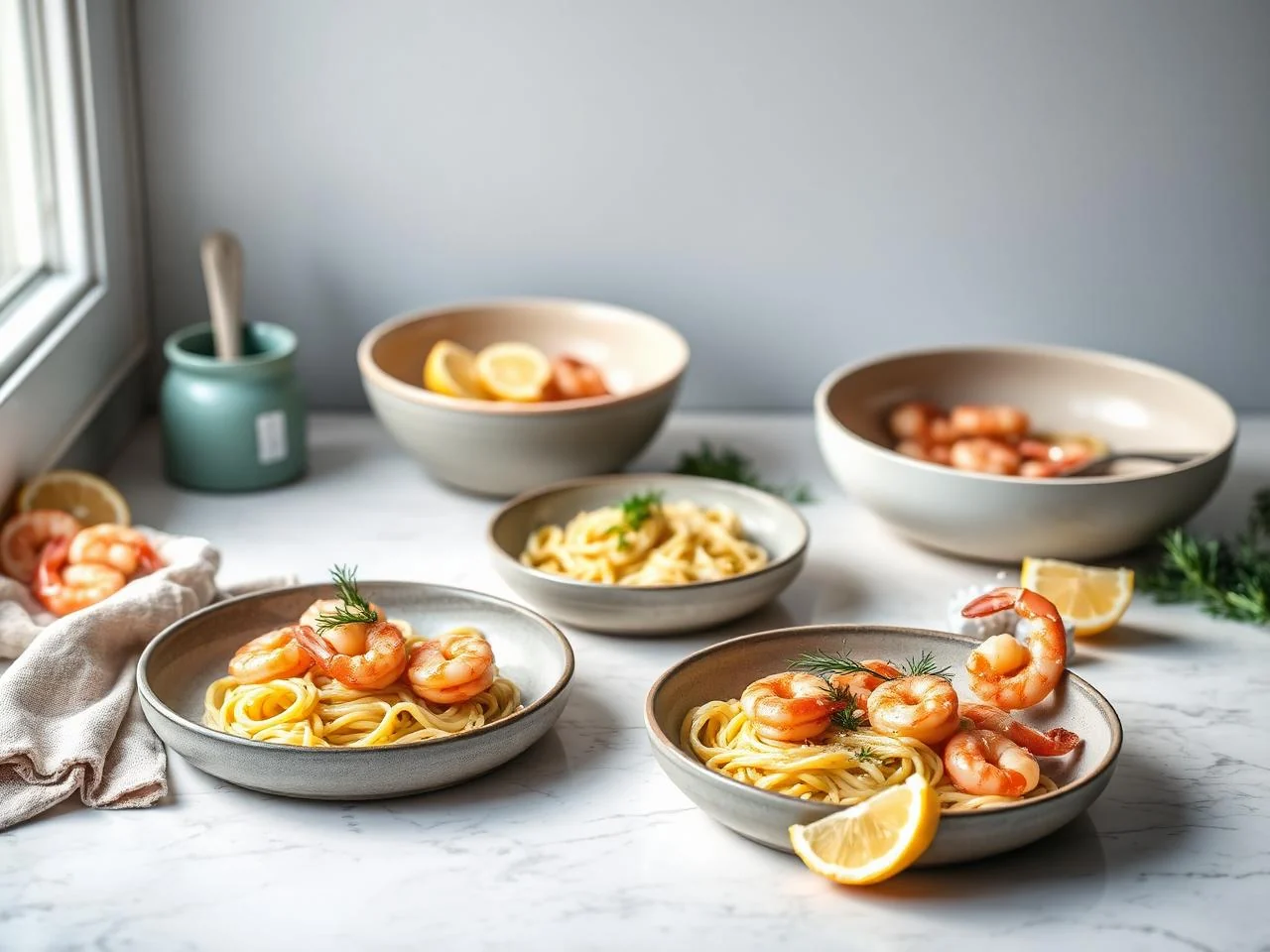
I still remember the first time I made linguine with shrimp and lemon for my family. It was a weeknight, and I wanted something quick, delicious, and impressive. This dish has since become a staple in our household, and I'm excited to share it with you.
The combination of succulent shrimp, tangy lemon, and rich garlic is a match made in heaven. And the best part? It's incredibly easy to make, requiring just a few ingredients and some basic cooking techniques.
In this recipe, I'll walk you through the steps to create a truly unforgettable dish. From selecting the freshest ingredients to cooking the perfect linguine, I'll share my tips and tricks to ensure your success.
So, whether you're a seasoned cook or just starting out, this recipe is perfect for you. It's a great way to impress your family and friends with a delicious, homemade meal that's sure to become a favorite.
In the following sections, I'll dive into the details of what makes this recipe special, the cooking science behind it, and the steps to bring it all together. So, let's get started and create a dish that will leave everyone wanting more!
Why You’ll Love This Recipe
- This recipe is incredibly easy to make and requires minimal ingredients
- It's perfect for a weeknight dinner or special occasion
- The combination of shrimp, lemon, and garlic is a classic and timeless flavor combination
- You can make it ahead of time and store it in the fridge for up to a day
- It's a great way to impress your family and friends with a delicious, homemade meal
- You can substitute the shrimp with other seafood or protein sources for a different twist
Why This Recipe Works
The key to this recipe's success lies in its balance of flavors and textures. The acidity of the lemon juice cuts through the richness of the shrimp and garlic, creating a beautiful harmony of flavors.
Another important aspect is the cooking technique. By cooking the shrimp and garlic in a hot pan with some oil, we create a nice crust on the outside while keeping the inside tender and juicy. This texture contrast adds depth to the dish and makes it more engaging to eat.
Finally, the use of fresh, high-quality ingredients is essential. Fresh lemons, garlic, and parsley make all the difference in the world, and using them will elevate your dish to the next level.
By understanding the science behind cooking and using the right techniques, we can create a dish that's not only delicious but also visually appealing and satisfying to eat.
Ingredients You’ll Need
When it comes to making linguine with shrimp and lemon, the ingredients are just as important as the cooking technique. You'll need a few basic ingredients, including fresh lemons, garlic, parsley, and of course, shrimp.
Make sure to choose the freshest ingredients possible, as they will make a big difference in the final dish. For the shrimp, look for sustainably sourced, wild-caught options if possible.
- 1 lb (450g) large shrimp, peeled and deveinedLook for sustainably sourced, wild-caught shrimp if possible. Freshness is key, so try to buy them on the day you plan to cook them.
- 2 tablespoons olive oilA good quality olive oil will add depth and richness to the dish. Choose a mild or medium-strength oil to avoid overpowering the other flavors.
- 4 cloves garlic, mincedFresh garlic is essential for this recipe. You can adjust the amount to your taste, but keep in mind that the garlic will mellow out a bit during cooking.
- 2 tablespoons freshly squeezed lemon juiceUse a manual or electric juicer to extract the juice from 1-2 fresh lemons, depending on their size and your desired level of acidity.
- 1/4 cup white wineA dry white wine will add a nice depth to the sauce without making it too sweet. You can substitute with chicken or vegetable broth if you prefer.
- 1/2 cup chopped fresh parsleyCurly-leaf or flat-leaf parsley works well in this recipe. Chop the leaves finely to release their flavor and aroma.
- 1/2 teaspoon saltUse a flaky sea salt or kosher salt to add texture and flavor to the dish. You can adjust the amount to your taste.
- 1/4 teaspoon black pepperFreshly ground black pepper will add a nice kick to the dish. Use a peppermill or grinder to grind the peppercorns just before using.
- 12 oz (340g) linguineChoose a high-quality, dried linguine that will hold its texture well during cooking. You can also use fresh linguine if available.
- 2 tablespoons unsalted butterUnsalted butter will allow you to control the amount of salt in the dish. Use a high-quality, European-style butter for the best flavor.
- 2 lemons, cut into wedgesUse these for garnish and serving. You can also squeeze a bit of extra lemon juice over the dish just before serving if desired.
Equipment You’ll Need
How to Make Linguine With Shrimp And Lemon
- 1Bring a large pot of salted water to a boil and cook the linguine according to the package instructions until al dente. Reserve 1 cup of pasta water before draining the linguine.
- 2In a large skillet, heat the olive oil over medium-high heat. Add the garlic and cook for 1-2 minutes, until fragrant and lightly golden.
- 3Add the shrimp to the skillet and cook for 2-3 minutes per side, until they reach 145 F (63 C) and are pink and fully cooked. Remove the shrimp from the skillet and set them aside on a plate.
- 4Reduce the heat to medium and add the white wine to the skillet. Scrape up any browned bits from the bottom of the pan and cook until the wine has almost completely evaporated.
- 5Add the lemon juice, salt, and pepper to the skillet. Stir to combine and cook for 1 minute, until the sauce has slightly thickened.
- 6Add the chopped parsley to the skillet and stir to combine. Cook for 1 minute, until the parsley is wilted and the sauce is fragrant.
- 7Add the cooked linguine to the skillet, tossing to combine with the sauce. If the sauce seems too thick, add a bit of the reserved pasta water.
- 8Add the unsalted butter to the skillet and stir until melted and combined with the sauce.
- 9Return the cooked shrimp to the skillet and toss to combine with the linguine and sauce.
- 10Cook for an additional 1-2 minutes, until the shrimp are coated in the sauce and the linguine is well combined.
- 11Remove the skillet from the heat and let it rest for 2-3 minutes before serving.
- 12Serve the linguine hot, garnished with lemon wedges and a sprinkle of parsley if desired.
Expert Tips
- Make sure to not overcook the shrimp, as they can become tough and rubbery.
- Use a high-quality olive oil to add depth and richness to the dish.
- Don't overcrowd the skillet when cooking the shrimp, as this can lower the temperature and affect the cooking time.
- Add the parsley at the end of cooking to preserve its flavor and texture.
- Use a thermometer to ensure the shrimp reach a safe internal temperature of 145 F (63 C).
- Let the dish rest for a few minutes before serving to allow the flavors to meld together.
- Experiment with different types of citrus, such as lime or orange, for a unique twist on the recipe.
- Add some red pepper flakes for a spicy kick, if desired.
Common Mistakes to Avoid
- Overcooking the shrimp, leading to a tough and rubbery texture.
- Not reserving enough pasta water, resulting in a dry and sticky sauce.
- Adding the parsley too early, causing it to lose its flavor and texture.
- Not using a thermometer to check the internal temperature of the shrimp.
- Overcrowding the skillet, leading to uneven cooking and a lower temperature.
- Not letting the dish rest before serving, resulting in a disjointed flavor profile.
Variations and Substitutions
- Substitute the shrimp with scallops or chicken for a different protein option.
- Add some diced vegetables, such as bell peppers or zucchini, to the skillet for added flavor and nutrition.
- Use different types of citrus, such as lime or orange, for a unique twist on the recipe.
- Add some red pepper flakes for a spicy kick, if desired.
- Experiment with different types of pasta, such as spaghetti or fettuccine, for a change of pace.
- Add some grated Parmesan cheese for an extra burst of flavor and creaminess.
- Use fresh herbs, such as basil or thyme, for a different flavor profile.
What to Serve With Linguine With Shrimp And Lemon
This dish is perfect for serving with a side of garlic bread or a green salad. You can also add some steamed vegetables, such as asparagus or broccoli, for a well-rounded meal.
Consider serving with a dry white wine, such as Pinot Grigio or Sauvignon Blanc, to complement the citrus and seafood flavors.
Make-Ahead, Storage, Freezing and Reheating
This dish can be made ahead of time and stored in the fridge for up to a day. Simply cook the linguine and sauce, then combine and refrigerate until ready to serve.
To freeze, cook the linguine and sauce, then let it cool completely. Transfer the dish to an airtight container or freezer bag and store in the freezer for up to 3 months.
To reheat, simply thaw the dish overnight in the fridge, then reheat in the microwave or on the stovetop until warmed through.
When reheating, add a bit of water or pasta water to the dish to prevent it from becoming too dry. You can also add some fresh parsley or lemon juice to brighten up the flavors.
Frequently Asked Questions
What type of shrimp should I use for this recipe?
You can use any type of large shrimp, such as Gulf Coast or Pacific white shrimp. Look for sustainably sourced, wild-caught options if possible.
Can I substitute the shrimp with other seafood?
Yes, you can substitute the shrimp with scallops, chicken, or other protein sources. Adjust the cooking time and method according to the ingredient you choose.
How do I prevent the shrimp from becoming tough and rubbery?
To prevent the shrimp from becoming tough and rubbery, make sure to not overcook them. Cook the shrimp until they reach an internal temperature of 145 F (63 C) and are pink and fully cooked.
Can I make this dish ahead of time?
Yes, you can make this dish ahead of time and store it in the fridge for up to a day. Simply cook the linguine and sauce, then combine and refrigerate until ready to serve.
How do I reheat the dish without drying it out?
To reheat the dish without drying it out, add a bit of water or pasta water to the dish to prevent it from becoming too dry. You can also add some fresh parsley or lemon juice to brighten up the flavors.
Can I freeze this dish?
Yes, you can freeze this dish for up to 3 months. Cook the linguine and sauce, then let it cool completely. Transfer the dish to an airtight container or freezer bag and store in the freezer.
What type of wine pairs well with this dish?
A dry white wine, such as Pinot Grigio or Sauvignon Blanc, pairs well with this dish. The citrus and seafood flavors are complemented by the crisp acidity of the wine.
Can I add other ingredients to the dish?
Yes, you can add other ingredients to the dish, such as diced vegetables or grated cheese. Experiment with different combinations to find your favorite.
Ingredients
- 1 lb (450g) large shrimp, peeled and deveined
- 2 tablespoons olive oil
- 4 cloves garlic, minced
- 2 tablespoons freshly squeezed lemon juice
- 1/4 cup white wine
- 1/2 cup chopped fresh parsley
- 1/2 teaspoon salt
- 1/4 teaspoon black pepper
- 12 oz (340g) linguine
- 2 tablespoons unsalted butter
- 2 lemons, cut into wedges
Instructions
- Bring a large pot of salted water to a boil and cook the linguine according to the package instructions until al dente. Reserve 1 cup of pasta water before draining the linguine.
- In a large skillet, heat the olive oil over medium-high heat. Add the garlic and cook for 1-2 minutes, until fragrant and lightly golden.
- Add the shrimp to the skillet and cook for 2-3 minutes per side, until they reach 145 F (63 C) and are pink and fully cooked. Remove the shrimp from the skillet and set them aside on a plate.
- Reduce the heat to medium and add the white wine to the skillet. Scrape up any browned bits from the bottom of the pan and cook until the wine has almost completely evaporated.
- Add the lemon juice, salt, and pepper to the skillet. Stir to combine and cook for 1 minute, until the sauce has slightly thickened.
- Add the chopped parsley to the skillet and stir to combine. Cook for 1 minute, until the parsley is wilted and the sauce is fragrant.
- Add the cooked linguine to the skillet, tossing to combine with the sauce. If the sauce seems too thick, add a bit of the reserved pasta water.
- Add the unsalted butter to the skillet and stir until melted and combined with the sauce.
- Return the cooked shrimp to the skillet and toss to combine with the linguine and sauce.
- Cook for an additional 1-2 minutes, until the shrimp are coated in the sauce and the linguine is well combined.
- Remove the skillet from the heat and let it rest for 2-3 minutes before serving.
- Serve the linguine hot, garnished with lemon wedges and a sprinkle of parsley if desired.