
Salmon En Papillote
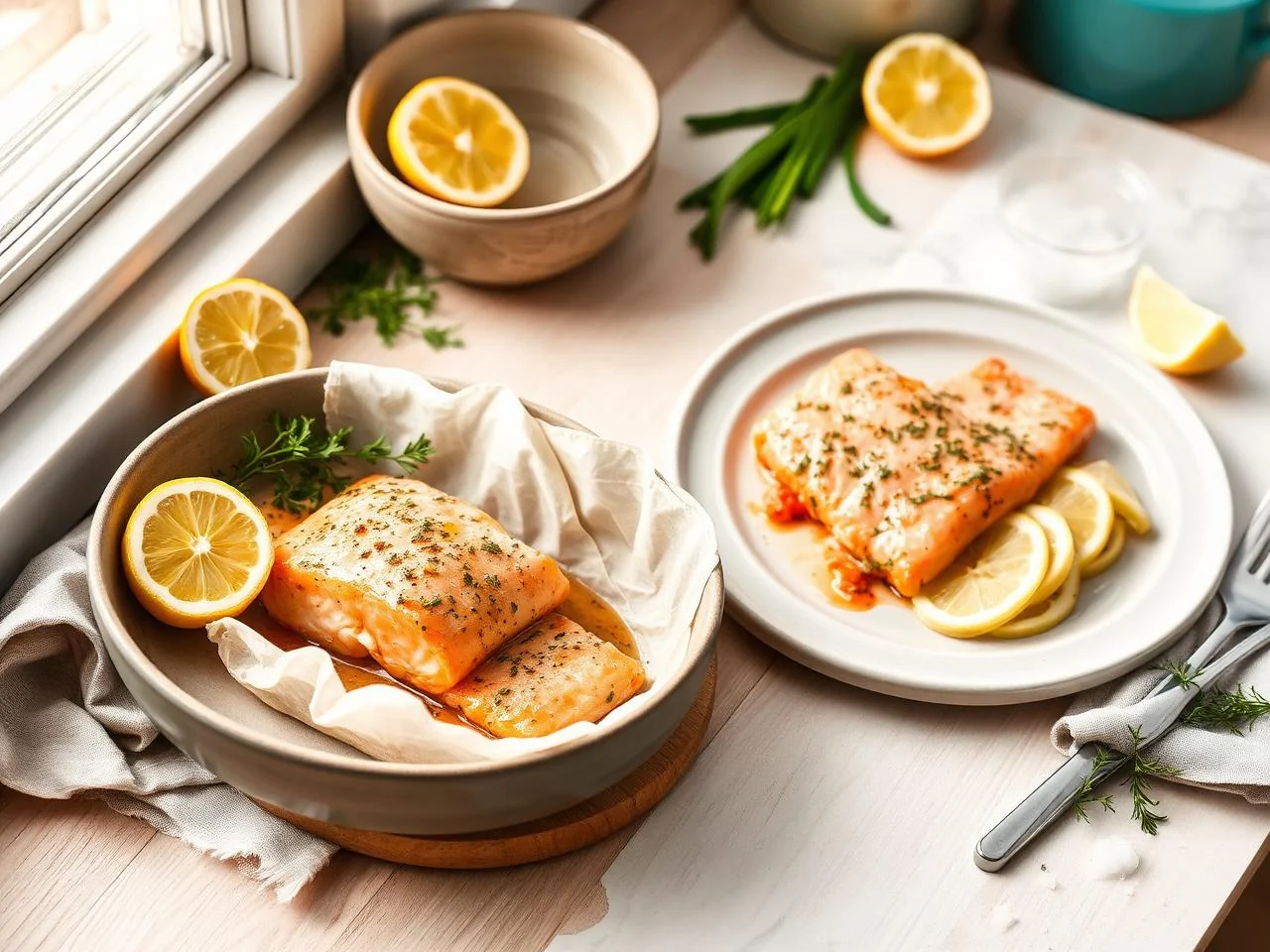
I still remember the first time I had salmon en papillote at a French restaurant. The combination of flavors and the tender fish was a revelation. Since then, I've made it countless times at home, and it's become a staple in my kitchen. The beauty of this dish lies in its simplicity and the fact that it's incredibly easy to make, even for those who are new to cooking seafood.
The key to a great salmon en papillote is using fresh, high-quality ingredients and not overcomplicating the recipe. You want to let the natural flavors of the salmon, lemon, and herbs shine through. In this recipe, I'll guide you through the process of making salmon en papillote that's sure to impress your family and friends.
What I love about this recipe is that it's perfect for any occasion. Whether you're looking for a quick weeknight dinner or a special occasion meal, salmon en papillote is a great choice. It's also a very versatile dish, and you can customize it to your taste by using different herbs and spices.
One of the best things about cooking salmon en papillote is that it's a very forgiving dish. Even if you're not the most experienced cook, you can still achieve great results. The parchment paper packets ensure that the fish is cooked evenly and that all the flavors are trapped inside, resulting in a moist and delicious piece of salmon.
Why You’ll Love This Recipe
- This recipe is easy to make and requires minimal preparation time.
- The ingredients are readily available and affordable.
- The dish is perfect for any occasion, from a quick weeknight dinner to a special occasion meal.
- The recipe is very versatile, and you can customize it to your taste by using different herbs and spices.
- The parchment paper packets make the dish easy to serve and clean up.
- The recipe is foolproof, and even inexperienced cooks can achieve great results.
Why This Recipe Works
The success of this recipe lies in the combination of the right ingredients and the correct cooking technique. By using fresh salmon, high-quality herbs, and a bit of lemon juice, we create a flavor profile that's both bright and rich. The parchment paper packets allow for even cooking and help to retain the moisture of the fish.
The cooking time and temperature are also crucial in this recipe. Cooking the salmon at 400 F (200 C) for 12-15 minutes ensures that it's cooked through and flakes easily with a fork. The internal temperature of the salmon should reach 145 F (63 C) when it's done.
Another important aspect of this recipe is the resting time. After cooking, it's essential to let the salmon rest for a few minutes before serving. This allows the juices to redistribute, and the fish to retain its moisture and flavor.
Ingredients You’ll Need
For this recipe, you'll need a few simple ingredients, including fresh salmon, lemons, herbs, and spices. Make sure to choose the freshest ingredients possible, as they will greatly impact the flavor of the dish. You can find most of the ingredients at your local grocery store or fish market.
When selecting the salmon, look for fresh, sustainably sourced fish with a pleasant smell and firm texture. You can use either wild-caught or farmed salmon, depending on your preference and what's available in your area.
- 4 salmon fillets (6 oz each)Look for fresh, sustainably sourced salmon with a pleasant smell and firm texture. You can use either wild-caught or farmed salmon, depending on your preference and what's available in your area. Make sure the fillets are of similar size so that they cook evenly.
- 2 lemons, slicedUse fresh lemons for the best flavor. You can adjust the amount of lemon slices to your taste, but keep in mind that the acidity of the lemon will help to brighten the flavors of the dish.
- 1/4 cup olive oilUse a high-quality olive oil with a mild flavor to avoid overpowering the other ingredients. You can also use other neutral-tasting oils like avocado oil or grapeseed oil if you prefer.
- 4 tbsp chopped fresh parsleyFresh parsley adds a bright, fresh flavor to the dish. You can also use other herbs like dill or basil if you prefer. Make sure to chop the parsley finely so that it distributes evenly throughout the dish.
- 2 tbsp chopped fresh dillFresh dill adds a delicate, sweet flavor to the dish. You can adjust the amount of dill to your taste, but keep in mind that it pairs well with the salmon and lemon.
- 2 cloves garlic, mincedUse fresh garlic for the best flavor. You can adjust the amount of garlic to your taste, but keep in mind that it will mellow out during cooking and add depth to the dish.
- 1 tsp saltUse a high-quality salt like kosher salt or sea salt to add depth and texture to the dish. You can adjust the amount of salt to your taste, but keep in mind that the salmon will absorb some of the salt during cooking.
- 1/2 tsp black pepperUse freshly ground black pepper for the best flavor. You can adjust the amount of pepper to your taste, but keep in mind that it will add a subtle kick to the dish.
- 1/4 cup white wine (optional)Use a dry white wine like Sauvignon Blanc or Pinot Grigio to add a subtle flavor to the dish. You can omit the wine if you prefer or substitute it with chicken broth or fish stock.
- 2 tbsp unsalted butterUse high-quality unsalted butter to add richness and flavor to the dish. You can adjust the amount of butter to your taste, but keep in mind that it will help to keep the salmon moist and tender.
Equipment You’ll Need
How to Make Salmon En Papillote
- 1Preheat your oven to 400 F (200 C).
- 2Line a large baking sheet with parchment paper, leaving enough room for the salmon fillets to fit in a single layer.
- 3Place the salmon fillets on the prepared baking sheet, leaving about 1 inch of space between each fillet.
- 4Drizzle the olive oil over the salmon fillets, making sure they're evenly coated.
- 5Place a slice of lemon on top of each salmon fillet, followed by a sprinkle of chopped parsley and dill.
- 6Sprinkle the minced garlic over the salmon fillets, making sure to distribute it evenly.
- 7Season the salmon fillets with salt and black pepper, adjusting the amount to your taste.
- 8If using white wine, pour it over the salmon fillets, making sure they're evenly coated.
- 9Place a pat of butter on top of each salmon fillet, making sure it's evenly distributed.
- 10Fold the parchment paper over the salmon fillets, creating a tight seal. Make sure the edges are secure to prevent steam from escaping.
- 11Bake the salmon fillets in the preheated oven for 12-15 minutes, or until they reach an internal temperature of 145 F (63 C). Check the temperature with an instant-read thermometer in the thickest part of the fillet.
- 12Remove the salmon fillets from the oven and let them rest for 2-3 minutes before serving.
- 13Serve the salmon fillets hot, garnished with additional parsley and lemon slices if desired.
Expert Tips
- Make sure to use fresh, high-quality ingredients for the best flavor.
- Don't overcook the salmon fillets, as they can become dry and tough.
- Use a thermometer to ensure the salmon fillets reach a safe internal temperature.
- Let the salmon fillets rest for a few minutes before serving to allow the juices to redistribute.
- Experiment with different herbs and spices to find the combination that works best for you.
- Consider serving the salmon fillets with a side of roasted vegetables or quinoa for a well-rounded meal.
- If you're looking for a more indulgent dish, you can add some cream or cheese to the parchment paper packets before baking.
Common Mistakes to Avoid
- Overcooking the salmon fillets, resulting in dry and tough fish.
- Not using a thermometer to ensure the salmon fillets reach a safe internal temperature.
- Not letting the salmon fillets rest for a few minutes before serving, resulting in a less tender and flavorful dish.
- Not using fresh, high-quality ingredients, resulting in a less flavorful dish.
- Not seasoning the salmon fillets adequately, resulting in a bland dish.
- Not sealing the parchment paper packets tightly, resulting in steam escaping and a less flavorful dish.
Variations and Substitutions
- Try using different types of fish, such as cod or tilapia, for a unique flavor and texture.
- Experiment with different herbs and spices, such as thyme or rosemary, to find the combination that works best for you.
- Add some diced vegetables, such as bell peppers or zucchini, to the parchment paper packets for added flavor and nutrition.
- Use a flavored oil, such as truffle oil or chili oil, to add a unique flavor to the dish.
- Try serving the salmon fillets with a side of rice or noodles for a more filling meal.
- Consider adding some acidity, such as lemon juice or vinegar, to the dish to brighten the flavors.
What to Serve With Salmon En Papillote
Serve the salmon fillets hot, garnished with additional parsley and lemon slices if desired. You can also serve them with a side of roasted vegetables, quinoa, or rice for a well-rounded meal. Consider adding some acidity, such as lemon juice or vinegar, to the dish to brighten the flavors.
Some other options for serving the salmon fillets include serving them with a side of steamed asparagus or green beans, or pairing them with a salad or soup for a lighter meal. You can also experiment with different sauces or toppings, such as a dollop of sour cream or a sprinkle of chopped herbs, to add extra flavor and texture to the dish.
Make-Ahead, Storage, Freezing and Reheating
If you're not planning to serve the salmon fillets immediately, you can store them in the refrigerator for up to 24 hours. Simply place the cooked salmon fillets in an airtight container and refrigerate them at 40 F (4 C) or below.
You can also freeze the cooked salmon fillets for up to 3 months. Simply place the cooked salmon fillets in an airtight container or freezer bag and freeze them at 0 F (-18 C) or below. When you're ready to serve, simply thaw the frozen salmon fillets in the refrigerator or at room temperature, and reheat them in the oven or on the stovetop until they're heated through.
Reheating the salmon fillets can be a bit tricky, as they can become dry and tough if overcooked. To reheat them, simply place the cooked salmon fillets in the oven at 300 F (150 C) for 5-7 minutes, or until they're heated through. You can also reheat them on the stovetop in a pan with a small amount of oil or butter, cooking them over medium heat until they're heated through.
Frequently Asked Questions
What type of salmon is best for this recipe?
You can use either wild-caught or farmed salmon for this recipe, depending on your preference and what's available in your area. Look for fresh, sustainably sourced salmon with a pleasant smell and firm texture.
Can I use other types of fish for this recipe?
Yes, you can use other types of fish for this recipe, such as cod or tilapia. Just keep in mind that the cooking time and temperature may vary depending on the type of fish you use.
How do I know if the salmon fillets are cooked through?
You can check the internal temperature of the salmon fillets with an instant-read thermometer to ensure they're cooked through. The internal temperature should reach 145 F (63 C) for safe consumption.
Can I make this recipe ahead of time?
Yes, you can make this recipe ahead of time. Simply prepare the salmon fillets and store them in the refrigerator for up to 24 hours, or freeze them for up to 3 months.
What's the best way to reheat the salmon fillets?
You can reheat the salmon fillets in the oven or on the stovetop. Simply place the cooked salmon fillets in the oven at 300 F (150 C) for 5-7 minutes, or until they're heated through. You can also reheat them on the stovetop in a pan with a small amount of oil or butter, cooking them over medium heat until they're heated through.
Can I add other ingredients to the parchment paper packets?
Yes, you can add other ingredients to the parchment paper packets, such as diced vegetables or herbs. Just keep in mind that the cooking time and temperature may vary depending on the ingredients you add.
How do I store the salmon fillets after cooking?
You can store the cooked salmon fillets in the refrigerator for up to 24 hours, or freeze them for up to 3 months. Simply place the cooked salmon fillets in an airtight container or freezer bag and refrigerate or freeze them at the recommended temperatures.
Can I serve the salmon fillets with a side dish?
Yes, you can serve the salmon fillets with a side dish, such as roasted vegetables or quinoa. Simply prepare the side dish according to your recipe and serve it alongside the salmon fillets.
Ingredients
- 4 salmon fillets (6 oz each)
- 2 lemons, sliced
- 1/4 cup olive oil
- 4 tbsp chopped fresh parsley
- 2 tbsp chopped fresh dill
- 2 cloves garlic, minced
- 1 tsp salt
- 1/2 tsp black pepper
- 1/4 cup white wine (optional)
- 2 tbsp unsalted butter
Instructions
- Preheat your oven to 400 F (200 C).
- Line a large baking sheet with parchment paper, leaving enough room for the salmon fillets to fit in a single layer.
- Place the salmon fillets on the prepared baking sheet, leaving about 1 inch of space between each fillet.
- Drizzle the olive oil over the salmon fillets, making sure they're evenly coated.
- Place a slice of lemon on top of each salmon fillet, followed by a sprinkle of chopped parsley and dill.
- Sprinkle the minced garlic over the salmon fillets, making sure to distribute it evenly.
- Season the salmon fillets with salt and black pepper, adjusting the amount to your taste.
- If using white wine, pour it over the salmon fillets, making sure they're evenly coated.
- Place a pat of butter on top of each salmon fillet, making sure it's evenly distributed.
- Fold the parchment paper over the salmon fillets, creating a tight seal. Make sure the edges are secure to prevent steam from escaping.
- Bake the salmon fillets in the preheated oven for 12-15 minutes, or until they reach an internal temperature of 145 F (63 C). Check the temperature with an instant-read thermometer in the thickest part of the fillet.
- Remove the salmon fillets from the oven and let them rest for 2-3 minutes before serving.
- Serve the salmon fillets hot, garnished with additional parsley and lemon slices if desired.