Picture this: it’s a rainy Sunday afternoon, the kitchen smells like a forgotten bakery, and your sourdough starter has just finished its daily purge. I’m left with a cup of discard, a pantry full of flour, and an itch that only a savory, airy bread can scratch. I tried to make a simple focaccia the way every recipe says, but the result was flat, bland, and frankly, a little sad. That night, I decided to turn the discard into something heroic, something that would make the whole house smell like a Mediterranean market and have everyone begging for seconds. I dare you to taste this and not go back for more.
The moment the dough hits the counter, the air turns electric. The sourdough discard gives it a tang that’s like a whisper of sea breeze, while the olive oil coats the surface like a glossy, edible paint. As I fold and stretch the dough, the sound of it popping against the countertop is a tiny drumbeat, promising a crust that’s crisp yet chewy. The aroma that starts to develop—sweet, yeasty, with a hint of roasted garlic—fills the room, and you can almost taste the buttery, nutty undertones that will come from the artisan cheese. I’ve never seen a kitchen so alive, and I know you’ll feel the same when you finish this recipe.
What makes this version stand out isn’t just the ingredients; it’s the method, the timing, and the way each element sings in harmony. I’ve stripped away the fluff and kept the core—sourdough discard, bread flour, olive oil, and a chorus of herbs and cheeses that elevate the humble focaccia into a centerpiece. The result is a loaf that’s airy inside, with a caramelized, buttery crust that shatters like thin ice when you bite into it. The roasted garlic and sun‑dried tomatoes bring a depth of flavor that turns a simple bread into a conversation starter. If you’ve ever struggled with bland focaccia, you’re not alone—and I’ve got the fix.
And the best part? This recipe is hands down the best version you’ll ever make at home. No fancy dough conditioners, no long proofing times, just a simple, quick process that respects the ingredients. I’ll be honest—I ate half the batch before anyone else got to try it. The rest? I kept them warm in a low oven, and they stayed fresh for a whole day. Picture yourself pulling this out of the oven, the whole kitchen smelling incredible, and everyone reaching for a slice that’s perfectly crisp on the outside and soft on the inside. Let me walk you through every single step — by the end, you’ll wonder how you ever made it any other way.
What Makes This Version Stand Out
- Taste: The sourdough discard introduces a subtle acidity that balances the richness of the olive oil and cheese, creating a flavor profile that’s complex yet approachable.
- Texture: The dough’s high hydration level, combined with the instant yeast, yields a chewy crumb and a crust that’s golden and slightly blistered.
- Ingredient Quality: Using extra virgin olive oil and artisan cheese elevates the loaf, giving it a depth of flavor that ordinary ingredients simply can’t match.
- Simplicity: No need for multiple rising stages or advanced techniques—just mix, rest, shape, and bake.
- Make‑Ahead Potential: The dough can rest for up to 24 hours in the fridge, making it perfect for busy weeknights.
- Crowd Reaction: Friends and family rave about the crust’s crunch and the gooey, savory center, turning the loaf into a party staple.
- Versatility: Add herbs, spices, or different cheeses, and the recipe adapts to any palate or occasion.
- Time Efficiency: From start to finish, the active cooking time is less than 30 minutes.
Alright, let's break down exactly what goes into this masterpiece…
Inside the Ingredient List
The Flavor Base
Sourdough discard is the cornerstone of this focaccia. It’s not just a leftover; it’s a fermented powerhouse that imparts a natural tang and a complex depth that no artificial leavening can replicate. If you skip it, the bread becomes plain and lacks that signature “old‑world” kick. For a cleaner flavor, choose a discard that’s been fed with a mix of whole grain and white flour.
The Texture Crew
Bread flour provides the gluten structure that holds the dough together, giving it a chewy crumb and a satisfying bite. The high protein content (about 12-13%) allows the dough to develop a good rise and a crisp crust. If you’re using a low‑protein flour, add a tablespoon of vital wheat gluten to compensate. The warm water activates the yeast and helps dissolve the flour, creating a smooth, elastic dough.
The Unexpected Star
Roasted garlic isn’t just a garnish—it’s a flavor bomb. When you roast a whole head of garlic, the cloves transform into sweet, caramelized nuggets that melt into the dough, adding a subtle sweetness that balances the acidity of the discard. The key is to roast until the cloves are soft and golden, about 30 minutes at 400°F, then squeeze them out of their skins.
The sun‑dried tomatoes add a burst of umami and a touch of acidity that cuts through the richness of the cheese and oil. They also contribute a chewy texture that contrasts nicely with the soft crumb. If you’re short on sun‑dried tomatoes, you can substitute them with chopped cherry tomatoes, but the flavor profile will shift slightly.
The Final Flourish
Artisan cheese, whether it’s a sharp provolone, a creamy mozzarella, or a robust goat cheese, melts into the dough, creating pockets of gooey, savory bliss. The rosemary and dried herb flakes add aromatic depth, while the fine sea salt and coarse salt flakes balance the flavors and enhance the crust’s crunch. These ingredients work together to create a loaf that’s not just bread, but a slice of culinary artistry.
Everything's prepped? Good. Let's get into the real action...
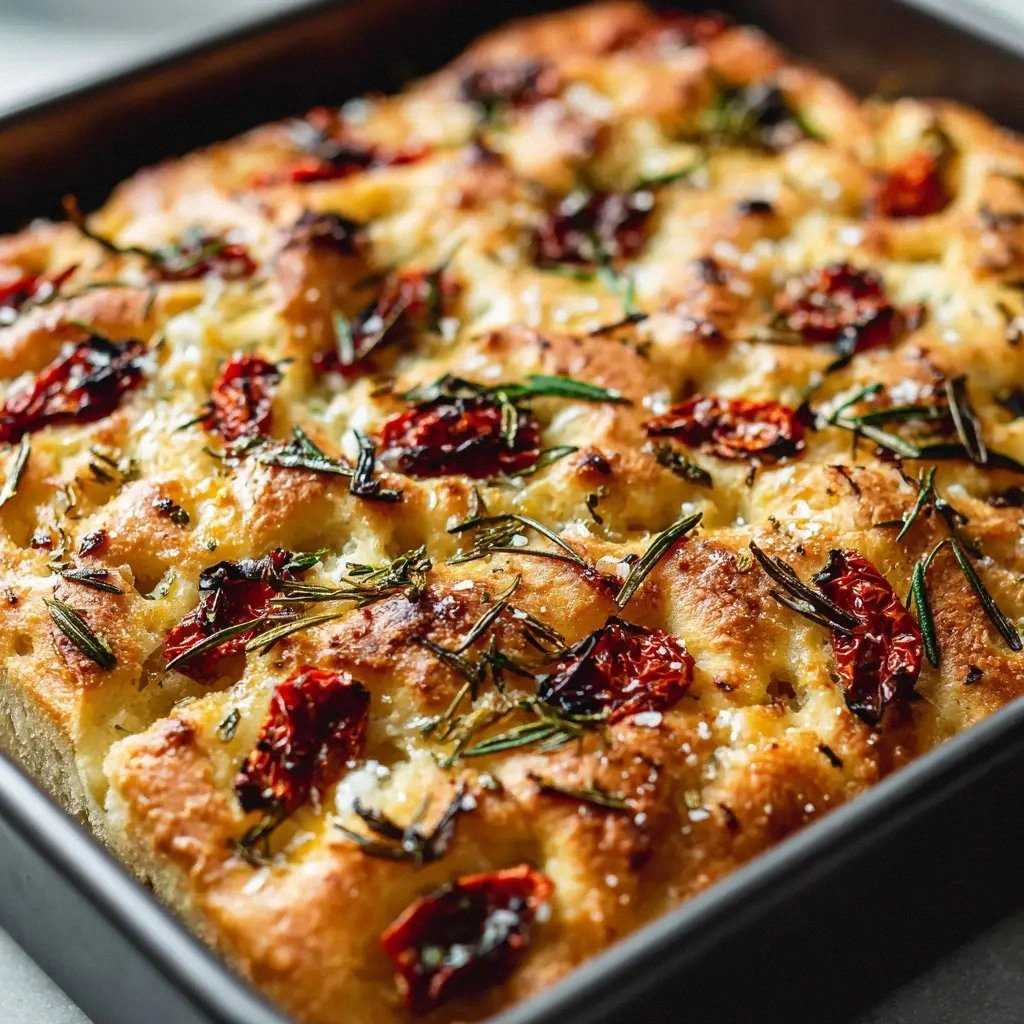
The Method — Step by Step
- In a large mixing bowl, combine the sourdough discard, bread flour, warm water, and instant yeast. Stir with a wooden spoon until a shaggy dough forms. Let the mixture sit for 10 minutes; this autolyse period hydrates the flour and starts gluten development. I’ll be honest—if you skip this step, the dough will be a little dense.
- Add the olive oil, salt, and coarse salt flakes to the dough. Knead on a lightly floured surface for about 8–10 minutes until the dough becomes smooth and elastic. You’ll notice the dough pulling away from the surface—this is a good sign that the gluten has formed. If you’re in a rush, you can use a stand mixer with a dough hook for 5 minutes.
- Place the dough back in the bowl, cover with a damp towel, and let it rest at room temperature for 30 minutes. This short bulk fermentation allows the yeast to do its magic without overproofing. During this time, you can prepare the toppings: squeeze the roasted garlic out of its skins, chop the sun‑dried tomatoes, and crumble the artisan cheese.
- After the resting period, gently deflate the dough and turn it onto a lightly oiled baking sheet. Using your fingertips, press the dough into a rectangle that’s about 1.5 inches thick. This shape ensures an even bake and a classic focaccia look.
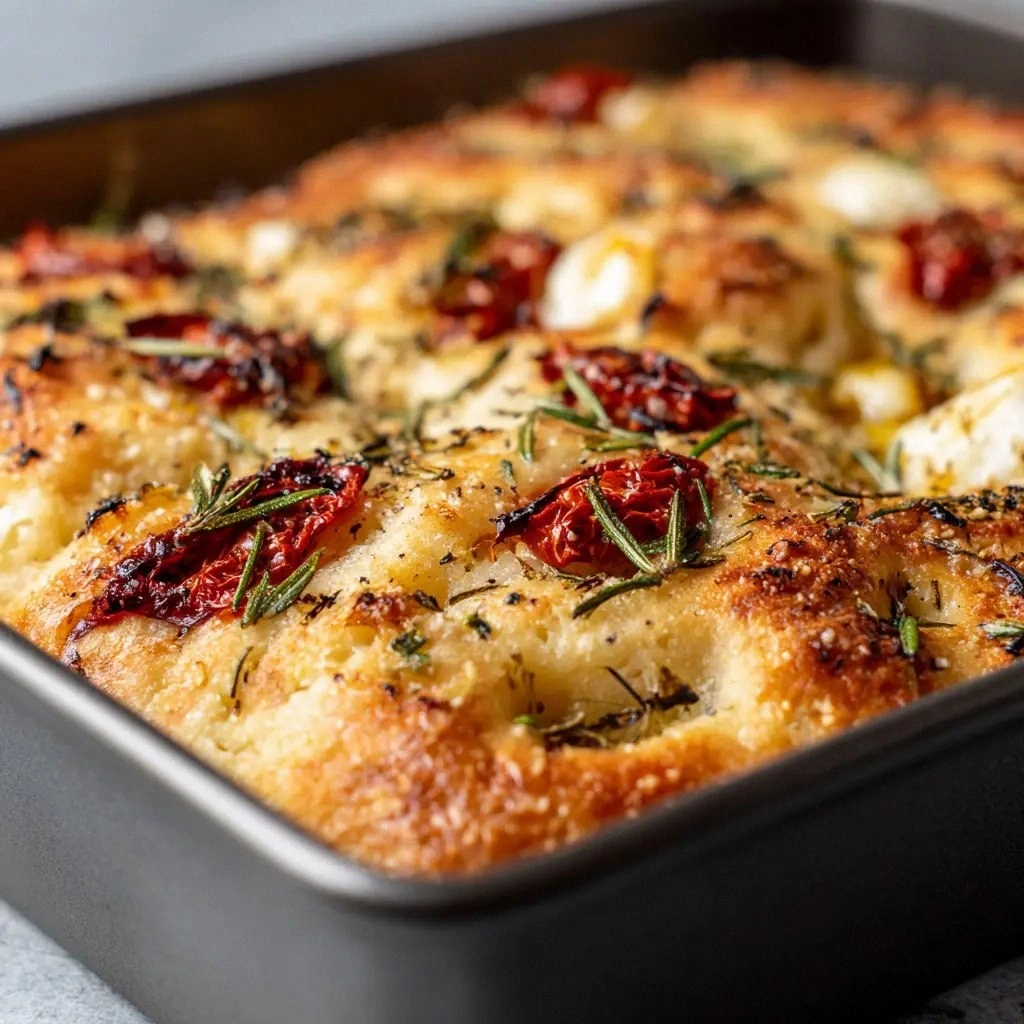
- Sprinkle the rosemary sprigs, dried herb flakes, and coarse sea salt flakes over the dough. Drizzle the olive oil in a zig‑zag pattern, then dot with the roasted garlic cloves and sun‑dried tomatoes. Finally, scatter the crumbled cheese over the top. This arrangement not only looks stunning but also layers flavors throughout the loaf.
- Cover the dough with a clean towel and let it proof for 20–30 minutes. The dough should rise slightly and develop a light, airy feel. The aroma will start to hint at toasted bread and caramelized garlic—this is the moment of truth. Watch the edges; they should pull away from the pan, signaling readiness.
- Preheat your oven to 425°F (220°C). When the oven is hot, slide the baking sheet into the center rack. Bake for 20–25 minutes, or until the crust is golden brown and the cheese has melted into a bubbly, golden layer. If you like a darker crust, broil for an additional 1–2 minutes—just keep a close eye on it.
- Remove the focaccia from the oven and let it rest on a wire rack for 5 minutes. This brief rest allows the crumb to set and the flavors to meld. Slice with a serrated knife, serve warm, and watch as everyone reaches for a piece.
That's it — you did it. But hold on, I've got a few more tricks that'll take this to another level. From perfect scoring to adding a glossy finish, I’ll share how to elevate your focaccia into a showstopper.
Insider Tricks for Flawless Results
The Temperature Rule Nobody Follows
Many bakers think a higher oven temperature always gives a crispier crust, but the secret lies in preheating. I recommend a 425°F oven preheated for at least 30 minutes with a pizza stone or baking steel. This ensures an even, blistered crust and a hot interior. If you’re using a conventional oven, place a pan of water on the bottom rack to create steam, which keeps the crust from drying out.
Why Your Nose Knows Best
When the dough starts to rise, the aroma will change from yeasty to a subtle, nutty scent. Trust your nose; that’s the cue to move the dough to the oven. A friend once skipped this step and baked too early, resulting in a flat loaf. Don’t be that friend.
The 5‑Minute Rest That Changes Everything
After baking, let the focaccia rest on a wire rack for exactly five minutes before slicing. This brief rest allows the steam to redistribute, preventing a soggy center. The surface will firm up, making clean cuts possible. If you slice too soon, the cheese will ooze, and the crumb will collapse.
Use a Pizza Stone for Ultimate Crunch
A pizza stone or steel retains heat better than a regular baking sheet, giving the bottom of your focaccia a crispy edge. If you don’t have one, place a cast‑iron skillet on the sheet to mimic the effect. I’ve baked on a stone for years, and the difference is like night and day.
The Perfect Scoring Technique
Before baking, use a sharp razor blade or a bench scraper to make shallow slashes across the dough. This allows steam to escape, preventing the loaf from puffing unevenly. Keep the cuts shallow—about 1/8 inch deep—to avoid tearing the crust. It also gives the loaf a rustic, professional look.
Creative Twists and Variations
This recipe is a playground. Here are some of my favorite ways to switch things up:
Mediterranean Delight
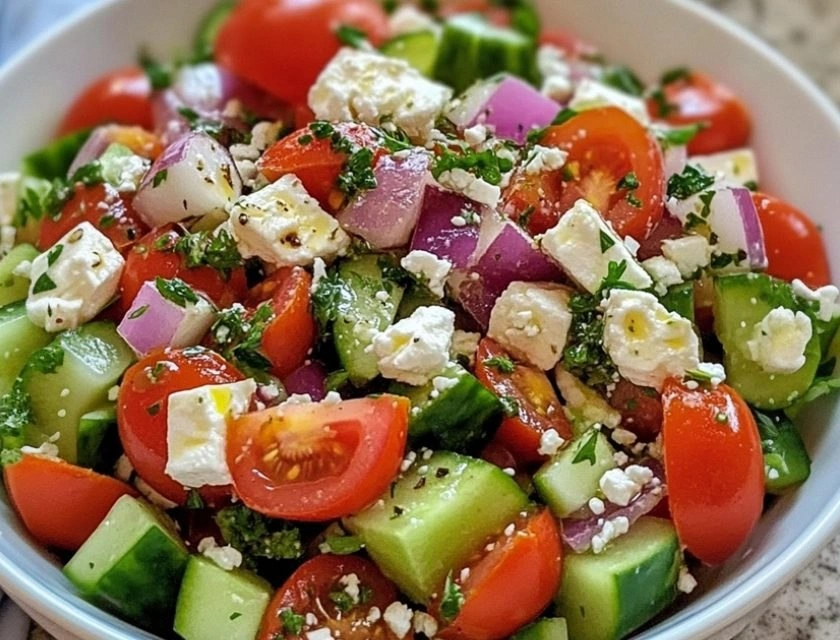
Swap the sun‑dried tomatoes for Kalamata olives, add chopped spinach, and use feta instead of artisan cheese. The result is a tangy, savory focaccia that pairs beautifully with a Greek salad.
Spicy Sriracha Swirl
Blend a tablespoon of sriracha into the olive oil before drizzling over the dough. Add sliced jalapeños and sprinkle a pinch of crushed red pepper flakes. The spicy kick will make this loaf a party favorite.
Herb‑Infused Olive Oil
Infuse the olive oil with fresh thyme, oregano, and a clove of garlic. Use this flavored oil to replace the standard olive oil, giving the crust a fragrant, herbaceous aroma that will make your guests ask for the recipe.
Cheese‑Rich Triple Layer
Layer three cheeses—mozzarella, provolone, and a sharp cheddar—between the dough and the toppings. The melting cheeses will create a gooey, decadent center that’s impossible to resist.
Savory Mushroom Boost
Sauté sliced mushrooms with a splash of white wine and thyme, then scatter them over the dough before adding the cheese. The earthy flavor pairs wonderfully with the tangy discard.
Sweet Caramelized Onion
Add caramelized onions to the dough for a sweet contrast. The onions will soften during baking, adding a subtle caramel flavor that balances the savory elements.
Storing and Bringing It Back to Life
Fridge Storage
Cool the baked focaccia completely, then wrap it tightly in plastic wrap or place it in an airtight container. Store in the refrigerator for up to 3 days. The crust will soften slightly, so a quick reheat is recommended.
Freezer Friendly
Slice the focaccia before freezing to make thawing easier. Wrap each slice in parchment paper, then place in a freezer bag. Freeze for up to 2 months. When you’re ready to eat, thaw overnight in the fridge.
Best Reheating Method
Preheat your oven to 350°F (175°C). Place the slices on a baking sheet and bake for 10 minutes, or until warmed through. For extra crispness, add a splash of water to the bottom of the pan to create steam, then finish under the broiler for 1 minute.
Add a tiny splash of water before reheating — it steams back to perfection, restoring that fresh, oven‑baked aroma.