I was standing in my kitchen, arms flailing, when a packet of pre‑made BBQ sauce exploded in my hand, splattering the countertop like a crimson rain. The scent of burnt sugar and charred onions filled the room, and I knew I had to salvage the disaster. That night, I stared at my boneless chicken breasts, wondering how to turn a kitchen catastrophe into a culinary triumph. I dared myself to create a sauce so bold that even the most skeptical foodies would beg for seconds.
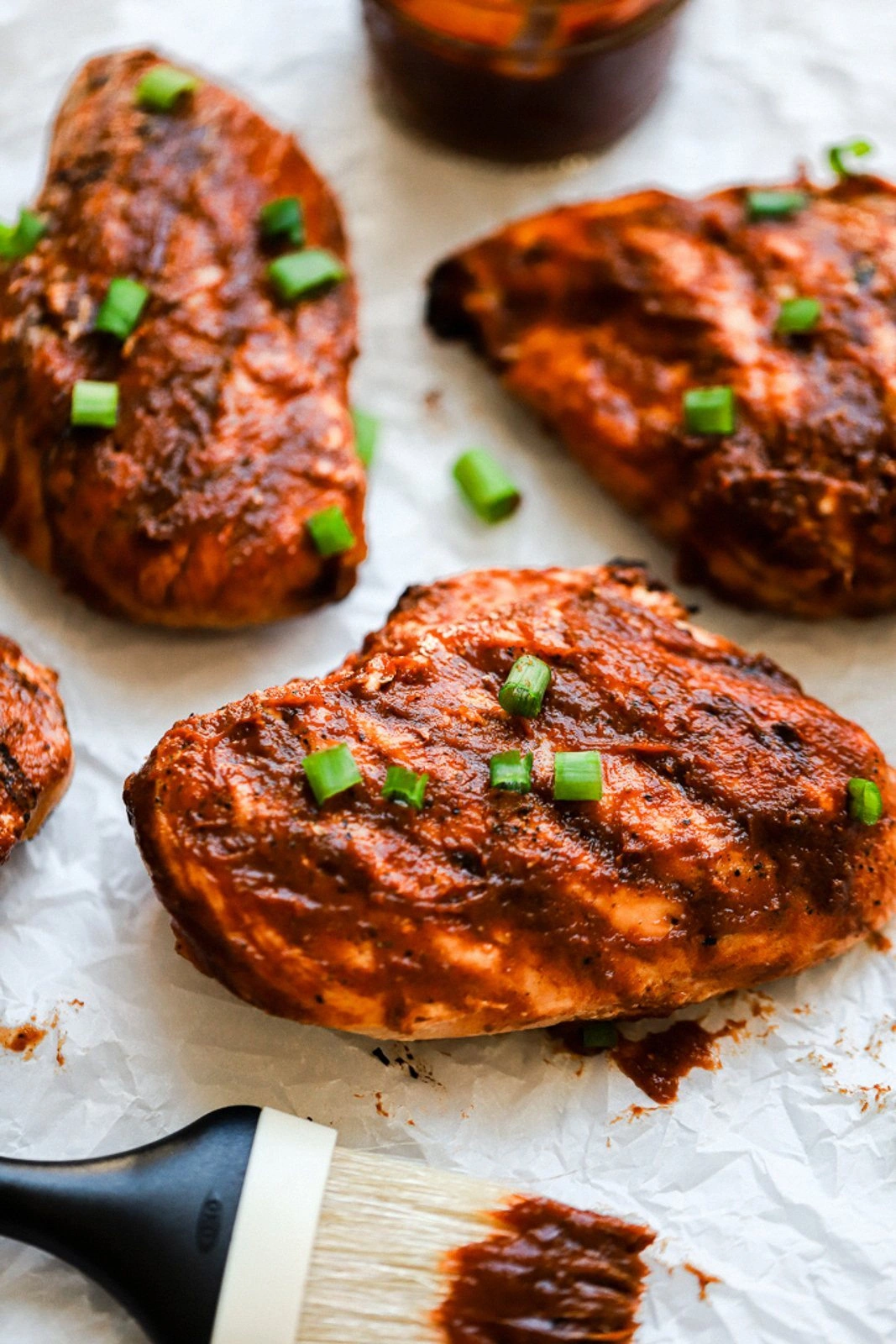
Picture the moment the sauce hits the grill: a hiss that rises like a small, savory storm, the aroma of caramelized tomatoes and citrus dancing in the air, and the sound of the meat sizzling like a secret conversation. The first bite is a burst of smoky sweetness that lingers on the tongue, followed by a subtle heat that wakes up the palate. The texture is a perfect contrast—skinless chicken that stays tender inside while the exterior develops a caramelized crust that crackles softly when you bite. Every spoonful feels like a small celebration, as if the kitchen itself is applauding your culinary rescue.
What makes this version stand out from every other recipe out there is the meticulous balance of flavors and the use of Whole30‑friendly ingredients that still deliver that classic BBQ punch. I’ve taken the time to pair tomato paste with a splash of balsamic vinegar for depth, blended in coconut aminos for umami, and added dates for natural sweetness that caramelizes beautifully. The addition of coconut milk at the finish gives the sauce a silky finish that coats the chicken like velvet, without any dairy or added sugar. The result is a dish that feels indulgent but stays within Whole30 guidelines, making it the perfect crowd‑pleaser for any dinner.
And there’s a twist you won’t expect: I sneak in a handful of pitted dates to replace refined sugar, and I finish the sauce with a splash of coconut milk to tame the acidity and add a creamy undertone. This subtle change transforms the sauce from ordinary to extraordinary, giving it a silky, almost dessert‑like richness that keeps everyone coming back for more. If you’re ready to taste a dish that will have you saying, “I dare you to taste this and not go back for seconds,” then let me walk you through every single step—by the end, you’ll wonder how you ever made it any other way.
What Makes This Version Stand Out
- Flavor Fusion: The marriage of tomato paste and balsamic vinegar creates a deep, caramelized base that feels both sweet and savory. This combination sets the tone for a sauce that’s rich without being cloying.
- Whole30‑Friendly: Every ingredient is compliant, so you can indulge without compromising your dietary goals. No added sugars, no dairy, and no hidden additives.
- Texture Contrast: The grill imparts a smoky crust that cracks like a thin ice sheet, while the interior remains juicy and tender. The result is a satisfying bite that satisfies both texture lovers and flavor seekers.
- Quick Prep: From sauce to grill, the entire process takes less than an hour, making it a go‑to dish for busy weeknights.
- Make‑Ahead Potential: The sauce can be prepared ahead of time and stored in the fridge for up to 48 hours, allowing you to grill the chicken at your convenience.
- Crowd‑Pleaser: Even guests who are not Whole30 followers will find the flavor profile familiar and comforting, making this dish a hit at dinner parties.
Inside the Ingredient List
The Flavor Base
Tomato paste is the backbone of this sauce, offering a concentrated tomato flavor that thickens the mixture and gives it a rich, velvety texture. When whisked with water, it releases its natural sugars, creating a caramelized bite that mimics the classic BBQ taste. If you’re out of tomato paste, a can of tomato sauce can work, but you’ll need to reduce the liquid by a tablespoon to avoid a watery result. The key is to let the paste simmer briefly before adding the remaining liquids, allowing the acidity to mellow.
The Sweet & Tangy Layer
Balsamic vinegar adds a subtle sweetness and a hint of acidity that brightens the sauce. Coconut aminos replace soy sauce, providing umami without the sodium spike. Fresh orange juice brings a citrusy lift that balances the richness, while pitted dates act as a natural sweetener that caramelizes beautifully on the grill. If you prefer a less sweet version, reduce the dates to a quarter cup; the sauce will still have depth, but the finish will be lighter.
The Protein Powerhouse
Four boneless, skinless chicken breasts are the star of the show. They’re lean, so the sauce does most of the work in keeping them moist and flavorful. If you’re cooking for a larger crowd, simply double the recipe and keep the ratio of sauce to chicken consistent. For a more robust flavor, let the chicken marinate in the sauce for at least 30 minutes before grilling.
The Final Touches
Avocado oil is chosen for its high smoke point, which means the chicken won’t burn on the grill and the oil’s mild flavor complements the sauce. Coconut milk adds a subtle creaminess that rounds out the acidity, giving the sauce a silky finish. Salt and pepper are added to taste, ensuring that the final dish is seasoned perfectly. If you want a smoky twist, sprinkle a pinch of smoked paprika on the chicken before grilling.
Everything's prepped? Good. Let's get into the real action...
The Method — Step by Step
- Step 1: In a medium bowl, whisk together 6 oz of tomato paste, 0.33 cup balsamic vinegar, 0.33 cup coconut aminos, 0.25 cup fresh squeezed orange juice, and 0.25 cup water. Stir until the mixture is smooth and free of lumps. The goal is a silky base that can coat the chicken evenly. If you notice any thick pockets, let the sauce sit for a minute and whisk again to achieve a uniform consistency.
- Step 2: Add 0.33 cup pitted dates, 1.5 tsp paprika, 0.25 tsp black pepper, 0.25 tsp all spice, and 0.25 tsp cayenne pepper to the sauce. Blend thoroughly; the dates will break down into a natural syrup that thickens the sauce. This step is crucial for achieving that sweet‑spicy caramelization that defines the dish. If you prefer a milder heat, reduce the cayenne to a pinch.
- Step 3: Pour the sauce into a blender and pulse until the dates are fully pulverized and the mixture is silky. The blender not only breaks the dates but also incorporates the spices evenly, ensuring each bite is balanced. Once blended, taste the sauce; it should be tangy with a hint of sweetness. Adjust seasoning if needed—remember, you’ll add salt and pepper later.
- Step 4: Place the four chicken breasts in a shallow dish and pour half of the sauce over them, turning to coat. Reserve the remaining sauce for basting. Let the chicken marinate for at least 20 minutes, or up to 2 hours if you’re planning ahead. The longer the marinate, the deeper the flavor will penetrate. This step is where the sauce transforms the chicken from plain to extraordinary.
- Step 5: Brush the grill grates with a light coat of avocado oil to prevent sticking. Place the marinated chicken breasts on the grill and sear for 3–4 minutes on each side, or until the internal temperature reaches 165°F. The grill marks should be deep and pronounced, giving the chicken a smoky aroma. Watch for the edges; when they start pulling away from the grates, it’s a sign they’re ready to flip.
- Step 6: During the last minute of cooking, brush the chicken with the remaining sauce to create a glossy finish. This final glaze caramelizes under the heat, producing a caramelized crust that’s both sweet and slightly spicy. If you’re using a grill pan, keep a small pan of the sauce on the stove to keep it from drying out.
- Step 7: Check the internal temperature with a meat thermometer. The chicken should read 165°F. If the temperature is lower, continue grilling for an additional 2–3 minutes. This step is critical; undercooked chicken can ruin the entire dish. A quick glance at the thermometer saves you from a culinary disaster.
- Step 8: Transfer the grilled chicken to a cutting board and let it rest for 5 minutes. Resting allows the juices to redistribute, ensuring every bite is moist and flavorful. While the chicken rests, pour the remaining sauce into a small saucepan, add 0.5 cup coconut milk, and warm over low heat until just hot. This sauce will be drizzled over the chicken for a final silky finish.
- Step 9: Slice the chicken against the grain into 1/2-inch thick strips. Arrange the slices on a platter, drizzle the warmed coconut milk sauce over the top, and sprinkle with a pinch of fresh parsley if desired. The visual presentation should be vibrant, with the glossy sauce reflecting the light. This final touch turns the dish into a feast for both the eyes and the palate.
- Step 10: Serve immediately with a side of roasted vegetables or a crisp salad. The flavors of the chicken will complement any accompaniment, creating a well-rounded meal. Remember, the best part of this dish is that it’s still Whole30 compliant, so you can enjoy guilt‑free indulgence.
That’s it — you did it. But hold on, I've got a few more tricks that'll take this to another level. Keep reading for insider secrets and creative variations that will keep your taste buds dancing.
Insider Tricks for Flawless Results
The Temperature Rule Nobody Follows
Many chefs rely on timing alone, but the grill’s heat can vary widely. By checking the internal temperature, you ensure that each breast reaches the same level of doneness. A quick glance at the thermometer is all it takes to keep the chicken from becoming rubbery or dry. If you’re grilling outdoors, bring a thermometer with a long probe to avoid touching the flame.
Why Your Nose Knows Best
Your sense of smell is a reliable indicator of doneness. When the chicken’s aroma shifts from raw to a warm, smoky fragrance, it’s a sign that the surface is seared and the interior is cooking. Trust your nose; it’s been trained by countless kitchens to recognize the perfect moment to flip. If you’re unsure, give it an extra minute or two, but don’t let it sit too long.
The 5-Minute Rest That Changes Everything
After you remove the chicken from the grill, let it rest for exactly five minutes. This brief pause allows the juices to redistribute, preventing them from spilling out when you cut. The rest period also lets the sauce settle, giving it a richer texture. A common mistake is to slice immediately, which can lead to a watery, unappetizing result.
The Sweet‑Spicy Balance
If the sauce feels too sweet, add a splash of lime juice to cut the sweetness and add brightness. Conversely, if the heat is too intense, a teaspoon of coconut milk can mellow the cayenne. These adjustments should be made in small increments to avoid over‑correcting. A well‑balanced sauce is the hallmark of a successful Whole30 BBQ.
The Quick Marinade Trick
For a deeper flavor infusion, let the chicken marinate for at least 2 hours. If you’re short on time, a 15‑minute dip in the sauce is still effective; the key is to coat the chicken evenly. A longer marinate also allows the spices to soften the meat fibers, resulting in a more tender bite. This trick is especially useful when cooking for a crowd.
Creative Twists and Variations
This recipe is a playground. Here are some of my favorite ways to switch things up:
Smoky Chipotle Version
Swap the cayenne pepper for a tablespoon of chipotle in adobo sauce. The smoky heat will add depth, and the adobo sauce brings a subtle tomato base that complements the existing sauce. This variation is perfect for those who love a more pronounced smoky flavor.
Herb‑Infused Grilled Chicken
Add a handful of fresh thyme or rosemary to the sauce before blending. The herbs will infuse the chicken with aromatic notes that pair beautifully with the sweet‑spicy base. This version is ideal for spring and summer gatherings.
Mediterranean Twist
Replace the coconut milk with a splash of olive oil and a squeeze of lemon. The result is a lighter, Mediterranean‑inspired sauce that still delivers the signature BBQ flavor. Serve with a side of tabbouleh for a complete meal.
Spicy Pineapple Finale
Finish the dish with grilled pineapple rings brushed with the sauce. The pineapple’s natural sugars caramelize beautifully, creating a sweet‑spicy glaze that’s irresistible. This twist is great for a tropical-themed dinner party.
Low‑Calorie Variation
Reduce the coconut milk to 1/4 cup and add a tablespoon of low‑fat Greek yogurt (if you’re not on Whole30). The yogurt adds creaminess with fewer calories, making the dish a lighter option for calorie-conscious diners.
Storing and Bringing It Back to Life
Fridge Storage
Store any leftover sauce and chicken in an airtight container in the refrigerator for up to 48 hours. The sauce will thicken slightly as it cools, but it can be reheated gently on the stovetop. When reheating, add a splash of water or coconut milk to restore its silky texture. Keep the chicken in a separate container to avoid cross‑contamination.
Freezer Friendly
The sauce freezes well; simply portion it into silicone muffin cups or freezer bags and seal tightly. Chicken can also be frozen, but it’s best to reheat it in a preheated oven at 350°F for 10–15 minutes. This method preserves the texture and prevents the chicken from drying out.
Best Reheating Method
When reheating, use low heat to avoid burning the sauce. Add a tiny splash of water or coconut milk before reheating—it steams the sauce back to perfection, keeping it from drying out. If you’re reheating the chicken, cover it with foil to trap moisture and prevent it from drying out.