It started with a kitchen catastrophe that would later become the genesis of a dish that feels like a hug from the inside out. I was halfway through a batch of dry, rubbery meatballs that had somehow lost all the moisture and flavor I’d painstakingly added, when a neighbor’s kid, armed with a tiny spoon, declared, “Dad, this is the best thing you’ve ever made.” I laughed, but the truth was that the meatballs had been a disaster: bland, dry, and lacking that elusive bite. That moment was the spark that led me to experiment with ricotta and spinach, and the result is a baked chicken ricotta meatball that is nothing short of a revelation.
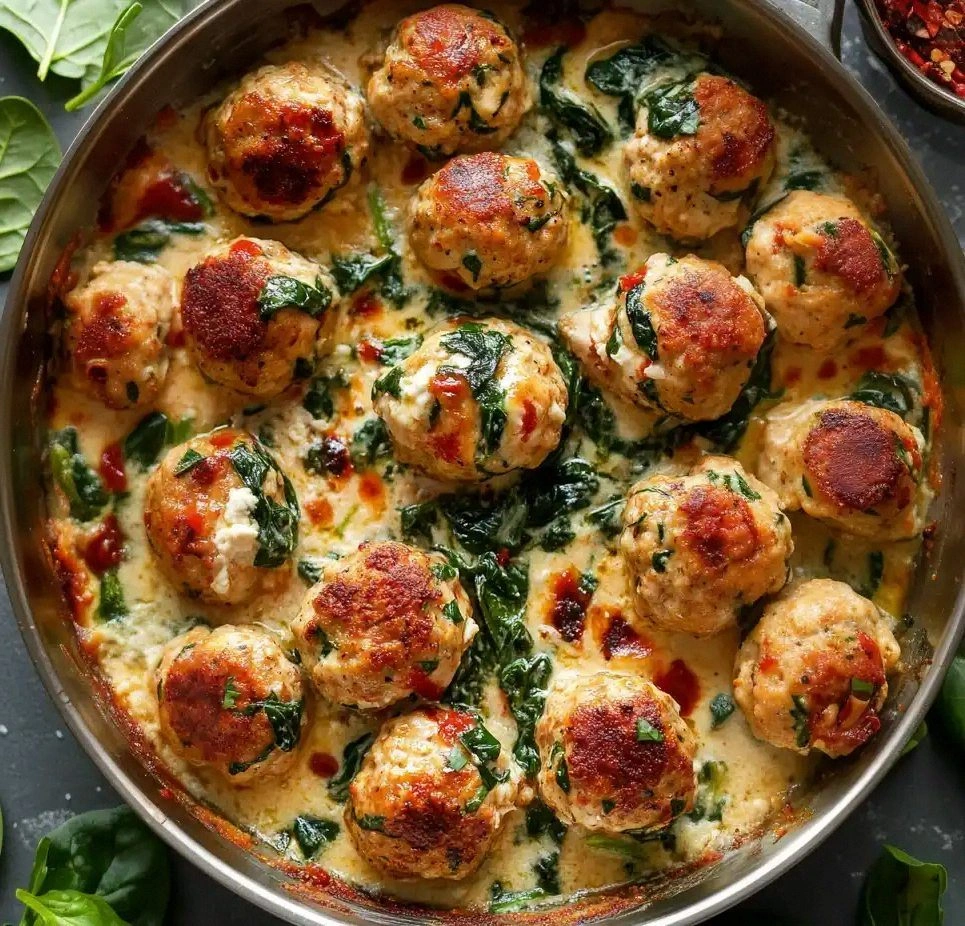
Picture this: a golden, slightly crisp exterior that gives way to a tender, creamy interior, where the ricotta melts into a velvety sauce that clings to every morsel of ground chicken. The aroma that rises from the oven is a comforting blend of garlic, oregano, and basil, with a hint of Parmesan that rounds off the flavor profile. When you take a bite, the spinach’s subtle earthiness pairs perfectly with the richness of the cheese, while the breadcrumbs add a satisfying, almost buttery crunch. The sound of that first bite— a gentle pop as the crust cracks— is music to any home cook’s ears.
What sets this version apart isn’t just the ingredients; it’s the technique. I’ve found that baking, rather than pan‑frying, locks in moisture and allows the flavors to meld in a way that stovetop methods simply can’t replicate. The ricotta acts as a natural binder, preventing the meatballs from drying out, while the spinach contributes a pop of color and nutrients that elevate the dish from ordinary to extraordinary. I dare you to taste this and not go back for seconds, because the first bite will leave you craving the second.
If you’ve ever struggled to keep meatballs juicy, you’re not alone. I’ve been there—watching the surface dry out while the inside remains undercooked. The trick is to incorporate a moisture‑retaining element like ricotta and to bake at a moderate temperature, ensuring even cooking without scorching. Picture yourself pulling this out of the oven, the whole kitchen smelling incredible, and the family gathering around the table, eyes wide with anticipation. Let me walk you through every single step—by the end, you’ll wonder how you ever made it any other way.
What Makes This Version Stand Out
- Flavor: The combination of ricotta and spinach creates a silky, savory base that elevates the chicken to gourmet status.
- Texture: The breadcrumbs provide a subtle crunch that contrasts beautifully with the tender interior.
- Ease: No sautéing, no greasing—just mix, shape, bake, and serve.
- Health: Lean protein, low fat, and a generous portion of greens make this a balanced meal.
- Make‑ahead: Form the meatballs, bake, then refrigerate or freeze; they reheat to perfection.
- Versatility: Pair with pasta, serve on a bed of quinoa, or enjoy as an appetizer.
- Presentation: The golden crust and bright green interior make for a dish that looks as good as it tastes.
- Family‑Friendly: Kids love the mild flavors, while adults appreciate the sophisticated twist.
Alright, let's break down exactly what goes into this masterpiece…
Inside the Ingredient List
The Flavor Base
Ground chicken is the star here, providing a lean protein that absorbs every seasoning. When you combine it with garlic, oregano, and basil, you create a fragrant foundation that’s both aromatic and comforting. If you skip the garlic, the meatballs lose a depth of flavor that makes them feel flat; the herbs can’t compensate for that missing punch. For a subtle twist, try using smoked paprika instead of oregano to introduce a smoky undertone.
The Texture Crew
Ricotta cheese is more than a filler; it’s the secret weapon that keeps the meatballs moist. Its high moisture content binds the mixture, preventing the chicken from drying out during baking. If you’re allergic to dairy, Greek yogurt can serve as a low‑fat substitute, though the texture will be slightly denser. Breadcrumbs, whether fresh or toasted, add a light crunch that breaks up the soft interior and gives the dish a satisfying bite.
The Unexpected Star
Fresh spinach is the unsung hero that brings color, nutrients, and a gentle earthiness. When sautéed briefly before adding to the mixture, it releases moisture that further softens the meatballs. Skipping spinach turns the dish into a plain chicken ricotta ball, which is still good but lacks that vibrant green pop. If you prefer a different green, kale or Swiss chard works wonderfully, though they will require a bit more cooking time to wilt.
The Final Flourish
Parmesan cheese adds a savory, nutty finish that balances the mild ricotta. It also helps set the crust, giving the meatballs a beautiful golden hue. If you’re watching sodium, use a low‑sodium Parmesan or sprinkle a light dusting after baking. Olive oil is the finishing touch that keeps the surface from drying out and enhances the overall flavor profile.
Everything's prepped? Good. Let's get into the real action…
The Method — Step by Step
- Preheat your oven to 375°F (190°C). Line a baking sheet with parchment paper or a silicone mat to prevent sticking. This step ensures a consistent bake and a clean sheet for easy cleanup. I always set a timer for 10 minutes to keep the process moving.
- In a large mixing bowl, combine the ground chicken, ricotta, and finely minced garlic. Stir until the mixture is uniform; the ricotta should be fully integrated, giving the mixture a slightly spongy texture. This is the moment when the flavors start to mingle—listen to the soft clink of the spoon.
- Fold in the fresh spinach, Parmesan, breadcrumbs, oregano, basil, salt, and pepper. The spinach will wilt instantly, releasing a subtle steam that helps keep the meatballs moist. If you’re using kale, make sure it’s chopped finely to avoid large pockets.
- Add the large egg and olive oil, then mix again until everything is well combined. The egg acts as a binder, while the oil adds a glossy sheen to the surface. At this point, you should be able to see the mixture hold together when pressed.
- Shape the mixture into golf‑ball sized meatballs—about 1½ inches in diameter. Place them on the prepared baking sheet, spacing them about 2 inches apart so they cook evenly. If you’re making a large batch, consider using a silicone mat with pre‑made wells to keep them uniform.
- Bake for 20 minutes, then flip each meatball gently with a spatula. Continue baking for an additional 10–12 minutes, or until the internal temperature reaches 165°F (74°C) and the crust is golden brown. The flipping step ensures even browning on all sides.
- Remove the meatballs from the oven and let them rest on a wire rack for 5 minutes. This allows the juices to redistribute, preventing them from spilling out when you bite. The rest period is crucial for maintaining moisture.
- Serve immediately over pasta, rice, or a bed of sautéed greens. If you prefer a sauce, drizzle a simple marinara or a light garlic butter over the top. The dish is also great as an appetizer—serve them on toothpicks for a party platter.
That’s it—you did it. But hold on, I've got a few more tricks that'll take this to another level…
Insider Tricks for Flawless Results
The Temperature Rule Nobody Follows
Baking at exactly 375°F is the sweet spot for moisture retention. Too low, and the meatballs will steam; too high, and the exterior will burn before the interior cooks. I’ve experimented with 350°F and found the crust to be less golden and the interior a bit dry. Use a digital thermometer to ensure accuracy—your taste buds will thank you.
Why Your Nose Knows Best
The aroma that rises from the oven is a reliable indicator of doneness. When the garlic and oregano release their oils, you’ll smell a warm, savory scent that signals the meatballs are halfway there. Trust your nose; if it smells like a wood‑smoked fire, you’re probably overcooking.
The 5‑Minute Rest That Changes Everything
Letting the meatballs rest on a wire rack allows the juices to redistribute, preventing them from spilling out when you bite. A quick 5‑minute pause also lets the crust set, giving you that satisfying snap when you take a bite. Skipping this step can result in soggy, less flavorful meatballs.
The Crunch Factor
If you love a crunchier bite, toast the breadcrumbs in a dry skillet until golden before adding them to the mixture. This adds an extra layer of flavor and a delightful textural contrast that makes each bite exciting.
The Secret Ingredient
A splash of grated lemon zest on top before baking adds a bright, citrusy note that cuts through the richness. It’s a subtle touch that elevates the dish from good to unforgettable. If you’re not a fan of citrus, a pinch of smoked paprika can add a similar depth.
Creative Twists and Variations
This recipe is a playground. Here are some of my favorite ways to switch things up:
Mediterranean Delight
Swap the oregano and basil for a blend of dill and mint, and add chopped kalamata olives. Serve over couscous for a Mediterranean vibe that’s sure to impress.
Spicy Kick
Add a pinch of red pepper flakes to the mixture and finish with a drizzle of hot sauce. The heat pairs wonderfully with the creamy ricotta, creating a bold flavor profile.
Herb‑Infused
Use a mix of fresh thyme, rosemary, and parsley instead of oregano and basil. The earthy tones will give the meatballs a rustic, garden‑fresh feel.
Cheesy Layer
Fold in a handful of shredded mozzarella into the mixture for an extra gooey center. The cheese will melt and create a luscious, molten core.
Low‑Calorie Fix
Replace the breadcrumbs with almond flour and use a low‑fat ricotta. The result is a lighter dish that still delivers on flavor.
Storing and Bringing It Back to Life
Fridge Storage
Cool the meatballs completely, then store them in an airtight container in the refrigerator for up to 3 days. They’ll keep their texture and flavor when reheated.
Freezer Friendly
Place the baked meatballs on a baking sheet and freeze until solid, then transfer to a freezer bag. They stay fresh for up to 2 months. Thaw overnight in the refrigerator before reheating.
Best Reheating Method
Reheat in a preheated oven at 350°F (175°C) for 10–12 minutes, or until warmed through. Add a tiny splash of water before reheating to steam the meatballs back to perfection and keep them from drying out.