Picture this: it is six-thirty on a slate-gray Saturday morning, the house is quiet except for the prehistoric groan of the furnace, and you are standing in your socks, clutching a half-cold cup of coffee, staring at a tube of refrigerated cinnamon rolls. You had grand brunch plans—fluffy pancakes, fruit platters, maybe even hand-whipped cream—but the grocery store was a war zone last night and all that came home with you was this humble plastic cylinder. I have been there, friend, and I am here to tell you that this is not a defeat; it is the beginning of a breakfast miracle. One sleepy experiment, a whisked custard, and thirty reckless minutes later, I pulled a bubbling, bronzed casserole from my oven that tasted like someone had stuffed a cinnamon roll inside French toast, then wrapped the whole thing in a hug. My kids stormed the kitchen like raccoons on trash day; my partner took one bite, closed their eyes, and whispered, “This is illegal.” I ate half the pan while standing up, using the serving spoon as a utensil and a badge of shame.
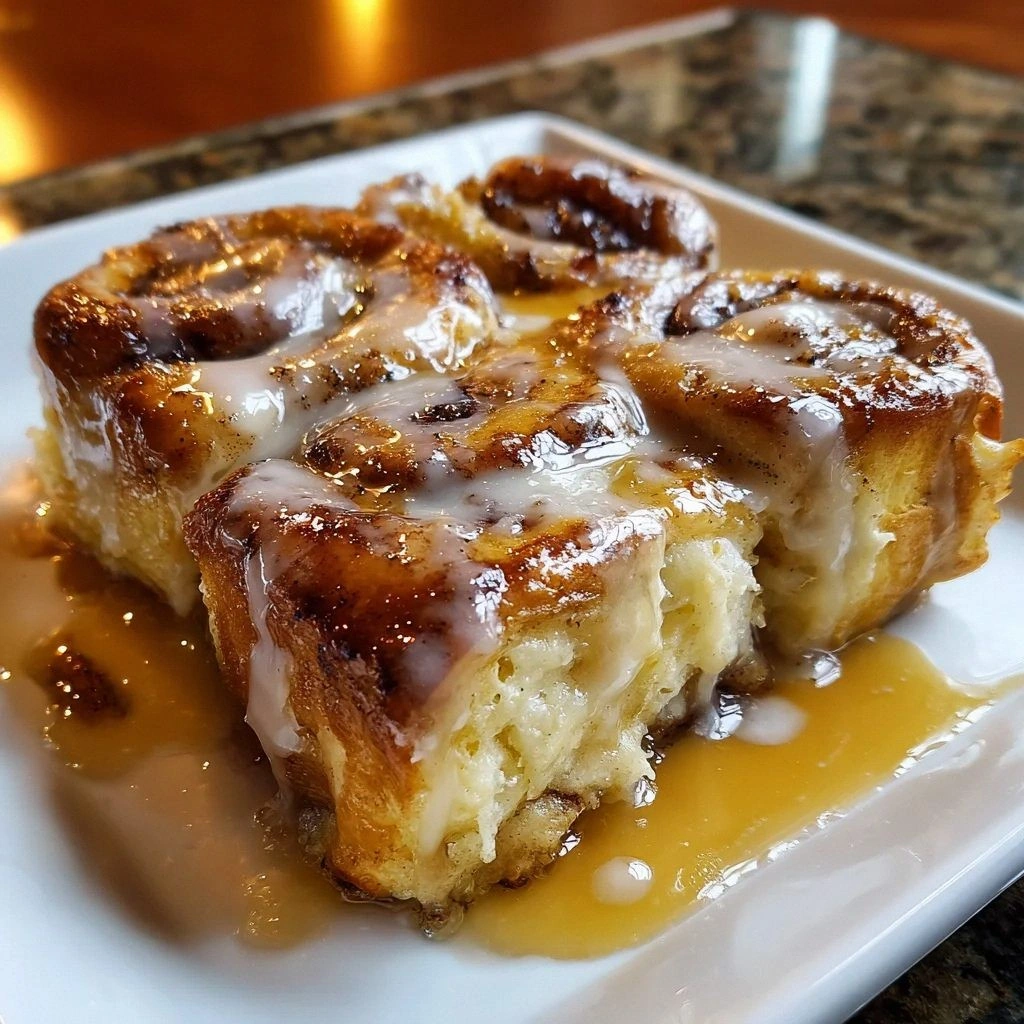
This Cinnamon Roll French Toast Casserole is the kitchen equivalent of wearing sequins to the post office—completely unnecessary, wildly delightful, and guaranteed to make strangers smile. It is the mash-up you did not know you needed: the cozy custard of French toast fused with the gooey swirl of a cinnamon roll, all baked together so the edges caramelize like crème brûlée while the interior stays pudding-soft. The top forms these sugar-shard ridges that crack under your fork, revealing custardy crevices soaked in maple and cinnamon. A drizzle of the packaged icing melts into every crevice, creating sweet white rivers that cool into glossy icing freckles. If you have ever wrestled with flipping individual slices of French toast while your coffee gets cold, this casserole is your liberation; if you have ever burned your wrist on the oven trying to rescue cinnamon rolls before the icing packet explodes, this is your safe space.
Most recipes call for cubes of stale bread, a little cinnamon, and a prayer. This version flips the script by using the cinnamon rolls themselves as the bread, custard-fying every spiral so the spice swirl becomes the seasoning instead of an accent. Heavy cream steps in where milk usually wimps out, giving you that velvet-lux texture usually reserved for restaurant desserts. A final brush of melted butter before baking creates a lacquer-like finish that crinkles and perfumes the whole house with mall-kiosk nostalgia. And here is the game-changer: you can assemble the whole thing the night before, let it lounge in the fridge, then bake it while the coffee brews. Future you is already cheering.
Okay, ready for the game-changer? Let me walk you through every single step—by the end, you will wonder how you ever made it any other way.
What Makes This Version Stand Out
- Cinnamon Roll Bread: Instead of boring sandwich bread, we use the actual rolls. They are pre-spiced, pre-sweetened, and pre-portioned—so every bite tastes like the gooey center of a cinnamon roll.
- Heavy Cream Luxury: Most batters rely on milk. We go full velvet with heavy cream, giving you that restaurant-level richness that makes guests close their eyes involuntarily.
- Overnight Friendly: Assemble, cover, refrigerate. The rolls soak up custard like little sugar sponges so you can sleep in and still serve a show-stopper.
- Edge-to-Edge Icing: We reserve the packaged icing and drizzle it after baking so it melts into every ridge, creating sweet white lava flows you can photograph for the ages.
- Maple Butter Glaze: A final kiss of maple syrup whisked into melted butter gets brushed on during the last five minutes for a lacquer that shines like a donut shop window.
- One Dish Wonder: No frying, no flipping, no mountain of skillets. Your baking dish does all the heavy lifting so you can actually enjoy your own brunch.
Alright, let us break down exactly what goes into this masterpiece...
Inside the Ingredient List
The Flavor Base
Refrigerated cinnamon rolls with icing are the unquestioned star. They arrive pre-swirled with cinnamon sugar, meaning half the flavor work is done before you open the tube. When baked, the swirl caramelizes and perfumes the custard, creating layers of spice that taste like you spent hours mixing dough. If you skip the icing packet, you will lose that nostalgic sweetness that makes everyone think of mall food courts and Saturday mornings. Buy the jumbo bakery-style rolls if you can; the extra swirl makes a visible difference in every slice.
Large eggs are the scaffolding. They coagulate gently in the oven, turning the cream into a silken custard that holds the rolls together without turning rubbery. Use the freshest eggs you can find; older whites are thinner and can weep into the dish, creating watery pockets. Free-range eggs with their sunset-orange yolks will tint the custard like a morning sky, adding visual drama as well as flavor insurance.
The Texture Crew
Heavy cream is the reason restaurant desserts taste better than home versions. Its high fat content prevents curdling, letting you bake at a higher temperature to achieve those crispy edges while the interior stays spoon-soft. If you are tempted to swap in half-and-half, know that you will trade velvet for vulnerability; the lower fat can break, giving you a grainy mouthfeel. In a pinch, you can marry three parts cream to one part whole milk, but do not tell the dairy police I said so.
Vanilla extract is the aromatic highlighter. It rounds the cinnamon’s sharp edges and makes maple taste mapley-er. Splurge on real extract, not the imitation kind that smells like a candle store clearance aisle. A full tablespoon might seem excessive, but remember we are flavoring an entire casserole, not a single cookie.
The Unexpected Star
Ground cinnamon is already in the rolls, so why add more? Because the custard dilutes flavor; an extra teaspoon ensures the spice punches through the cream. Think of it as turning up the volume just enough to sing over the orchestra. If you are a cardamom lover, sneak in a quarter teaspoon—it amplifies cinnamon without stealing the show.
Granulated sugar is not here just for sweetness; it is a texture agent. Mixed with the cinnamon, it creates micro-layers of caramel on the cut surfaces of the rolls, giving you those toffee-like edges that shatter under your fork. Skipping it will leave you with soft but pale results that taste like you forgot to finish the recipe.
The Final Flourish
Unsalted butter lets you control salt levels and browns more purely than its salted cousin. Melted and brushed on top, it seeps into the upper crannies and sizzles against the sugar, creating a bronzed cap that smells like toasted hazelnuts. Maple syrup, brushed on during the last five minutes, reduces to a sticky gloss that tastes like Sunday morning at the cabin. Reserve the packaged icing until the dish is out of the oven; heat activates its sugars, turning it into pourable frosting that sets like a donut glaze.
Everything is prepped? Good. Let us get into the real action...
The Method — Step by Step
- Preheat your oven to 350°F (175°C). Yes, I know every recipe says this first, but here is the thing: if you wait until the casserole is assembled, you will stand there tapping your foot while the oven beeps like an impatient toddler. While it heats, butter a 9×13-inch baking dish with the enthusiasm of a kindergartener using glitter glue; every inch should shine because we want caramelized sugar to slide out like a dream later.
- Pop open the cinnamon rolls. I do not care how many times you have done it—the sudden bang still makes you jump like a horror-movie cat. Cut each roll into quarters with kitchen shears; the scissor action keeps the swirl intact and prevents the squashing that happens with a knife. Toss the pieces into the dish, spirals facing up like tiny cinnamon roses waiting for sunshine. Crowd them snugly; we want custard to weave through the cracks, not pool in lakes.
- Whisk eggs, cream, vanilla, cinnamon, and sugar in a bowl large enough that you do not create egg splatter fresco on your backsplash. The mixture should be the color of cafe au lait and thick enough to coat a spoon like velvet curtain. Pour it slowly over the rolls, poking any dry spots with your finger so every cube gets a custard bath. Let it sit for five minutes while you lick the whisk; this brief soak prevents the top layer from turning into croutons.
- Drizzle the melted butter across the top like Jackson Pollock on a sugar high. Use a silicone brush to coax it into every ridge, but do not stir; you want distinct buttery pockets that fry the edges. Cover the dish with foil, tenting it so it does not touch the surface, and slide it onto the middle rack. Bake for 20 minutes covered; the steam will cook the custard gently so the interior stays plush.
- Remove the foil and bake another 10 minutes. This is the moment of truth: the top should start blushing gold, the edges pulling away ever so slightly from the sides of the pan, and your kitchen should smell like a Cinnabon collided with a French bakery. If you peak through the oven window and see liquid custard sloshing, give it five more minutes. The casserole is done when it jiggles like set Jell-O, not like a waterbed.
- Brush on the maple-butter glaze during the last five minutes of baking. Whisk two tablespoons of maple syrup into the remaining melted butter and paint it across the peaks. The sugar will bubble and hiss, creating a shiny veneer that crackles under your spoon. Do not pour straight maple on top or it will sink and sog the crust; we want surface glamour, not swamp.
- Cool for ten minutes on a wire rack. I know the aroma is a siren song, but patience lets the custard set so your first scoop holds its shape like a proud wedge of bread pudding. While you wait, microwave the reserved icing for 10 seconds—just enough to loosen it into pourable satin. Wave it over the casserole in lazy zigzags; gravity will do the rest.
- Serve with a large spoon and zero shame. The ideal portion is a square that spans both crispy edge and custardy center, dappled with white icing rivers. If you hear the sugar crack like thin ice, you have achieved nirvana. Store leftovers covered, though honestly I have never seen any survive the first hour.
That is it—you did it. But hold on, I have got a few more tricks that will take this to another level...
Insider Tricks for Flawless Results
The Temperature Rule Nobody Follows
Most home bakers yank the casserole when the top looks brown, but color lies. Insert a digital thermometer in the center; you want 170°F (77°C). At that temp, eggs coagulate into velvet, not rubber. If you do not own a thermometer, press the center lightly with your finger—if it springs back and feels like a memory-foam pillow, you are golden. Ignore this and you will slice into a wet sponge that weeps on the plate.
Why Your Nose Knows Best
Stand outside the kitchen for thirty seconds, then walk back in. If you smell toasted hazelnuts and maple, the casserole is close to done. If you still detect raw egg, give it five more minutes. This olfactory checkpoint works because dairy browns at a specific temperature bracket, releasing nutty aromatics. Trust your nose; it has been calibrated by thousands of brunches.
The Five-Minute Rest That Changes Everything
Cover the casserole with a clean tea towel (not foil) while it rests. The towel traps steam without condensation, keeping the top crisp while the interior finishes setting. Skip this and the icing melts into a monochrome sheet; the towel preserves those dramatic white rivers. Bonus: the cinnamon aroma perfumes the towel, which you can later drape over a chair for potpourri bragging rights.
Creative Twists and Variations
This recipe is a playground. Here are some of my favorite ways to switch things up:
Pecan Sticky-Bun Version
Scatter one cup of toasted pecans in the bottom of the dish before adding the rolls. The nuts roast in the butter and maple, becoming candied nuggets that taste like state-fair pralines. Flip each serving upside-down onto the plate so the pecans crown the top like crunchy confetti.
Apple Pie Mash-Up
Layer thin slices of tart apple between the roll cubes. The fruit releases steam, adding moisture that keeps the custard silken, while the pectin thickens any escaping cream into apple-caramel sauce. Use Granny Smith for zip or Honeycrisp for sweetness.
Chocolate Churro Edition
Swap in chocolate-filled refrigerated rolls (yes, they exist) and replace half the cinnamon with cocoa powder. After baking, dust with a 50/50 mix of sugar and cinnamon. The result tastes like a churro dunked in hot chocolate, minus the deep-fry mess.
Berry Cheesecake Take
Beat four ounces of softened cream cheese into the custard for tangy richness. Fold in one cup of frozen blueberries; they burst into jammy pockets that marble the casserole like edible tie-dye. Serve with a drizzle of lemon glaze instead of the packaged icing.
Pumpkin Spice for October
Whisk three tablespoons of canned pumpkin and a pinch of nutmeg into the custard. The pumpkin adds velvet body and autumnal color, while the extra spice makes the whole house smell like a candle you would actually want to eat.
Savory Bacon Maple Remix
Yes, savory. Crisp six strips of bacon, crumble, and scatter on top before baking. The salty shards contrast the sweet custard like kettle corn. Finish with black pepper—trust me, the heat makes the maple sing.
Storing and Bringing It Back to Life
Fridge Storage
Cool completely, then cover tightly with plastic wrap or transfer to an airtight container. It will keep for four days, though the top will soften. To revive crispness, reheat in a 325°F oven for ten minutes instead of the microwave—microwaves turn sugar into rubber.
Freezer Friendly
Cut into squares, wrap each in plastic, then foil, and freeze up to two months. Thaw overnight in the fridge, then warm in the oven. Add a fresh drizzle of maple and icing after reheating so it tastes just-baked. Future you will send thank-you notes.
Best Reheating Method
Place a square on a sheet pan, tent with foil, and bake at 325°F for 12 minutes. Add a tiny splash of water to the pan before covering; the steam rehydrates the custard without sogginess. For a quick fix, microwave 30 seconds, then toast in a dry skillet for one minute to resurrect those caramel edges.