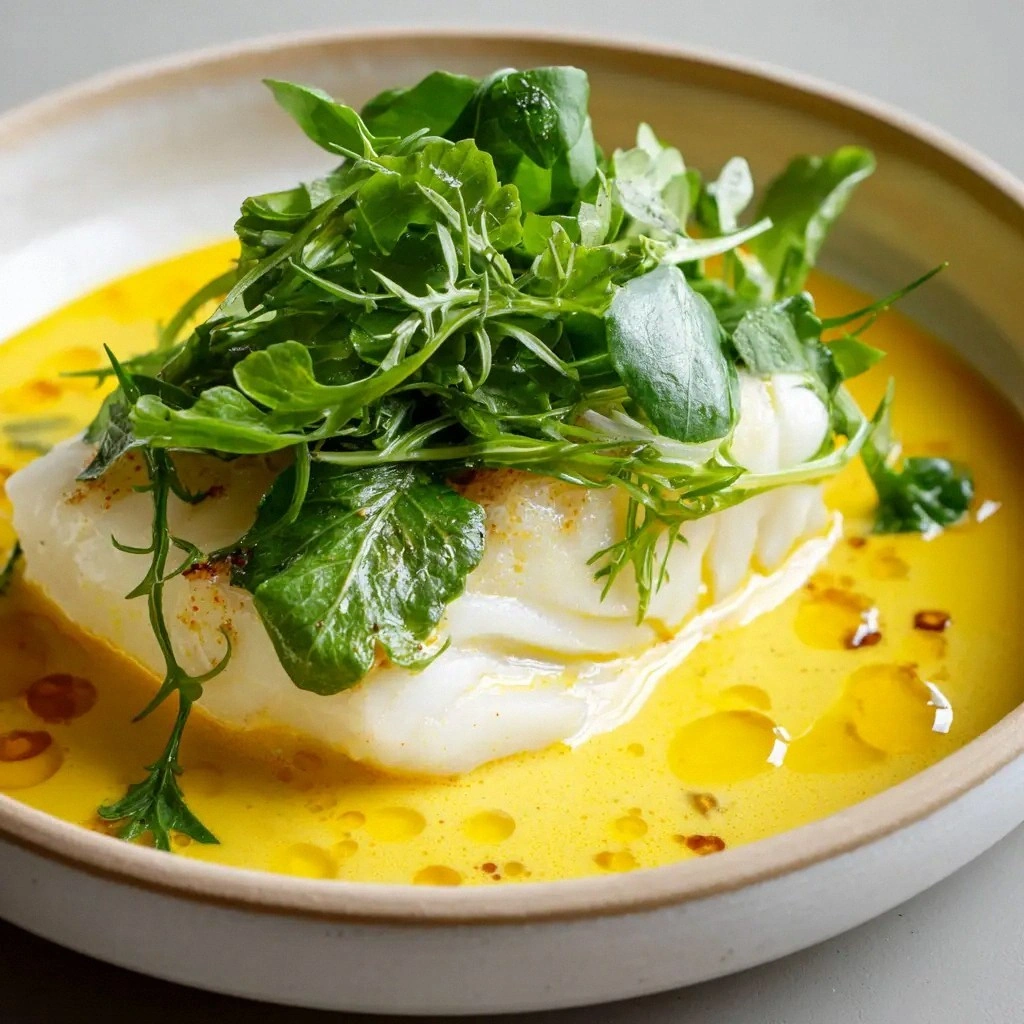
Picture this: I was halfway through a week of bland dinners, the fridge a silent, gray wasteland, when my friend dared me to create something that would make the house smell like a tropical spa. I rolled up my sleeves, grabbed a cod fillet, and thought, “I’m going to make the best yellow curry poached I’ve ever seen.” The kitchen exploded with aromas—coconut milk, turmeric, and a whisper of fish sauce—so strong it felt like a sunrise in a saucepan. I laughed, because I’d never imagined a poached fish could feel like a spa day, but the moment the fish hit the simmering sauce, everything changed.
The first thing you notice is the color, a golden halo that glistens like honey on a sunny morning. The scent is a warm, nutty perfume that drifts from the stove to the living room, making everyone pause and inhale. When you lift a fillet, it feels buttery, almost like a piece of cloud that refuses to crumble. The sound of the gentle sizzle is a soft lullaby that promises comfort. And the first bite? It’s a silky, melt‑in‑your‑mouth experience that makes you wonder why you ever ate anything else.
What sets this version apart is that I didn’t just follow a recipe—I reinvented the process. I used a poaching technique that locks in moisture, I layered flavors so that each ingredient sings, and I added a final flourish of fresh watercress that gives the dish a bright, peppery bite. The result is a dish that feels like a hug and a tropical vacation rolled into one. I dare you to taste this and not go back for seconds; the flavor will haunt you, but in the best possible way.
Now, I’m going to walk you through every single step. By the end, you’ll wonder how you ever made yellow curry poached any other way. Let’s dive in.
What Makes This Version Stand Out
- Flavor: The balance of coconut milk and yellow curry paste creates a mellow, yet complex base that feels both comforting and adventurous. The subtle heat from the chili oil is just enough to tease the palate without overpowering the fish.
- Texture: Poaching instead of frying keeps the cod tender and moist, while the sauce gently coats it like a velvet blanket. The final watercress adds a crunchy, peppery contrast that keeps the dish interesting.
- Visual Appeal: The golden hue of the sauce against the pale flesh of the cod looks like a piece of art, making it perfect for a dinner party or a quiet night in.
- Ingredient Quality: Using fresh, high‑quality cod and a fragrant curry paste transforms a simple dish into a gourmet experience. The virgin coconut oil adds a subtle nutty undertone that ties everything together.
- Ease of Preparation: This recipe requires minimal hands‑on time—just a few minutes of prep, a 30‑minute simmer, and you’re done. It’s a win for busy weeknights.
- Make‑Ahead Potential: The sauce can be made a day ahead, and the poached cod keeps its flavor when stored properly. The dish can be reheated without losing its silky texture.
- Audience: Whether you’re a seasoned chef or a kitchen newbie, the steps are straightforward, and the results are spectacular.
Alright, let’s break down exactly what goes into this masterpiece…
Inside the Ingredient List
The Flavor Base
Yellow curry paste is the heart of this dish. It carries the warmth of spices—coriander, cumin, and fenugreek—without the overpowering heat of red curries. If you skip it, the sauce will feel flat, like a plain white wall. A good substitute is a blend of turmeric, ground ginger, and a dash of paprika, but the authentic paste gives that unmistakable depth.
Ground turmeric adds a bright, earthy note and a natural golden color. It also offers antioxidant benefits, making this dish a little healthier. If you’re allergic, you can replace it with a pinch of saffron for a subtle flavor shift.
Fish sauce injects umami that balances the sweetness of brown sugar. It’s a pantry staple in Southeast Asian cooking, and its salty depth is essential. If you’re vegan, a splash of soy sauce or tamari can mimic the savory profile.
The Texture Crew
Full‑fat coconut milk gives the sauce a creamy body that coats the cod like a silky blanket. The fat content ensures the fish stays moist during poaching. If you’re watching calories, you can use light coconut milk, but the sauce will be thinner and less luxurious.
Virgin coconut oil is used sparingly to sauté the curry paste. It adds a subtle nutty flavor and prevents the paste from sticking. A neutral oil like grapeseed will work if you don’t have coconut oil on hand.
Fresh watercress is the final flourish. It adds a peppery bite that cuts through the richness of the coconut sauce. If you can’t find watercress, spinach or arugula can provide a similar crunch.
The Unexpected Star
Infused chili oil brings a bright, smoky heat that is more complex than plain chili flakes. It’s the secret to that lingering warmth that stays on your palate. If you prefer a milder version, reduce the amount to one tablespoon or use a milder chili oil.
The Final Flourish
Light brown sugar balances the saltiness of fish sauce and the acidity of coconut milk. It also helps caramelize the surface of the cod slightly, creating a subtle sheen. If you’re diabetic, a splash of stevia or a sugar substitute can be used, but the caramelization won’t occur.
Everything’s prepped? Good. Let’s get into the real action…
The Method — Step by Step
-
First, heat a large, heavy‑bottomed pan over medium heat and drizzle the virgin coconut oil. As it warms, add the yellow curry paste and sauté for 1‑2 minutes until fragrant. This step releases the essential oils from the spices, creating a base that’s both aromatic and flavorful. You’ll hear a gentle sizzle—think of it as a gentle welcome to the kitchen.
-
Next, pour in the full‑fat coconut milk and stir until the paste fully emulsifies. The mixture should look smooth and glossy, like a bright, silky river. Bring it to a gentle simmer; you’re not looking for a rolling boil, just a steady, low‑level bubble. This slow start allows the flavors to meld without scorching.
-
Add the fish sauce, brown sugar, and ground turmeric. Stir until the sugar dissolves completely, creating a harmonious sweet‑savory balance. The sauce should thicken slightly, becoming a velvety medium that will coat the cod. The aroma at this point is intoxicating, like a tropical breeze.
-
While the sauce simmers, pat the cod fillets dry with paper towels. This step ensures a quick sear and prevents the fish from steaming in excess liquid. Season the fillets lightly with salt and pepper—just enough to bring out the natural flavor without overpowering the sauce.
-
When the sauce is ready, gently slide the cod fillets into the pan. The fillets should sink to the bottom and then rise to the surface as they cook. Cover the pan with a lid and let the cod poach for 8‑10 minutes, or until the flesh flakes easily with a fork. Keep the heat low; a gentle simmer preserves the delicate texture.
-
Halfway through poaching, drizzle the infused chili oil over the fillets. The oil will create a subtle smoky ring around each piece, adding depth. This is a trick that most recipes skip—watch out for the heat, as the oil can flare up if the pan is too hot.
-
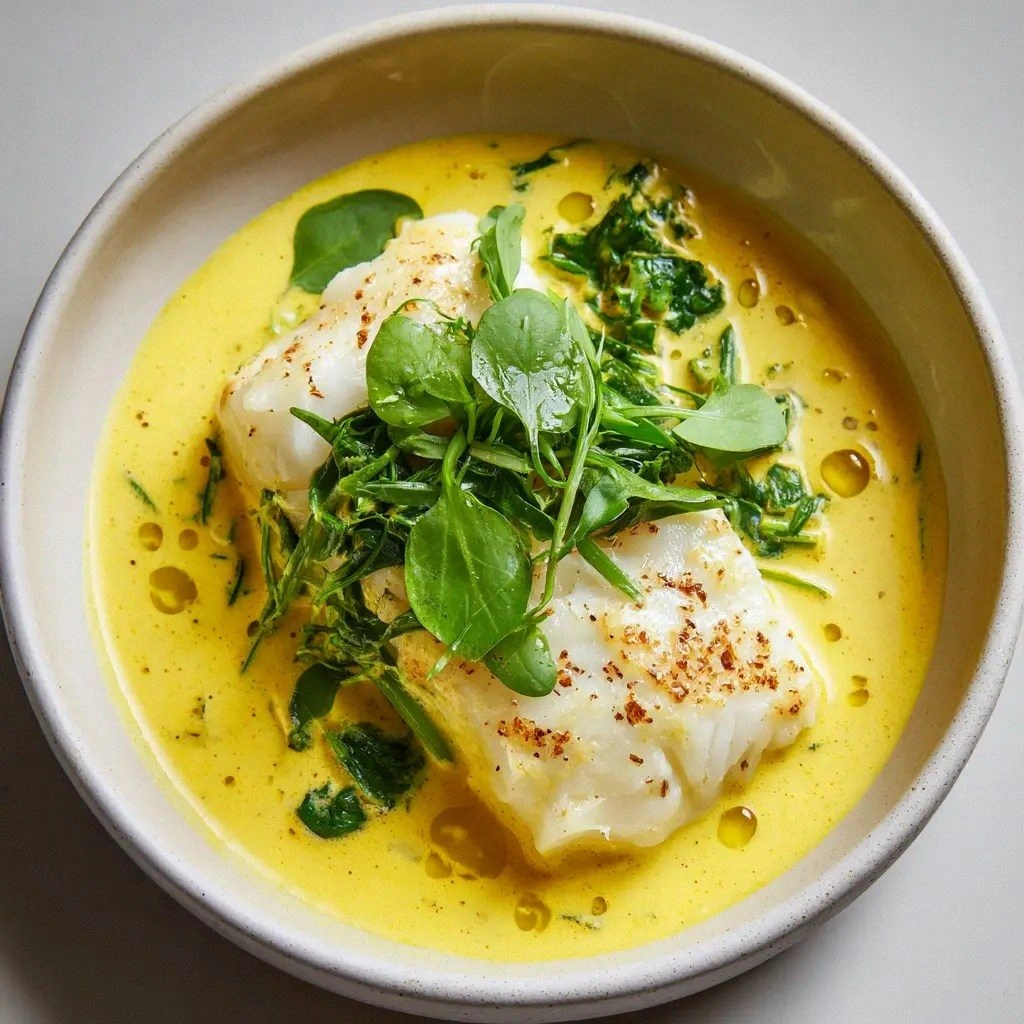
Once the cod is cooked, remove the fillets and set them on a plate. Pour the remaining sauce over the fish, ensuring each fillet is coated. The sauce should have a glossy sheen, almost like liquid gold. This is the moment of truth—does it look as good as it smells?
-
Finally, sprinkle the fresh watercress over the top. The peppery bite of the watercress will cut through the richness and add a bright, fresh finish. Serve immediately, preferably with steamed jasmine rice or a side of sautéed greens.
That’s it— you did it. But hold on, I’ve got a few more tricks that will take this to another level…
Insider Tricks for Flawless Results
The Temperature Rule Nobody Follows
Many cooks over‑heat the sauce, causing the coconut milk to split and lose its silky texture. Keep the heat at medium‑low, and use a thermometer if you’re unsure—aim for 180–190°F. A steady, gentle simmer preserves the sauce’s smoothness and ensures the cod stays tender.
Why Your Nose Knows Best
Before you even taste the dish, let it sit for a minute. The aroma will intensify, and you’ll be able to detect any missing spices or imbalance. If something feels off, a quick adjustment—like a pinch more fish sauce—can save the dish.
The 5‑Minute Rest That Changes Everything
After poaching, let the cod rest on a warm plate for five minutes. This allows the juices to redistribute, making each bite moist and flavorful. A friend once skipped this step and the fillets came out dry—don’t make the same mistake.
Use a Skimmer for a Clean Finish
When you pour the sauce over the cod, use a slotted spoon or a small ladle to avoid getting too many watercress leaves in the sauce. This keeps the presentation pristine and the flavor concentrated.
Serve Immediately for Maximum Impact
While the sauce is still hot, the flavors are at their peak. If you wait too long, the coconut milk can thicken and the cod can dry out. Serve right away, or keep the dish warm in a low‑heat oven (200°F) until ready to eat.
Creative Twists and Variations
This recipe is a playground. Here are some of my favorite ways to switch things up:
Spicy Shrimp Edition
Swap cod for peeled shrimp, and poach them for 3‑4 minutes. The shrimp’s sweetness pairs wonderfully with the coconut curry, and the chili oil adds a spicy kick that’s perfect for seafood lovers.
Vegetarian Coconut Curry
Replace cod with thick slices of firm tofu or a medley of roasted root vegetables. The tofu will absorb the sauce, while the vegetables add texture and color, making it a hearty, plant‑based option.
Thai Basil Surprise
Add a handful of fresh Thai basil leaves at the end of cooking. The basil’s sweet, peppery flavor elevates the dish, giving it an unmistakable Thai twist.
Smoky Paprika Variation
Incorporate a teaspoon of smoked paprika into the curry paste. This subtle smokiness deepens the flavor profile and adds a new layer of complexity.
Rice‑Free Delight
Serve the poached cod over a bed of cauliflower rice or sautéed spinach. This keeps the dish low‑carb while maintaining the satisfying texture.
Ginger‑Lemongrass Infusion
Add a slice of fresh lemongrass and a teaspoon of grated ginger to the sauce. The citrusy undertones brighten the dish, creating a refreshing contrast to the coconut’s richness.
Storing and Bringing It Back to Life
Fridge Storage
Store the poached cod and sauce separately in airtight containers. Keep the fish in the fridge for up to 2 days. When you’re ready to eat, reheat the sauce on the stove until it’s warm, then gently fold in the fish.
Freezer Friendly
Freeze the sauce in a freezer‑safe container for up to 3 months. The fish should be frozen in a single layer on a baking sheet before transferring to a bag. Thaw overnight in the fridge before reheating.
Best Reheating Method
To restore the sauce’s silky texture, add a splash of coconut milk or a little water before heating. Warm it gently over low heat, stirring constantly until it’s silky and heated through. The fish should be heated just enough to be warm, not overcooked.