It started with a kitchen catastrophe that still haunts me whenever I hear the word “meatball.” I had tried every textbook recipe I could find, but the meatballs always came out either dry or soggy, as if the slow cooker had taken a personal vendetta against my culinary ambition. One night, after a particularly disastrous batch that left me with a tray of half‑cooked, rubbery spheres, I swore I would reinvent the wheel. That promise became a mission: to create meatballs that were tender, flavorful, and so good that even my picky sister would beg for seconds.
Picture this: the kitchen is a battlefield, the air thick with the aroma of garlic and simmering tomato sauce, the sound of the slow cooker hissing like a contented beast. I can almost feel the heat radiating from the pot, the gentle clinking of the metal lid as it locks in place. The sight of the meatball mixture, a glossy, fragrant paste, swirls in a bowl that looks like a miniature universe ready to explode. The touch of the mixture—warm, slightly sticky, with the promise of a crispy exterior and a melt‑in‑your‑mouth center—makes my stomach rumble in anticipation. And the taste? Imagine a symphony where every note is a burst of umami, a whisper of herbs, and the comforting familiarity of home cooking.
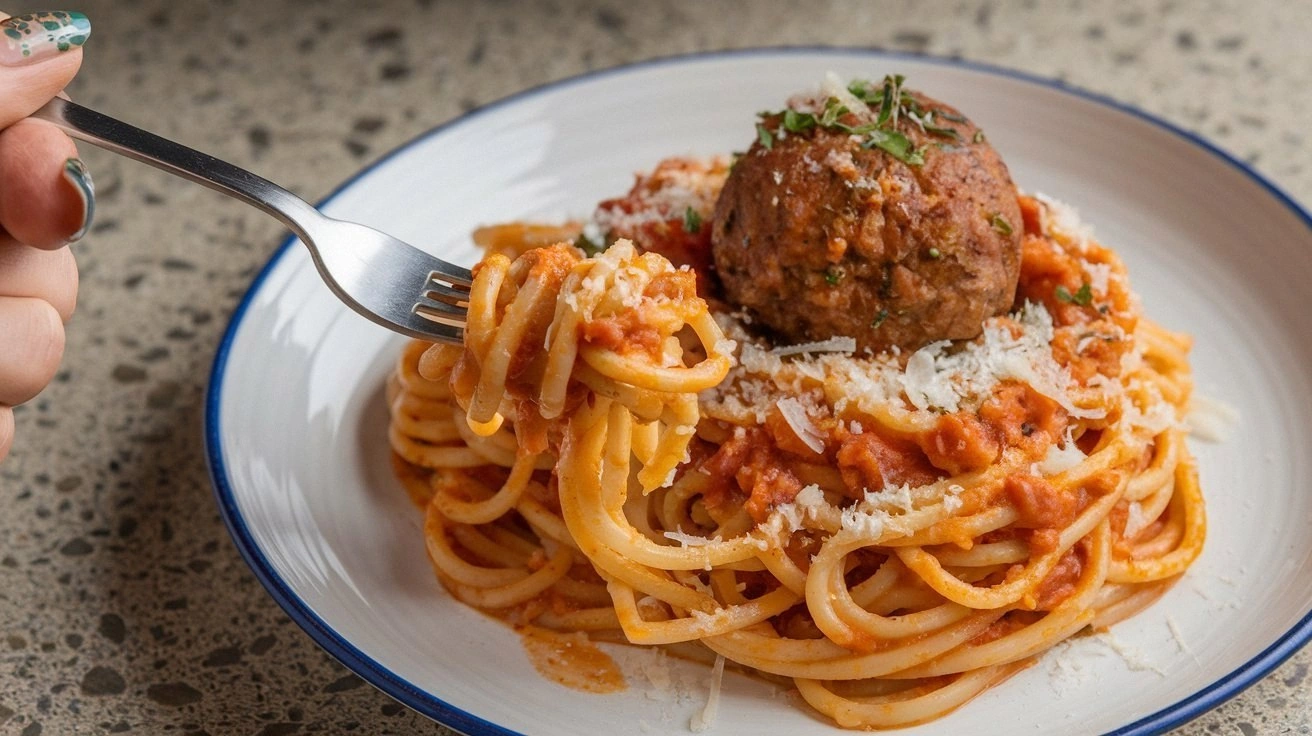
What sets this version apart isn’t just a secret ingredient or a clever technique; it’s the deliberate balance between simplicity and depth. The meatballs are massive—think the size of a golf ball—yet they retain a perfect bite. The sauce is thick yet silky, coating each ball like velvet without drowning it. The slow cooker does the heavy lifting, ensuring that the flavors meld over hours, not minutes. And the best part? The recipe is so forgiving that even a novice can produce a dish that would impress a seasoned chef.
I dare you to taste this and not go back for seconds. The next few paragraphs will walk you through every single step. By the end, you’ll wonder how you ever made it any other way. And trust me, this is hands down the best version you’ll ever make at home.
What Makes This Version Stand Out
- Flavor: The sauce is a bold, herb‑laden masterpiece that envelops each meatball with a rich, comforting depth. It’s not just tomato; it’s tomato, garlic, basil, oregano, and a whisper of red pepper flakes that dance on your tongue.
- Texture: The meatballs are giant yet tender, with a slight crisp on the outside that shatters like thin ice when you bite into them. The slow cooker’s low heat preserves the juices, preventing the dreaded dry center.
- Ease: No frantic pan‑frying or constant stirring. Toss everything into the slow cooker, set it, and let the flavors marry over 3–4 hours.
- Make‑ahead: This dish can be assembled the night before, refrigerated, and then cooked in the morning—perfect for busy weeknights.
- Crowd‑pleaser: Whether you’re feeding a family, a potluck, or a dinner party, these meatballs command attention. Their size makes them a showstopper, and their taste is universally beloved.
- Ingredient Quality: Using fresh ground beef and real parmesan elevates the dish from ordinary to unforgettable. The quality of the ingredients is the secret sauce.
- Versatility: Serve them over pasta, in a sandwich, or as a hearty appetizer. The recipe adapts effortlessly to any meal plan.
- Scalable: The recipe scales up or down without losing flavor. Need to feed ten? Just multiply the ingredients by 2.5.
Alright, let’s break down exactly what goes into this masterpiece…
Inside the Ingredient List
The Flavor Base
Ground beef is the cornerstone of these meatballs. Opt for a ratio of 80% lean to 20% fat; the fat keeps the mixture juicy while the lean ensures the meatballs hold together. If you’re in a pinch, you can substitute ground pork or a mix of beef and pork for a richer flavor. Skipping the beef will drastically change the taste profile; the meatballs will lack that classic meaty umami.
Onion and garlic are the aromatic backbone. Finely chopped onion releases sweetness and depth, while minced garlic adds sharpness that cuts through the richness of the meat. If you’re allergic to garlic, a pinch of garlic powder can still provide a subtle kick, but the fresh garlic is irreplaceable for that bright, savory punch.
The Texture Crew
Breadcrumbs act as the binder that holds everything together. They absorb excess moisture and give the meatballs a tender crumb. If you’re gluten‑free, use panko or almond flour, but keep the ratio the same—about one cup for every two pounds of meat. Skipping breadcrumbs will result in a crumbly, fragile mixture that falls apart in the slow cooker.
Eggs are the glue that keeps the meatballs intact. They also help the mixture set as it cooks, preventing the balls from becoming mushy. A single egg can be enough for a smaller batch, but for the giant size you’ll need at least two. If you’re vegan, a flaxseed egg will hold the mixture together, though the texture will differ slightly.
The Unexpected Star
Parmesan cheese is more than a garnish; it infuses the meatballs with a nutty, salty depth that balances the acidity of the tomato sauce. Grated fresh parmesan is ideal, but pre‑grated can work if you’re short on time. Removing the cheese will reduce the flavor complexity and make the meatballs taste flat.
Italian seasoning is the secret to that classic “home‑cooked” taste. It’s a blend of oregano, basil, thyme, and rosemary, giving the meatballs a Mediterranean flair. If you don’t have Italian seasoning on hand, make your own by mixing equal parts of dried oregano, basil, and thyme.
The Final Flourish
Olive oil is the finishing touch that adds a silky mouthfeel and prevents the meat from drying out during the slow cooking process. A tablespoon per pound of meat is sufficient. If you prefer a leaner version, use a light drizzle instead of a full tablespoon.
Tomato sauce is the sauce that surrounds the meatballs, turning each bite into a flavorful explosion. Use a thick, low‑sugar sauce for maximum flavor. Skipping the sauce will turn this into a dry, unappetizing dish—don’t risk it.
Water or beef broth completes the sauce’s thickness and balances the acidity of the tomatoes. The liquid also helps the meatballs cook evenly by keeping the mixture moist. If you prefer a richer broth, substitute half water with beef broth.
Everything's prepped? Good. Let's get into the real action…
The Method — Step by Step
- Step 1: Prepare the Meat Mixture. In a large bowl, combine the ground beef, finely chopped onion, minced garlic, breadcrumbs, grated parmesan, eggs, Italian seasoning, salt, and pepper. Mix with your hands until just combined; over‑mixing will make the meatballs tough. The mixture should feel sticky but manageable—like a slightly damp dough. This is the moment where you can taste the raw flavors; they should be balanced, not overwhelmingly salty or bland.
- Step 2: Shape the Meatballs. Using a tablespoon or a small ice cream scoop, portion the mixture and roll it into large spheres, about the size of a golf ball. The size is intentional—it gives each ball a thick, juicy center while still allowing the sauce to coat evenly. Place the shaped meatballs in a single layer on a plate or tray; you’ll need to do this in batches if your bowl is small. If you’re short on time, you can shape them in the slow cooker, but that may result in uneven cooking.
- Step 3: Brown the Meatballs (Optional but Recommended). Heat a skillet over medium‑high heat and add a tablespoon of olive oil. Once hot, add the meatballs in batches, searing each side until a golden crust forms. This step adds depth of flavor through the Maillard reaction. If you’re in a hurry, you can skip this step; the slow cooker will still produce tender meatballs, but they’ll lack that caramelized bite.
- Step 4: Transfer to the Slow Cooker. Place the browned meatballs into the slow cooker insert, arranging them in a single layer if possible. If you skipped browning, simply transfer the raw meatballs. The slow cooker’s low heat will gently cook them, preserving moisture. Add the tomato sauce, water (or broth), and a splash of olive oil around the meatballs. The liquid should cover about a third of the meatballs—enough to keep them moist but not submerged.
- Step 5: Cook on Low for 3–4 Hours. Cover the slow cooker and set it to low heat. The slow, gentle cooking will allow the flavors to meld and the meatballs to become tender. After about 2 hours, check the sauce; it should be thickened and bubbling gently. If the sauce is too thin, you can stir in a tablespoon of tomato paste to thicken it further.
- Step 6: Taste and Adjust Seasoning. After 3 hours, taste the sauce. Add a pinch more salt or a dash of red pepper flakes if you like heat. The sauce should be robust, not watery. If the meatballs feel dry, add a splash more water or broth—this will help keep them juicy.
- Step 7: Finish with Fresh Herbs. About 15 minutes before serving, stir in chopped fresh basil or parsley. The fresh herbs add brightness and contrast the richness of the sauce. The aroma will fill the kitchen, making your mouth water in anticipation.
- Step 8: Serve and Enjoy. Ladle the meatballs and sauce over cooked pasta, mashed potatoes, or a crusty baguette. Garnish with extra parmesan and a drizzle of olive oil if desired. The meatballs should feel like a warm hug—soft, juicy, and bursting with flavor. If you’re plating for a crowd, arrange them in a large serving dish and let guests scoop up their favorite portion.
That's it — you did it. But hold on, I've got a few more tricks that'll take this to another level…
Insider Tricks for Flawless Results
The Temperature Rule Nobody Follows
Many cooks think the slow cooker’s “low” setting is the same as a low oven temperature, but it’s actually more forgiving. Keep the lid on to trap steam and maintain moisture. If you’re using a high‑end slow cooker with a “high” setting, reduce the cooking time by 30 minutes to avoid over‑cooking the meatballs.
Why Your Nose Knows Best
Smell is the most reliable indicator of doneness in the slow cooker. When the sauce is thick and the meatballs are tender, the aroma will be rich, tomato‑heavy, and slightly sweet. If you’re unsure, taste a small piece of meatball; it should be juicy with no raw texture.
The 5-Minute Rest That Changes Everything
After cooking, let the meatballs rest in the sauce for five minutes before serving. This allows the juices to redistribute, ensuring every bite is moist. Skipping this step will leave the meatballs slightly dry at the center.
Add a Splash of Wine for Depth
A few tablespoons of dry red wine added to the sauce during the last 30 minutes of cooking enhances the flavor profile. The acidity cuts through the richness and adds a subtle fruity undertone that complements the tomato base.
Use a Meat Thermometer for Precision
If you’re a perfectionist, check the internal temperature of the meatballs. They should reach at least 160°F (71°C) to ensure safety and optimal texture. A thermometer is a small investment that pays off in consistency.
Creative Twists and Variations
This recipe is a playground. Here are some of my favorite ways to switch things up:
Mexican Meatball Delight
Replace the Italian seasoning with cumin, coriander, and smoked paprika. Add a cup of corn kernels and a diced jalapeño for heat. Serve with a dollop of sour cream and chopped cilantro for a Mexican‑inspired twist.
Asian Fusion Sliders
Use ground pork instead of beef and add minced ginger, soy sauce, and a splash of sesame oil to the mixture. Cook in the slow cooker, then slice the meatballs and serve on slider buns with a slaw of shredded cabbage and a drizzle of hoisin sauce.
Mediterranean Lamb Variation
Swap the beef for ground lamb and add chopped mint, a splash of lemon juice, and a pinch of cinnamon to the mixture. The lamb’s natural fattiness makes for an extra juicy bite, while the mint adds a refreshing contrast.
Vegetarian “Meatball” Surprise
Use a mix of lentils, finely chopped mushrooms, and grated zucchini as the base. Bind with breadcrumbs and an egg substitute. The texture will mimic meatballs, and the earthy flavors will pair beautifully with a tomato sauce.
Cheese‑Loaded Gnocchi Balls
Wrap small gnocchi pieces in mozzarella cheese before adding them to the slow cooker. The cheese melts into the sauce, creating pockets of gooeyness that add a decadent twist to each bite.
Storing and Bringing It Back to Life
Fridge Storage
Store the cooked meatballs and sauce in an airtight container in the refrigerator for up to 4 days. When reheating, add a splash of water or broth to keep the sauce from drying out. Reheat on the stovetop over low heat, stirring occasionally, until warmed through.
Freezer Friendly
Freeze the meatballs and sauce separately in freezer‑safe containers for up to 3 months. Thaw overnight in the refrigerator before reheating. This method preserves the texture and flavor, making it a convenient option for busy weeks.
Best Reheating Method
The best way to reheat is on the stovetop or in a slow cooker set to low. Add a tablespoon of water or broth to the sauce, cover, and heat until steaming. The gentle heat prevents the meatballs from becoming rubbery and keeps the sauce silky.