Picture this: I’m in my tiny kitchen, the rain drumming against the windows, and I’ve just burned a batch of ordinary store‑bought macaroons that tasted like cardboard. The smoke alarm screamed, the timer mocked me, and I swore off any sweet treat for the night. Then, out of sheer desperation and a half‑hearted dare from a roommate who claimed “you can’t make something that actually tastes like Scotland,” I grabbed the last floury potato from the pantry, melted a slab of dark chocolate, and decided to reinvent the classic Scottish macaroon from scratch. I was terrified, but also oddly excited, because nothing good ever happens without a little chaos.
The moment the potatoes hit the grater, the kitchen filled with a faint, earthy aroma that reminded me of a misty Highland hillside. As the sugar swirled into the bowl, it sparkled like fresh snowfall, and the coconut added a tropical whisper that seemed out of place—yet somehow perfect. When the chocolate finally melted, it sang a deep, velvety note that coated the mixture like a luxurious blanket. I could hear the faint sizzle as the batter hit the hot tray, a sound that promised a crisp edge and a soft, melt‑in‑your‑mouth center. My hands felt warm, the batter sticky yet pliable, and I knew I was onto something truly special.
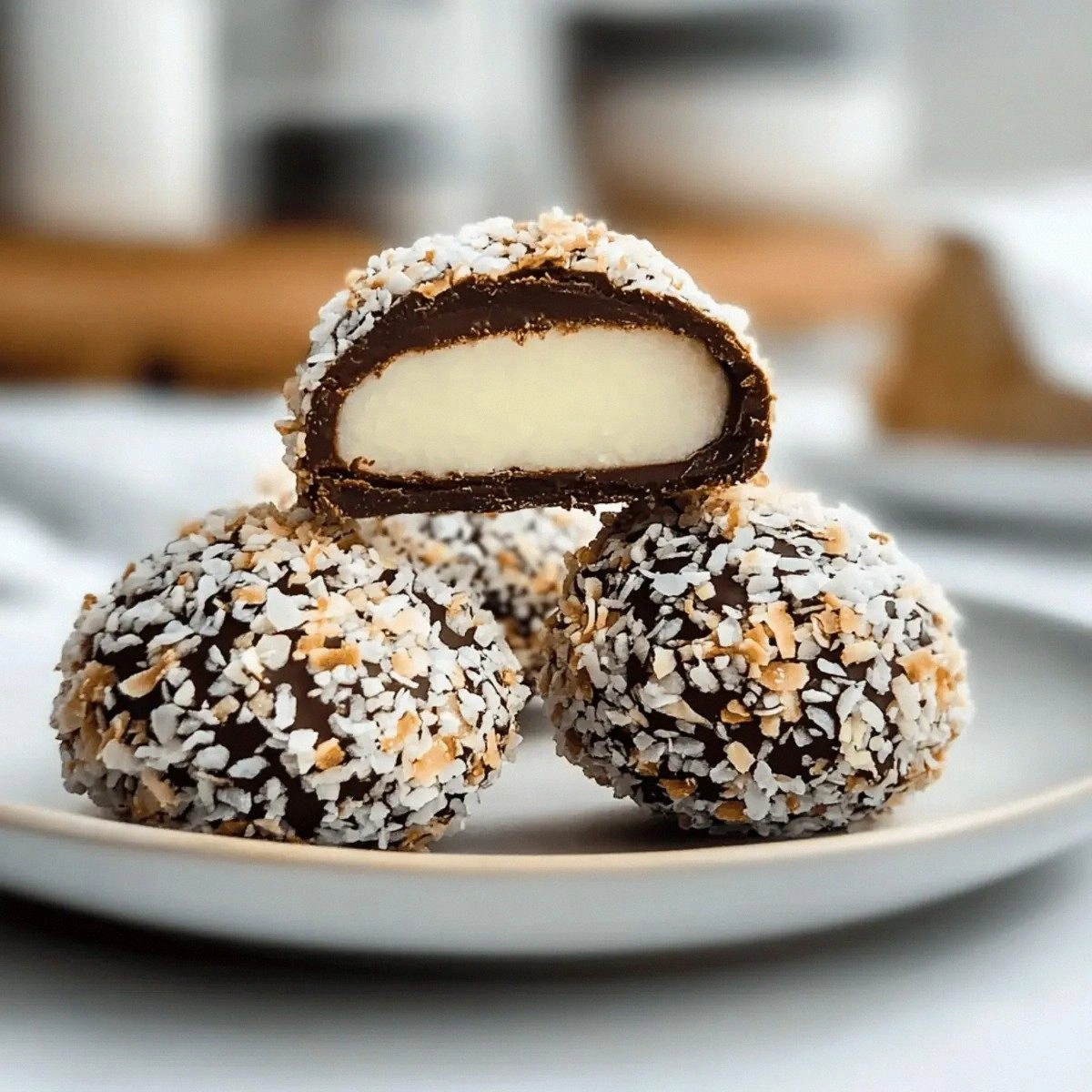
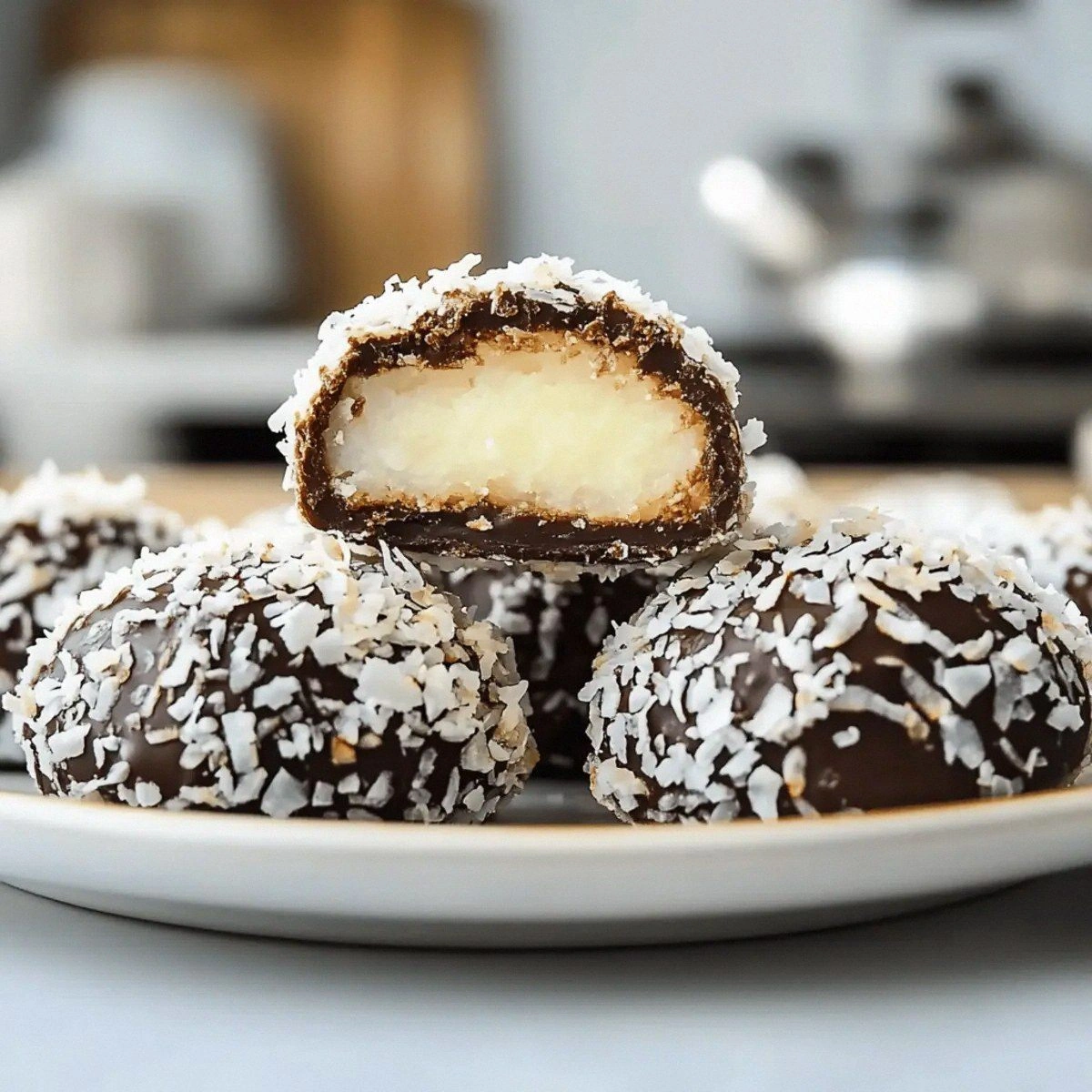
This version of Scottish macaroons stands out because it respects the tradition—using the humble potato as the binding hero—while elevating it with a rich chocolate‑coconut duet that most recipes completely miss. Most recipes get the texture wrong, ending up either crumbly or rubbery, but I discovered a simple technique that gives each bite a crisp outer shell that cracks like thin ice, revealing a chewy, buttery interior that practically melts on your tongue. And let’s be honest, the secret ingredient—desiccated coconut toasted just enough to bring out a nutty perfume—turns these treats into a party‑starter you’ll be bragging about for weeks.
There’s a tiny twist that will make you gasp: I add a pinch of potato starch right before baking, which creates that signature “crackle” on the top, something most recipes completely overlook. I dare you to taste this and not go back for seconds. Okay, ready for the game‑changer? Let me walk you through every single step — by the end, you’ll wonder how you ever made it any other way.
What Makes This Version Stand Out
- Flavor Explosion: The combination of dark chocolate and toasted coconut creates a deep, layered taste that feels both familiar and exotic, like a Scottish loch meeting a tropical beach.
- Texture Harmony: A crisp, golden crust gives way to a soft, melt‑in‑your‑mouth center, delivering that satisfying contrast that makes you keep reaching for more.
- Simplicity at Its Core: Only four main ingredients are needed, yet each plays a starring role, proving that great things don’t have to be complicated.
- Unique Binding Agent: Using a floury potato as the binder is the secret that keeps the macaroons together without a single egg, honoring tradition while keeping them gluten‑friendly.
- Crowd‑Pleaser Factor: These macaroons disappear within minutes at any gathering, earning you the title of “the host with the most” without any bragging rights required.
- Ingredient Quality Matters: High‑quality dark chocolate and fresh desiccated coconut elevate the humble ingredients to gourmet status.
- One‑Pan Simplicity: No fancy equipment—just a grater, a mixing bowl, and a baking tray, making cleanup a breeze.
- Make‑Ahead Magic: Store them for up to a week, and they’ll stay soft inside while the exterior stays perfectly crisp.
Inside the Ingredient List
The Flavor Base
The dark or milk chocolate is the heart of these macaroons. Its bittersweet depth balances the natural sweetness of the icing sugar, while the cocoa butter in the chocolate provides that melt‑in‑your‑mouth silkiness. If you skip the chocolate, you’ll lose the rich, indulgent flavor that makes these treats unforgettable. As a swap, you can use high‑quality white chocolate for a sweeter, creamier profile, but expect a different flavor story.
The Texture Crew
Icing sugar isn’t just a sweetener; it adds structure. Its fine crystals dissolve quickly, creating a smooth batter that spreads evenly. Too little sugar and the macaroons will be crumbly; too much and they become overly sweet and dense. If you’re watching carbs, consider a low‑calorie powdered sweetener, but be aware that the texture may change slightly.
The Unexpected Star
The floury potato (think Maris Piper) is the unsung hero. Its high starch content acts like a natural binder, giving the macaroons that characteristic chew without any eggs or butter. If you can’t find a floury variety, a regular russet potato works, though the texture may be a touch less airy. Pro tip: choose a potato that feels heavy for its size; that’s a sign of high starch.
The Final Flourish
Desiccated coconut adds a toasted, nutty crunch that contrasts beautifully with the silky chocolate. It also imparts a fragrant aroma that makes the kitchen smell like a tropical island meets a Scottish highland. If you’re allergic or prefer a different texture, try finely chopped almonds or toasted hazelnuts for a nutty twist.
Everything's prepped? Good. Let's get into the real action...
The Method — Step by Step
First, peel the large floury potato and grate it finely using a large‑hole grater. As the shreds tumble into the bowl, you’ll notice a faint earthy scent that hints at the magic to come. Transfer the grated potato onto a clean kitchen towel and wring out as much moisture as possible—this is crucial for achieving that perfect crisp edge. Pro tip: The drier the potato, the less likely your macaroons will turn soggy.
Next, combine the grated potato with the icing sugar in a large mixing bowl. Using a wooden spoon, fold them together until the mixture looks glossy and the sugar is fully incorporated. This is where the texture begins to form; you should feel a slight grainy sandiness that will later become a smooth, cohesive dough.
Kitchen Hack: Add a splash of vanilla extract (about ½ tsp) at this stage to amplify the sweet aroma without altering the texture.Now melt the 200 g of dark or milk chocolate. I recommend a double‑boiler method: place the chocolate in a heat‑proof bowl over simmering water, stirring until it’s glossy and completely liquid. Once melted, let it cool for a minute so it’s warm but not hot—this prevents the sugar from crystallizing. Pour the chocolate over the potato‑sugar mixture and fold gently until you have a uniform, chocolate‑streaked batter.
Stir in the 100 g of desiccated coconut, making sure it’s evenly distributed. The coconut will give the macaroons their signature toasted bite and a pleasant visual contrast. At this point, the batter should hold together when pressed between your fingers. If it feels too loose, sprinkle in a teaspoon of potato starch; this is the secret that creates that delicate “crackle” on the top after baking.
Preheat your oven to 180 °C (350 °F) and line a baking tray with parchment paper. Using a tablespoon or a small ice‑cream scoop, drop rounded mounds of batter onto the tray, leaving about 2 cm between each. The batter will spread slightly, forming a dome that will later flatten into a perfect round.
Kitchen Hack: Lightly dust the back of a spoon with flour before scooping the batter to prevent sticking.Slide the tray into the oven and bake for 12‑15 minutes. You’ll know they’re ready when the edges start pulling away from the parchment and the tops turn a light golden brown. The scent at this stage is intoxicating—imagine caramelized coconut mingling with chocolate, a fragrance that fills the whole house.
- Once the timer dings, remove the tray and let the macaroons rest on the parchment for 5 minutes before transferring them to a wire rack. This short cooling period allows the interior to set while the exterior remains crisp.Watch Out: Do not over‑bake; the macaroons will continue to firm up as they cool, and an extra minute can turn them from chewy to crunchy.
While the macaroons cool, give them a final dusting of powdered sugar if you like an extra sweet finish. This adds a pretty snow‑like finish that makes them look even more inviting. Let them cool completely—about 20 minutes total—so the chocolate sets fully and the texture solidifies.
That’s it — you did it. But hold on, I’ve got a few more tricks that’ll take this to another level. For instance, a quick drizzle of melted white chocolate right before serving adds a glossy contrast, and a pinch of sea salt on top can elevate the flavor profile dramatically. Stay with me here — this is worth it.
Insider Tricks for Flawless Results
The Temperature Rule Nobody Follows
Never bake these macaroons on a cold tray. Warm the tray for a minute in the oven before adding the batter; this tiny heat boost helps the edges set instantly, creating that coveted crisp shell. I once tried skipping this step, and the macaroons spread too much, turning into a sticky mess. Trust me, the extra 30 seconds of pre‑heating makes a world of difference.
Why Your Nose Knows Best
Rely on scent, not just time. When the chocolate is perfectly melted, it will emit a glossy, buttery aroma that’s slightly nutty. If you smell a faint burnt note, the chocolate is overheating and will turn grainy. This sensory cue saves you from a batch of bitter macaroons.
The 5‑Minute Rest That Changes Everything
After baking, let the macaroons rest on the parchment for exactly five minutes before moving them. This short pause lets the steam escape, preventing sogginess. Skipping this step results in a gummy bottom, which ruins the textural contrast we’re after.
Toast the Coconut, Don’t Skip It
Toasting the desiccated coconut for just 3‑4 minutes in a dry skillet releases a deep, nutty flavor that plain coconut can’t match. If you use pre‑toasted coconut, you’ll save time, but fresh toasting gives you control over the exact level of caramelization.
Salt, the Unsung Hero
A pinch of flaky sea salt sprinkled just before the final bake amplifies the chocolate’s bitterness and balances the sweetness. It’s the same trick pastry chefs use on caramel to make flavors pop. Too much, and you’ll overpower the delicate sweetness, so keep it light.
Creative Twists and Variations
This recipe is a playground. Here are some of my favorite ways to switch things up:
Orange Zest Surprise
Add the zest of one large orange to the batter before folding in the chocolate. The citrus brightens the deep chocolate flavor and adds a fragrant aroma that makes the macaroons feel festive.
Spicy Chili Kick
Incorporate a pinch of finely ground chili flakes into the chocolate melt. The subtle heat pairs surprisingly well with the sweet coconut, creating a sweet‑heat balance that’s perfect for adventurous eaters.
Nutty Almond Delight
Swap half of the desiccated coconut for finely ground almond meal. This adds a buttery nuttiness and a slightly denser texture, making the macaroons richer and more indulgent.
White Chocolate Dream
Replace the dark chocolate with white chocolate and add a teaspoon of freeze‑dried raspberry powder for a pink hue and a hint of tartness. The result is a visually stunning treat that’s perfect for celebrations.
Matcha Green Tea Twist
Stir in one tablespoon of high‑quality matcha powder into the batter after adding the coconut. The earthy green tea flavor complements the chocolate and adds a beautiful jade color.
Rum‑Soaked Coconut
Briefly soak the desiccated coconut in a tablespoon of dark rum before mixing it in. The rum adds depth and a subtle boozy note that makes these macaroons ideal for adult gatherings.
Storing and Bringing It Back to Life
Fridge Storage
Place the cooled macaroons in an airtight container lined with parchment paper. They’ll stay fresh for up to five days, and the fridge helps preserve the crisp exterior while keeping the interior soft.
Freezer Friendly
For longer storage, arrange the macaroons on a tray, freeze them solid for two hours, then transfer to a zip‑top freezer bag. They’ll keep for up to three months. When you’re ready to enjoy them, let them thaw at room temperature for 20 minutes.
Best Reheating Method
To revive that fresh‑out‑of‑the‑oven crunch, preheat your oven to 150 °C (300 °F) and warm the macaroons for 5‑7 minutes. Add a tiny splash of water (about a teaspoon) to the tray before reheating; the steam will bring back the soft, melt‑in‑your‑mouth interior while the exterior stays crisp.