It started on a rainy Tuesday when the kitchen clock ticked past midnight and I was left staring at a half‑cooked pot of chicken and a bag of mystery ingredients that had somehow ended up in my pantry. I had tried to salvage a casserole that night, but the result was a soggy, flavorless mush that made me question my culinary future. My roommate, ever the skeptic, dared me to turn that disaster into a dish that would make her taste buds sing. I laughed, grabbed my apron, and set out to prove that a single casserole could be a masterpiece.
As soon as the chicken hit the pan, the aroma of simmering broth filled the room, and the clinking of the spoon against the pot sounded like a gentle lullaby. The sight of the creamy sauces swirling together painted a picture of golden clouds, while the faint sizzle whispered promises of crisp edges. My hands felt the warmth of the butter melting into the sauce, and the faint tang of sour cream danced on my tongue before it even hit the dish. Every ingredient seemed to have its own personality, and together they were about to perform a symphony of savory delight.
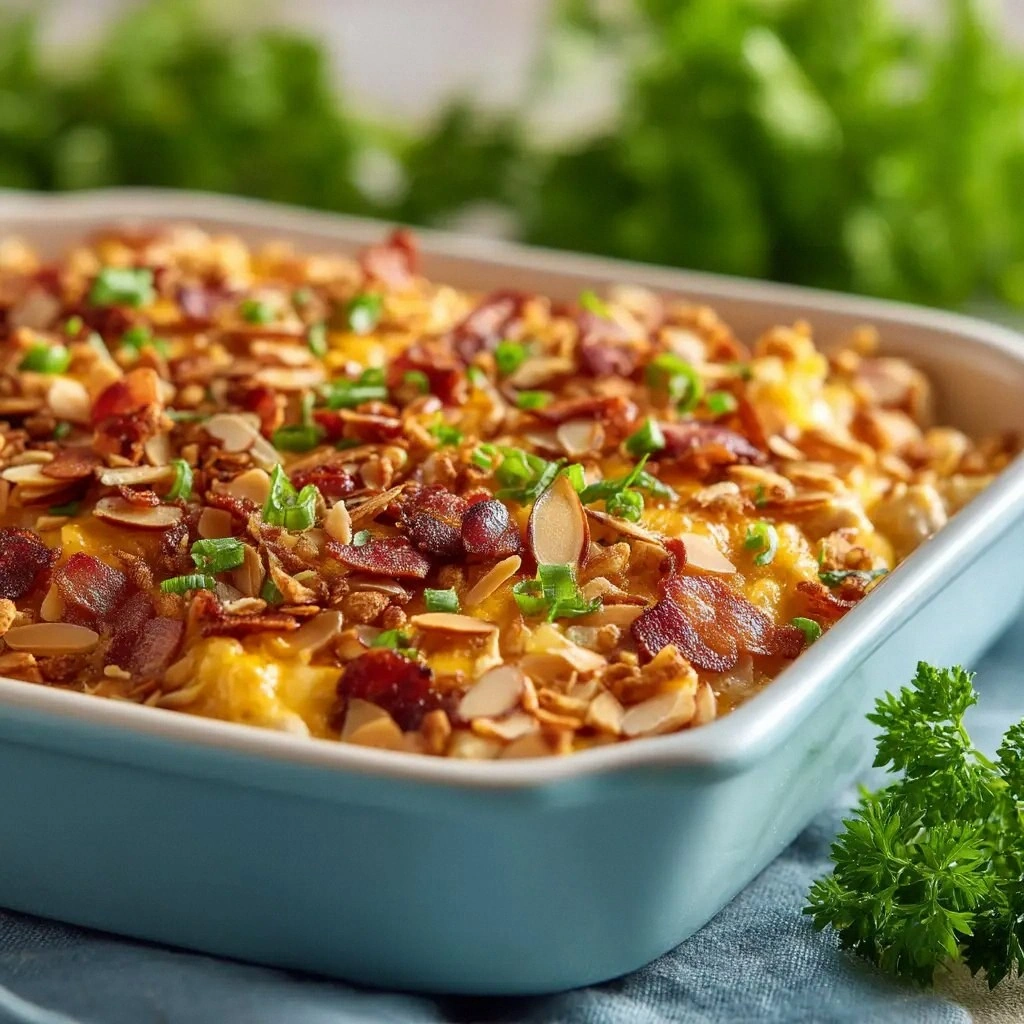
This version of the Neiman Marcus Chicken Casserole is hands down the best you’ll ever make at home because it balances rich, velvety textures with a crunchy, nutty finish that most recipes miss. The secret lies in layering the flavors—starting with a base of double condensed soups, then adding a splash of sour cream for that tangy lift, and finishing with a generous sprinkle of slivered almonds that crunch like fresh snow. The result is a casserole that feels indulgent yet comforting, a dish that invites you to taste it again and again. I dare you to taste this and not go back for seconds.
Let me walk you through every single step — by the end, you’ll wonder how you ever made it any other way. The journey starts with a simple idea: take a classic comfort dish and elevate it with bold ingredients and precise timing. You’ll learn how to create a sauce that coats the chicken like velvet, how to achieve a golden crust that shatters like thin ice, and how to keep the casserole moist without compromising on texture. Picture yourself pulling this out of the oven, the whole kitchen smelling incredible, and the first bite delivering a cascade of flavors that will leave you craving more.
What Makes This Version Stand Out
Richness: The combination of double condensed soups and sour cream creates a depth of flavor that rivals any restaurant‑style casserole. The creamy base is thick enough to cling to each chicken piece while still allowing the spices to shine.
Texture: The slivered almonds add a satisfying crunch that contrasts beautifully with the tender chicken and silky sauce. The breadcrumbs on top form a golden, caramelized crust that breaks apart with each forkful.
Ease: No need for a dozen separate ingredients or complicated prep steps. The recipe boils down to mixing, baking, and a few quick additions that keep the process breezy.
Versatility: Whether you’re feeding a crowd or cooking for a single family dinner, this casserole adapts perfectly. It can be made ahead, frozen, or reheated without losing its signature charm.
Ingredient Quality: Using high‑quality, fresh produce and real butter elevates the dish beyond a generic comfort meal. The sharp cheddar adds a robust, savory note that ties everything together.
Make‑Ahead Potential: Assemble the casserole a day before, refrigerate, and bake fresh when you’re ready. It’s an ideal meal prep option that never feels like a compromise.
Alright, let’s break down exactly what goes into this masterpiece…
Inside the Ingredient List
The Flavor Base
At the heart of this casserole is the double condensed soup duo—cream of mushroom and cream of chicken. These soups provide the creamy backbone that holds the dish together. If you’re looking for a lighter version, swap the condensed soups for homemade cream soups made from scratch; the result will be fresher but will require a bit more time.
The sour cream is the unsung hero that balances the richness of the soups. It adds a subtle tang that brightens the overall flavor and keeps the sauce from becoming too heavy. Skipping the sour cream will leave the casserole lacking that bright lift, making it feel flat and overly dense.
The butter, though only a tablespoon, melts into the sauce, creating a silky texture that coats each bite. Using a good quality unsalted butter will enhance the overall flavor and prevent a greasy aftertaste. If you’re vegan, a plant‑based butter works, but the taste will be noticeably different.
The Texture Crew
Celery adds a crisp, vegetal bite that contrasts with the tender chicken. Fresh celery is essential; dried or frozen will not provide the same crunch. If you prefer a softer texture, you can finely dice the celery and cook it with the onions.
Onion brings a sweet, aromatic base that grounds the dish. The ½ cup of diced onion should be sautéed until golden before adding the soups. This step caramelizes the sugars, giving the casserole a deeper, sweeter flavor profile.
Slivered almonds contribute a nutty crunch that elevates the casserole’s texture. Toast them lightly in a dry pan to bring out their natural oils and add a subtle toasty note. If you’re allergic or simply dislike almonds, you can replace them with chopped walnuts or pecans for a different crunch.
The Unexpected Star
Breadcrumbs are the final flourish that creates a golden, crispy top. Using panko breadcrumbs gives a lighter, airier crunch compared to regular breadcrumbs. If you want a gluten‑free option, opt for gluten‑free breadcrumbs or crushed cornflakes.
Sharp cheddar cheese is the melt‑in‑your‑mouth element that ties the casserole together. The sharpness of the cheddar cuts through the creaminess, adding a savory punch. For a milder cheese, try mozzarella or a blend of cheddar and Monterey‑Jack.
The Final Flourish
Cooked chicken is the star protein of the dish. Use shredded or diced chicken for even distribution. If you’re using leftover rotisserie chicken, ensure it’s tender and free of excess skin to avoid a greasy casserole.
Everything's prepped? Good. Let's get into the real action…

The Method — Step by Step
- Preheat your oven to 375°F (190°C). While the oven is heating, gather all your ingredients and set them out on the counter. This prep time is critical to keep the process smooth and efficient. The oven temperature will create the perfect environment for the casserole to rise and develop that golden crust.
- In a large skillet, melt the tablespoon of butter over medium heat. Add the diced onion and celery, sautéing until they become translucent and fragrant—about 5 minutes. The onions should be soft, not browned, to preserve their sweet flavor. This step builds a flavorful base that will carry through the entire dish.
- Stir in the condensed cream of mushroom soup and the condensed cream of chicken soup. Mix thoroughly until the mixture is smooth and well combined. The soups should coat the vegetables evenly, creating a thick, creamy sauce that will bind the casserole together. Keep the heat low to prevent scorching.
- Fold in the sour cream, ensuring it blends into the sauce without curdling. The sour cream should be at room temperature to avoid separation. This addition will give the casserole a silky, tangy finish that balances the richness of the soups.
- Add the cooked chicken to the skillet, stirring to coat each piece with the sauce. The chicken should be evenly distributed so every bite has that creamy, savory coating. If the mixture seems too thick, add a splash of milk or chicken broth to reach a silky consistency.
- Transfer the mixture to a greased 9×13 inch baking dish. Spread it out evenly, creating a uniform layer that will bake evenly. The dish should be pre‑lined with parchment or lightly greased to prevent sticking.
- In a small bowl, combine the slivered almonds, sharp cheddar cheese, and breadcrumbs. Sprinkle this mixture over the top of the casserole, pressing lightly to ensure it adheres to the sauce. The almonds will add crunch, the cheese will melt into a golden glaze, and the breadcrumbs will form a crisp crust.
- Bake in the preheated oven for 25–30 minutes, or until the top is golden brown and the casserole is bubbling. The bubbling indicates the sauce has thickened and the flavors have melded together. Keep an eye on the edges; they should pull away slightly from the dish, signaling doneness.
- Remove the casserole from the oven and let it rest for 5 minutes. This resting period allows the flavors to settle and the top to firm up, making it easier to cut clean slices. The rest also lets the sauce thicken slightly, ensuring each bite is perfectly creamy.
- Serve hot, accompanied by a simple green salad or crusty bread. The contrast between the creamy casserole and the fresh, crisp salad will elevate the meal. Plate each serving with care, and watch as the golden crust gives a satisfying crunch with every forkful.
That's it — you did it. But hold on, I've got a few more tricks that'll take this to another level…
Insider Tricks for Flawless Results
The Temperature Rule Nobody Follows
Many home cooks set their oven to 350°F, but 375°F is the sweet spot for this casserole. The higher temperature ensures a crisp top while keeping the inside moist. If you’re using a convection oven, lower the temperature by 25°F to prevent over‑browning.
Why Your Nose Knows Best
Before you take the casserole out of the oven, inhale the aroma. A well‑cooked casserole should smell buttery, slightly nutty, and a hint of mushroom. If you notice a sour or off scent, it may be overcooked or the sauce too thick.
The 5-Minute Rest That Changes Everything
Letting the casserole rest for five minutes after baking is essential. The sauce continues to thicken during this time, and the top settles into a perfect bite‑size crust. Skipping the rest can lead to a mushy texture that’s hard to slice cleanly.
Almonds vs. Walnuts
Almonds provide a subtle, sweet crunch, while walnuts give a richer, slightly bitter contrast. Swapping the nuts changes the flavor profile dramatically, so choose based on your palate. A walnut version is great for autumnal vibes.
Cheese Variations
Sharp cheddar is the classic choice, but you can experiment with Gruyère for a nutty depth or with a blend of cheddar and mozzarella for a gooey, melty texture. The key is to use a cheese that melts well and has a robust flavor to stand up to the creamy sauce.
Make‑Ahead Tip
Assemble the casserole the night before, cover tightly, and refrigerate. Bake it fresh in the morning, and the flavors will be even more developed. This makes it perfect for busy weekday dinners.
Creative Twists and Variations
This recipe is a playground. Here are some of my favorite ways to switch things up:
Southwest Kick
Add a half cup of corn kernels, a diced jalapeño, and a teaspoon of cumin to the sauce. Sprinkle chopped cilantro on top before baking for a fresh, zesty finish. This version pairs wonderfully with a side of black beans.
Italian Flair
Replace the slivered almonds with toasted pine nuts and swap the cheddar for a mix of mozzarella and Parmesan. Add a teaspoon of dried oregano and a pinch of red pepper flakes to the sauce. Serve over a bed of cooked pasta for a hearty meal.
Vegetarian Edition
Swap the chicken for diced tofu or a mix of sautéed mushrooms and bell peppers. Keep the rest of the ingredients the same, and the casserole will still deliver the creamy, crunchy experience.
Cheesy Broccoli Surprise
Stir in a cup of steamed broccoli florets before baking, and add a splash of cream cheese to the sauce for extra richness. The broccoli adds a pop of green and a subtle earthiness that balances the creamy base.
Gluten-Free Twist
Use gluten‑free breadcrumbs or crushed rice crackers instead of regular breadcrumbs. Ensure the canned soups are gluten‑free or make a homemade version to avoid hidden gluten. The casserole remains just as delightful.
Storing and Bringing It Back to Life
Fridge Storage
Cool the casserole completely before covering it tightly with plastic wrap or foil. Store in the refrigerator for up to 4 days. Reheat in the oven at 350°F for 15 minutes, or until warmed through, to preserve the crispy top.
Freezer Friendly
Let the casserole cool completely, then wrap it tightly in foil and place it in a freezer bag. It will keep for up to 3 months. Thaw overnight in the refrigerator before reheating as described above.
Best Reheating Method
To revive the casserole, add a splash of milk or chicken broth to the bottom of the dish before reheating. Cover with foil and bake at 350°F for 20 minutes, then uncover for the last 5 minutes to restore the golden crust. This trick steams the casserole back to perfection, keeping it moist without drying out.