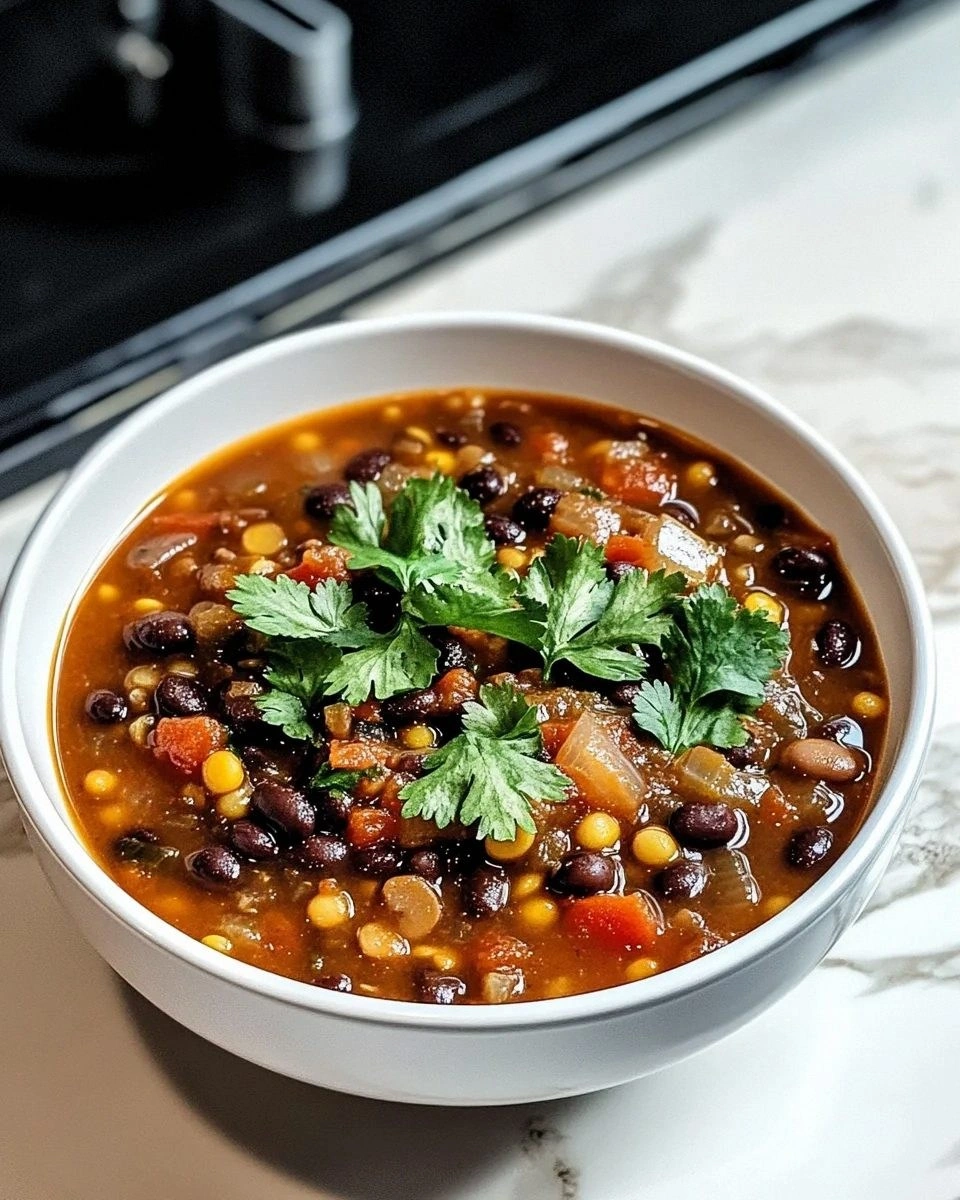
It started with a kitchen catastrophe that would have left me staring at a ruined loaf of bread and a burnt skillet. I was trying to impress my in‑laws with a classic meatloaf, but the batter had turned into a rubbery mess, and the stuffing was soggy as a soggy newspaper. That night, after the smoke alarm screamed and the family laughed at my culinary mishap, I swore I would find a way to turn the humble meatloaf into something that would actually taste like a holiday centerpiece. Fast forward a few months, and I discovered a stovetop stuffing meatloaf that not only salvages the stuffing but elevates it to a new level of flavor and texture. The result is a dish that feels like a holiday classic but works any day of the week. I dare you to taste this and not go back for seconds.
Picture yourself pulling this out of the pan, the whole kitchen smelling incredible, the steam swirling like a fragrant cloud. The crust is golden and slightly crisp, while the interior remains moist and tender, almost like a well‑cooked steak in loaf form. The stuffing, made from a mix of bread crumbs, sautéed onions, celery, carrots, and herbs, adds a comforting, earthy depth that contrasts beautifully with the savory meat. The cheese layer on top melts into silky ribbons that coat each bite, giving the dish a decadent, velvety finish. If you've ever struggled with stuffing that ends up soggy or meatloaf that is dry, you're not alone – and I've got the fix. Stay with me here; this is worth it.
The first time I tried this recipe, I was skeptical about the stovetop method. Traditional meatloaf recipes rely on baking, but I wanted something that would cook faster and allow me to watch the process unfold. I discovered that by cooking the meatloaf on the stove, I could achieve a caramelized crust while the stuffing stayed fluffy and flavorful. The trick is to use a heavy‑bottomed skillet and a tight‑fitting lid that traps steam, allowing the filling to rise and the meat to cook evenly. The result is a dish that is both comforting and sophisticated, with a depth of flavor that you would expect from a slow‑roasted roast. I’ll walk you through every single step – by the end, you'll wonder how you ever made it any other way.
I also realized that the key to this recipe’s success lies in the balance of textures. The crunchy crust, the chewy stuffing, and the melt‑in‑your‑mouth meat all combine to create a symphony of sensations that dance on the palate. The stuffing’s herbs provide a fresh aroma, while the cheese adds a subtle richness that ties everything together. The stovetop method keeps the moisture locked in, preventing the loaf from drying out. This dish is hands down the best version you'll ever make at home, especially when you have a busy weeknight and need a comforting meal that comes together in less than an hour. Let’s dive into the details.
What Makes This Version Stand Out
- Flavor: The blend of aromatic herbs and sautéed vegetables creates a savory base that elevates every bite.
- Texture: The stovetop cooking technique locks in moisture, producing a crust that’s crisp yet tender inside.
- Convenience: No oven required; everything cooks in a single skillet, saving time and reducing cleanup.
- Versatility: The stuffing can be customized with your favorite veggies or a splash of wine for extra depth.
- Make‑Ahead: Assemble the loaf in advance and refrigerate; it will cook just as well the next day.
- Crowd‑Pleaser: The cheese ribbon and aromatic stuffing make this dish a hit at family gatherings.
Alright, let's break down exactly what goes into this masterpiece…
Inside the Ingredient List
The Flavor Base
1 cup diced onions and 1 cup diced celery form the aromatic foundation of the stuffing. They release a sweet, savory profile that underpins the entire loaf. If you skip them, you’ll lose the depth that keeps the stuffing from feeling flat. For a quick alternative, use pre‑sautéed onion mix or a splash of vegetable stock to compensate for the missing moisture.
1 cup diced carrots add natural sweetness and a subtle earthiness that balances the richness of the meat. Carrots also help keep the stuffing from becoming too dense. If you’re allergic to carrots, zucchini or sweet potatoes make excellent substitutes, though they’ll alter the flavor slightly.
1 cup bread crumbs (panko or regular) absorb the juices and give the stuffing a light, airy texture. The breadcrumbs also help bind the mixture together, preventing it from falling apart when you flip the loaf. If you’re gluten‑free, use almond flour or a gluten‑free breadcrumb blend.
The Protein Crew
1 lb ground beef (or turkey for a leaner option) is the star of the show. It provides the hearty base that makes this dish a filling main course. The fat content in the meat keeps the loaf juicy; if you use a leaner cut, add a tablespoon of olive oil or a splash of beef broth to compensate.
2 large eggs bind everything together and help the loaf hold its shape. Eggs also contribute a subtle richness that enhances the overall flavor. If you’re vegan, use a flaxseed or chia seed “egg” (1 tablespoon of ground seed mixed with 3 tablespoons of water) to achieve a similar binding effect.
1/2 cup milk (or dairy‑free alternative) adds moisture and a slight tang that brightens the stuffing. The milk also helps the breadcrumbs swell and become fluffy. If you’re lactose intolerant, coconut milk or oat milk works well.
The Cheese Layer
1 cup shredded mozzarella melts into silky ribbons that coat each bite, adding a creamy, slightly salty flavor that balances the savory meat. The cheese also creates a delightful contrast with the crisp crust. If you prefer a sharper taste, substitute part of the mozzarella with sharp cheddar or provolone.
1/2 cup grated parmesan adds a nutty, umami punch that permeates the loaf. Parmesan also contributes a subtle crust when it browns on the top, giving the dish a golden finish. For a vegan option, use nutritional yeast or a vegan parmesan blend.
The Herb & Spice Ensemble
1 tsp dried thyme, 1 tsp dried sage, and 1 tsp garlic powder infuse the loaf with warm, earthy notes that remind you of autumn harvests. These herbs also help counterbalance the richness of the meat and cheese. If you’re fresh‑herb lovers, replace dried herbs with 1 tbsp each of fresh thyme, sage, and parsley for a brighter flavor.
1 tsp onion powder and 1/2 tsp black pepper add depth and a hint of heat. The pepper’s bite elevates the overall flavor profile, while the onion powder enhances the savory base. Feel free to adjust the pepper level to match your taste.
1/2 cup tomato sauce and 1 tbsp Worcestershire sauce give the stuffing a subtle tang and umami boost. The tomato sauce also adds moisture, preventing the loaf from drying out during cooking. If you’re avoiding soy, opt for a gluten‑free Worcestershire sauce or a splash of balsamic vinegar instead.
1/4 cup chopped fresh parsley and 1/4 cup chopped fresh basil add a burst of freshness that lifts the dish. These herbs provide a bright counterpoint to the warm, earthy base and give the loaf a vibrant color. If you’re allergic to parsley or basil, consider using dill or chives.
Everything’s prepped? Good. Let’s get into the real action…
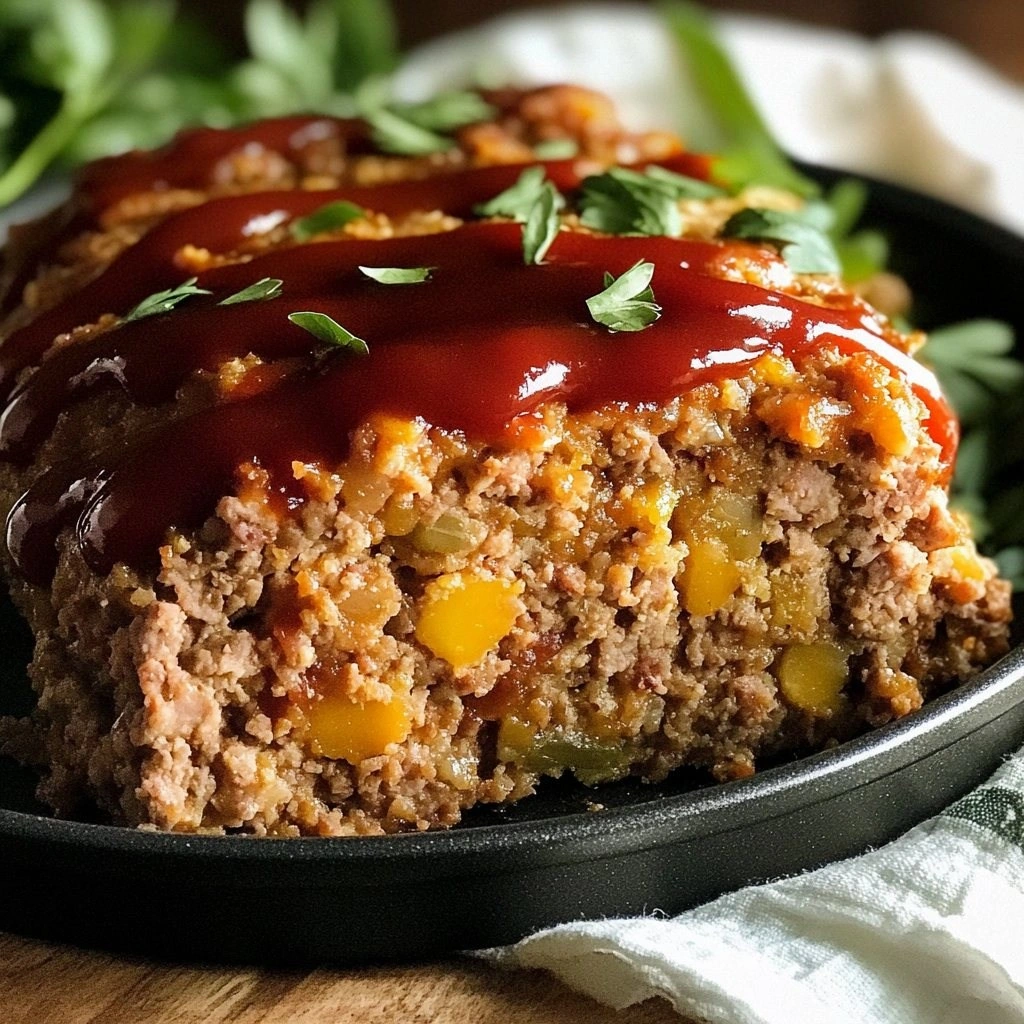
The Method — Step by Step
- Preheat the skillet: Place a 12‑inch heavy‑bottomed skillet over medium heat and allow it to heat up for about 3 minutes. You want it hot enough that a splash of water sizzles instantly. This step ensures the bottom of the loaf gets a nice sear without sticking. If the skillet is too hot, the meat will burn on the outside before the inside cooks.
- Brown the meat: In a large bowl, combine the ground beef with 1 tsp salt, 1/2 tsp pepper, and 1 tsp dried thyme. Add the browned meat to the skillet, spreading it evenly across the surface. Sear for 4–5 minutes until the edges start to brown. Flip the meat halfway through to ensure a uniform crust. The sizzle you hear is the hallmark of a well‑cooked meatloaf.
- Add the stuffing: Sprinkle the bread crumbs over the meat, then gently fold in the sautéed onions, celery, carrots, and herbs. Mix until the breadcrumbs are evenly coated with the meat juices. The stuffing should feel moist but not soggy. This is the moment of truth; the aroma will start to fill the kitchen.
- Incorporate the eggs and milk: Crack the eggs into a small bowl and whisk them with the milk. Pour the mixture over the meat and stuffing, then stir until everything is well combined. The eggs act as a binder, while the milk adds a subtle tang. If the mixture feels dry, add an extra tablespoon of milk.
- Shape the loaf: Using a spatula or your hands, press the mixture into a tight, even loaf shape. It should be compact enough to hold its form when flipped. Place the loaf back into the skillet, pressing it gently against the pan. The loaf should sit snugly, with a slight indentation where the skillet touches it.
- Cover and cook: Reduce the heat to low, cover the skillet with a tight‑fitting lid, and let the loaf simmer for 12 minutes. The steam trapped inside cooks the center gently, preventing it from drying out. Check the loaf after 10 minutes; the top should look set but still slightly moist.
- Flip the loaf: Carefully flip the loaf onto its other side using a large spatula. The crust should be golden brown, and the edges should start pulling away from the pan. Flip again after another 8 minutes, allowing the other side to develop a crisp, caramelized surface. The flip is a delicate operation; use a wide spatula to support the loaf fully.
- Finish with cheese: Sprinkle the shredded mozzarella and grated parmesan evenly over the top. Return the skillet to the stove and cover again for 3 minutes, letting the cheese melt into silky ribbons. The cheese should be glossy and slightly browned on the edges. This final step adds a luxurious finish that makes the loaf irresistible.
- Rest and serve: Remove the skillet from the heat and let the loaf rest for 5 minutes. This rest period allows the juices to redistribute, ensuring every bite is juicy and flavorful. Slice the loaf with a sharp knife, and serve hot with your favorite side dish.
That's it — you did it. But hold on, I've got a few more tricks that'll take this to another level…
Insider Tricks for Flawless Results
The Temperature Rule Nobody Follows
Most people cook meatloaf at a single high temperature, but this recipe thrives on a low‑heat, slow‑cook approach that locks in moisture. By cooking at 250°F (120°C) in the skillet, the meat cooks evenly, and the stuffing has time to absorb the flavors. A friend once tried a quick sear and ended up with a dry, uneven loaf. I learned that patience pays off.
Why Your Nose Knows Best
As the meatloaf cooks, the aroma will change from meaty to caramelized to cheesy. Trust your nose; when the smell is rich and slightly sweet, it’s a sign that the crust is developing. If you’re unsure, give the loaf an extra minute or two; the scent is a reliable indicator of doneness.
The 5-Minute Rest That Changes Everything
After removing the loaf from the skillet, let it rest for at least five minutes. This rest period allows the juices to redistribute, preventing a dry center. A friend who skipped this step complained about a watery loaf, so I always make sure to rest.
Use a Silicone Mat for Easy Cleanup
The skillet can get sticky, especially if you’re working with a lot of cheese. Lining the skillet with a silicone mat or parchment paper before cooking prevents sticking and makes cleanup a breeze. This hack saves you from scrubbing the pan for hours.
Add a Splash of Wine for Depth
A tablespoon of dry white wine added to the stuffing mixture before cooking adds a subtle acidity that brightens the dish. The wine evaporates during cooking, leaving behind a complex flavor profile that’s hard to resist. I love this trick for a quick upgrade.
Creative Twists and Variations
This recipe is a playground. Here are some of my favorite ways to switch things up:
Mediterranean Twist
Swap the ground beef for ground lamb, add chopped sun‑dried tomatoes, and sprinkle oregano. Finish with crumbled feta on top. This version has a tangy, savory profile that pairs well with a cucumber yogurt sauce.
Spicy Cajun Variation
Add 1 tsp Cajun seasoning to the meat mixture, and incorporate diced bell peppers. Use smoked paprika for the stuffing. The result is a fiery loaf with a smoky undertone that’s great with a cool avocado dip.
Cheesy Broccoli & Cheddar
Stir in 1 cup of steamed, chopped broccoli and replace mozzarella with sharp cheddar. The broccoli adds a fresh crunch, while the cheddar gives a sharp, buttery flavor. Serve with a side of creamy mashed potatoes.
Herb‑Infused Turkey
Replace beef with ground turkey for a leaner option. Add fresh rosemary, thyme, and a splash of lemon zest. The turkey’s mild taste allows the herbs to shine, making the loaf feel lighter and brighter.
Vegan Stuffing Meatloaf
Use a plant‑based ground substitute, mashed chickpeas, and nutritional yeast. Replace eggs with flaxseed “eggs” and use vegan mozzarella. This version is hearty and satisfies even the most devout carnivores.
Storing and Bringing It Back to Life
Fridge Storage
Cool the loaf completely, then wrap tightly in plastic wrap and place it in an airtight container. Store in the refrigerator for up to 3 days. When you’re ready to eat, reheat in a pre‑heated oven at 350°F (175°C) for 15 minutes, or until warmed through. The loaf stays moist and flavorful.
Freezer Friendly
Wrap the loaf in two layers of plastic wrap, then place it in a freezer bag. Freeze for up to 2 months. When reheating, thaw overnight in the refrigerator, then bake at 350°F (175°C) for 20–25 minutes. The texture will be just as good as fresh.
Best Reheating Method
To revive the loaf’s moisture, sprinkle a tiny splash of water over the top before reheating. The steam created will help restore the softness of the stuffing. Reheat in a skillet over low heat, covering for 5 minutes, or use the oven method described above. The result is a loaf that tastes almost brand new.