
Baked Haddock With Dill
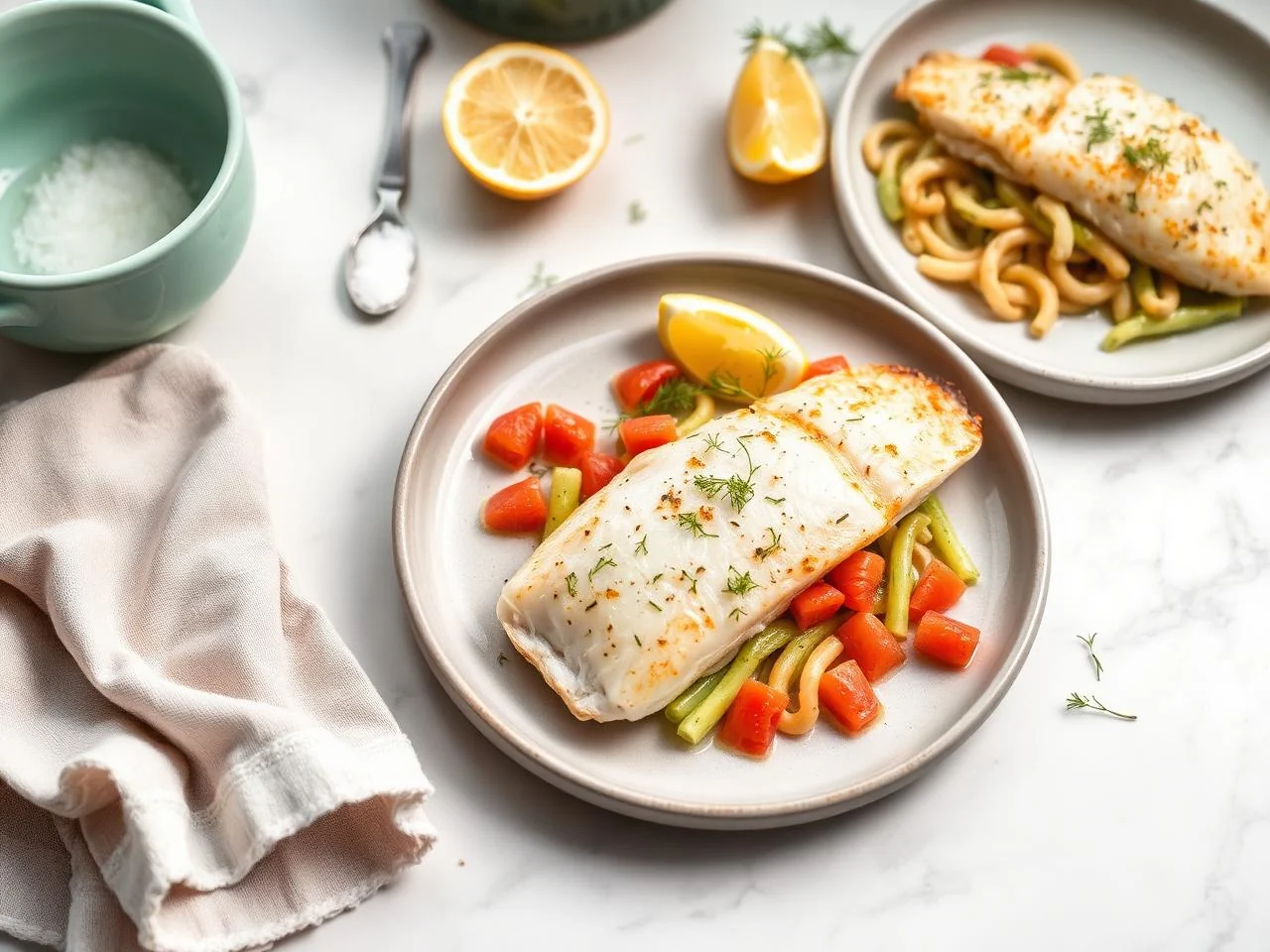
I still remember the first time I had baked haddock with dill at my grandparents' house by the coast. The combination of the tender fish, the brightness of the dill, and the comforting warmth of the baked dish has stayed with me to this day. As someone who loves cooking and sharing meals with family and friends, I'm excited to pass on this simple yet impressive recipe for baked haddock with dill.
This recipe is perfect for those who are a bit nervous about cooking seafood. Haddock is a mild-flavored fish that pairs beautifully with the freshness of dill, and baking it in the oven is a foolproof way to achieve a moist and flaky texture. Whether you're looking for a quick weeknight dinner or a special occasion meal, this baked haddock with dill is sure to please.
One of the things I love about this recipe is how easy it is to customize to your taste. You can adjust the amount of dill to your liking, add some garlic or lemon juice for extra flavor, or serve it with your favorite sides. I like to serve it with a simple green salad and some crusty bread for a light and satisfying meal.
In this recipe, I'll walk you through the steps to create a delicious baked haddock with dill that's sure to become a staple in your kitchen. From preparing the fish to serving the final dish, I'll share my tips and tricks for achieving the perfect balance of flavors and textures.
So, let's get started! With just a few simple ingredients and some basic cooking techniques, you'll be enjoying a mouthwatering baked haddock with dill in no time.
Why You’ll Love This Recipe
- This recipe is easy to make and requires minimal ingredients.
- The combination of haddock, dill, and lemon juice is a classic and delicious flavor combination.
- Baking the fish in the oven is a healthy and low-mess way to cook it.
- This recipe is perfect for a quick weeknight dinner or a special occasion meal.
- The dish is highly customizable, so you can adjust the amount of dill and other ingredients to your taste.
- The recipe is foolproof, so even beginners can achieve great results.
Why This Recipe Works
The key to this recipe is the combination of the delicate flavor of the haddock, the brightness of the dill, and the richness of the butter and lemon juice. By baking the fish in the oven, we can achieve a moist and flaky texture that's hard to resist. The dill adds a freshness and depth of flavor that complements the fish perfectly, while the butter and lemon juice add a richness and brightness that ties the whole dish together.
Another important aspect of this recipe is the use of a moderate oven temperature and a short cooking time. This helps to prevent the fish from drying out and ensures that it stays moist and tender. By cooking the fish until it reaches an internal temperature of 145 F (63 C), we can be sure that it's cooked through and safe to eat.
Finally, the use of fresh and high-quality ingredients is essential to the success of this recipe. Fresh dill, real butter, and freshly squeezed lemon juice all make a big difference in the flavor and texture of the final dish. By using the best ingredients we can find, we can create a truly exceptional baked haddock with dill that's sure to impress.
Ingredients You’ll Need
To make this baked haddock with dill, you'll need a few simple ingredients, including fresh haddock fillets, fresh dill, butter, lemon juice, salt, and pepper. You'll also need some basic pantry staples, such as flour and olive oil. Be sure to choose the freshest and highest-quality ingredients you can find, as they'll make a big difference in the flavor and texture of the final dish.
When shopping for haddock, look for fillets that are firm and have a mild smell. Fresh dill is also essential, so try to find it at a local farmers' market or in the produce section of your grocery store. With these simple ingredients and some basic cooking techniques, you'll be able to create a delicious baked haddock with dill that's sure to please.
- 4 haddock fillets, 6 oz (170g) eachLook for fresh haddock fillets that are firm and have a mild smell. You can also use other types of white fish, such as cod or tilapia, if you prefer.
- 1/4 cup (15g) fresh dill, choppedFresh dill is essential for this recipe, so try to find it at a local farmers' market or in the produce section of your grocery store. You can also use dried dill as a substitute, but the flavor won't be as bright and fresh.
- 2 tbsp (30g) unsalted butter, softenedUse high-quality, unsalted butter for the best flavor. You can also use other types of fat, such as olive oil or avocado oil, if you prefer.
- 2 tbsp (30g) freshly squeezed lemon juiceFreshly squeezed lemon juice is essential for this recipe, so try to use a manual or electric juicer to extract the juice from a fresh lemon. You can also use bottled lemon juice as a substitute, but the flavor won't be as bright and fresh.
- 1 tsp (5g) saltUse a high-quality, flaky salt, such as kosher salt or sea salt, for the best flavor. You can also use other types of salt, such as table salt or Himalayan pink salt, if you prefer.
- 1/2 tsp (2g) black pepperUse a high-quality, freshly ground black pepper for the best flavor. You can also use other types of pepper, such as white pepper or green pepper, if you prefer.
- 1/4 cup (30g) all-purpose flourUse a high-quality, all-purpose flour, such as bread flour or cake flour, for the best texture. You can also use other types of flour, such as whole wheat flour or gluten-free flour, if you prefer.
- 2 cloves garlic, mincedUse fresh garlic for the best flavor. You can also use other types of garlic, such as roasted garlic or garlic powder, if you prefer.
- 1/4 cup (60g) white wine, optionalUse a high-quality, dry white wine, such as Chardonnay or Sauvignon Blanc, for the best flavor. You can also use other types of wine, such as red wine or sparkling wine, if you prefer.
- 2 tbsp (30g) chopped fresh parsley, for garnishUse fresh parsley for the best flavor and texture. You can also use other types of herbs, such as dill or basil, if you prefer.
Equipment You’ll Need
How to Make Baked Haddock With Dill
- 1Preheat your oven to 400 F (200 C).
- 2Rinse the haddock fillets under cold water, pat them dry with paper towels, and season with salt and pepper.
- 3In a shallow dish, mix together the flour, garlic, and a pinch of salt and pepper.
- 4Dredge the haddock fillets in the flour mixture, shaking off any excess.
- 5Heat the butter in an oven-safe skillet or baking dish over medium-high heat. Add the haddock fillets and cook for 2-3 minutes on each side, until they're golden brown.
- 6Transfer the skillet or baking dish to the preheated oven and bake for 8-10 minutes, until the haddock reaches an internal temperature of 145 F (63 C).
- 7While the haddock is baking, mix together the chopped dill, lemon juice, and a pinch of salt and pepper.
- 8After the haddock has baked for 8-10 minutes, remove it from the oven and brush the dill and lemon juice mixture evenly over the top of each fillet.
- 9Return the haddock to the oven and bake for an additional 1-2 minutes, until the fish is cooked through and the top is lightly browned.
- 10Remove the haddock from the oven and let it rest for 2-3 minutes before serving.
- 11Garnish with chopped parsley and serve immediately.
Expert Tips
- Make sure to pat the haddock fillets dry with paper towels before cooking to remove excess moisture and help the fish cook evenly.
- Don't overcrowd the skillet or baking dish, as this can cause the haddock to steam instead of sear. Cook the fillets in batches if necessary.
- Use a thermometer to ensure the haddock reaches a safe internal temperature of 145 F (63 C).
- Don't overcook the haddock, as this can cause it to become dry and tough. Cook it until it's just done, then let it rest for a few minutes before serving.
- Add some aromatics, such as sliced onions or carrots, to the skillet or baking dish with the haddock for added flavor.
- Serve the haddock with a side of tartar sauce or lemon wedges for a bright and tangy flavor.
- Experiment with different seasonings, such as paprika or dried herbs, to add more flavor to the haddock.
- Try using different types of fish, such as cod or tilapia, for a variation on the recipe.
Common Mistakes to Avoid
- Not patting the haddock fillets dry with paper towels before cooking, which can cause excess moisture and uneven cooking.
- Overcrowding the skillet or baking dish, which can cause the haddock to steam instead of sear.
- Not using a thermometer to ensure the haddock reaches a safe internal temperature of 145 F (63 C).
- Overcooking the haddock, which can cause it to become dry and tough.
- Not letting the haddock rest for a few minutes before serving, which can cause it to lose its juices and flavor.
- Not using fresh and high-quality ingredients, which can affect the flavor and texture of the final dish.
Variations and Substitutions
- Try using different types of fish, such as cod or tilapia, for a variation on the recipe.
- Add some aromatics, such as sliced onions or carrots, to the skillet or baking dish with the haddock for added flavor.
- Experiment with different seasonings, such as paprika or dried herbs, to add more flavor to the haddock.
- Serve the haddock with a side of tartar sauce or lemon wedges for a bright and tangy flavor.
- Try using different types of citrus, such as lime or orange, for a variation on the recipe.
- Add some heat to the dish by incorporating red pepper flakes or diced jalapenos.
- Try using different types of flour, such as whole wheat or gluten-free, for a variation on the recipe.
What to Serve With Baked Haddock With Dill
This baked haddock with dill is perfect for serving with a variety of sides, such as roasted vegetables, quinoa, or a simple green salad. You can also serve it with a side of tartar sauce or lemon wedges for a bright and tangy flavor.
Some other ideas for serving this dish include:
Make-Ahead, Storage, Freezing and Reheating
This baked haddock with dill can be stored in the refrigerator for up to 3 days or frozen for up to 2 months. To store, let the fish cool to room temperature, then wrap it tightly in plastic wrap or aluminum foil and refrigerate or freeze.
To reheat, simply thaw the fish overnight in the refrigerator, then reheat it in the oven at 350 F (180 C) for 5-7 minutes, until it's warmed through.
Some tips for storing and reheating this dish include:
Frequently Asked Questions
What type of fish is best for this recipe?
Haddock is a great choice for this recipe, but you can also use other types of white fish, such as cod or tilapia. Just be sure to adjust the cooking time and temperature accordingly.
How do I know when the haddock is cooked through?
The haddock is cooked through when it reaches an internal temperature of 145 F (63 C). You can use a thermometer to check the temperature, or you can check for doneness by inserting a fork or knife into the thickest part of the fish. If it flakes easily and is opaque and white, it's cooked through.
Can I use frozen haddock for this recipe?
Yes, you can use frozen haddock for this recipe. Just be sure to thaw it first and pat it dry with paper towels before cooking.
How do I prevent the haddock from sticking to the skillet or baking dish?
To prevent the haddock from sticking, be sure to pat it dry with paper towels before cooking, and use a small amount of oil or butter in the skillet or baking dish. You can also use a non-stick skillet or baking dish for added protection.
Can I make this recipe ahead of time?
Yes, you can make this recipe ahead of time. Simply prepare the haddock and refrigerate or freeze it until you're ready to cook it. Then, simply reheat it in the oven or on the stovetop until it's warmed through.
What are some variations on this recipe?
Some variations on this recipe include using different types of fish, adding aromatics to the skillet or baking dish, and experimenting with different seasonings and sauces. You can also try using different types of citrus, such as lime or orange, for a variation on the recipe.
How do I store and reheat this dish?
This baked haddock with dill can be stored in the refrigerator for up to 3 days or frozen for up to 2 months. To reheat, simply thaw the fish overnight in the refrigerator, then reheat it in the oven at 350 F (180 C) for 5-7 minutes, until it's warmed through.
What are some common mistakes to avoid when making this recipe?
Some common mistakes to avoid when making this recipe include not patting the haddock dry with paper towels before cooking, overcrowding the skillet or baking dish, and not using a thermometer to ensure the haddock reaches a safe internal temperature of 145 F (63 C).
Ingredients
- 4 haddock fillets, 6 oz (170g) each
- 1/4 cup (15g) fresh dill, chopped
- 2 tbsp (30g) unsalted butter, softened
- 2 tbsp (30g) freshly squeezed lemon juice
- 1 tsp (5g) salt
- 1/2 tsp (2g) black pepper
- 1/4 cup (30g) all-purpose flour
- 2 cloves garlic, minced
- 1/4 cup (60g) white wine, optional
- 2 tbsp (30g) chopped fresh parsley, for garnish
Instructions
- Preheat your oven to 400 F (200 C).
- Rinse the haddock fillets under cold water, pat them dry with paper towels, and season with salt and pepper.
- In a shallow dish, mix together the flour, garlic, and a pinch of salt and pepper.
- Dredge the haddock fillets in the flour mixture, shaking off any excess.
- Heat the butter in an oven-safe skillet or baking dish over medium-high heat. Add the haddock fillets and cook for 2-3 minutes on each side, until they're golden brown.
- Transfer the skillet or baking dish to the preheated oven and bake for 8-10 minutes, until the haddock reaches an internal temperature of 145 F (63 C).
- While the haddock is baking, mix together the chopped dill, lemon juice, and a pinch of salt and pepper.
- After the haddock has baked for 8-10 minutes, remove it from the oven and brush the dill and lemon juice mixture evenly over the top of each fillet.
- Return the haddock to the oven and bake for an additional 1-2 minutes, until the fish is cooked through and the top is lightly browned.
- Remove the haddock from the oven and let it rest for 2-3 minutes before serving.
- Garnish with chopped parsley and serve immediately.