
Seafood Fettuccine Carbonara
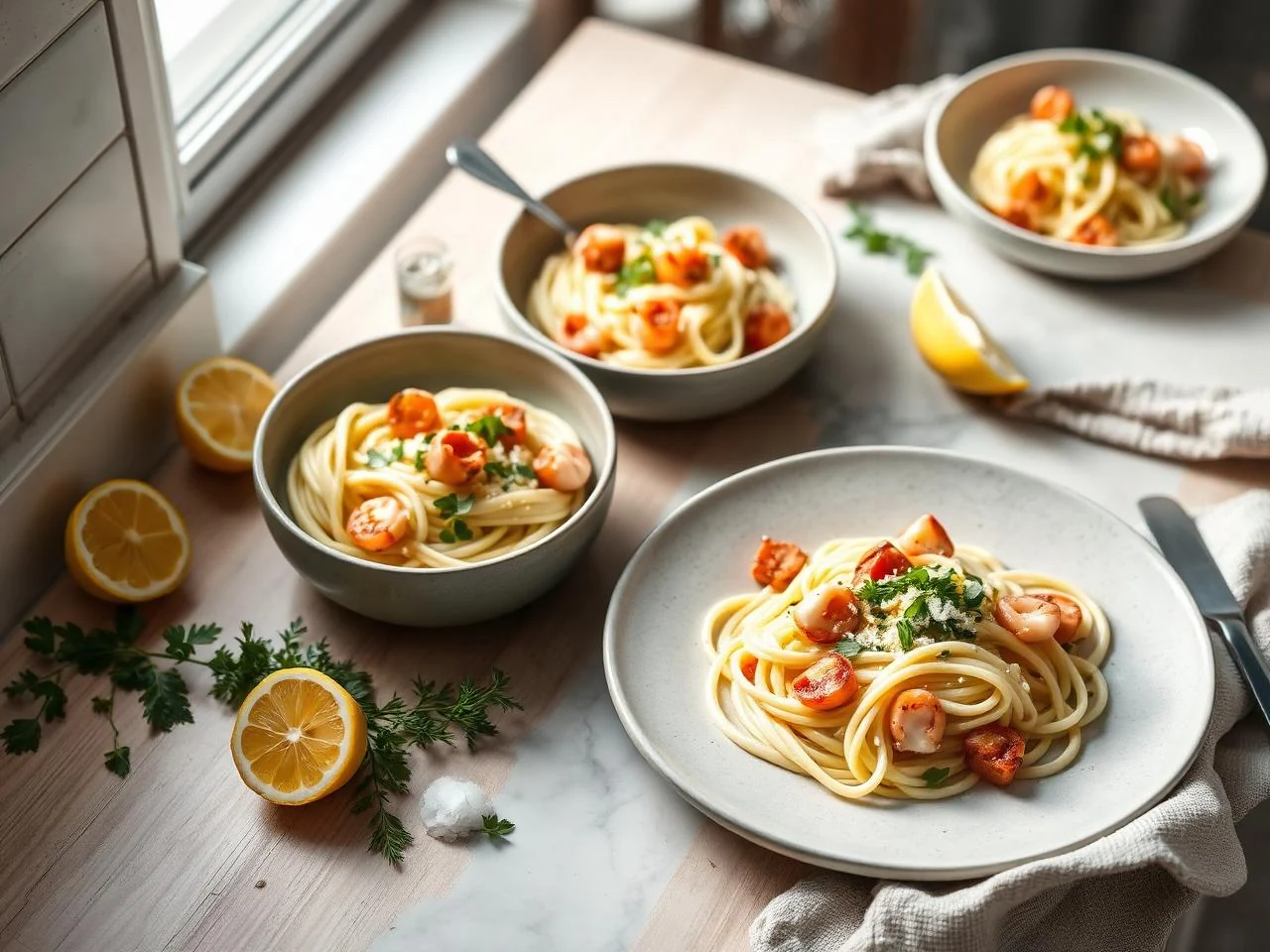
I still remember the first time I had a truly great seafood fettuccine carbonara. It was at a small coastal restaurant, where the chef had managed to combine the freshest seafood with a rich and creamy sauce. From that day on, I was determined to recreate that dish in my own kitchen. After months of experimentation, I finally landed on a recipe that I'm excited to share with you today.
This seafood fettuccine carbonara is a game-changer for anyone who loves the combination of seafood and pasta. It's incredibly easy to make, requiring just a few ingredients and some basic cooking skills. The best part is that it's ready in under 30 minutes, making it the perfect option for a quick weeknight dinner.
One of the things that sets this recipe apart is the use of fresh seafood. I like to use a combination of shrimp, scallops, and mussels, but you can customize it to your liking. The key is to use the freshest ingredients possible, as they will make a huge difference in the flavor and texture of the dish.
In addition to the seafood, this recipe also features a rich and creamy sauce made with eggs, parmesan cheese, and butter. It's a classic carbonara sauce, but with a few tweaks to make it work with the seafood. The result is a dish that's both familiar and exciting, with a depth of flavor that will leave you wanting more.
Whether you're a seafood lover or just looking for a new recipe to try, this seafood fettuccine carbonara is a must-try. It's easy, delicious, and sure to become a favorite in your household. So go ahead, give it a try, and let me know what you think!
Why You’ll Love This Recipe
- This recipe is easy to make and requires minimal ingredients
- It's a great way to enjoy fresh seafood in a creamy and rich sauce
- The dish is ready in under 30 minutes, making it perfect for a quick weeknight dinner
- You can customize the recipe to your liking by using different types of seafood
- The sauce is made with eggs, parmesan cheese, and butter, giving it a rich and creamy texture
- The recipe is perfect for special occasions or everyday meals
- It's a great way to impress your family and friends with a delicious and elegant dish
Why This Recipe Works
The key to a great seafood fettuccine carbonara is in the cooking technique. By using a combination of high heat and quick cooking, you can achieve a perfectly cooked seafood that's still tender and juicy. The sauce is also crucial, as it needs to be creamy and rich without overpowering the seafood.
One of the most important things to keep in mind when making this recipe is the temperature of the seafood. It's essential to cook it to an internal temperature of 145 F (63 C) to ensure that it's safe to eat and tender. You can use an instant-read thermometer to check the temperature, especially when cooking delicate seafood like shrimp and scallops.
Another important aspect of this recipe is the balance of flavors. The seafood provides a delicate flavor, while the sauce adds a rich and creamy element. The parmesan cheese adds a salty and nutty flavor, while the parsley adds a fresh and herbaceous note. By balancing these flavors, you can create a dish that's both harmonious and exciting.
Finally, the key to a great seafood fettuccine carbonara is in the texture. The pasta should be cooked al dente, while the seafood should be tender and juicy. The sauce should be creamy and rich, without being too heavy or overpowering. By achieving the right texture, you can create a dish that's both satisfying and enjoyable to eat.
Ingredients You’ll Need
When it comes to making a great seafood fettuccine carbonara, the ingredients are crucial. You'll need a combination of fresh seafood, including shrimp, scallops, and mussels, as well as some basic pantry staples like eggs, parmesan cheese, and butter. Be sure to choose the freshest ingredients possible, as they will make a huge difference in the flavor and texture of the dish.
One of the most important things to keep in mind when shopping for ingredients is the quality of the seafood. Look for seafood that's fresh and sustainably sourced, and be sure to handle it safely to avoid any foodborne illnesses.
- 1 lb (450g) fettuccine pastaFettuccine pasta is a long, flat noodle made from egg and flour, and is the traditional pasta used in carbonara dishes. Look for high-quality pasta that is made with fresh eggs and has a smooth texture.
- 1 lb (450g) mixed seafood (shrimp, scallops, mussels)The mixed seafood should include a combination of shrimp, scallops, and mussels. Look for seafood that is fresh and sustainably sourced, and be sure to handle it safely to avoid any foodborne illnesses.
- 4 large eggsEggs are a crucial ingredient in carbonara sauce, and provide richness and creaminess to the dish. Look for fresh eggs with clean, dry shells.
- 1/2 cup (120g) grated parmesan cheeseParmesan cheese is a hard, aged cheese that is often used in Italian cooking. Look for high-quality parmesan cheese that is made from cow's milk and has a nutty, salty flavor.
- 2 tbsp (30g) unsalted butterUnsalted butter is used to add richness and flavor to the dish. Look for high-quality butter that is made from fresh cream and has a smooth texture.
- 1/4 cup (60g) chopped fresh parsleyFresh parsley is used to add a fresh, herbaceous flavor to the dish. Look for parsley that is fresh and has a bright green color.
- 2 cloves garlic, mincedGarlic is used to add a pungent, savory flavor to the dish. Look for fresh garlic that is firm and has a papery skin.
- 1 tsp (5g) saltSalt is used to enhance the flavors in the dish and to bring out the natural sweetness of the seafood. Look for high-quality salt that is made from natural sources and has a fine texture.
- 1/2 tsp (2g) black pepperBlack pepper is used to add a sharp, peppery flavor to the dish. Look for high-quality black pepper that is made from natural sources and has a fine texture.
- 2 tbsp (30g) white wineWhite wine is used to add a rich, slightly sweet flavor to the dish. Look for high-quality white wine that is made from natural sources and has a crisp, clean flavor.
- 1/4 cup (60g) chopped fresh chivesFresh chives are used to add a fresh, oniony flavor to the dish. Look for chives that are fresh and have a bright green color.
Equipment You’ll Need
How to Make Seafood Fettuccine Carbonara
- 1Bring a large pot of salted water to a boil and cook the fettuccine pasta according to the package instructions until it is al dente. Reserve 1 cup of pasta water before draining the fettuccine.
- 2In a large skillet, melt 1 tablespoon of butter over medium heat. Add the garlic and cook for 1-2 minutes until fragrant.
- 3Add the mixed seafood to the skillet and cook for 2-3 minutes until it is lightly browned and cooked through to an internal temperature of 145 F (63 C). Use an instant-read thermometer to check the temperature in the thickest part of the seafood.
- 4Remove the seafood from the skillet and set it aside on a plate. Add the white wine to the skillet and cook for 1-2 minutes until it is reduced by half.
- 5In a large serving bowl, whisk together the eggs, parmesan cheese, and a pinch of salt and pepper. Add the cooked fettuccine pasta to the bowl and toss it with the egg mixture until the pasta is well coated.
- 6Add the reserved pasta water to the bowl in small increments and continue to toss the pasta until it is coated in a creamy sauce.
- 7Add the cooked seafood back into the bowl and toss it with the pasta and sauce until everything is well combined.
- 8Season the dish with salt and pepper to taste, then garnish it with chopped parsley and chives.
- 9Serve the seafood fettuccine carbonara immediately, with additional parmesan cheese and parsley on the side if desired.
- 10Let the dish rest for a few minutes before serving to allow the flavors to meld together.
- 11To finish the dish, add the remaining 1 tablespoon of butter to the bowl and toss it with the pasta and seafood until everything is well coated and the butter is melted.
- 12Serve the seafood fettuccine carbonara hot, garnished with additional parsley and parmesan cheese if desired.
Expert Tips
- Use high-quality ingredients, including fresh seafood and real parmesan cheese, to get the best flavor and texture in the dish.
- Don't overcook the seafood, as it can become tough and rubbery. Cook it until it is lightly browned and cooked through to an internal temperature of 145 F (63 C).
- Use a combination of garlic and white wine to add depth and richness to the sauce.
- Add the pasta water to the bowl in small increments and continue to toss the pasta until it is coated in a creamy sauce.
- Let the dish rest for a few minutes before serving to allow the flavors to meld together.
- Garnish the dish with chopped parsley and parmesan cheese to add a fresh and salty flavor.
- Serve the dish immediately, as the sauce can thicken and the seafood can become overcooked if it is left to sit for too long.
- Consider adding other ingredients to the dish, such as diced bell peppers or chopped prosciutto, to add more flavor and texture.
Common Mistakes to Avoid
- Overcooking the seafood, which can make it tough and rubbery.
- Not reserving enough pasta water, which can make the sauce too thick and sticky.
- Not whisking the egg mixture enough, which can make it too eggy and custard-like.
- Not seasoning the dish enough, which can make it bland and unappetizing.
- Not letting the dish rest before serving, which can make the flavors seem disjointed and unbalanced.
- Not using high-quality ingredients, which can affect the flavor and texture of the dish.
Variations and Substitutions
- Adding other types of seafood, such as mussels or clams, to the dish.
- Using different types of pasta, such as spaghetti or linguine, instead of fettuccine.
- Adding other ingredients to the sauce, such as diced onions or chopped bell peppers.
- Using different types of cheese, such as mozzarella or goat cheese, instead of parmesan.
- Adding some heat to the dish, such as red pepper flakes or diced jalapenos.
- Using a combination of seafood and meat, such as shrimp and bacon, to add more flavor and texture to the dish.
- Serving the dish with a side of garlic bread or a green salad to add more flavor and texture to the meal.
What to Serve With Seafood Fettuccine Carbonara
The seafood fettuccine carbonara is a versatile dish that can be served in a variety of ways. Consider serving it as a main course, with a side of garlic bread or a green salad. You could also serve it as a side dish, paired with a grilled steak or roasted chicken. For a special occasion, consider adding some luxury ingredients to the dish, such as truffles or caviar.
Some other ideas for serving the seafood fettuccine carbonara include:
Make-Ahead, Storage, Freezing and Reheating
The seafood fettuccine carbonara can be stored in the refrigerator for up to 3 days. To store it, let the dish cool to room temperature, then transfer it to an airtight container and refrigerate it. When you're ready to serve it, simply reheat it in the microwave or on the stovetop until it's hot and steaming.
To freeze the dish, let it cool to room temperature, then transfer it to an airtight container or freezer bag and freeze it. Frozen seafood fettuccine carbonara can be stored for up to 3 months. When you're ready to serve it, simply thaw it overnight in the refrigerator, then reheat it in the microwave or on the stovetop until it's hot and steaming.
Some tips for reheating the seafood fettuccine carbonara include:
Frequently Asked Questions
What type of seafood should I use in the dish?
You can use a combination of shrimp, scallops, and mussels, or any other type of seafood that you like. Just be sure to cook it until it is lightly browned and cooked through to an internal temperature of 145 F (63 C).
Can I use frozen seafood?
Yes, you can use frozen seafood in the dish. Just be sure to thaw it first and pat it dry with a paper towel before cooking it.
How do I prevent the sauce from becoming too thick and sticky?
To prevent the sauce from becoming too thick and sticky, be sure to reserve enough pasta water and add it to the bowl in small increments. You can also add a little more butter or cream to the sauce to thin it out.
Can I make the dish ahead of time?
Yes, you can make the dish ahead of time. Just cook the pasta and seafood, then let it cool to room temperature. Transfer it to an airtight container and refrigerate it until you're ready to serve it. Simply reheat it in the microwave or on the stovetop until it's hot and steaming.
How do I know when the seafood is cooked through?
The seafood is cooked through when it is lightly browned and cooked to an internal temperature of 145 F (63 C). Use an instant-read thermometer to check the temperature in the thickest part of the seafood.
Can I add other ingredients to the dish?
Yes, you can add other ingredients to the dish to suit your taste. Some ideas include diced onions, chopped bell peppers, or grated cheese. Just be sure to cook the ingredients until they are tender and flavorful before adding them to the dish.
How do I prevent the eggs from scrambling when I add them to the pasta?
To prevent the eggs from scrambling when you add them to the pasta, be sure to whisk them well before adding them. You can also add a little more pasta water to the bowl to thin out the sauce and prevent the eggs from cooking too quickly.
Can I serve the dish with a side of garlic bread?
Yes, you can serve the dish with a side of garlic bread. Simply slice a baguette into thin slices, spread garlic butter on each slice, and bake it in the oven until it's crispy and golden brown.
Ingredients
- 1 lb (450g) fettuccine pasta
- 1 lb (450g) mixed seafood (shrimp, scallops, mussels)
- 4 large eggs
- 1/2 cup (120g) grated parmesan cheese
- 2 tbsp (30g) unsalted butter
- 1/4 cup (60g) chopped fresh parsley
- 2 cloves garlic, minced
- 1 tsp (5g) salt
- 1/2 tsp (2g) black pepper
- 2 tbsp (30g) white wine
- 1/4 cup (60g) chopped fresh chives
Instructions
- Bring a large pot of salted water to a boil and cook the fettuccine pasta according to the package instructions until it is al dente. Reserve 1 cup of pasta water before draining the fettuccine.
- In a large skillet, melt 1 tablespoon of butter over medium heat. Add the garlic and cook for 1-2 minutes until fragrant.
- Add the mixed seafood to the skillet and cook for 2-3 minutes until it is lightly browned and cooked through to an internal temperature of 145 F (63 C). Use an instant-read thermometer to check the temperature in the thickest part of the seafood.
- Remove the seafood from the skillet and set it aside on a plate. Add the white wine to the skillet and cook for 1-2 minutes until it is reduced by half.
- In a large serving bowl, whisk together the eggs, parmesan cheese, and a pinch of salt and pepper. Add the cooked fettuccine pasta to the bowl and toss it with the egg mixture until the pasta is well coated.
- Add the reserved pasta water to the bowl in small increments and continue to toss the pasta until it is coated in a creamy sauce.
- Add the cooked seafood back into the bowl and toss it with the pasta and sauce until everything is well combined.
- Season the dish with salt and pepper to taste, then garnish it with chopped parsley and chives.
- Serve the seafood fettuccine carbonara immediately, with additional parmesan cheese and parsley on the side if desired.
- Let the dish rest for a few minutes before serving to allow the flavors to meld together.
- To finish the dish, add the remaining 1 tablespoon of butter to the bowl and toss it with the pasta and seafood until everything is well coated and the butter is melted.
- Serve the seafood fettuccine carbonara hot, garnished with additional parsley and parmesan cheese if desired.