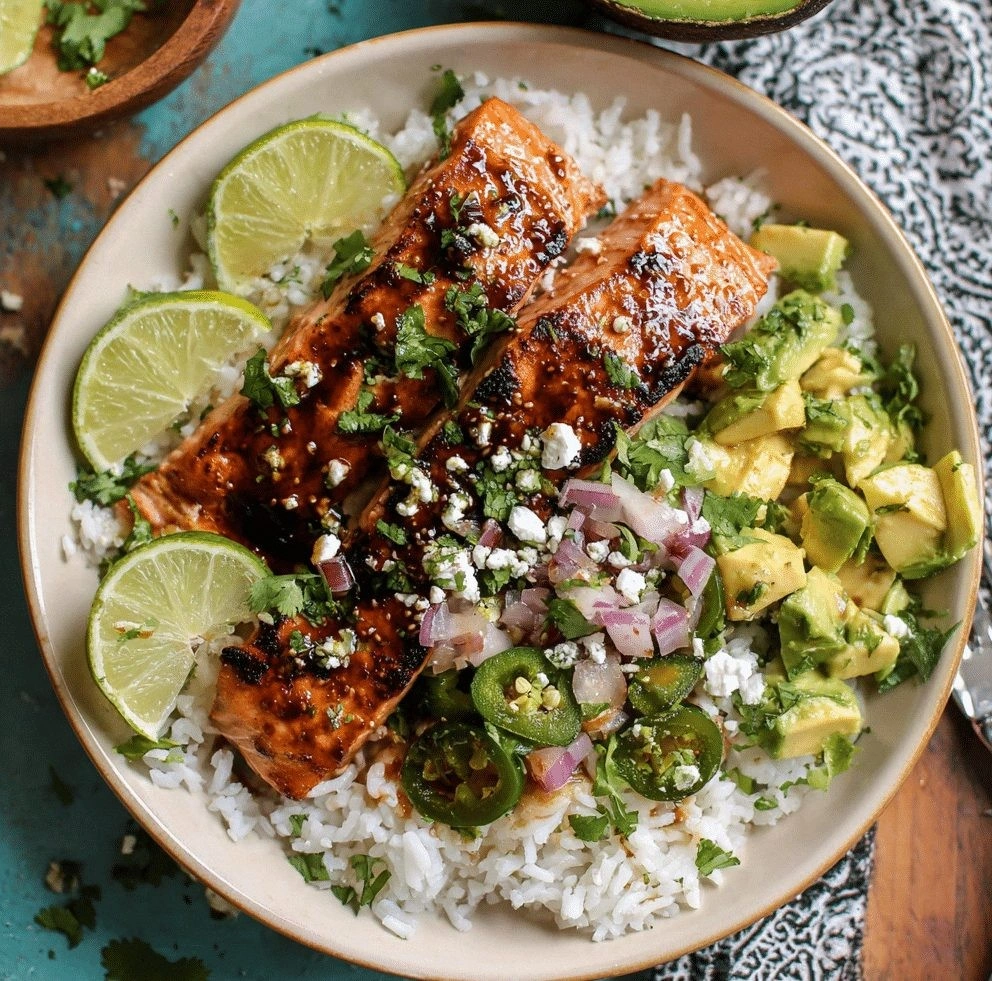
I was halfway through a week of bland, overcooked dinners when my phone buzzed with a text from an old college buddy: “You have to try this salmon recipe I just found. It’s fire.” I stared at the screen, my stomach growling louder than the text, and imagined the glossy photo of a perfectly seared fillet glistening with a honey‑chipotle glaze. The idea was simple, but the execution? Pure alchemy. I was ready to turn my kitchen into a flavor laboratory.
The first time I sliced the salmon, the aroma hit me like a wave—sweet honey, smoky chipotle, and a hint of citrus. The sound of the pan was a satisfying hiss, the sizzle of the fish meeting heat, a subtle crackle that promised crisp edges. My senses were in full force: the metallic tang of fresh fish, the earthy undertone of cumin, the bright splash of lime. The texture of the fillet was buttery, the flesh tender yet firm, and the glaze thick enough to coat the surface like velvet. It was a symphony in a skillet, and I could already taste the first bite.
I had tried countless salmon recipes: teriyaki, lemon‑butter, even a simple olive oil drizzle. None of them hit the sweet‑spicy sweet spot that this version nails. The honey doesn’t just sweeten; it caramelizes, giving the exterior a glossy, almost caramelized crust. The chipotle adds a subtle heat that doesn’t overwhelm but lingers, like a whisper of smoke. The lime brightens the dish, cutting through the richness and adding a fresh, zesty finish. Together, they create a flavor profile that feels both indulgent and refreshing.
What sets this bowl apart is the balance of textures. Crispy edges on the salmon contrast with the silky quinoa, while the crunchy cucumber and carrot ribbons add a satisfying bite. The avocado slices melt into creamy pockets, and the toasted sesame seeds give a nutty crunch that ties everything together. I’ve seen many bowls that are either too dry or too soggy; this one hits the sweet spot, keeping the ingredients vibrant and distinct. The result? A bowl that feels like a celebration in every spoonful.
There’s a secret twist that I’ve never seen in other recipes: the use of a simple honey‑chipotle glaze that is brushed on the salmon before it hits the pan. This technique locks in moisture, preventing the fish from drying out while creating a caramelized exterior that’s almost impossible to resist. I dare you to taste this and not go back for seconds. If you’ve ever struggled with salmon that turns rubbery, this method is your salvation. Let me walk you through every single step—by the end, you’ll wonder how you ever made it any other way.
What Makes This Version Stand Out
- Taste: The glaze marries sweet honey with smoky chipotle, creating a layered flavor that lingers on the palate. It’s a bold, yet balanced profile that makes every bite unforgettable.
- Texture: The salmon’s exterior crisps to a caramelized crunch while the interior stays moist and flaky, a contrast that delights the mouth.
- Color: The vibrant green of fresh greens, the golden hue of quinoa, and the deep red of chipotle create an eye‑watering presentation.
- Ingredient Quality: Using wild‑caught salmon and fresh, organic produce elevates the dish from ordinary to gourmet.
- Make‑Ahead Potential: The bowl can be assembled the night before and reheated, making it perfect for busy weeknights.
- Scalability: The recipe scales effortlessly, whether you’re feeding a crowd or preparing a single serving.
- Health Factor: Packed with protein, healthy fats, and fiber, it satisfies both taste buds and nutritional goals.
- Crowd Reaction: Friends and family rave about the glaze; it’s the kind of dish that turns casual diners into repeat customers.
Alright, let's break down exactly what goes into this masterpiece…
Inside the Ingredient List
The Flavor Base
Honey is the sweet heart of this bowl. It caramelizes when heated, turning the salmon into a glossy, golden crust. If you’re looking for a low‑sugar alternative, try using a natural sweetener like maple syrup, but note the flavor will shift slightly toward a more pronounced maple note. The key is to use a high‑quality honey that balances sweetness with subtle floral undertones. Skipping honey would leave the glaze thin and bland, so it’s essential.
The Texture Crew
Quinoa adds a nutty, slightly chewy bite that anchors the bowl. Brown rice would give a chewier texture, while white rice would be softer. For a gluten‑free option, swap quinoa for millet or buckwheat. The mixed greens provide a fresh, crisp contrast; spinach, arugula, or kale can be used depending on your preference. The cucumber and carrot ribbons add crunch, while the avocado brings creaminess. Each component’s texture complements the others, creating a harmonious mouthfeel.
The Unexpected Star
Chipotle in adobo sauce is the secret weapon that delivers a smoky heat without overpowering the dish. The adobo sauce adds a tangy depth that balances the sweetness of honey. If you can’t find chipotle in adobo, fresh chipotle peppers or smoked paprika can substitute, but the flavor profile will be less complex. A pinch of smoked paprika can also enhance the smokiness if you prefer a milder heat. The sauce’s acidity helps brighten the overall flavor, making the dish feel lighter.
The Final Flourish
Lime juice and zest provide a bright, citrusy note that cuts through the richness of the salmon and the creaminess of avocado. Fresh cilantro adds herbal freshness, while toasted sesame seeds introduce a nutty crunch. A sprinkle of red onion gives a sharp bite that balances the sweetness. Together, these finishing touches elevate the bowl from good to unforgettable. If you’re vegan, you can omit the salmon and replace it with grilled tofu for a plant‑based version.
Everything's prepped? Good. Let's get into the real action…
The Method — Step by Step
- Begin by patting the salmon fillets dry with paper towels; this step is crucial for a crisp sear. Season both sides with salt, pepper, cumin, smoked paprika, and garlic powder, ensuring the spices coat the fillets evenly. Let the seasoned fillets rest at room temperature for about 10 minutes; this helps the flavors penetrate the fish. The goal is to have a flavorful crust before the glaze even hits the pan.
- In a small bowl, whisk together honey, minced chipotle, lime juice, and a splash of olive oil until the mixture is smooth and slightly runny. The glaze should be thin enough to brush but thick enough to cling to the salmon. I’m a firm believer in using fresh chipotle for a more authentic smoky kick. Set the glaze aside; you’ll apply it after searing.
- Heat a large non‑stick skillet over medium‑high heat until it’s shimmering. Add a tablespoon of olive oil, swirling to coat the surface. Place the salmon fillets skin‑side down, pressing gently to ensure even contact. You should hear a satisfying sizzle—if not, the pan isn’t hot enough. Let the fillets cook for 4–5 minutes, until the skin turns a deep golden brown.
- Flip the fillets and brush the glaze generously over the flesh. The honey will begin to caramelize within seconds, creating a glossy, caramelized crust. Reduce the heat to medium to prevent burning; the glaze should bubble gently. Let the salmon cook for an additional 3–4 minutes, checking that the internal temperature reaches 145°F (63°C). The glaze should form a thick, sticky coating.
- Remove the salmon from the skillet and let it rest on a plate for 2 minutes. This short rest allows the juices to redistribute, keeping the fillets moist. While the salmon rests, toss the cooked quinoa with a splash of lime zest and a pinch of salt to enhance flavor. The quinoa should be fluffy and slightly chewy, not mushy.
- Layer the quinoa in the base of each bowl, then add a handful of mixed greens. Arrange the salmon fillet on top, followed by sliced avocado, cucumber ribbons, shredded carrots, and a sprinkle of red onion. The colors should pop—green, orange, and a hint of red—creating an Instagram‑ready dish.
- Finish each bowl with chopped cilantro, toasted sesame seeds, and a drizzle of the remaining glaze. The cilantro adds herbal brightness, while the sesame seeds introduce a subtle nutty crunch. The final drizzle ties all the flavors together, ensuring every bite is coated in that irresistible sweet‑spicy glaze.
- Serve immediately, or if you’re preparing ahead, store the quinoa and greens separately and assemble just before eating. The salmon will hold its texture best when served fresh. Remember, the best part of this dish is its vibrant, fresh flavors—so don’t wait too long to dig in.
That's it — you did it. But hold on, I've got a few more tricks that'll take this to another level…
Insider Tricks for Flawless Results
The Temperature Rule Nobody Follows
Many cooks think a high heat is always best, but the secret to perfect salmon is a balanced medium‑high heat that allows the skin to crisp without burning the flesh. Start with a hot pan, then lower the heat after the first minute to avoid charring. A thermometer is a game‑changer; it eliminates guesswork and ensures the salmon is cooked to perfection. I’ve seen people overcook salmon to the point of rubberiness—avoid that by keeping the temperature steady.
Why Your Nose Knows Best
The aroma of caramelizing honey is a reliable indicator that the glaze is ready. When the honey turns a deep amber and releases a sweet, buttery scent, it’s time to flip the fillets. This sensory checkpoint saves you from over‑ or under‑cooking. Trust your nose; it’s a seasoned chef in your kitchen.
The 5-Minute Rest That Changes Everything
Letting the salmon rest for five minutes after cooking allows the juices to redistribute, keeping the fillet moist and tender. Skipping this step often results in a dry center. The rest period also lets the glaze set, giving the fish a glossy finish. I always keep a timer on my phone for this small but crucial step.
Fresh Herbs vs. Dried
Fresh cilantro brings a bright, citrusy flavor that dried cilantro can’t match. If you’re in a pinch, use dried herbs, but add them at the end to preserve their potency. The same applies to lime zest; fresh zest offers a sharper, more vibrant taste. It’s the difference between a good dish and a great one.
Portion Control with the Sauce
The glaze is potent; a little goes a long way. Brush sparingly to avoid overpowering the fish. If you’re serving a crowd, consider making a small batch of glaze separately and letting guests add it to their bowls as desired. This gives everyone control over the heat level.
Creative Twists and Variations
This recipe is a playground. Here are some of my favorite ways to switch things up:
Tropical Twist
Swap quinoa for coconut rice and add diced mango to the bowl. The tropical fruit pairs beautifully with the smoky glaze, creating a beach‑y vibe. A splash of pineapple juice in the glaze adds extra brightness. This version is perfect for a summer gathering.
Spicy Kick
Increase the chipotle amount or add a dash of sriracha to the glaze for an extra heat boost. The fiery flavor pairs well with a cooling cucumber slaw. This is ideal for those who love a spicy, bold taste.
Mediterranean Flair
Use bulgur wheat instead of quinoa and add chopped kalamata olives and feta cheese. Replace lime juice with lemon for a sharper citrus note. The olives bring briny depth, while feta adds creamy tang.
Vegan Version
Replace salmon with marinated tofu or tempeh. Use a soy‑based glaze to mimic the savory depth of fish. Add extra veggies like roasted sweet potato cubes for heartiness. This plant‑based bowl still delivers on flavor.
Breakfast Bowl
Serve the salmon over a bed of sautéed spinach and add a poached egg on top. The runny yolk acts as a natural sauce, complementing the glaze. This makes for a protein‑rich, satisfying breakfast.
Storing and Bringing It Back to Life
Fridge Storage
Store the assembled bowls in airtight containers for up to 2 days. Keep the quinoa, greens, and avocado separate to avoid sogginess. When ready to eat, gently reheat the salmon in a skillet or microwave for 30 seconds. The glaze will revive, giving the dish a fresh finish.
Freezer Friendly
The salmon can be frozen for up to 3 months. Freeze the fillets in a single layer on parchment paper before transferring to a freezer bag. When reheating, thaw overnight in the fridge and then warm in a skillet. The texture remains crisp, and the glaze re‑caramelizes.
Best Reheating Method
Reheat the salmon in a hot skillet for 1–2 minutes on each side; this restores the crisp exterior. If you prefer the microwave, add a splash of water to the bowl and cover to steam. A tiny splash of water before reheating steams the bowl back to perfection, preserving moisture.