I have a confession to make — I once ate an entire crockpot of cheesy potatoes by myself in one weekend. It started innocently enough with a small bowl, then I kept sneaking back to the kitchen for "just one more bite" until the ceramic insert was scraped clean. That moment of shame became my greatest triumph because it led me to perfect the ultimate crockpot cheesy potatoes recipe that I'm sharing with you today.
Picture this: it's Sunday morning, you're still in your pajamas, and the aroma of melting cheese and tender potatoes wafts through your house like a warm hug from your favorite person. The anticipation builds as your crockpot gently bubbles away on the counter, transforming simple ingredients into something that makes grown adults close their eyes and sigh with satisfaction. This isn't just another side dish — this is the dish that gets people asking for the recipe before they even finish their first helping.
I've tested dozens of versions over the years, from the overly complicated restaurant-style attempts to the dangerously bland church cookbook varieties. Most recipes get this completely wrong by either turning it into potato soup or creating a greasy mess that separates into an unappetizing oil slick. The secret lies in understanding exactly when to add each ingredient and how to coax maximum flavor from every component without turning your potatoes into mush.
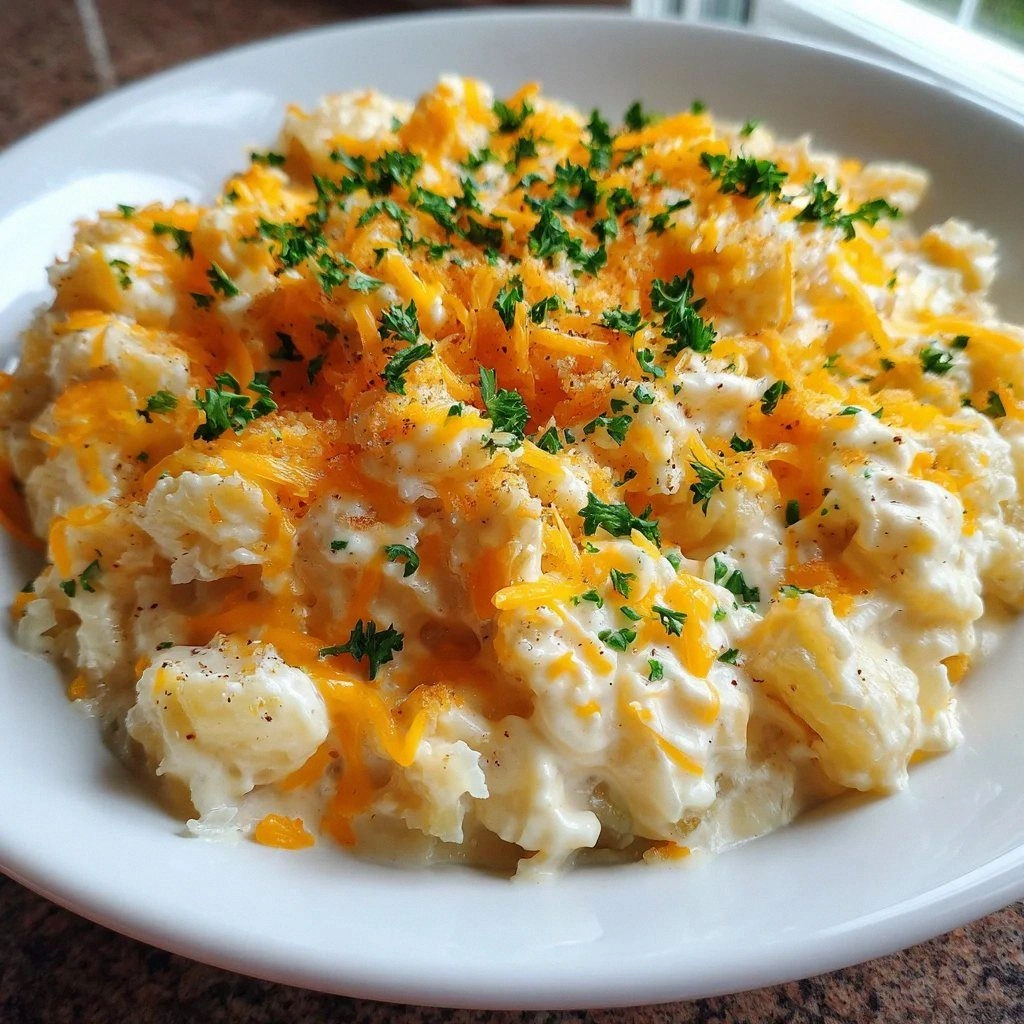
What makes this version different? We're talking about potatoes that hold their shape while becoming impossibly creamy, cheese that melts into every nook and cranny without becoming stringy, and a flavor profile that hits all the right notes — rich, tangy, savory, with just enough onion backbone to keep things interesting. The texture is pure magic: soft but not falling apart, creamy but not soupy, with those coveted crispy edges around the perimeter that everyone fights over.
Let me walk you through every single step — by the end, you'll wonder how you ever made it any other way.
What Makes This Version Stand Out
Texture Perfection: Most crockpot potato recipes turn into baby food. This version creates distinct tender potato cubes suspended in a luxurious cheese sauce that coats each piece like velvet. The hash browns stay fluffy while absorbing all the rich flavors, creating a spoon-coating consistency that makes you want to lick the bowl clean.
Flavor Development: By layering ingredients in a specific order and using both the cream of chicken soup and sour cream, we're creating a depth of flavor that tastes like it took hours of careful reduction. The tangy sour cream cuts through the richness while the soup provides umami backbone that makes people ask "what's in this?" in the best possible way.
Set-and-Forget Simplicity: Once everything hits the crockpot, your work is done. No stirring every hour, no checking temperatures, no last-minute additions. Just pure hands-off cooking that lets you enjoy your guests or binge-watch your favorite show while dinner practically makes itself.
Make-Ahead Magic: This dish actually gets better after sitting for a day. The flavors meld and intensify, making it the perfect candidate for holiday gatherings or busy weeknights when you need a reliable crowd-pleaser that you can assemble the night before.
Ingredient Versatility: While I give you the classic version that never fails, this recipe is a blank canvas for creativity. Swap cheeses, add proteins, throw in vegetables — the base technique remains foolproof while your variations can be endless.
Guaranteed Crowd Reaction: I've served this at potlucks where people literally hovered around the crockpot with spoons, waiting for seconds. The combination of comfort food nostalgia and elevated technique creates a dish that appeals to both kids and food snobs.
Leftover Gold: Here's where things get interesting — leftovers transform into incredible potato pancakes, soup bases, or even stuffed into grilled cheese sandwiches. Nothing goes to waste, and you might find yourself making extra just for the creative leftovers.
Alright, let's break down exactly what goes into this masterpiece...
Inside the Ingredient List
The Flavor Base
Frozen diced hash browns are the unsung hero of this dish. Don't you dare reach for fresh potatoes here — the frozen variety has been partially cooked and flash-frozen, which means they're already softened perfectly to absorb all that cheesy goodness without turning to mush. The dicing ensures each piece gets coated in sauce while maintaining enough structure to provide satisfying bites. If you've ever tried this with fresh potatoes, you know they release too much starch and create a gluey mess that resembles wallpaper paste more than comfort food.
Chopped onion might seem basic, but it's the aromatic foundation that separates amateur hour from serious cooking. The onion melts into the background, providing a subtle sweetness and savory depth that makes people wonder why your version tastes so much better than theirs. Yellow onions are my go-to for their balanced flavor and ability to disappear into the final dish, but you could use white onions for sharper bite or even shallots for a more refined touch.
The Texture Crew
Cream of chicken soup isn't just a shortcut — it's a culinary miracle worker that creates the perfect emulsion for our cheese sauce. The modified starches in the soup prevent separation and create a silky texture that clings to every potato cube. If you're vegetarian, cream of mushroom works beautifully too, adding an earthy note that complements the potatoes in a different but equally delicious way. Homemade cream soups don't work here — they lack the stabilizers needed for long slow cooking without breaking.
Sour cream brings the tang that prevents this dish from becoming a one-note cheese bomb. The acidity brightens all the flavors and cuts through the richness like a squeeze of lemon on seafood. Full-fat sour cream is non-negotiable — low-fat versions contain stabilizers that can break under heat, creating a grainy texture that ruins the entire dish. If you're feeling fancy, crème fraîche elevates this to dinner party status.
The Cheese Factor
Shredded cheddar cheese provides that unmistakable sharp flavor and perfect melting quality that defines this dish. I use a medium cheddar for the best balance of flavor and meltability — sharp cheddar can become oily when melted for long periods, while mild cheddar gets lost among the other ingredients. Pre-shredded cheese works fine, but if you want to be extra, shredding your own creates a smoother sauce since pre-shredded cheese contains anti-caking agents that can make the sauce slightly gritty.
Melted butter acts as both flavor enhancer and textural insurance policy. The fat helps distribute flavors evenly while preventing the cheese from seizing up during cooking. Unsalted butter gives you control over seasoning, but if all you have is salted, just adjust the added salt accordingly. The butter also helps create those coveted crispy edges around the perimeter where the potatoes meet the hot crockpot walls.
The Seasoning Blend
Garlic powder provides that savory backbone that makes everything taste more complex without screaming "garlic!" Fresh garlic can be too aggressive and might burn during the long cooking process, while garlic powder disperses evenly and provides consistent flavor. If you're a garlic lover, you could substitute half the powder with fresh minced garlic added in the last hour of cooking for a more pronounced flavor.
Salt and pepper might seem obvious, but they're often overlooked in slow cooker recipes. Potatoes need aggressive seasoning since they absorb so much, and the long cooking process can dull flavors. I season at two stages — lightly when mixing and then adjusting at the end when I can taste the final product. This prevents over-salting while ensuring every bite is properly seasoned.
Everything's prepped? Good. Let's get into the real action...
The Method — Step by Step
Step 1: Start by spraying your crockpot liberally with cooking spray, making sure to get all the way up the sides where the potatoes might touch. This prevents the dreaded cheese crust from forming and makes cleanup so easy you'll want to make this every week. Set your crockpot to low heat — we're going low and slow here, not rushing things. The gentle heat allows flavors to develop without breaking the dairy or turning the potatoes to mush.
Step 2: In a large bowl, combine the frozen hash browns with the chopped onion, making sure to break up any large clumps of potato. The onion should be distributed evenly throughout so every bite gets that subtle sweetness. Don't worry about thawing the potatoes — they go in frozen and will cook perfectly in the sauce. The cold temperature actually helps the sauce set up properly and prevents separation during cooking.
Step 3: In a separate bowl, whisk together the cream of chicken soup, sour cream, melted butter, garlic powder, salt, and pepper until completely smooth. This step is crucial — any lumps of soup will stay lumpy and create pockets of concentrated flavor that throw off the balance of the dish. The mixture should be the consistency of thick pancake batter and smell absolutely divine. Take a moment here to taste and adjust seasonings since this is your flavor base.
Step 4: Pour the sauce mixture over the potatoes and onions, then use a large spoon to fold everything together gently. You want every piece of potato coated in that luxurious sauce, but don't overmix or you'll break up the hash browns. The sauce should look like it barely coats everything — it will thin out as the potatoes release moisture during cooking. If it looks too thick at this stage, resist the urge to add liquid — trust the process.
Step 5: Add about two-thirds of your shredded cheese to the potato mixture and fold it in gently. Save the remaining third for later — this creates layers of cheese throughout the dish. Some will melt into the sauce, some will create those coveted cheesy pockets, and the reserved portion will give you that beautiful golden top. Use a light hand here to keep the potato cubes intact.
Step 6: Transfer the entire mixture to your prepared crockpot, spreading it out evenly but gently. Don't pack it down — you want some air pockets so the heat can circulate properly. Cover with the lid and walk away. Seriously, walk away. Don't be tempted to peek or stir — every time you lift the lid, you add 15-20 minutes to your cooking time and risk breaking up the potatoes.
Step 7: Cook on low for 4-5 hours or high for 2-3 hours, depending on your schedule. The low method produces superior results with potatoes that stay distinct and a sauce that thickens perfectly. You'll know it's ready when the edges start to bubble gently and the top has a slight golden hue. The potatoes should be tender but not falling apart when you pierce them with a fork.
Step 8: About 30 minutes before serving, sprinkle the remaining cheese over the top and replace the lid. This creates that Instagram-worthy cheese pull moment and adds a concentrated layer of flavor. The cheese will melt into a beautiful blanket that gets slightly crispy around the edges where it meets the hot crockpot sides. Your kitchen will start smelling like the best diner in town at this point.
Step 9: Let the dish rest for 5-10 minutes before serving. I know you're tempted to dig in immediately, but this rest allows the sauce to thicken and the flavors to settle. The cheese will set slightly, making serving easier and preventing that dreaded cheese slide when you scoop. Garnish with your choice of chopped parsley or green onions for color contrast and fresh flavor.
That's it — you did it. But hold on, I've got a few more tricks that'll take this to another level...
Insider Tricks for Flawless Results
The Temperature Rule Nobody Follows
Here's the thing about dairy in slow cookers — it needs gentle heat to prevent separation. If your crockpot runs hot (and many do), your cheese sauce can break and become grainy and oily. Test your crockpot with water first, and if it boils on low, consider using a heat diffuser or cooking on the warm setting with extended time. The sauce should never bubble vigorously — just gentle movement around the edges that looks like a lazy summer afternoon.
Another temperature trick: bring your sour cream and soup to room temperature before mixing. Cold dairy hitting hot ingredients can cause curdling that ruins the texture. Set them out when you start prepping other ingredients, and you'll avoid the disappointment of a separated sauce that looks like it failed chemistry class.
Why Your Nose Knows Best
Don't trust the clock alone — trust your senses. When the potatoes are perfectly done, your kitchen will fill with the aroma of melting cheese and sweet onions. The scent should make you hungry, not just smell "potato-ish." If you detect any sour or off odors, something has gone wrong (probably old dairy or potatoes that were going bad). The right smell is warm, inviting, and makes family members wander into the kitchen asking "when's dinner?"
I once had a friend who set a timer and walked away for six hours, only to return to potato mush. Your crockpot, your kitchen temperature, and even the brand of potatoes affect timing. Start checking at the three-hour mark for low heat — you can always cook longer, but you can't uncook overcooked potatoes.
The 5-Minute Rest That Changes Everything
This rest period isn't just for show — it's when the magic happens. The sauce thickens as it cools slightly, the cheese sets up for perfect serving, and the flavors that were dancing around separately finally come together in harmony. Skip this step and you'll have runny potatoes that slide off the serving spoon and pool unappetizingly on the plate.
During this rest, the potatoes also absorb some of the sauce back, making them even more flavorful. Think of it like a reverse marinade — instead of adding flavor, the potatoes are pulling it back in. I've found that the difference between good and great potatoes often comes down to whether you respect this rest period.
The Cheese Blend Secret
While cheddar is classic, the real secret is using two types of cheese for maximum flavor and texture. I use medium cheddar for the bulk because it melts beautifully and has great flavor, then add a small amount of something with more punch — pepper jack for heat, smoked gouda for depth, or even a bit of parmesan for umami. The second cheese should be about 20% of the total cheese content — enough to make its presence known without overwhelming the dish.
Mix your cheeses together before adding them to create an even distribution. Adding them separately can create pockets of one flavor, when what you want is every bite to have the same perfect balance. This technique turned my good potatoes into legendary ones that people request by name.
Creative Twists and Variations
This recipe is a playground. Here are some of my favorite ways to switch things up:
The Loaded Baked Potato Version
Add crumbled bacon, chopped green onions, and a dollop of sour cream on top when serving. Reserve some of the bacon to sprinkle over individual portions for that fresh crunch. The smoky bacon plays beautifully against the creamy potatoes, and the fresh green onion adds a bright note that cuts through the richness. This version disappears fastest at potlucks — something about bacon makes people lose their minds.
The Southwestern Fire
Swap out half the cheddar for pepper jack, add a drained can of diced green chilies, and stir in a teaspoon of cumin with the garlic powder. Top with fresh cilantro and serve with hot sauce on the side. The chilies add depth without overwhelming heat, while the cumin provides that warm, earthy note that makes everything taste like it came from your favorite Mexican restaurant.
The French Onion Upgrade
Caramelize the onions first until they're deep golden and sweet, then proceed with the recipe. Add a splash of sherry to the sauce mixture and use Gruyère cheese instead of cheddar. The result tastes like French onion soup married a potato gratin and had a beautiful baby. It's sophisticated enough for a dinner party but still comforting enough for a Tuesday night.
The Veggie Powerhouse
Stir in a cup of frozen mixed vegetables or chopped fresh broccoli florets. The vegetables add color, nutrition, and textural contrast that keeps things interesting. Kids who won't touch plain vegetables somehow devour them when they're coated in cheesy sauce. I call this the "sneaky nutrition" version — they're getting vitamins while thinking they're just eating comfort food.
The Breakfast Champion
Make the original recipe but stir in breakfast sausage (cooked and crumbled) during the last hour of cooking. Top with fried eggs when serving for the ultimate breakfast-for-dinner situation. The sausage adds protein that makes this a complete meal, while the runny egg yolk creates a sauce that takes everything to another level of indulgence.
The Holiday Luxe
Add a cup of chopped cooked lobster or crab meat during the last 30 minutes, substitute half-and-half for some of the sour cream, and finish with fresh chives. This version transforms humble potatoes into something worthy of your holiday table. The seafood adds sweetness that plays beautifully against the tangy cheese sauce, while the fresh chives provide color and a mild onion flavor that doesn't compete with the delicate seafood.
Storing and Bringing It Back to Life
Fridge Storage
Transfer cooled potatoes to an airtight container within two hours of cooking. They'll keep for up to five days in the refrigerator, though they're best within the first three. The sauce might separate slightly in the fridge — this is normal and easily fixed when reheating. Store in shallow containers so they cool quickly and evenly, preventing any food safety issues.
Don't leave them in the crockpot insert in the fridge — the ceramic holds heat too long and can create a breeding ground for bacteria. Portion them out into meal-sized containers and you've got instant comfort food ready for quick lunches throughout the week.
Freezer Friendly
These potatoes freeze beautifully for up to three months. I recommend freezing in individual portions so you can thaw exactly what you need. Use freezer bags, press out all the air, and lay flat to freeze — they thaw faster and take up less space. The texture holds up surprisingly well because of the fat content from the cheese and sour cream, which acts as a natural preservative.
When freezing, slightly undercook them by about 30 minutes since they'll finish cooking during reheating. This prevents mushy potatoes that have been overcooked twice. Label with the date and contents — future you will appreciate knowing what's in that mysterious container.
Best Reheating Method
The microwave works in a pinch, but the oven is your friend for maintaining texture. Add a splash of milk or cream before reheating to restore the creamy consistency that might have been lost. Cover with foil to prevent drying out, then uncover for the last few minutes to let the top get crispy again.
For stovetop reheating, add a tablespoon of milk per cup of potatoes and heat gently over medium-low heat, stirring frequently. This method gives you the best control over texture and prevents hot spots that can scorch the bottom. The potatoes will be nearly as good as fresh, which is saying something for a dairy-based dish.