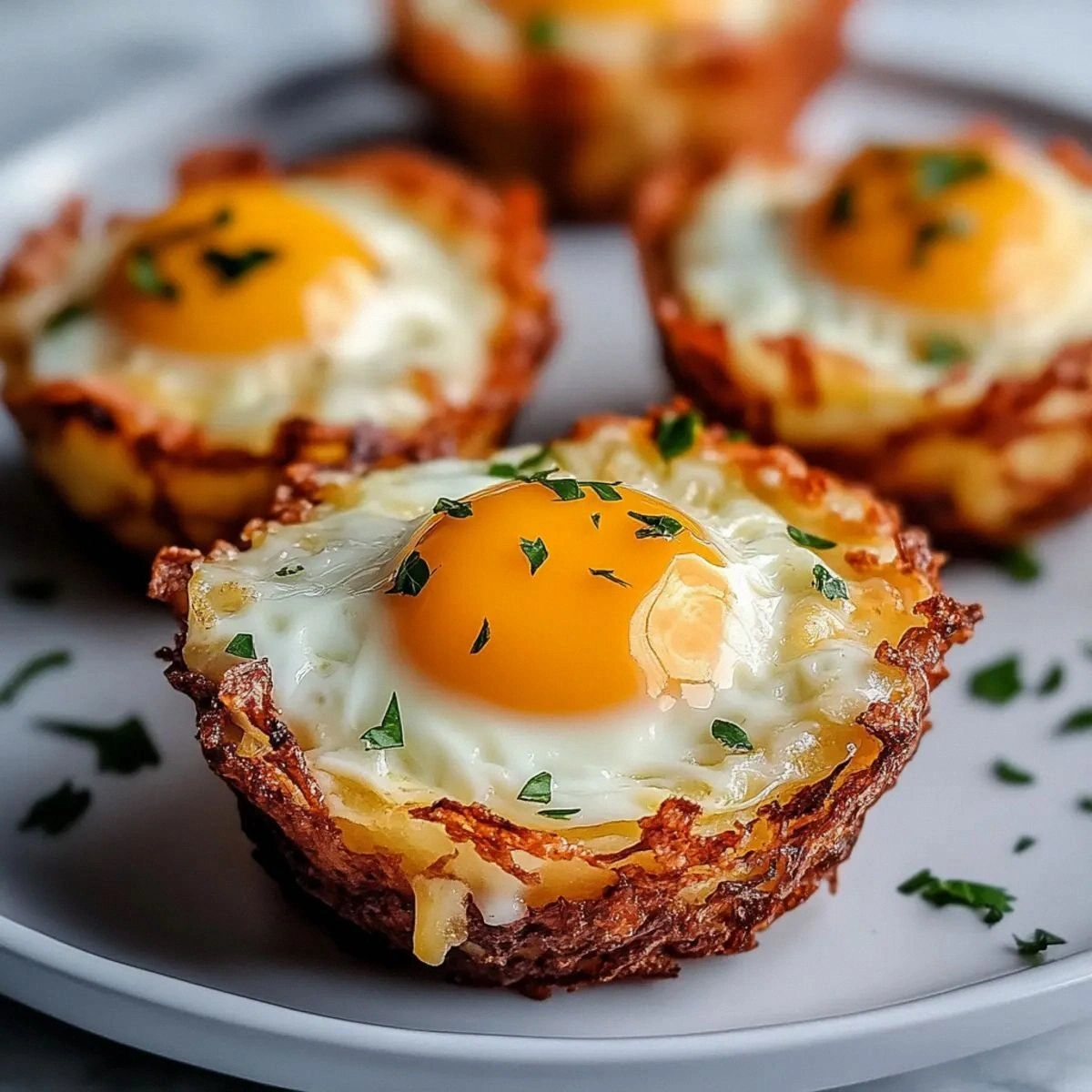
I still remember the morning I ruined an entire batch of breakfast hash browns so badly that my smoke detector started singing opera. There I stood, spatula in hand, staring at a pan full of charred potato shreds that looked more like shredded cardboard than food. My friends were due to arrive for brunch in forty-five minutes, and I had nothing but a dozen eggs and a bag of frozen hash browns that seemed determined to sabotage my reputation. That disaster, however, became the accidental birth of these magnificent hash brown egg cups that I'm about to share with you. Fast-forward through the frantic improvisation, the oven temperature adjustments, and the "what if I just press these into muffin tins?" moment, and suddenly I was pulling out golden, crispy nests with perfectly set eggs nestled inside like edible jewels.
The first bite was nothing short of a breakfast revelation. The edges of the hash brown cups had crisped into a shattering shell that tasted like the best potato chip you've ever had, while the interior remained tender and almost creamy. The egg on top had set just enough that the yolk still quivered like a tiny sun waiting to burst into rich, golden lava. My friends arrived to find me standing at the kitchen counter, mouth full, doing what I can only describe as a victory dance that probably looked like a chicken having an existential crisis. I dare you to taste these and not go back for seconds — actually, I double-dog dare you, because I ate half the batch before anyone else even got to try them.
What makes these hash brown egg cups different from every other recipe floating around the internet? Most recipes get this completely wrong by treating the hash browns like a mere afterthought, a sad little nest that turns soggy and disappoints everyone. Here's what actually works: we're going to par-bake those potato shreds until they're almost chips, then press them into submission with the bottom of a glass to create a fortress that stays crispy even under the weight of egg and cheese. The result is a breakfast that's part sophisticated brunch centerpiece, part grab-and-go morning miracle that you can make on Sunday and reheat all week.
Picture yourself pulling these out of the oven, the whole kitchen smelling like a diner married a fancy café and had delicious babies. The cheese has melted into the hash browns creating these lacy, caramelized edges that snap between your teeth. The eggs sit perched on top like little crowns, their whites set but the yolks still gloriously runny, ready to create the most Instagram-worthy yolk-porn moment when you break into them. Stay with me here — this is worth it, and by the end of this guide, you'll wonder how you ever made breakfast any other way.
What Makes This Version Stand Out
Let me be brutally honest about why this recipe will ruin all other breakfast cups for you forever. You'll become that person who brings these to potlucks and watches people's eyes widen as they bite through the crispy hash brown shell into the creamy egg center. Friends will start requesting them by name, and your family will refuse to eat cereal on weekend mornings because they know something better exists in your oven.
- Shatter-Crisp Edges: We're talking potato chip-level crunch that actually makes a sound when you bite into it. The secret lies in squeezing every last drop of moisture from those frozen hash browns before they ever see heat, then baking them at a temperature high enough to create that golden-brown Maillard magic.
- Cheese Insurance Policy: A blend of sharp cheddar and nutty Parmesan works like tasty glue, melting between the potato strands and creating a waterproof barrier that keeps the egg from sogging everything out. It's like giving your hash browns a delicious raincoat.
- Egg-Actly Right: The eggs aren't just cracked on top willy-nilly. We create little wells and pre-warm them so they cook evenly, giving you set whites and yolks that flow like liquid gold instead of turning rubbery and sad.
- Make-Ahead Champion: These beauties reheat like champions, making weekday breakfasts feel like weekend indulgences. Pop them in the microwave for 30 seconds and you'd swear they just came out of the oven.
- Customizable Canvas: Once you master the base technique, you can paint these with any flavors your heart desires. Smoked salmon and dill? Southwestern with chorizo? The world is your breakfast oyster.
- Portion Control Magic: Each cup is a perfectly portioned breakfast that fits in your hand, making them ideal for busy mornings or elegant brunches where you want people to think you have your life together.
- Texture Symphony: Crispy, creamy, chewy, and silky all in one bite. It's like a breakfast orchestra where every instrument plays in perfect harmony instead of the usual one-note breakfast experiences.
- Zero Special Equipment: If you have a muffin tin and an oven, you're already 90% there. No fancy ring molds, no specialty pans, just good old-fashioned kitchen basics working overtime.
Alright, let's break down exactly what goes into this masterpiece, because understanding your ingredients is the difference between "pretty good" and "holy breakfast balls, what did you just put in my mouth?" territory.
Inside the Ingredient List
The Flavor Base
Frozen shredded hash browns are the unsung heroes here, but treat them like divas demanding special treatment. They need to be completely thawed and squeezed drier than a British comedy, because any lingering moisture will steam instead of crisp, leaving you with sad, soggy cups that collapse under pressure. The garlic powder and onion powder aren't just background singers — they're the rhythm section that keeps everything in sync, adding depth without overwhelming the potato flavor. Think of them as the bass line that you only notice when it's missing, but their presence makes the whole song work.
Salt and pepper might seem boring, but they're the difference between a flat, lifeless breakfast and one that makes your taste buds sit up and pay attention. I use kosher salt because the larger flakes distribute more evenly, and fresh-cracked black pepper because the pre-ground stuff tastes like disappointment and lost dreams. If you skip the salt here, you might as well skip the whole recipe, because potatoes without proper seasoning are just wet cardboard with aspirations.
The Texture Crew
The shredded cheddar isn't just here for flavor — it's your insurance policy against sogginess. As it melts, it creates tiny pockets of fat that repel moisture, keeping your hash brown structure intact even when the egg tries its best to turn everything to mush. I prefer sharp cheddar because it has lower moisture content than mild varieties, plus that tangy bite cuts through the richness like a flavor ninja. The Parmesan is your secret weapon, melting into the crevices and creating those lacy, crispy edges that'll make you close your eyes and sigh with satisfaction.
The eggs themselves need to be large, room temperature, and fresh as a spring morning. Cold eggs will lower your oven temperature and throw off cooking times, while older eggs have runnier whites that'll spread too thin and overcook before your yolks are ready. Room temperature eggs also separate more easily if you want to add the whites later for extra structure, though that's purely optional for the overachievers among us.
The Unexpected Star
Fresh parsley might seem like an afterthought, but it's the pop of green that makes these cups Instagram-worthy and adds a fresh note that cuts through all that richness. Chop it just before using because dried parsley tastes like lawn clippings and sadness. The bright, slightly peppery flavor wakes up your palate between bites of egg and cheese, preventing the whole experience from becoming a one-note richness bomb that leaves you feeling heavy and overfed.
The Final Flourish
While not in the base recipe, a tiny pinch of smoked paprika on top before baking adds a whisper of campfire flavor that makes people ask "what's that amazing smell?" without being able to pinpoint exactly what they're tasting. It's like culinary subliminal messaging that makes these mysteriously more addictive than they have any right to be. You could also add a few drops of hot sauce to the eggs before baking, creating a subtle heat that builds slowly instead of punching you in the face at 7 AM.
Everything's prepped? Good. Let's get into the real action, because this is where the magic happens and I get embarrassingly excited about breakfast science.
The Method — Step by Step
- Preheat your oven to 425°F (220°C) and position the rack in the center. This temperature is hot enough to create the Maillard reaction — that magical chemical process that turns pale potatoes into golden, flavorful perfection — without being so hot that the edges burn before the centers cook. While it's heating, take your frozen hash browns and microwave them in a large bowl for 2 minutes on high. This jump-starts the thawing process and begins releasing moisture that would otherwise sabotage your crispy dreams. The potatoes should feel pliable but not hot, like play-doh that's been left in a warm car.
- Now comes the crucial part that separates the breakfast champions from the also-rans. Dump those slightly warm hash browns onto a clean kitchen towel, gather up the corners, and twist until you're squeezing out liquid like you're trying to milk a potato cow. Keep twisting until no more water drips out — you want these drier than British humor. When you think you've squeezed enough, squeeze again. I'm serious here; I once measured the liquid from a single batch and got nearly half a cup of potato water that would have turned my cups into sad, soggy disappointments.
- Transfer your desiccated potato shreds back to the bowl and season them like you mean it. Add the salt, pepper, garlic powder, and onion powder, then mix with your hands (yes, your hands — forks are for quitters) until every strand is evenly coated. The seasonings should disappear into the potato matrix, creating a flavor foundation that'll make people wonder why your hash browns taste so much better than theirs. Taste a pinch — it should be noticeably salty because potatoes are salt sponges, and some of that seasoning will get diluted when we add the cheese.
- Stir in both cheeses until they're distributed throughout like a delicious treasure hunt. The cheddar should create little orange pockets while the Parmesan disappears into the snowy potato landscape. This is also when you add that chopped parsley, distributing those flecks of green that'll make the final product look like it belongs on a magazine cover. The mixture should hold together when squeezed — if it falls apart like a bad relationship, you might need to add a tablespoon of melted butter to help it bind.
- Grab your muffin tin and get aggressive with your non-stick spray, or brush thoroughly with oil if you're feeling fancy. These cups will try to weld themselves to the metal if you give them half a chance, and nothing ruins a brunch like serving hash brown shards because half the cup stayed stuck in the pan. I learned this the hard way when I had to serve "hash brown crumble surprise" to my book club — not my finest culinary moment.
- Divide the potato mixture evenly among 12 muffin cups, using about 1/3 cup per cup. Now here's the technique that'll make you feel like a kitchen wizard: use the bottom of a small glass or spice jar to press the potatoes into the cups and up the sides, creating a hollow nest that'll cradle your egg like a delicious edible hammock. Press firmly enough to compact the potatoes but not so hard that you turn them into potato concrete. The walls should be about 1/4 inch thick — thick enough to hold structure but thin enough to crisp properly.
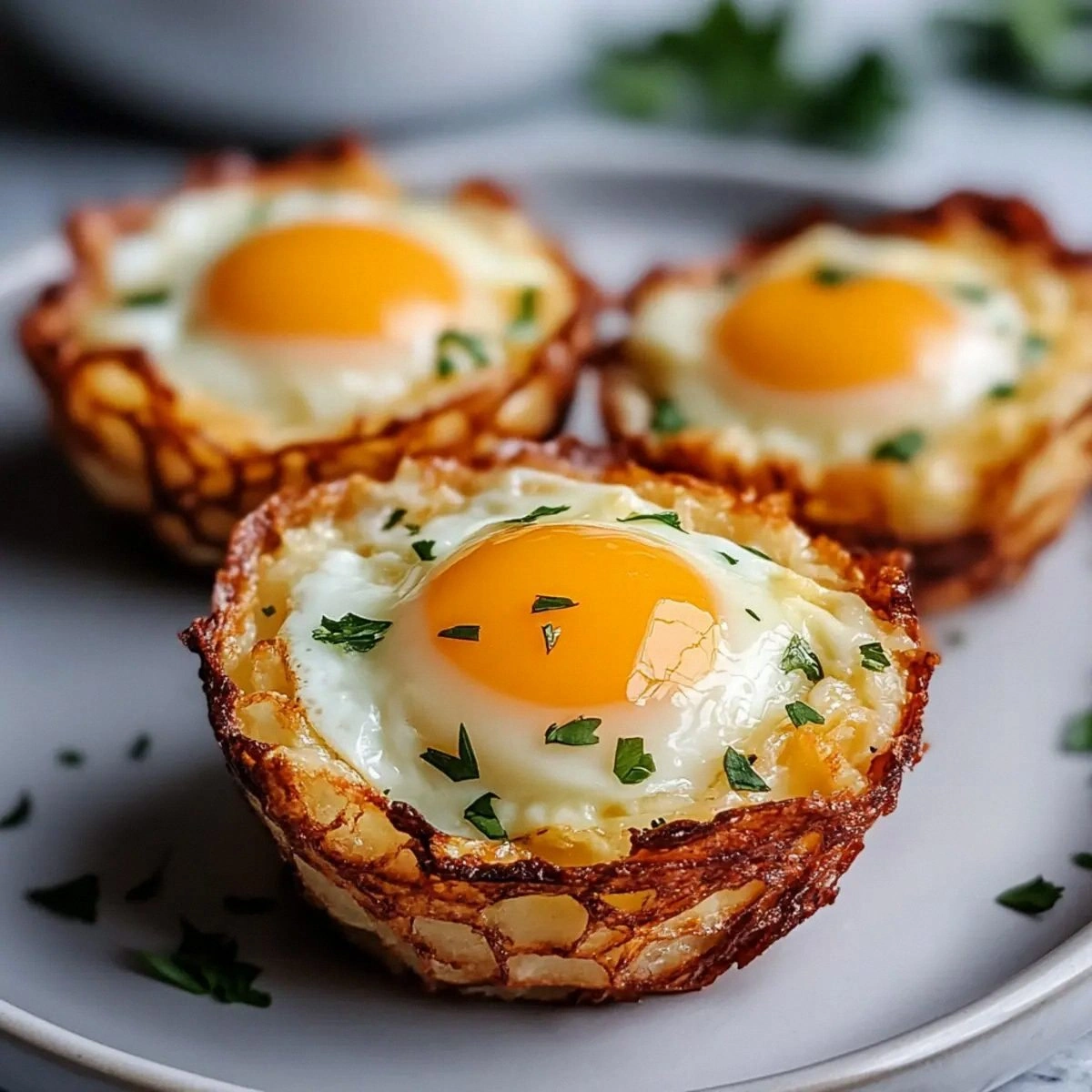
- Slide the whole tin into your preheated oven and bake for 20-25 minutes, until the edges are deep golden brown and the centers have started to crisp. This is the moment of truth where most people mess up by pulling them too early. You want the hash browns to look almost overdone — darker than you think they should be — because they're about to get another round with the eggs. The cheese will have melted and created these lacy, caramelized edges that smell like the best diner you've ever visited.
- While your potato nests are getting crispy, crack your eggs into a small bowl and let them come to room temperature. This prevents the shock of cold eggs hitting hot hash browns, which can cause uneven cooking and rubbery whites. If you're feeling particularly obsessive (and I usually am), you can separate the eggs and add the whites to the nests first, then top with yolks for picture-perfect presentation. But honestly, life's too short for that level of breakfast precision unless you're trying to impress someone who judges your worth by your egg-separating abilities.
- Remove the tin from the oven and reduce the temperature to 375°F (190°C). Use the back of a spoon to press down the centers of your nests again — they'll have puffed up slightly during the initial baking. Crack one egg into each cup, trying to keep the yolk centered like a yellow bullseye. If you're worried about breaking yolks, crack each egg into a small bowl first, then gently slide it into the nest. Season the tops with a pinch of salt and pepper, maybe a whisper of smoked paprika if you're feeling adventurous.
- Return to the oven and bake for another 10-12 minutes, until the whites are set but the yolks still jiggle like a playful custard when you gently shake the pan. This is where experience trumps timers — you want the whites completely opaque but the yolks should still look like they're thinking about being firm without actually committing. If you like firmer yolks, add 2-3 more minutes, but know that you're breaking my heart a little bit with every additional minute.
- Let them rest for exactly 5 minutes — no more, no less. This brief pause allows the eggs to finish cooking gently from residual heat while the hash browns set up enough to remove cleanly from the tin. Run a small knife or offset spatula around each cup to loosen, then lift out with a fork or spoon. The bottoms should be crispy and golden, the sides should stand up proudly, and the eggs should sit perched on top like little breakfast crowns ready for their Instagram debut.
That's it — you did it. But hold on, I've got a few more tricks that'll take this to another level, including insider secrets that'll make you the breakfast hero of your entire social circle.
Insider Tricks for Flawless Results
The Temperature Rule Nobody Follows
Here's where most home cooks go wrong: they treat oven temperatures like suggestions instead of the scientific precision tools they are. Your oven runs differently than mine, which runs differently than your neighbor's, so get to know your appliance's personality. If your oven runs hot (and many do), drop the initial temperature by 25 degrees and add 2-3 minutes to the cooking time. Conversely, if you know your oven is a slowpoke, crank it up 25 degrees and watch like a hawk. A friend tried skipping this step once — let's just say it didn't end well, and she served "volcanic egg rocks" to her in-laws, which is apparently not the way to make a good first impression.
Why Your Nose Knows Best
Trust your senses more than your timer. When the hash browns are perfectly crisped, they'll smell like the best potato chips you've ever had, with a nutty, almost buttery aroma that makes your mouth water involuntarily. If they still smell like raw potato, they need more time. If they smell like they're thinking about burning, pull them immediately — better slightly underdone than charcoal. That sizzle when the eggs hit the hot hash browns? Absolute perfection. It should sound like applause from a very small, very enthusiastic breakfast audience.
The 5-Minute Rest That Changes Everything
I cannot stress this enough: those five minutes of resting time are not optional, not negotiable, and not a suggestion for the impatient. During this rest, the eggs finish cooking from residual heat, the cheese sets up slightly, and the hash browns firm enough to hold their structure when you remove them. Skip this step and you'll have egg yolks that run all over your plate like escaped prisoners, and hash brown cups that crumble like cookies in a toddler's fist. Use this time to make coffee, set the table, or just stand there breathing in the incredible smells while feeling smug about your breakfast prowess.
The Cheese Blend Secret
Don't just grab whatever cheese is hiding in your fridge and call it a day. The cheddar-Parmesan combo works because they melt at different rates and create different textures. Cheddar melts into gooey strings while Parmesan becomes crispy and nutty. If you substitute with all mozzarella, you'll get a white, rubbery mess. All Parmesan and you'll have hash brown cups that could double as hockey pucks. Stick with the blend, or experiment with other hard/soft cheese combinations like Gruyère and aged Gouda for a more sophisticated flavor profile that'll make people think you went to culinary school.
Storage That Actually Works
If you've ever struggled with storing crispy potatoes, you're not alone — and I've got the fix. Let the cups cool completely, then store them in a single layer in an airtight container with paper towels between layers. The paper towels absorb excess moisture that would otherwise turn your crispy edges sad and soggy. When reheating, skip the microwave (I know, I know) and use a 350°F oven for 8-10 minutes. The microwave will give you hot but texturally disappointing results, while the oven brings back that glorious crunch that made you fall in love in the first place.
Creative Twists and Variations
This recipe is a playground. Here are some of my favorite ways to switch things up:
The Mediterranean Escape
Swap the cheddar for crumbled feta, add chopped sun-dried tomatoes and fresh oregano to the hash browns, and top each egg with a tiny dollop of pesto before serving. The salty feta melts into the potatoes while the pesto adds a bright, herby note that transports you straight to a Greek island breakfast table. These are especially good with a side of Greek yogurt mixed with cucumber and garlic — basically breakfast tzatziki that makes you feel like you're on vacation even when you're eating in your kitchen on a Tuesday.
The Southwestern Wake-Up Call
Add a teaspoon of chili powder and some cumin to your potato mixture, use pepper jack cheese instead of cheddar, and top each cup with a slice of pickled jalapeño before adding the egg. Serve with a side of salsa verde for drizzling, and suddenly you've got a breakfast that'll make your taste buds do the flamenco. These are particularly good for curing weekend hangovers, though I neither confirm nor deny personal experience with this medicinal application.
The Smoked Salmon Sophisticate
Replace the Parmesan with smoked Gouda, add fresh dill to the hash browns, and top each finished cup with a curl of smoked salmon and a sprig of dill. Serve with a side of crème fraîche mixed with lemon zest and capers. This version turns your humble breakfast cups into something that wouldn't be out of place at a fancy hotel brunch, except better because you made them in your pajamas.
The Breakfast Meat Lover's Dream
Cook up some bacon until it's just crisp, crumble it into tiny pieces, and mix it into your hash browns along with the cheese. The bacon fat mingles with the potatoes, creating an unholy alliance of deliciousness that'll make vegetarians reconsider their life choices. Top with a drizzle of maple syrup right before serving for that sweet-savory combination that makes Americans weak in the knees.
The Garden Fresh Version
Add finely chopped spinach, bell peppers, and green onions to your potato mixture for a version that lets you pretend you're eating healthy while still consuming what amounts to fried potatoes and cheese. The vegetables add moisture though, so you'll need to squeeze them out too, or your cups will steam instead of crisp. This version is perfect for sneaking vegetables into picky eaters who claim they don't like healthy food.
The Everything Bagel Remix
Mix everything bagel seasoning into your hash browns, use cream cheese instead of cheddar (mix it in while it's cold so it distributes in little pockets), and top with smoked salmon for the ultimate New York deli breakfast experience in cup form. The cream cheese creates these little molten pockets that burst when you bite into them, like breakfast gushers but classier and with fewer artificial colors.
Storing and Bringing It Back to Life
Fridge Storage
These cups will keep in the refrigerator for up to 4 days, stored in a single layer in an airtight container. Layer them between sheets of parchment paper if you need to stack them, and add a paper towel to the bottom of the container to absorb any excess moisture. The key is letting them cool completely before storage — warm cups in a sealed container create condensation, which is the enemy of crispiness and the friend of sad, soggy breakfasts. If you've ever struggled with storing crispy foods, you're not alone, and I've got the fix: never store them while warm, no matter how tempting it is to shove everything in the fridge and deal with it later.
Freezer Friendly
These freeze beautifully for up to 3 months, making them perfect for meal prep emergencies. Let them cool completely, then freeze in a single layer on a baking sheet before transferring to a freezer bag. This prevents them from freezing into one massive breakfast brick that requires a chisel to separate. When you're ready to eat, thaw overnight in the refrigerator (not on the counter — we're not trying to grow a science experiment), then reheat in a 350°F oven for 10-12 minutes. Add a tiny splash of water to the baking sheet before reheating — it steams back to perfection, creating a little moisture that helps the insides warm through without drying out the exteriors.
Best Reheating Method
The oven is your friend for reheating, but I've got a shortcut for busy mornings that doesn't sacrifice too much quality. Cut the cups in half horizontally and heat them cut-side down in a dry skillet over medium heat for 3-4 minutes. This crisps up the cut surfaces while warming the interior, giving you that fresh-cooked texture in a fraction of the time. The microwave works in absolute emergencies, but wrap the cup in a damp paper towel and heat for just 30-45 seconds to prevent rubbery eggs and soggy hash browns. Whatever you do, don't overheat them — eggs become rubbery when overcooked, and there's no coming back from that texture tragedy.