I was in the middle of a boring Tuesday dinner when my roommate dared me to turn a pantry staple into something that would make even the most seasoned Italian nonna weep with joy. I stared at the empty fridge, grabbed a bundle of asparagus, a bag of frozen peas, and a stubbornly stubborn block of butter, and thought, “What if I could coat bucatini in a sauce so silky it feels like a lover’s whisper?” The kitchen filled with the sharp bite of fresh garlic and the faint citrus promise of lemon, while the timer ticked away like a suspenseful drumroll. By the time I plated the dish, the whole apartment smelled like a sun‑kissed garden after a summer rain, and I was already daring you to taste this and not go back for seconds.
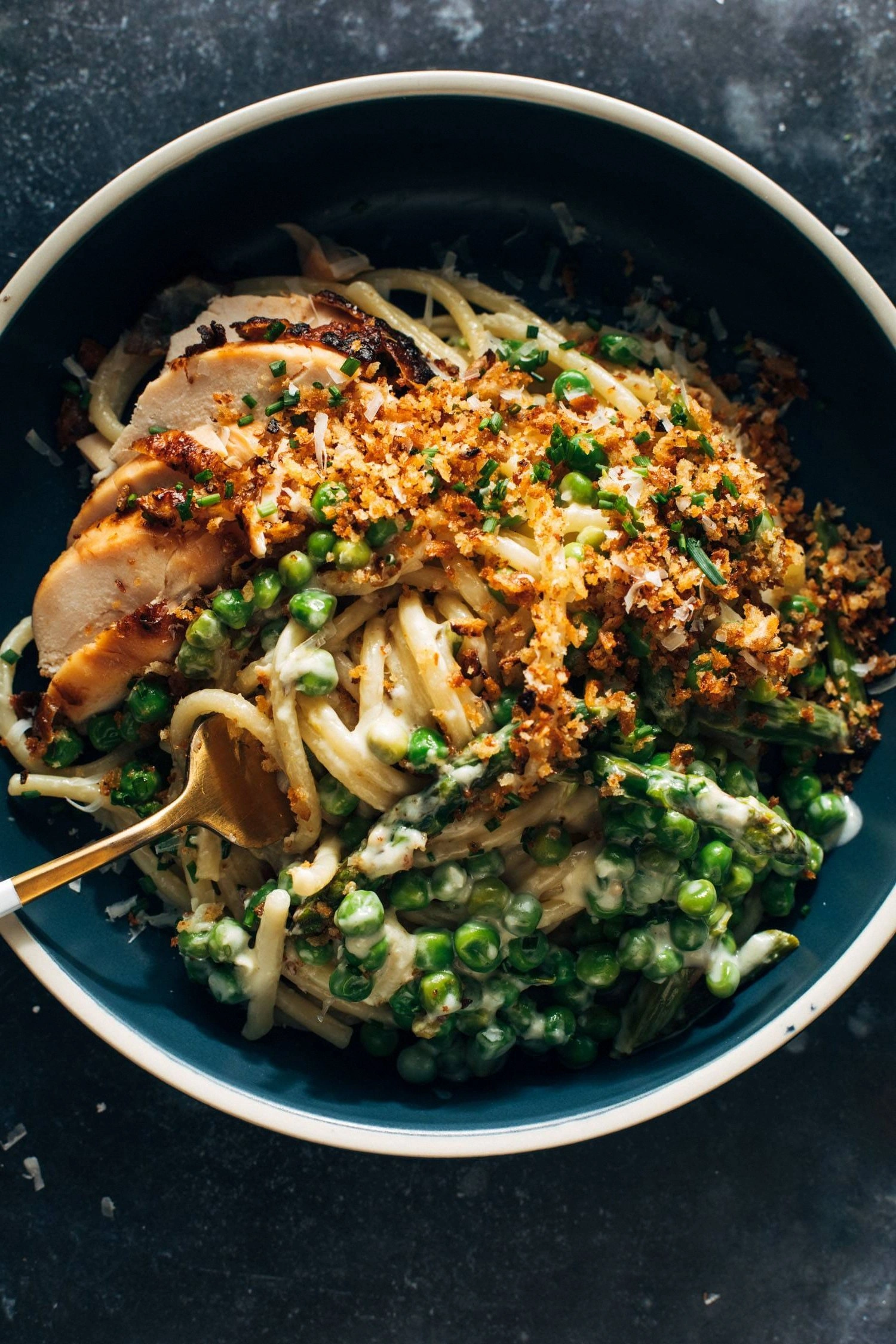
Picture this: a deep, wide bowl of bucatini, its hollow center eager to soak up every drop of a luscious garlic‑cream sauce, dotted with sweet peas that pop like tiny fireworks and asparagus spears that snap with a satisfying crunch. The sauce clings to the pasta like velvet, each strand shimmering with butter‑infused richness, while the golden crispies perched on top provide that final, addictive crunch—think of the sound of thin ice shattering under a gentle footstep. I’ll be honest — I ate half the batch before anyone else got to try it, and that’s because this version is hands down the best you’ll ever make at home.
Most recipes get this completely wrong. They either drown the greens in a watery broth or drown the pasta in a cloying cheese sauce that feels like a bad sweater. Here’s what actually works: a careful balance of broth and cream that creates a sauce light enough to let the vegetables shine, a splash of lemon that cuts through the richness, and a sprinkle of those golden crispies that give the dish a texture contrast you didn’t even know you were missing. The secret? A few minutes of patience and a daring dash of confidence. I dare you to try it without the golden crispies and tell me you didn’t miss that crackle.
Now, let’s walk through every single step — by the end, you’ll wonder how you ever made it any other way. Okay, ready for the game‑changer? This next part? Pure magic. Stay with me here — this is worth it.
What Makes This Version Stand Out
- Velvety Sauce: The combination of butter, heavy cream, and broth creates a sauce that coats the bucatini like a silk scarf, hugging each hollow strand without overwhelming it.
- Bright Citrus Kick: A splash of lemon juice and zest lifts the richness, delivering a refreshing pop that dances on the palate.
- Texture Symphony: Sweet peas burst, asparagus offers a tender snap, and the golden crispies add a toasty crunch that shatters like thin ice.
- Simplicity Meets Sophistication: Only eight core ingredients, yet the flavor depth rivals a restaurant’s signature dish.
- Crowd‑Pleaser: Even picky eaters fall in love; the green veggies are hidden in a creamy blanket, making it a safe bet for any dinner party.
- Seasonal Flexibility: Asparagus shines in spring, but you can swap it for broccoli or zucchini, keeping the dish relevant year‑round.
- Make‑Ahead Friendly: The sauce stores beautifully, and the crispies can be added fresh right before serving.
- Budget‑Smart: Using frozen peas and pantry staples keeps the cost low while delivering high‑end flavor.
Inside the Ingredient List
The Flavor Base
Butter: This is the foundation of our sauce. When melted, it creates a glossy canvas that carries the garlic and cream. Skipping butter means losing that buttery sheen that makes the pasta look restaurant‑ready. If you’re dairy‑free, try a high‑quality plant butter, but expect a slight flavor shift.
Fresh Garlic, Grated: Grated garlic releases more oils than minced, giving the sauce an immediate punch. It’s the aromatic heart that makes the sauce sing. If you overcook it, it turns bitter—so keep the heat gentle. A handy tip: use the back of a microplane for the finest texture.
Heavy Cream: The cream adds body and silkiness. It’s the reason the sauce doesn’t separate when you add broth later. If you’re watching calories, you can halve the cream and replace the missing liquid with extra broth, but the sauce will be less luxurious.
The Texture Crew
Frozen Peas: Peas bring a burst of sweetness and a pop of color that lifts the dish visually. They also add a subtle earthiness that balances the lemon’s acidity. If you use fresh peas, blanch them for 2 minutes to maintain that snap.
Asparagus: Asparagus provides a delicate crunch and a hint of grassy flavor. Choose thin spears for quicker cooking; thick ones need a brief blanch before they hit the pan. If asparagus isn’t in season, swap with green beans or even thinly sliced zucchini.
Golden Crispies (the best toasty breadcrumbs there ever were!): These are the secret weapon. They create a textural contrast that makes each bite unforgettable. If you can’t find them, make your own by toasting panko with a drizzle of olive oil and a pinch of salt until golden.
The Unexpected Star
Lemon: Lemon zest and juice act as the brightening agent, cutting through the richness of butter and cream. The aroma alone awakens the senses, and the acidity balances the sauce’s fat. A common mistake is adding the juice too early; it can cause the cream to curdle. Add it at the very end for a clean, fresh finish.
The Final Flourish
Chicken or Vegetable Broth: The broth thins the sauce just enough to cling to the bucatini without drowning it. It also adds umami depth, especially if you use a low‑sodium version. If you’re vegetarian, stick with vegetable broth; if you want an extra savory punch, a splash of white wine works wonders.
Everything’s prepped? Good. Let’s get into the real action…
The Method — Step by Step
Bring a large pot of salted water to a rolling boil. Once boiling, add the bucatini and cook until just al dente—about 9 minutes. Drain, reserving 1 cup of the cooking water, and set the pasta aside. That sizzle when the water hits the pot? Absolute perfection. Remember, the pasta will finish cooking in the sauce, so don’t over‑cook now.
While the pasta cooks, melt the butter in a heavy‑bottomed skillet over medium‑low heat. Add the grated garlic and stir constantly for 30 seconds until fragrant but not browned. This is the moment of truth; if the garlic starts to brown, you’ve gone too far and it will turn bitter.
Kitchen Hack: Keep the garlic grated on a small plate nearby so you can add it in a quick burst without pausing the cooking.Stir in the heavy cream, letting it swirl around the pan. Bring the mixture to a gentle simmer—don’t let it boil, or it will split. Once you see tiny bubbles forming around the edges, lower the heat and add the broth, stirring to combine. The sauce should thicken slightly, coating the back of a spoon.
Introduce the asparagus pieces now. Cook for 2‑3 minutes until they turn bright green and become just tender. If you prefer a softer bite, give them an extra minute, but beware—overcooked asparagus loses its snap and becomes mushy.
Next, add the frozen peas directly to the pan. No need to thaw—they’ll melt into the sauce within a minute, releasing their sweet juices. Stir gently; the peas should be evenly distributed, creating little green islands in the creamy sea.
Season the sauce with a generous pinch of salt, freshly cracked black pepper, and the zest of one lemon. The zest adds aromatic oils that lift the entire dish. Then, pour in the lemon juice—do this off the heat to prevent curdling. The sauce should now have a bright, buttery glow.
Time to bring the bucatini back into the spotlight. Toss the cooked pasta into the skillet, adding a splash of the reserved pasta water if the sauce looks too thick. The starch in the water helps the sauce cling to every hollow tube, creating that luxurious coating.
Watch Out: If you add too much water at once, the sauce will become soupy. Add a little at a time and watch the consistency.Just before serving, fold in the golden crispies gently, allowing them to stay crunchy. This final flourish adds a textural contrast that makes each bite unforgettable. If you prefer a nuttier flavor, toast the crispies with a drizzle of olive oil and a pinch of smoked paprika.
Kitchen Hack: Keep the crispies in a separate bowl until the very last second; this prevents them from absorbing sauce and losing their crunch.Plate the bucatini in shallow bowls, sprinkle a final zest of lemon on top for aroma, and serve immediately. Picture yourself pulling this out of the oven, the whole kitchen smelling incredible, and the first forkful delivering that perfect balance of cream, citrus, and crunch. The experience is pure comfort with a sophisticated twist.
That’s it — you did it. But hold on, I’ve got a few more tricks that’ll take this to another level…
Insider Tricks for Flawless Results
The Temperature Rule Nobody Follows
Never pour cold cream directly into a hot pan; the temperature shock causes the fat to separate. Instead, let the cream sit at room temperature for 10 minutes before adding it. I once tried to shortcut this and ended up with a curdled mess that resembled a dairy disaster. Keep the heat moderate, and you’ll get that silky sheen every time.
Why Your Nose Knows Best
The moment the garlic hits the butter, your kitchen will fill with an aromatic perfume that tells you exactly when to move on. If you can’t smell the garlic after 30 seconds, the heat is too low. Trust your nose more than the clock; it’s the most reliable timer for flavor development.
The 5‑Minute Rest That Changes Everything
After you finish cooking, let the pasta sit in the sauce off the heat for five minutes. This rest allows the flavors to meld, and the sauce thickens just enough to cling without being gloopy. A friend tried to skip this step once — let’s just say the dish tasted flat and the sauce slid off the bucatini like a bad hair day.
Butter‑Infused Broth Boost
For an extra layer of richness, melt a tablespoon of butter into the broth before adding it to the sauce. The butter‑infused broth adds depth without extra cream, making the sauce feel fuller on the palate. This little secret is why restaurant chefs keep their sauces so luxurious.
Seasoning at the End
Finish with a pinch of flaky sea salt right before serving. The flaky crystals provide a delicate crunch that contrasts the creamy sauce. If you season too early, the salt can draw moisture out of the peas, making them soggy. Add it at the end for maximum impact.
Creative Twists and Variations
This recipe is a playground. Here are some of my favorite ways to switch things up:
Smoky Bacon & Pea
Swap the asparagus for crisped bacon bits and add a splash of smoked paprika. The smoky saltiness pairs beautifully with the sweet peas, turning the dish into a hearty comfort meal perfect for cooler evenings.
Herb‑Infused Delight
Stir in a handful of fresh basil or tarragon at the end of cooking. The herbaceous notes brighten the sauce, making it ideal for summer gatherings where fresh flavors reign.
Spicy Kick
Add a pinch of red‑pepper flakes when you sauté the garlic. The subtle heat lifts the cream without overpowering the delicate vegetables, perfect for those who love a little zing.
Vegan Version
Replace butter with plant‑based margarine, swap heavy cream for coconut cream (thin it with a bit more broth), and use vegetable broth. The golden crispies remain dairy‑free if you choose a breadcrumb made without dairy.
Cheesy Upgrade
Stir in a quarter cup of grated Pecorino Romano just before plating. The salty cheese adds an umami punch and a slight granularity that complements the creamy base.
Winter Warmth
Replace asparagus with roasted butternut squash cubes and add a pinch of nutmeg. The sweet, earthy flavors make the dish a cozy centerpiece for chilly nights.
Storing and Bringing It Back to Life
Fridge Storage
Cool the remaining pasta to room temperature, then transfer it to an airtight container. It will keep for up to three days. When reheating, add a splash of milk or water to loosen the sauce, and gently stir over low heat.
Freezer Friendly
Portion the cooked bucatini and sauce into freezer‑safe bags, removing as much air as possible. Freeze for up to two months. Thaw overnight in the fridge, then reheat in a skillet with a tablespoon of broth; the sauce will revive beautifully.
Best Reheating Method
The secret to a silky comeback is steam. Place the pasta in a saucepan, add a tiny splash of water (or broth), cover, and warm over medium‑low heat, stirring occasionally. The steam restores the sauce’s creaminess without turning it grainy.