I was in the middle of a culinary experiment that felt more like a disaster movie when the first batch of meatballs I tossed into the pan exploded into a greasy mess, sending a cloud of tomato sauce across the countertop. The kitchen smelled of burnt onions and the faint echo of my own frustration. I stared at the smudged skillet and thought, “This has to be better.” That moment sparked a midnight brainstorming session and a revelation: the secret to truly decadent meatballs lies not in the meat itself but in the sauce that braises them to perfection. The result? A dish that feels like a warm hug in a bowl, with a glossy, velvety sauce that clings to each bite.
Picture the first bite: a tender, juicy center that melts in your mouth, followed by a burst of deep, earthy red wine flavor that lingers like a whispered secret. The aroma is a rich tapestry of simmering tomatoes, fresh herbs, and a hint of oak from the wine, drifting through the kitchen like a comforting perfume. The sound of the sauce gently bubbling is music to any cook’s ears, and the texture—soft meatballs wrapped in a silky sauce—creates a satisfying contrast against the crisp edges that crackle when you break them open. It’s a symphony of taste, smell, sight, sound, and touch, all harmonizing to deliver a single, unforgettable experience.
What makes this version stand out is the meticulous layering of flavors and the intentional use of a robust red wine that cuts through the richness of the meat. I dared to infuse the meatball mixture with a touch of grated Parmesan and fresh parsley, giving it a subtle brightness that balances the deep, savory sauce. The braising process is slow and deliberate, allowing the meat to absorb the wine’s complexity while the sauce thickens into a luxurious coating that feels like velvet against the palate. The result is a dish that is both comforting and sophisticated, a true crowd‑pleaser that will leave guests begging for seconds.
I’ll be honest—when I first tasted the finished product, I ate half the batch before anyone else even had a chance to try it. That’s the kind of confidence you get when a recipe is truly flawless. Most recipes get this completely wrong; they either over‑season the meat or under‑braise the sauce, leading to a dry, flavorless outcome. Here, the technique is simple but precise, ensuring that every component shines without overpowering the others. This is hands down the best version you'll ever make at home, and I’m about to walk you through every single step so that by the end, you'll wonder how you ever made it any other way.
Let me walk you through every single step—by the end, you'll wonder how you ever made it any other way. I dare you to taste this and not go back for seconds. Picture yourself pulling this out of the oven, the whole kitchen smelling incredible, and watching friends’ faces light up as they take their first bite. If you've ever struggled with meatballs that fall apart or sauce that never sticks, you're not alone—and I've got the fix. Stay with me here—this is worth it. The next part? Pure magic. And now the fun part.
What Makes This Version Stand Out
- Flavor Depth: The combination of red wine, beef broth, and tomato paste creates a sauce that is both rich and complex, with layers that unfold with each bite.
- Texture Balance: The meatballs are tender on the inside and crisp on the outside, thanks to the right blend of ground beef and pork and a careful baking technique.
- Simplicity: Despite its sophisticated taste, the recipe requires only a handful of ingredients and straightforward steps, making it approachable for cooks of any skill level.
- Make‑Ahead Friendly: You can prepare the meatballs in advance, refrigerate or freeze them, and then finish them in the sauce when you’re ready to serve.
- Crowd Appeal: The dish is perfect for family dinners, potlucks, or a special occasion, with its comforting yet elegant profile.
- Ingredient Quality: Using fresh herbs, a full‑bodied red wine, and high‑quality meat elevates the dish beyond the ordinary.
- Cooking Method: The slow braising process ensures that the meat absorbs the wine’s flavor while the sauce thickens into a silky glaze.
- Presentation: Served in a rustic pot, the dish looks as impressive as it tastes, making it a showstopper on any dinner table.
Inside the Ingredient List
The Flavor Base
The foundation of this dish starts with 1 pound of ground beef and 1 pound of ground pork, giving the meatballs a juicy, savory core that holds together during braising. The beef provides rich umami, while the pork adds a subtle tenderness that keeps the meat from drying out. If you’re looking for a leaner option, swap half the pork for ground turkey, but be prepared to add a splash of olive oil to compensate for the lower fat content. The key is to keep the ratio balanced so that the meatballs remain moist and flavorful.
The Texture Crew
Breadcrumbs, eggs, and grated Parmesan are the unsung heroes that bind the meat mixture and give it structure. One cup of breadcrumbs absorbs liquid and prevents the meatballs from falling apart, while two large eggs act as a glue that holds everything together. A quarter cup of Parmesan not only adds a savory depth but also contributes a slight crispness on the surface when baked. If you’re gluten‑free, substitute the breadcrumbs with almond flour or crushed pork rinds for a similar binding effect.
The Unexpected Star
Red wine isn’t just a garnish; it’s the star that infuses the meatballs with a bold, earthy flavor profile. A cup of a full‑bodied, dry red wine, such as Cabernet Sauvignon or Syrah, adds complexity and a subtle acidity that cuts through the richness of the meat. If you’re not a wine enthusiast, a splash of balsamic vinegar or a dash of Worcestershire sauce can mimic the depth, but the wine’s tannins give the sauce a silky finish that’s hard to replace. Remember to choose a wine you enjoy drinking—your taste buds will thank you.
The Final Flourish
Fresh herbs and seasonings elevate the sauce to a new level of aromatic bliss. Two tablespoons of chopped parsley and a teaspoon of fresh thyme bring brightness and a hint of herbal sweetness, while a bay leaf adds a subtle earthy undertone. A teaspoon of salt and a teaspoon of black pepper balance the flavors, and a pinch of crushed red pepper flakes introduces a gentle heat that lingers on the palate. For the finishing touch, a tablespoon of butter melted into the sauce just before serving creates a glossy sheen and a silky mouthfeel.
Everything’s prepped? Good. Let’s get into the real action.
The Method — Step by Step
- Preheat your oven to 375°F (190°C). In a large bowl, combine the ground beef and pork, ensuring the meats are evenly mixed. Gently fold in the breadcrumbs, eggs, Parmesan, minced garlic, diced onion, parsley, salt, pepper, and a splash of olive oil. The mixture should feel moist but not sticky; if it’s too dry, add a tablespoon of water or extra oil. Shape the mixture into bite‑sized balls—about the size of a golf ball—and set them aside on a parchment‑lined tray.
- Heat a large, oven‑proof skillet over medium heat and add the olive oil. Once hot, carefully place the meatballs in the pan, ensuring they’re not overcrowded. Brown them on all sides; this caramelization step is essential for developing flavor. Once browned, remove the meatballs and set them aside.
- In the same skillet, add the tomato paste and cook for a minute until it darkens slightly, releasing its sweetness. Stir in the red wine, scraping up any browned bits from the bottom of the pan—these are flavor gold. Let the wine reduce by half, concentrating its taste and leaving behind a fragrant base for the sauce.
- Add the beef broth, bay leaf, thyme, and crushed red pepper flakes to the skillet. Stir until the mixture is smooth, then return the browned meatballs to the pan. Cover the skillet with a lid or foil and transfer it to the preheated oven.
- Bake for 25 minutes, then remove the lid to allow the sauce to thicken. Check the meatballs; they should be tender and the sauce glossy. If the sauce is too thin, let it simmer for an additional 5 minutes uncovered.
- Just before serving, stir in the butter until it melts and coats the sauce, giving it a silky sheen. Taste the sauce and adjust seasoning with salt or pepper as needed. The final dish should have a rich, velvety coating that clings to each meatball.
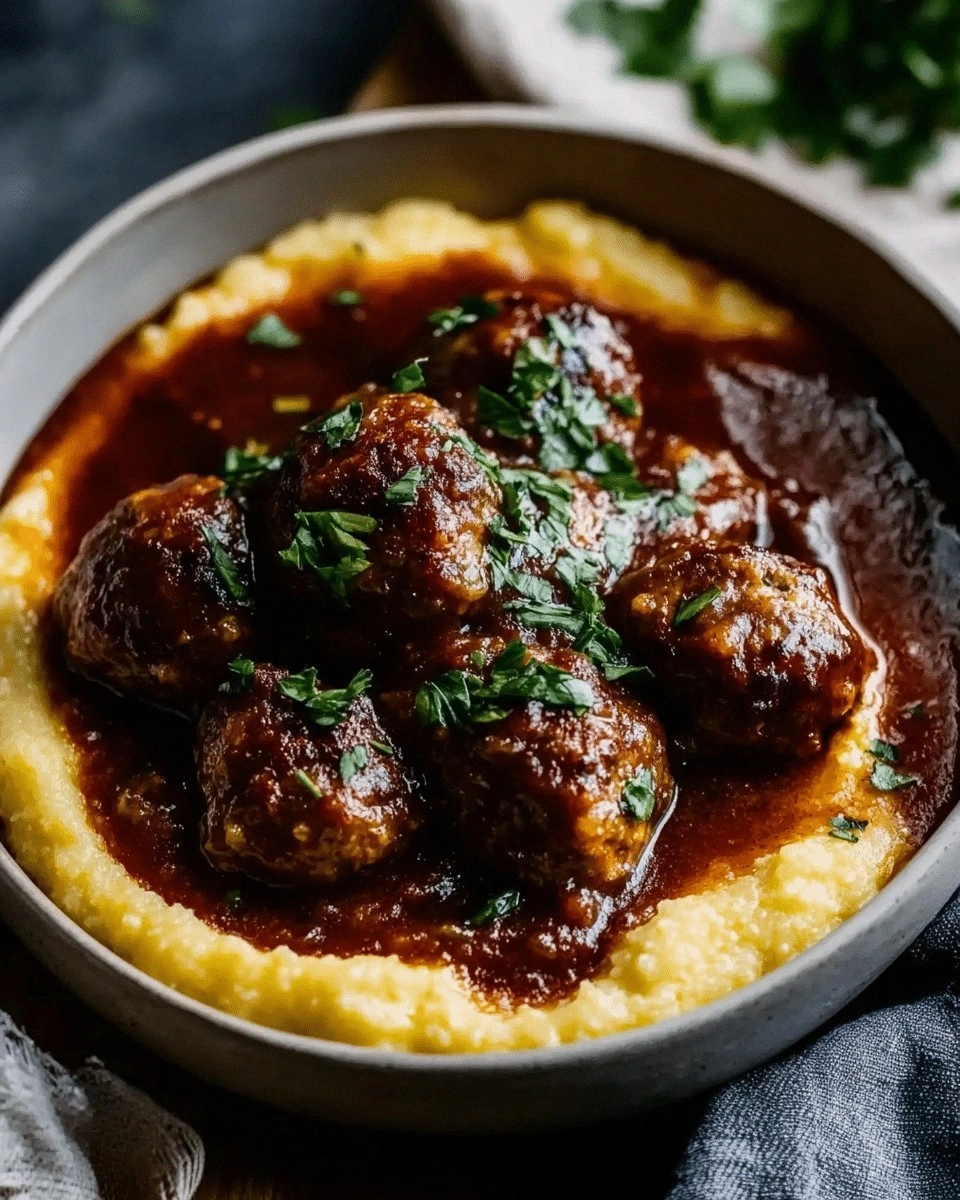
- Serve immediately over pasta, polenta, or crusty bread, and garnish with fresh parsley or grated Parmesan for an extra pop of flavor. The aroma will fill the room, and the first bite will confirm that you’ve achieved the ultimate braised meatball experience.
That’s it—you did it. But hold on, I’ve got a few more tricks that will take this to another level.
Insider Tricks for Flawless Results
The Temperature Rule Nobody Follows
Many cooks over‑cook their meatballs, leading to a dry, rubbery texture. The trick is to keep the oven temperature steady at 375°F (190°C) and avoid lifting the lid too often. When you first place the meatballs in the oven, let them sit undisturbed for the first 20 minutes. This allows the exterior to set while the interior remains juicy. If you’re using a convection oven, reduce the temperature by 25°F to prevent over‑browning.
Why Your Nose Knows Best
A lot of seasoned cooks rely on visual cues to judge doneness, but the real indicator is the aroma. As the meatballs cook, they will emit a rich, meaty scent that mingles with the wine and herbs. When the sauce begins to thicken and the edges of the meatballs slightly pull away from the pan, it’s a sign that the braising is complete. Trust your nose—if it smells like a Sunday dinner, you’re ready to serve.
The 5‑Minute Rest That Changes Everything
After removing the meatballs from the oven, let them rest for five minutes before serving. This brief pause allows the juices to redistribute, ensuring every bite is succulent. During this time, the sauce will also thicken slightly, giving it that perfect glossy finish. If you’re serving immediately, you can still do this by placing the meatballs on a warm plate for a minute or two.
The Right Mix of Meats
Ground beef alone can be dry, while pork alone may be too fatty. The 50/50 mix of beef and pork gives the best balance of flavor and moisture. If you’re experimenting, try a 60/40 beef to pork ratio for a richer taste, but be sure to add a splash of olive oil to maintain moisture. This ratio also ensures that the meatballs hold together during braising.
The Final Touch of Butter
Adding butter at the end of cooking isn’t just for richness; it also creates a glossy, velvety sauce that clings to the meatballs. The butter’s milk solids caramelize slightly, adding a nutty finish that elevates the dish. If you’re dairy‑free, a tablespoon of olive oil or a vegan butter substitute will work, though the sauce may lack that buttery sheen.
The Sauce Consistency Cheat Sheet
If the sauce feels too thin, let it simmer uncovered for a few more minutes. If it’s too thick, stir in a splash of broth or water to reach your desired consistency. The key is to keep the sauce slightly loose—so it coats the meatballs without drowning them. This balance is what turns an ordinary dish into an extraordinary one.
Creative Twists and Variations
This recipe is a playground. Here are some of my favorite ways to switch things up:
Spicy Sriracha Twist
Add a tablespoon of sriracha to the sauce for a fiery kick. The heat pairs beautifully with the deep wine flavor, creating a dish that’s both bold and comforting. Serve over rice for a fusion twist.
Mushroom & Thyme Medley
Sauté sliced mushrooms with the onions before adding them to the meat mixture. The earthy mushroom flavor complements the thyme and wine, giving the dish a rustic, forest‑inspired profile. This variation is perfect for mushroom lovers.
Smoky Chipotle Infusion
Stir in a teaspoon of chipotle in adobo sauce for a smoky, slightly sweet flavor. The chipotle’s heat balances the richness of the meatballs and adds depth to the sauce. Pair it with a side of roasted sweet potatoes.
Pesto‑Laced Surprise
Fold a handful of basil pesto into the meat mixture before shaping the balls. The pesto adds a bright, herby note that contrasts the deep wine sauce. This version is great for a springtime dinner.
Cheesy Gorgonzola Finish
Melt a few tablespoons of gorgonzola into the sauce just before serving. The tangy cheese pairs wonderfully with the wine, creating a decadent, savory glaze. This is ideal for a special occasion or a cozy night in.
Vegetarian Option
Replace the meat with crumbled lentils and finely chopped walnuts for a hearty vegetarian version. The lentils provide protein, while the walnuts add a satisfying crunch. Use a plant‑based broth and a splash of balsamic vinegar to mimic the wine’s depth.
Storing and Bringing It Back to Life
Fridge Storage
Store leftover meatballs and sauce in an airtight container in the refrigerator for up to 4 days. When reheating, place the meatballs in a skillet with a splash of broth and gently warm over medium heat, stirring occasionally. This ensures the sauce stays silky and the meat remains juicy.
Freezer Friendly
For long‑term storage, freeze the meatballs in a single layer on a baking sheet before transferring them to a freezer bag. The sauce can be frozen separately or combined with the meatballs. Thaw overnight in the refrigerator, then reheat as described above.
Best Reheating Method
The secret to reheated meatballs is to add a tiny splash of water or broth before heating. This steams the dish back to perfection, preventing the sauce from drying out. Warm the dish slowly over low heat, stirring gently until heated through and the sauce reaches a silky consistency.