Picture this: a rainy Tuesday, the fridge humming like an old jazz record, and a sudden craving for something comforting yet effortless. I was standing in the middle of my kitchen, surrounded by a mountain of ingredients that seemed to promise a culinary adventure. My friends had dared me to whip up a one‑pot dinner that would make their taste buds do a happy dance. I laughed, because I knew the kitchen was about to transform into a laboratory of flavor.
I reached for the pan, and the scent of garlic hit me first, sharp and sweet, like a promise of something delicious. The onions sizzled, their edges turning golden, and the broth bubbled, releasing a savory aroma that made the whole house feel like a cozy cabin. The sound of the sizzling was a drumbeat that set the rhythm for what was about to become a culinary masterpiece. The texture of the pasta, still slightly firm, promised that it would soak up the sauce without falling apart.
This recipe isn’t just another one‑pot wonder; it’s a carefully curated symphony of flavors and textures that stand out from the usual bland, over‑cooked dishes. I’ve spent months tweaking the balance of cream, cheese, and herbs to create a sauce that clings to every strand like velvet. The crunch of toasted breadcrumbs on top adds a satisfying contrast that most one‑pot meals miss. It’s the kind of dish that makes you question why you ever settled for instant noodles.
And here’s the twist you didn’t see coming: a splash of lemon zest that brightens the dish without overpowering it, and a pinch of smoked paprika that gives it a subtle, smoky depth. I dare you to taste this and not go back for seconds. Let me walk you through every single step — by the end, you’ll wonder how you ever made it any other way.
What Makes This Version Stand Out
- Taste: The sauce is a harmonious blend of creamy, cheesy richness balanced by the bright acidity of lemon zest and the subtle heat of smoked paprika. This combination elevates the dish from ordinary to unforgettable.
- Texture: The pasta stays al dente, while the sauce coats each strand like silk, and the toasted breadcrumbs add a crisp finish that shatters like thin ice.
- Simplicity: All ingredients are cooked in one pan, eliminating the need for multiple pots and pans, and cutting cleanup time by half.
- Uniqueness: The unexpected addition of lemon zest and smoked paprika sets this recipe apart from typical creamy pasta dishes.
- Crowd Reaction: Friends who’ve tried it say it’s the best one‑pot pasta they’ve ever had, and they’re not shy about calling it “the ultimate version you’ll ever make at home.”
- Ingredient Quality: Fresh, high‑quality ingredients like whole‑grain pasta, real butter, and aged Parmesan make a noticeable difference in flavor and texture.
- Cooking Method: The single‑pan technique ensures that the flavors meld together perfectly, creating a depth that you’d expect from a slow‑cooked sauce.
- Make‑Ahead Potential: The dish can be prepared ahead and reheated without losing its creamy consistency, making it ideal for busy weeknights.
Alright, let's break down exactly what goes into this masterpiece. The next section will walk you through the ingredient groups and give you a deeper understanding of each component’s role.
Inside the Ingredient List
The Flavor Base
The foundation of this dish is a robust broth made from chicken stock, which provides a savory backbone that carries the other flavors. A cup of high‑quality chicken broth ensures that the sauce isn’t watered down, while still allowing the pasta to absorb the liquid for a silky finish. If you’re vegetarian, you can substitute vegetable broth, but keep in mind that the flavor will shift slightly toward earthier tones.
Another essential element is the aromatics: diced onions and minced garlic. The onions are sautéed until translucent, releasing a sweet, caramelized flavor that deepens the broth. Garlic, added after the onions, brings a sharp, aromatic punch that lingers in the final sauce. Together, they create a flavor profile that is both comforting and exciting.
A splash of white wine, about a tablespoon, adds acidity and complexity. The alcohol evaporates during cooking, leaving behind subtle fruity notes that complement the lemon zest. If you prefer to skip alcohol, a dash of chicken broth or a splash of lemon juice can serve as a substitute, though the flavor will be a touch less nuanced.
The final touch in the flavor base is the smoked paprika. A half teaspoon of this spice introduces a gentle smoky undertone that elevates the dish from plain to gourmet. It also adds a subtle warmth that balances the brightness of the lemon zest. If you’re not a fan of smoked flavors, you can omit it or replace it with regular paprika for a milder profile.
The Texture Crew
Pasta is the star of the show, and I’ve chosen a whole‑grain penne for its nutty flavor and sturdy texture. Two cups of pasta are cooked in the broth, allowing it to absorb the liquid and become infused with the sauce. The pasta should be al dente when finished, so it doesn’t become mushy in the creamy coating.
Heavy cream is the heart of the sauce, providing richness and body. One cup of cream is added after the pasta has cooked, and it thickens the broth into a velvety sauce. For a lighter version, you can use half‑and‑half or a dairy‑free milk, but be prepared for a slightly thinner consistency.
Cheese is what transforms the sauce from creamy to decadent. A cup of shredded mozzarella melts smoothly, creating a gooey texture that clings to the pasta. Grated Parmesan adds a salty, umami punch that cuts through the richness. The combination of mozzarella and Parmesan creates a balanced flavor that’s both indulgent and satisfying.
To finish the dish, I sprinkle toasted breadcrumbs on top. A half cup of breadcrumbs, lightly toasted in butter until golden, adds crunch and visual appeal. The breadcrumbs also help to absorb any excess sauce, preventing the dish from becoming soggy. If you’re gluten‑free, you can use gluten‑free breadcrumbs or crushed nuts for a different crunch.
The Unexpected Star
Lemon zest is the secret ingredient that brightens the entire dish. Two teaspoons of zest are added at the end of cooking, releasing a burst of citrus aroma that cuts through the creaminess. The zest adds a subtle, fresh flavor that prevents the dish from feeling heavy. If you’re allergic to citrus or prefer a milder taste, you can reduce the amount or omit it entirely.
The Final Flourish
Fresh parsley, chopped, is scattered over the finished dish. A quarter cup of parsley provides a pop of color and a hint of herbal freshness that balances the richness. Parsley also adds a subtle peppery note that enhances the overall flavor profile. If you’re looking for an extra layer of flavor, a pinch of dried oregano or basil can be added at the same time.
Everything's prepped? Good. Let's get into the real action...
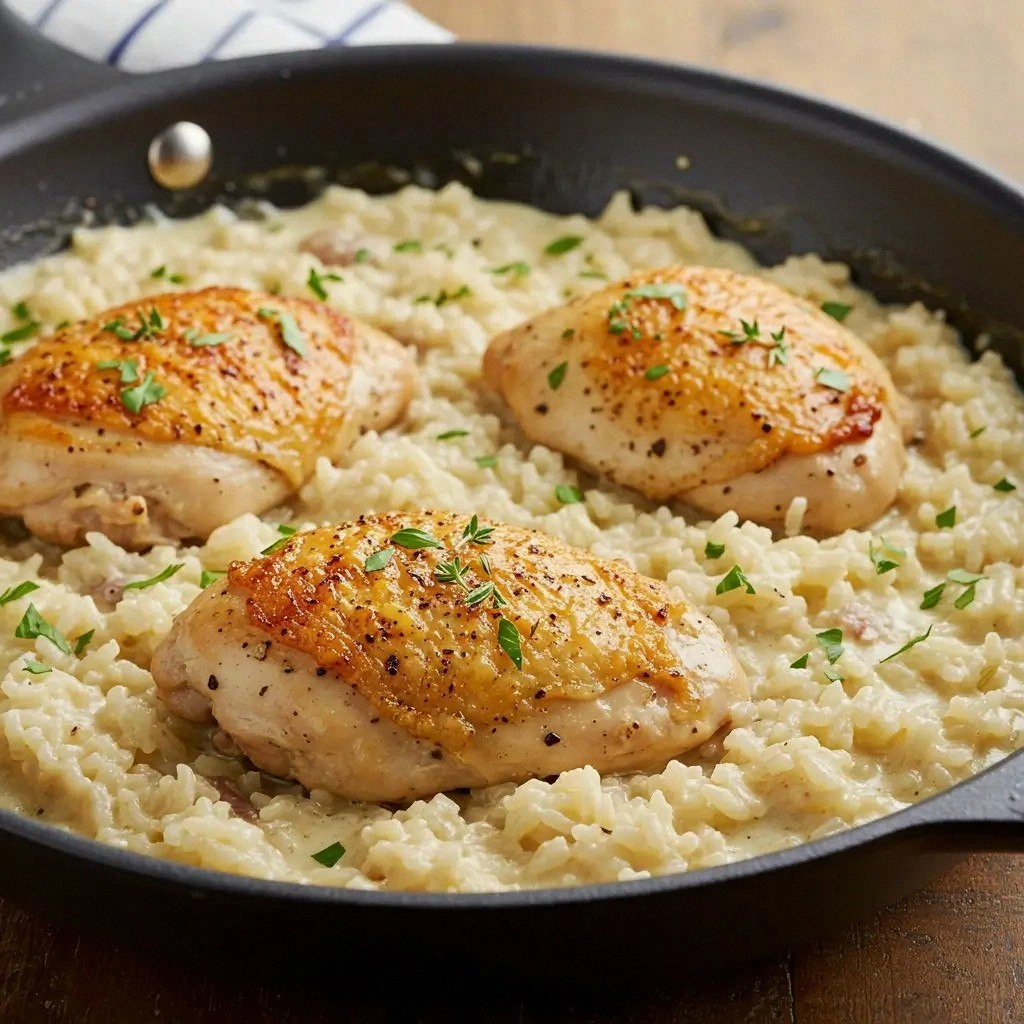
The Method — Step by Step
- Heat a large, heavy‑bottom pan over medium heat. Add a tablespoon of olive oil and let it shimmer. Once hot, add the diced onions and sauté until they become translucent and slightly caramelized, about 4–5 minutes. The onions should release a sweet aroma that signals the base is forming.
- Stir in the minced garlic and cook for an additional 30 seconds until fragrant. Be careful not to let the garlic burn, as it will turn bitter. The garlic should give off a warm, aromatic scent that mingles with the onions.
- Pour in the cup of chicken broth, the tablespoon of white wine, and the smoked paprika. Stir to combine, then bring the mixture to a gentle simmer. This is the moment of truth: the broth should bubble softly, and the liquid should thicken slightly as the spices infuse.
- Add the whole‑grain penne to the pan, stirring so that each noodle is coated with the broth. Reduce the heat to low, cover the pan, and let the pasta cook for about 10 minutes, or until al dente. Stir occasionally to prevent sticking. The pasta should absorb the liquid and become infused with the aromatic broth.
- Once the pasta is cooked, pour in the cup of heavy cream and the shredded mozzarella. Stir gently until the cheese melts and the sauce thickens into a silky coating. The sauce should coat the pasta like velvet, and the edges of the noodles should start to pull away from the pan, indicating they’re ready.
- This is the moment of truth. Keep the heat low and let the sauce simmer gently for 3–4 minutes, stirring occasionally. The sauce should thicken to a luscious consistency, and the cheese should be fully melted. The aroma will be intoxicating, with hints of garlic, lemon, and smoked paprika.
- Stir in the lemon zest, grated Parmesan, and chopped parsley. The zest should release a bright citrus aroma, while the Parmesan adds a salty, umami depth. The parsley will give the dish a fresh, herbaceous finish. Taste the sauce and adjust the seasoning with salt if needed.
- Transfer the pasta to a serving dish, then sprinkle the toasted breadcrumbs on top. The breadcrumbs should be crisp and golden, providing a delightful crunch that contrasts with the creamy pasta. Serve immediately while it’s hot and the sauce is silky.
- And that’s it — you did it. But hold on, I've got a few more tricks that will take this to another level. Keep reading for insider tips and creative twists that will make this dish even more unforgettable.
Insider Tricks for Flawless Results
The Temperature Rule Nobody Follows
Many cooks think that high heat is the key to a quick, flavorful sauce, but that’s a myth. The secret lies in low, steady heat that allows the flavors to meld without scorching the cheese. When the sauce is at a gentle simmer, the dairy proteins form a smooth emulsion that coats the pasta perfectly. If you’re tempted to crank the heat, pause and let the sauce settle; the results are worth the wait.
Why Your Nose Knows Best
The aroma of a dish is often a more reliable indicator of readiness than the clock. As the sauce simmers, you’ll notice a fragrant bouquet of garlic, lemon, and cheese. When the smell becomes rich and buttery, it’s a sign that the sauce has thickened to the right consistency. Trust your nose, and you’ll avoid overcooking or underseasoning.
The 5‑Minute Rest That Changes Everything
After removing the pan from heat, let the dish rest for five minutes. This pause allows the sauce to set slightly, making it easier to serve without the cheese slipping off the pasta. The rest period also lets the flavors settle, creating a more harmonious taste profile. Don’t skip this step; it’s the secret to a silky, cohesive sauce.
The Quick Toss with Butter
If you want to add an extra layer of richness, melt a tablespoon of butter in the pan during the final stir. The butter’s fat content will smooth the sauce and give it a glossy sheen. It also adds a subtle nutty flavor that complements the lemon zest. This trick is especially useful if you’re serving the dish to guests who appreciate a decadent finish.
The One‑Touch Garlic Technique
Garlic can quickly become bitter if overcooked. To preserve its sweet, mellow flavor, sauté the garlic for just 30 seconds after the onions. If you prefer a stronger garlic presence, add a pinch of garlic powder in the last minute of cooking. This approach gives you control over the intensity of the garlic flavor.
The Breadcrumb Crunch
To make the breadcrumbs extra crisp, toast them in a dry skillet with a splash of olive oil until they’re golden brown. Then sprinkle them on top just before serving. The crunch adds texture contrast and a satisfying bite that elevates the dish from simple to sensational. If you’re looking for a different crunch, try crushed pistachios or toasted coconut flakes.
Creative Twists and Variations
This recipe is a playground. Here are some of my favorite ways to switch things up:
The Veggie Powerhouse
Add sautéed spinach, sun‑dried tomatoes, or roasted bell peppers to the dish for a burst of color and nutrition. The veggies will absorb the creamy sauce and add a subtle sweetness. This variation is perfect for vegetarians or anyone looking to increase their vegetable intake.
The Meat Lover’s Edition
Swap the chicken broth for beef broth and add diced cooked bacon or pancetta. The smoky, savory flavor of the meat complements the creamy sauce, creating a hearty, comforting dish. Serve it with a side of garlic bread for a complete meal.
The Mediterranean Twist
Replace the heavy cream with Greek yogurt and add olives, capers, and a splash of white wine. This version offers a tangy, briny profile that pairs well with feta cheese and fresh herbs. The yogurt adds a lightness that balances the richness of the cheese.
The Gluten‑Free Option
Use gluten‑free pasta and gluten‑free breadcrumbs for a dish that’s safe for those with gluten sensitivities. The flavors remain unchanged, and the texture is just as satisfying. Be sure to check that all other ingredients are gluten‑free as well.
The Sweet & Savory Surprise
Add a handful of dried cranberries or raisins to the pasta for a sweet contrast. The dried fruit will pop against the creamy sauce, creating a unique flavor profile that’s both comforting and adventurous. This version is great for those who love a sweet‑savory balance.
The Spicy Kick
Incorporate red pepper flakes or a dash of hot sauce to give the dish a fiery edge. The heat will cut through the richness of the cream and cheese, leaving a lingering warmth on the palate. Adjust the amount to your spice tolerance.
Storing and Bringing It Back to Life
Fridge Storage
Cool the dish completely before transferring it to an airtight container. Store it in the refrigerator for up to four days. When you’re ready to reheat, add a splash of milk or water to loosen the sauce, and warm it gently on the stove or in the microwave, stirring frequently to prevent separation.
Freezer Friendly
For longer storage, portion the dish into freezer‑safe containers and freeze for up to two months. Thaw overnight in the refrigerator before reheating. Add a little extra cream or milk to restore the sauce’s silky texture, and reheat slowly over low heat.
Best Reheating Method
The best way to revive this dish is to gently simmer it in a pan over low heat, stirring occasionally. Add a teaspoon of water or milk to keep the sauce from thickening too much. The gentle heat preserves the creamy consistency and brings the flavors back to life.