Picture this: I’m standing in my cramped downtown kitchen, the air thick with the smell of burnt toast and a half‑finished pancake that somehow decided to jump onto the floor. I was on the verge of calling it a disaster day when my roommate barged in, eyes wide, shouting, “You have to try this Cajun‑style red snapper and shrimp thing I saw on Instagram!” I rolled my eyes, but the challenge was on. I dared myself to turn that culinary chaos into something that would make even the most skeptical food snob weep with joy. I grabbed the freshest snapper from the fish market, a bag of plump shrimp, and a pot of stone‑ground grits that had been waiting patiently in my pantry. The result? A dish so bold, so buttery, and so perfectly spiced that I’m still hearing the applause in my head.
The moment the skillet hit the stove, a sizzle erupted that sounded like a tiny fireworks show. The aroma of garlic mingling with Cajun seasoning swirled around the kitchen, instantly making the whole apartment feel like a New Orleans jazz club. The grits, simmering slowly in chicken broth, began to thicken into a creamy, dreamy base that reminded me of a warm hug on a chilly evening. When the red snapper finally hit the pan, its flesh turned a gorgeous pink, releasing a sweet, briny perfume that danced with the smoky notes of paprika. Every bite is a symphony: the buttery grits cradle the succulent fish, while the shrimp add a pop of oceanic snap that makes the palate sing.
Most recipes for shrimp and grits either drown the fish in a heavy sauce or skimp on the seasoning, leaving you with a bland, one‑dimensional plate. I’ve tried countless versions that either over‑butter the grits or under‑season the seafood, and I’ve learned the hard way that balance is everything. This version stands out because it respects each component: the grits are enriched with heavy cream and cheddar for that luxurious mouthfeel, while the Cajun‑spiced sauce brings a subtle heat that never overpowers. The secret weapon? A dash of smoked paprika and a sprinkle of Parmesan that give the sauce an earthy depth you won’t find in a typical Southern recipe.
And here’s the kicker: I’m going to reveal a technique that most home cooks overlook – a quick deglaze with a splash of hot sauce that locks in flavor and adds a glossy finish to the sauce. Trust me, once you try this, you’ll never go back to the bland versions you’ve been making. I dare you to taste this and not go back for seconds. Let me walk you through every single step — by the end, you’ll wonder how you ever made it any other way.
What Makes This Version Stand Out
- Flavor Explosion: The combination of Cajun seasoning, smoked paprika, and a hint of hot sauce creates a layered heat that builds with each bite, never flatlining.
- Texture Harmony: Creamy, stone‑ground grits meet flaky snapper and firm shrimp, delivering a satisfying contrast that feels luxurious yet hearty.
- Simplicity Meets Sophistication: Despite the depth of flavor, the ingredient list is short, and the steps are straightforward enough for a weekday dinner.
- Ingredient Quality: Using stone‑ground grits and fresh, wild‑caught red snapper elevates the dish from “comfort food” to “restaurant‑worthy.”
- Crowd Reaction: This dish consistently earns rave reviews; guests often ask for the recipe before they’ve even finished the first bite.
- Make‑Ahead Potential: The grits can be pre‑cooked and reheated, while the seafood stays fresh, making it perfect for entertaining.
- Versatile Heat Level: Adjust the Cajun seasoning and hot sauce to suit anyone from mild‑minded to spice‑seeking.
- One‑Pan Efficiency: Most of the cooking happens in just two pans, cutting down on cleanup time and keeping the kitchen chaos manageable.
Inside the Ingredient List
The Flavor Base
Stone‑ground grits: They provide a creamy texture that’s simply irresistible. I always choose stone‑ground for the best flavor. Skipping them for quick‑cook grits results in a mushy, less authentic mouthfeel. If you can’t find stone‑ground, look for “coarse” or “old‑fashioned” grits as a close substitute.
Chicken broth or water: Using chicken broth infuses the grits with extra flavor, but water works just fine too. The broth adds a savory depth that plain water can’t match, especially when paired with the Cajun spices. If you’re watching sodium, opt for low‑sodium broth or a homemade stock.
Heavy cream: This adds richness that complements the texture of the grits. You can use half‑and‑half for a lighter version, but the cream gives that velvety finish that makes the dish feel indulgent. A splash of cream at the end also helps the sauce cling to the seafood.
Unsalted butter: Essential for adding creaminess and depth; unsalted lets you control the salt content better. Butter also helps deglaze the pan, pulling up those caramelized bits that form the backbone of the sauce. If you’re dairy‑free, try a good quality plant‑based butter.
The Texture Crew
Shredded cheddar cheese: This brings a delightful sharpness to your grits. Feel free to experiment with other cheeses like Gouda or Monterey Jack! Skipping the cheese leaves the grits bland and missing that satisfying bite. Add the cheese off the heat to keep it smooth and avoid a grainy texture.
Salt and black pepper: Simple, but they enhance every component of your dish, so don’t skip these. Season the grits early and the seafood right before cooking for layered seasoning. Remember, the broth already has salt, so taste before adding more.
The Unexpected Star
Large shrimp: Fresh, peeled, and deveined shrimp are the star of the show! I love buying them from local markets for freshness. If you substitute frozen, make sure to thaw completely and pat dry, or they’ll release water and steam instead of sear.
Olive oil: It’s perfect for sautéing and enhances the flavors of the shrimp and fish. You can also use vegetable oil if that’s what you have, but olive oil adds a subtle fruitiness that pairs well with Cajun spices.
Cajun seasoning: A must for that signature Cajun kick! You can either buy it or mix your own blend with paprika, garlic powder, onion powder, cayenne, thyme, and oregano. Freshly toasted spices make a world of difference.
Minced garlic: Adds a fragrant punch you can’t resist. Fresh garlic is best, but jarred works in a pinch. Add it after the oil heats up, but before the shrimp to avoid burning.
The Final Flourish
Red snapper fillets: These light, flaky fish fillets offer a sweet flavor that pairs wonderfully with the dish. Substitute with any firm fish if needed! Overcooking snapper turns it rubbery, so watch the timing closely.
Smoked paprika: It brings an earthy depth that elevates the entire dish, making it feel gourmet. A little goes a long way; too much can dominate the Cajun profile.
Grated Parmesan cheese: This adds a nutty flavor to the Cajun cream sauce and can take the taste over the top. Sprinkle it in at the very end for a glossy finish.
Hot sauce (optional): A dash can spice things up! Use your favorite for that extra kick. If you’re sensitive to heat, start with a few drops and taste before adding more.
Everything's prepped? Good. Let's get into the real action...
The Method — Step by Step
Start by heating a medium saucepan over medium heat. Add 2 cups of chicken broth (or water) and bring it to a gentle boil. Stir in 1 cup of stone‑ground grits, reduce the heat to low, and let them simmer, stirring occasionally to avoid lumps. After about five minutes, you’ll hear a gentle, comforting bubble—this is the first sign that the grits are on their way to buttery perfection.
While the grits are simmering, melt 3 tbsp of unsalted butter in a large skillet over medium‑high heat. Add 2 tbsp of olive oil, then toss in the minced garlic and let it sizzle for about 30 seconds, releasing its aromatic perfume. Next, sprinkle in 2 tsp of Cajun seasoning and 1 tsp of smoked paprika, stirring quickly so the spices toast without burning. This next part? Pure magic. The kitchen will fill with a smoky, peppery scent that tells you you’re on the right track.
Now, add the shrimp (about 12 large ones, peeled and deveined) to the skillet. Cook them for 2‑3 minutes per side, watching them turn a vivid pink and curl into a perfect C‑shape. Once done, transfer the shrimp to a plate and set aside. That sizzle when it hits the pan? Absolute perfection.
In the same skillet, add the red snapper fillets—two generous pieces, skin side down if they have skin. Cook for 3‑4 minutes, then flip carefully. The flesh should become opaque and flake easily with a fork. Watch Out: If the pan is too hot, the fish will stick and tear, so keep the temperature moderate.
Return the shrimp to the skillet, then pour in ½ cup of heavy cream and a splash of hot sauce (if you like heat). Stir gently, allowing the cream to thicken and coat the seafood. Add ¼ cup of grated Parmesan cheese, letting it melt into the sauce, creating a glossy, velvety coating. This is the moment of truth—if the sauce looks too thick, add a splash of broth to loosen it.
While the sauce simmers, finish the grits. Stir in 1 cup of shredded cheddar cheese, ½ cup of heavy cream (if you like extra richness), and a pat of butter for that final silky finish. Season with salt and freshly cracked black pepper to taste. The grits should be thick enough to coat the back of a spoon but still creamy enough to slide off effortlessly.
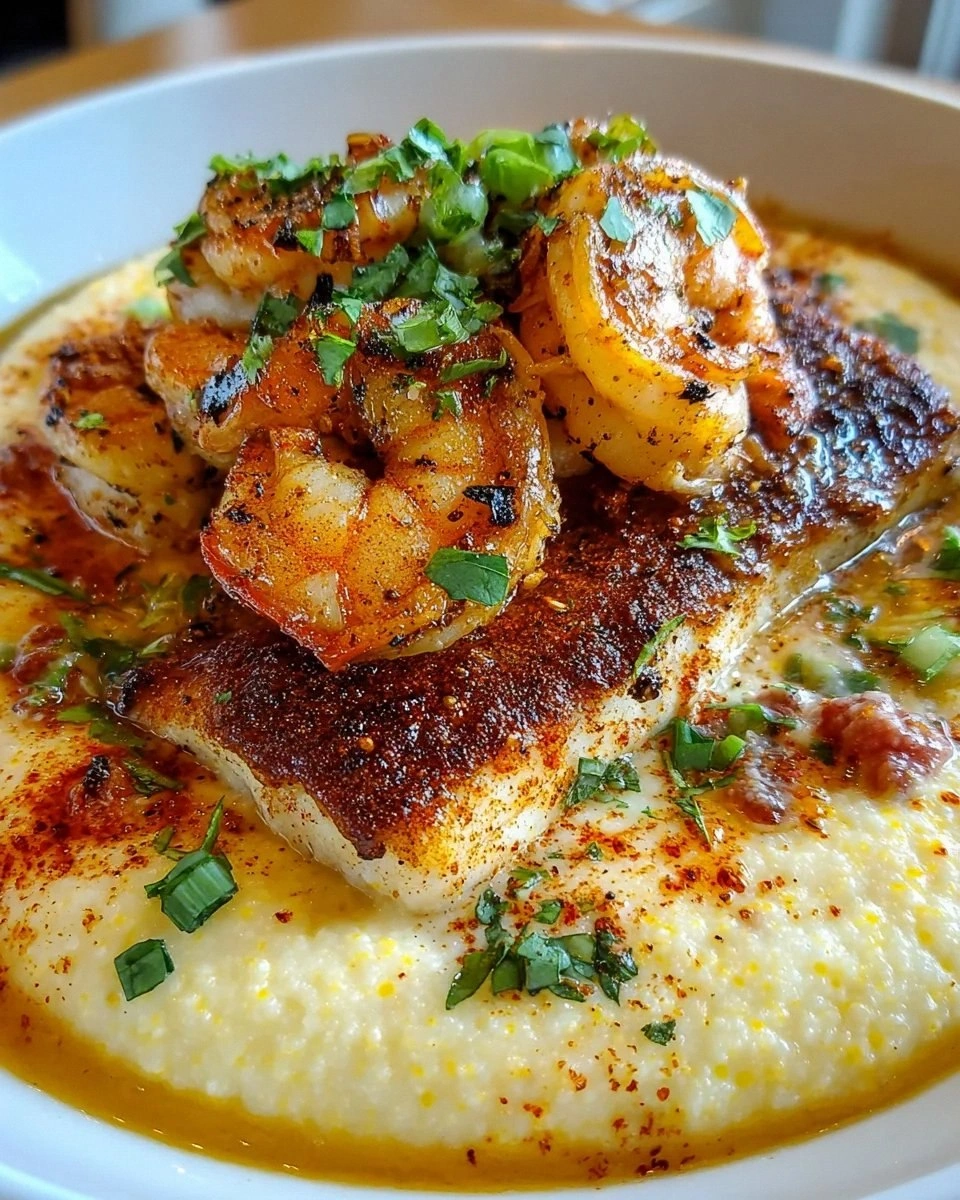
Plate the dish by spooning a generous mound of cheesy grits onto each plate. Lay the snapper fillet on top, then arrange the shrimp around the fish. Drizzle the Cajun‑cream sauce over everything, letting it cascade like a buttery waterfall. Finish with a final sprinkle of shredded cheddar and a few extra dashes of hot sauce for those who love a punch.
Step back, admire your masterpiece, and take that first bite. The flavors should meld together—creamy, smoky, slightly spicy, with the sweet snap of fish and shrimp. Picture yourself pulling this out of the oven, the whole kitchen smelling incredible, and everyone at the table reaching for seconds. That’s the magic you’ve just created.
That's it — you did it. But hold on, I've got a few more tricks that'll take this to another level...
Insider Tricks for Flawless Results
The Temperature Rule Nobody Follows
Most home cooks keep the heat on “medium” and hope for the best. In reality, the secret is to start high to sear the seafood, then drop to medium‑low for the sauce. This prevents the shrimp from over‑cooking while allowing the sauce to thicken without scorching. A friend tried skipping the temperature drop once—let's just say the sauce turned into a burnt caramel and the shrimp were rubbery. Keep a thermometer handy; 140°F is the sweet spot for perfectly cooked fish.
Why Your Nose Knows Best
Never underestimate the power of scent. When the garlic and Cajun spices hit the oil, you’ll notice a fragrant puff that signals they’re toasted just right. If you smell a bitter, burnt aroma, lower the heat immediately. Trust your nose more than a timer; it’s a reliable kitchen compass that will keep your flavors on point.
The 5‑Minute Rest That Changes Everything
After plating, let the dish sit for exactly five minutes. This short rest allows the cheese in the grits to fully melt and the sauce to settle, creating a harmonious blend of flavors. Skipping this step can result in a sauce that slides off the fish, making the plate look sloppy. It’s a tiny patience test that pays huge dividends.
Butter‑Infused Oil for Extra Depth
Combine equal parts butter and olive oil before sautéing the seafood. The butter adds richness, while the olive oil raises the smoke point, preventing burning. This technique gives the shrimp a golden crust and the snapper a buttery glaze without the risk of burnt butter.
Cheese Timing is Everything
Adding cheddar too early can cause it to clump; add it off the heat, stirring gently until it melts into a silky ribbon. If you prefer a slightly sharper bite, stir in a pinch of extra cheddar right before serving. This little tweak transforms the grits from “good” to “show‑stopping.”
Creative Twists and Variations
This recipe is a playground. Here are some of my favorite ways to switch things up:
Smoky Andouille Sausage
Swap half of the shrimp for sliced Andouille sausage. The sausage brings a deep, smoky flavor that pairs beautifully with the Cajun spices. It’s perfect for those who love a meaty bite.
Coconut‑Infused Grits
Replace half of the chicken broth with coconut milk and add a pinch of lime zest. This gives the grits a tropical twist that works surprisingly well with the fish’s sweetness.
Veggie‑Loaded Version
Stir in sautéed bell peppers, zucchini, and corn into the grits for extra texture and color. The vegetables add a fresh crunch and make the dish more substantial for vegetarians who still want the seafood vibe.
Spicy Chipotle Kick
Blend a small amount of chipotle in adobo sauce into the Cajun seasoning. The smoky heat deepens the flavor profile and adds a subtle smokiness that complements the paprika.
Herbaceous Finish
Finish with a handful of chopped fresh parsley or cilantro right before serving. The herb adds a bright, fresh contrast to the rich, creamy base.
Storing and Bringing It Back to Life
Fridge Storage
Cool the grits to room temperature, then transfer them to an airtight container. They’ll keep for up to three days. Store the cooked seafood separately in a shallow dish, covered with plastic wrap. When reheating, add a splash of broth to the grits and gently reheat over low heat, stirring constantly.
Freezer Friendly
Both the grits and the seafood freeze well. Portion the grits into freezer‑safe bags, flatten them for even thawing, and freeze for up to two months. The fish and shrimp should be frozen on a single layer on a parchment sheet before being transferred to a bag. Thaw overnight in the fridge, then reheat as described.
Best Reheating Method
Place the grits in a saucepan over low heat, add a tablespoon of water or broth, and stir until the mixture loosens up. For the seafood, a quick sauté in a hot skillet with a drizzle of olive oil restores the crispness. Combine just before serving, and you’ll think you never refrigerated it at all.