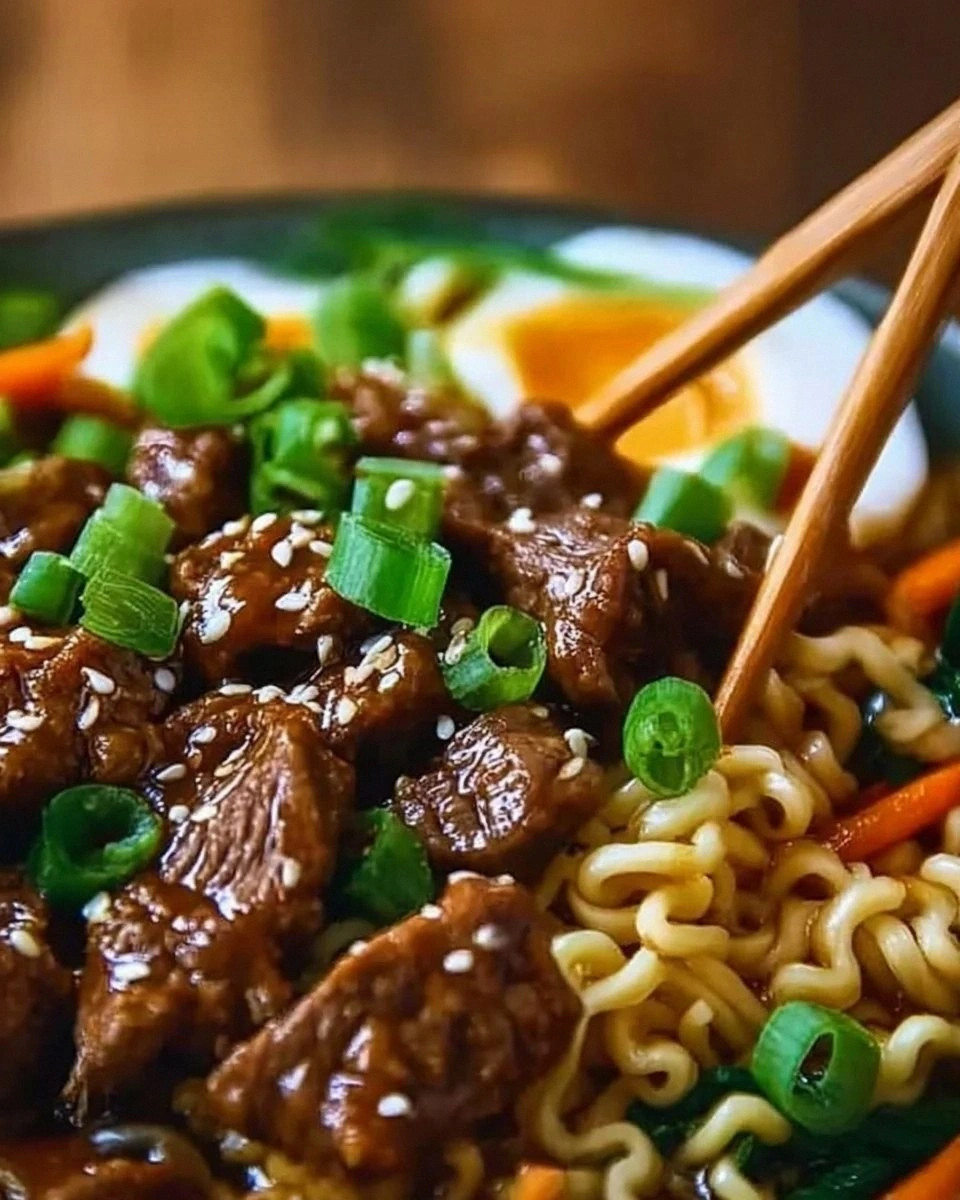
Let me confess something right up front: I once tried to make ramen from scratch with a fancy pressure cooker recipe that promised "restaurant-quality results in 30 minutes." What I got was a salty disaster that tasted like a soy sauce bottle exploded in a gym sock. The beef was tougher than my high school math teacher, the noodles disintegrated into mush, and my kitchen smelled like a questionable alley in Tokyo for three days. Fast forward through four more failed attempts, a few choice words, and one accidental discovery involving my slow cooker at 2 AM — and here we are. This slow cooker beef ramen noodles recipe is the culmination of my ramen redemption arc, and I dare you to taste this and not go back for seconds.
Picture this: it's Sunday morning, you're still in pajamas, and your slow cooker has been quietly working its magic for eight hours while you binge-watched an entire season of that show everyone's talking about. You lift the lid and a cloud of steam escapes, carrying with it the intoxicating aroma of beef that's been swimming in a bath of garlic, ginger, and umami-rich broth. The meat falls apart at the mere suggestion of a fork, and the sauce has reduced into this silky, glossy liquid that coats your noodles like velvet. That first slurp? Pure magic. The kind that makes you close your eyes and forget that tomorrow is Monday.
What makes this version different from every other slow cooker beef ramen recipe cluttering the internet? Most recipes get this completely wrong — they treat the slow cooker like a dump-and-forget convenience tool, tossing everything in at once and hoping for the best. Here's what actually works: we're layering flavors like we're building a symphony, not throwing a food fight. We're talking about beef that melts faster than your resolve on a diet, noodles that stay perfectly chewy, and a broth so complex your taste buds will think you've been simmering bones for days. Stay with me here — this is worth it.
Okay, ready for the game-changer? We're going to sear that beef first, even though your slow cooker manual swears you don't need to. Trust me on this one. That caramelized crust isn't just for looks — it's flavor gold. And here's the kicker that'll make you the ramen hero of your friend group: we're adding the noodles at the very end, not at the beginning like those other recipes that turn your ramen into kindergarten paste. Let me walk you through every single step — by the end, you'll wonder how you ever made it any other way.
What Makes This Version Stand Out
Beef That Actually Tastes Like Beef: Most slow cooker recipes turn your expensive chuck roast into flavorless fiber. Not here. We're talking about meat that retains its beefy soul while becoming spoon-tender. The secret? A quick sear before it hits the slow cooker creates a flavor foundation that penetrates every fiber during the long, slow cook.
Noodles With Integrity: Here's where most recipes fail spectacularly — they treat ramen noodles like regular pasta. Wrong! These fresh noodles need just three minutes in hot broth at the very end. They stay springy, chewy, and ready to slurp like a proper ramen shop intended. No mushy disasters in this kitchen.
Broth That Tastes Like It Simmered for Days: We're building layers here, people. First the beef creates a rich fond, then aromatics join the party, and finally a combination of soy sauce, sesame oil, and brown sugar creates that perfect balance of salty, nutty, and slightly sweet. The result? A broth so complex you'll swear there's a tiny Japanese grandmother hiding in your slow cooker.
Minimal Morning Effort, Maximum Evening Reward: Confession time — I'm not a morning person. This recipe understands that. You need fifteen groggy minutes to brown beef and dump things in a pot. That's it. The slow cooker does the heavy lifting while you adult at work, and you come home to dinner that tastes like you spent all day cooking.
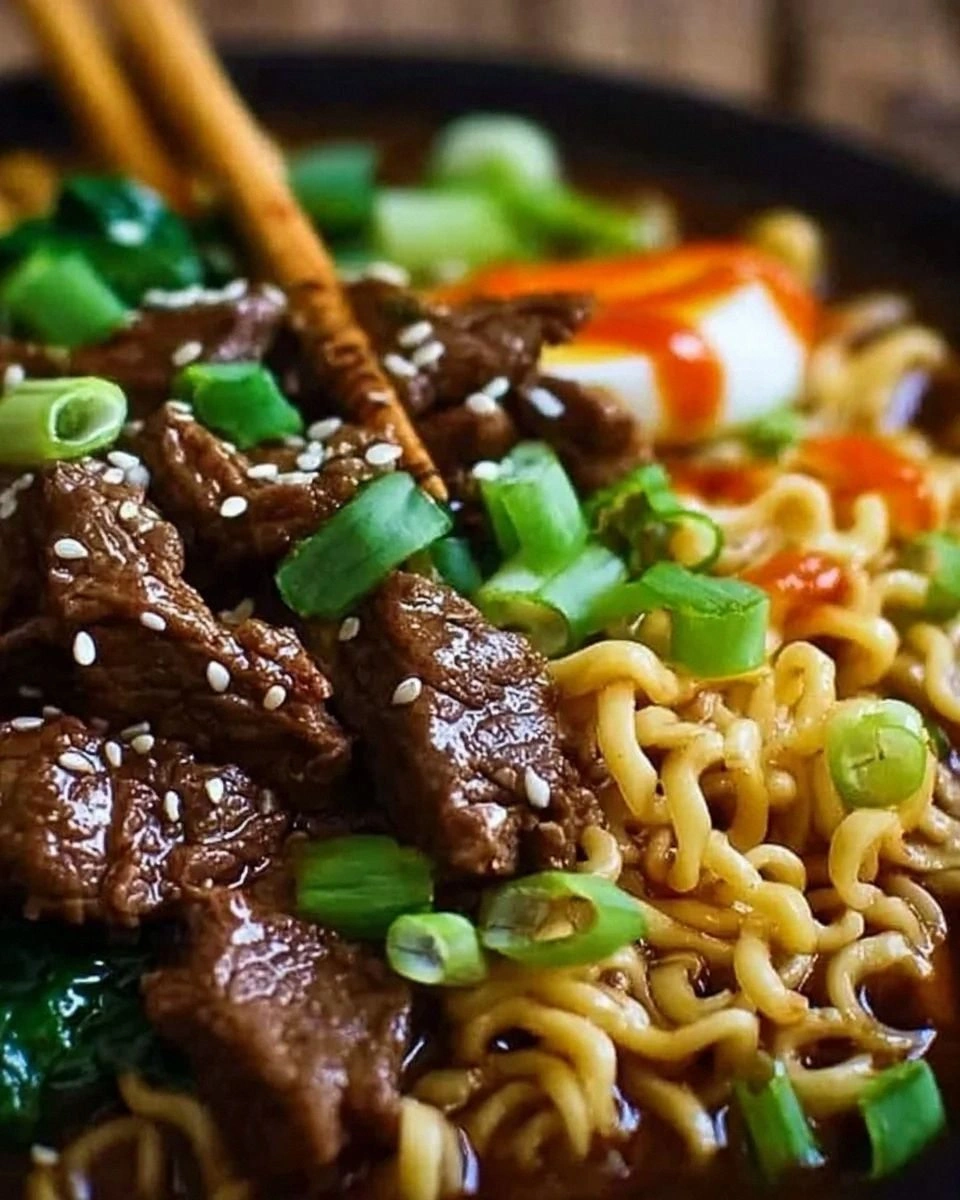
Customizable Heat Levels: My spice-loving husband and my mild-preferring mother-in-law can both enjoy this meal. The base recipe is perfectly balanced and family-friendly, but a drizzle of sriracha or chili oil at the table lets heat-seekers turn up the volume without alienating sensitive palates.
Leftovers That Improve Overnight: Most leftovers degrade into sad shadows of their former selves. Not this ramen. The flavors meld and deepen, creating an even more incredible broth the next day. I once ate this for four consecutive meals and found myself looking forward to each one more than the last. I'll be honest — I ate half the batch before anyone else got to try it.
Restaurant Presentation, Home Cook Budget: Those fancy ramen bowls with the perfectly arranged toppings? We're achieving that look for about four dollars per serving. The slow cooker breaks down tough, affordable chuck roast into something that tastes like it came from a high-end ramen shop, complete with those Instagram-worthy soft-boiled eggs if you're feeling ambitious.
Inside the Ingredient List
The Flavor Base
Beef chuck roast is the unsung hero here — it's tough, it's cheap, and it's absolutely perfect for slow cooking. Those connective tissues and marbled fat that make it terrible for quick grilling are exactly what create that luxurious, gelatin-rich broth that makes restaurant ramen so addictive. Cut it into two-inch chunks so every piece gets equal access to the flavor party happening in your slow cooker. Skip the lean cuts; you want that fat because it renders down and becomes flavor transportation, carrying garlic, ginger, and soy sauce into every bite of beef. If you absolutely can't find chuck, brisket works too, but trust me — chuck is your friend here.
The onion isn't just filler — it's your natural sweetener and thickener. As it breaks down over eight hours, it releases sugars that balance the saltiness of the soy sauce and create this silky texture that makes you wonder why anyone uses cornstarch. Slice it thick so it holds some shape; nobody wants onion paste in their ramen. Yellow onions are perfect here — they're the reliable workhorses that build flavor without stealing the show like their sharper red cousins might.
The Aromatics That Make Magic Happen
Garlic in ramen is like bass in a jazz band — you notice when it's missing more than when it's there. Four cloves might sound like overkill, but slow cooking tames garlic's aggressive edge and turns it into this mellow, almost sweet background note that makes everything else taste more intense. Mince it fine so it distributes evenly; nobody wants a surprise garlic bomb in one bite and none in the next. And here's a pro tip: if your garlic has started sprouting, use it anyway — those green shoots add a subtle bitterness that actually works beautifully in this dish.
Fresh ginger is non-negotiable, and I will fight anyone who suggests using powdered. That bright, citrusy heat that fresh ginger brings is what makes this taste like real ramen and not some sad college dorm approximation. Grate it on a microplane so it basically melts into the broth, leaving behind its essence without any fibrous bits that get stuck in your teeth. Store your ginger in the freezer — it grates easier and keeps for months, which means you're always ready for ramen emergencies.
The Umami Bombs
Soy sauce is your salt, your color, and your umami foundation all in one bottle. But here's where we get picky — use a good quality soy sauce, not the generic stuff that's been sitting in your pantry since the Obama administration. The difference between a fermented, properly aged soy sauce and the cheap stuff is like the difference between a symphony and a kazoo. If you're feeling fancy, substitute half with tamari for an even deeper, more complex flavor that'll have people asking for your secret.
Brown sugar isn't just sweetener — it's the bridge that connects all your savory elements and creates that restaurant-quality depth you can't quite identify but always notice when it's missing. Just two tablespoons transform the entire dish, rounding sharp edges and creating this glossy sheen on your broth that makes it look like it came from a professional kitchen. Dark brown sugar works best here — that extra molasses adds notes of caramel and toffee that play beautifully with the beef.
The Unexpected Star
Sesame oil is your finishing move, the thing that takes this from good homemade ramen to "wait, did you order this from that fancy place downtown?" Two tablespoons might seem excessive, but most of it stays in the broth, infusing every slurp with that nutty, toasty aroma that makes Japanese food so addictive. Add it at the beginning — unlike many oils that degrade with long cooking, sesame oil actually benefits from the slow simmer, its flavor becoming more integrated and complex. Don't substitute with toasted sesame oil unless you want your ramen to taste like a sesame cracker factory exploded.
The Method — Step by Step
- Pat your beef chunks dry with paper towels like you're handling precious artifacts — because in a way, you are. Moisture is the enemy of browning, and we need every bit of caramelization we can get. Heat a heavy skillet over medium-high heat until a drop of water sizzles away instantly, then add just enough oil to coat the bottom. Sear the beef in batches, giving each piece space to develop that gorgeous brown crust. Don't crowd the pan or they'll steam instead of sear, and you'll miss out on the flavor foundation that makes this recipe legendary.
- While your beef is getting its tan, slice your onion into thick half-moons that would make a Japanese grandmother nod approvingly. Not paper-thin — you want substantial pieces that'll hold their own during the long cook. Mince your garlic until it's almost paste-like, and grate your ginger until it looks like pale green snow. These aromatics are about to become best friends in the slow cooker, creating the flavor backbone that elevates this from good to unforgettable.
- Transfer your beautifully browned beef to the slow cooker, but don't you dare wash that skillet yet. Those browned bits stuck to the bottom are liquid gold — deglaze with a splash of beef broth and scrape every last bit into your slow cooker. This is where most recipes go wrong, washing away flavor that took time to develop. Your future self will thank you when tasting the final product.
- Layer in your aromatics like you're building a flavor lasagna — onions first, then garlic and ginger scattered evenly. Pour in the beef broth and water, but resist the urge to stir. We want the beef on the bottom where it belongs, slowly releasing its goodness into the liquid. Add your soy sauce, sesame oil, and brown sugar, then give it one gentle swirl to combine without disturbing the beef layer.
- Set your slow cooker to low for 8 hours or high for 4 hours, but low is where the real magic happens. This isn't about convenience anymore — it's about transformation. The connective tissues in the beef need time to break down into gelatin, creating that lip-coating richness that makes great ramen addictive. Walk away and let chemistry do its thing. Your house will start smelling like you've got a professional ramen chef working in your kitchen.
- With 30 minutes left, it's time for the noodle decision. If you're using fresh ramen noodles, remove the lid and gently place them on top of the broth — don't stir yet. They need to steam in the hot liquid without getting waterlogged. If you're using dried egg noodles, give them 10 minutes instead. This timing is crucial — too early and they'll dissolve into sad, bloated strings. Too late and they'll be stubbornly crunchy.
- After the noodles have had their steam bath, add the baby spinach and watch it wilt into emerald ribbons that brighten the whole dish. This isn't just for color — spinach adds a fresh, slightly sweet note that cuts through the richness. Push it down gently with a spoon so it all gets submerged, but don't stir vigorously or you'll break up those delicate noodles.
- Now comes the moment of truth — taste your broth and adjust. It might need a splash more soy sauce for salt, a pinch more brown sugar for balance, or if you're feeling bold, a drizzle of sriracha for heat. This is your ramen, and you're the conductor of this flavor orchestra. The broth should taste complex, with no single ingredient shouting over the others.
- Ladle into deep bowls, making sure each serving gets a generous portion of beef, noodles, and broth. Garnish with sliced green onions for freshness and color. If you're going for the full ramen shop experience, add those soft-boiled eggs that have been waiting patiently in an ice bath. That first bite should transport you to a tiny Tokyo shop where the chef knows your order before you sit down.
That's it — you did it. But hold on, I've got a few more tricks that'll take this to another level...
Insider Tricks for Flawless Results
The Temperature Rule Nobody Follows
Here's the thing about slow cookers — the low setting isn't just a slower version of high, it's a completely different cooking environment that transforms tough connective tissue into silky gelatin. High heat makes beef tough and stringy, while low heat works its collagen-busting magic. If you're tempted to speed things up on high, resist. I once served high-heat version to guests and watched them politely chew through beef that resembled shoe leather. Low and slow isn't just a catchy phrase — it's the difference between ramen that makes people weep with joy and ramen that makes them weep from jaw exhaustion.
Why Your Nose Knows Best
That moment when you walk into your house and the aroma hits you — that's your built-in doneness indicator. When the beef has transformed from tough chunks into spoon-tender morsels, your entire house will smell like a ramen shop. If you catch yourself standing over the slow cooker just breathing it in, that's when you know it's almost ready. A friend tried skipping this step once — let's just say it didn't end well. She opened the lid every hour to check, letting precious heat and moisture escape, and ended up with beef that required a steak knife.
The 5-Minute Rest That Changes Everything
After the noodles are perfectly tender, turn off the heat and let everything rest for five minutes. This isn't just chef fluff — it allows the noodles to absorb just enough broth to become flavorful without getting soggy, and lets the beef relax so it doesn't seize up when it hits the cooler air. Those five minutes also give you time to set the mood — get your chopsticks ready, slice those green onions paper-thin, and maybe put on some lo-fi beats. Good ramen is as much about the experience as the food.
The Garnish Game-Changer
Those green onions aren't just pretty — they're essential for cutting through the richness. But here's what separates amateur ramen from restaurant-quality: slice them on a sharp diagonal so they fan out artistically, and use both the white and green parts. The white adds sharpness, the green brings freshness. And don't just dump them on — sprinkle from high above so they land like green confetti instead of clumping in sad piles.
Creative Twists and Variations
This recipe is a playground. Here are some of my favorite ways to switch things up:
The Spicy Miso Bomb
Stir two tablespoons of white miso paste with a tablespoon of chili garlic sauce and whisk it into the broth during the last hour of cooking. The miso adds incredible depth and that authentic fermented flavor, while the chili brings heat that builds slowly instead of punching you in the face. Top with extra chili oil and watch spice lovers weep tears of joy. This version converted my "I don't like spicy food" neighbor into a convert who now requests it monthly.
The Mushroom Forest Edition
Add a handful of dried shiitake mushrooms when you start the slow cooker — they rehydrate and infuse the broth with incredible earthiness. During the last hour, throw in fresh sliced mushrooms for texture contrast. The combination of dried and fresh creates layers of mushroom flavor that makes this vegetarian-friendly if you skip the beef. I make this version when my mushroom-obsessed sister visits, and she claims it's better than the original.
The Coconut Curry Curveball
Replace one cup of beef broth with coconut milk and add a tablespoon of Thai red curry paste. The coconut adds luxurious creaminess while the curry paste brings warmth and complexity. This fusion version shouldn't work, but it's incredible — like your ramen went on vacation to Thailand and came back with stories. Garnish with cilantro and lime wedges for a bright finish that cuts through the richness.
The Breakfast Ramen Surprise
Skip the noodles and ladle this incredible beef and broth over rice in the morning. Top with a fried egg and you've got breakfast that'll fuel you through anything. That slow-cooked beef takes on new life when paired with runny egg yolk and hot rice. My college-age nephew swears this version cured his hangover better than any greasy diner breakfast ever did.
The Veggie-Loaded Health Boost
Add carrots, bok choy, and bell peppers during the last 30 minutes for a nutrition boost that doesn't compromise flavor. The vegetables absorb the incredible broth while adding their own sweetness and texture. This is how I trick my kids into eating vegetables — they call it "noodle soup" and don't realize they're getting a full serving of veggies in every bowl.
The Luxurious Upgrade
Substitute short ribs for the chuck roast and add a piece of kombu (dried kelp) to the broth. The short ribs create an even richer, more gelatinous broth, while kombu adds that elusive fifth taste — umami in its purest form. This is special occasion ramen, the kind you make when you want to impress someone or treat yourself to something extraordinary.
Storing and Bringing It Back to Life
Fridge Storage
Store the beef and broth separately from the noodles — this is crucial for maintaining texture. The beef and broth actually improve after a day in the fridge as the flavors meld and deepen. Keep everything in airtight containers, and you've got three days of incredible meals waiting. When reheating, warm the broth and beef gently on the stove, adding a splash of water if it's thickened too much. Cook fresh noodles for each serving, or if you must reheat cooked noodles, do it in the hot broth for just 30 seconds.
Freezer Friendly
This recipe freezes beautifully, but with one important modification: freeze just the beef and broth. Noodles don't survive freezing and reheating — they become mushy shadows of their former selves. Portion the beef and broth into freezer bags, lay them flat to freeze, and you've got instant gourmet meals for busy nights. Thaw overnight in the fridge, then reheat gently. The broth might separate slightly — just whisk it back together and it'll be as good as fresh. I always keep a few portions in my freezer for those "I can't even" weeknights.
Best Reheating Method
Gentle is the name of the game here. Microwave reheating ruins the texture of both beef and noodles, so take the extra few minutes to use the stovetop. Add a tiny splash of water before reheating — it steams back to perfection and prevents the broth from becoming too concentrated. If you're reheating noodles, drop them into boiling water for 30 seconds, then transfer to your hot broth. This method brings them back to that perfect chewy texture instead of the sad, bloated strings that microwaves create.