It all started on a blustery Tuesday afternoon when I was juggling a pot of sautéed shrimp, a bowl of quinoa, and a stack of unwashed citrus fruits. My kitchen felt like a circus, and the smell of raw lemons clung to the air like a stubborn perfume. I stared at the chaos and thought, “I could use a splash of sunshine right now.” That moment sparked the idea for a salad that would turn ordinary ingredients into a symphony of bright, juicy flavors.
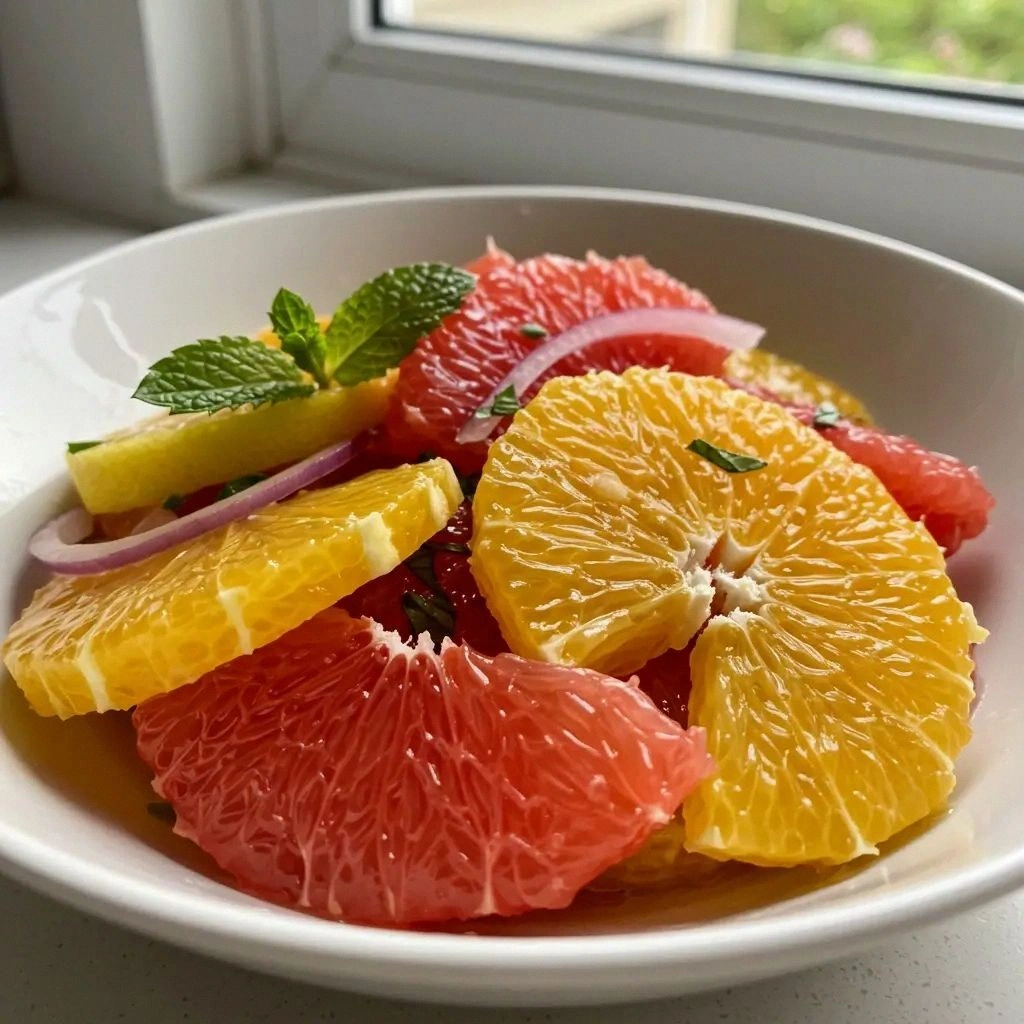
I grabbed the nearest oranges, a grapefruit, and a handful of fresh mint, and the room filled with the citrusy aroma that made my eyes water. The sound of the peel slipping off a mandarin was a tiny drumbeat in the background. The sight of the vibrant segments glistening like tiny suns in a bowl was almost too pretty to eat. I could already taste the tang, the subtle sweetness, and the faint bitterness that would dance on the tongue.
That first bite was a revelation: the crisp greens, the burst of citrus, the crunch of almonds, and the creamy whisper of avocado all mingled in a way that felt like a summer picnic on a winter night. It was hands down the best version I’d ever made at home, and I couldn’t keep it to myself. I knew I had to share the exact steps, the secret tweaks, and the little hacks that made this salad unforgettable.
I dare you to taste this and not go back for seconds. If you’ve ever struggled with a salad that falls flat, you’re not alone—this is worth the effort. Picture yourself pulling this out of the bowl, the whole kitchen smelling incredible, and everyone asking for a second serving. Let me walk you through every single step—by the end, you’ll wonder how you ever made it any other way.
What Makes This Version Stand Out
- Taste: The balance of sweet, tart, and slightly bitter notes creates a flavor profile that is both refreshing and complex. The honey‑mustard glaze ties everything together, giving the salad a subtle depth that lingers on the palate.
- Texture: Crunchy almonds, crisp greens, juicy fruit segments, and silky avocado provide a layered mouthfeel that keeps each bite interesting.
- Simplicity: Every ingredient is easy to source, and the assembly requires no complicated techniques—just a few simple steps and a splash of patience.
- Uniqueness: The combination of blood orange, kiwi, and mango with traditional citrus is a bold twist that sets this salad apart from typical fruit salads.
- Crowd Reaction: Friends who taste it often say, “I can’t believe this is just a salad,” and they keep asking for the recipe afterward.
- Ingredient Quality: Using organic, locally grown produce when possible elevates the flavors and supports sustainable farming.
- Make‑ahead Potential: The dressing can be pre‑made and stored, and the salad can be assembled a day in advance without losing freshness.
Inside the Ingredient List
The Flavor Base
Mixed greens provide the earthy backdrop that balances the bright citrus. Choosing a mix of arugula, spinach, and romaine gives you a spectrum of textures and subtle peppery notes that anchor the dish. If you skip the greens, the salad becomes a fruit bowl, which is still good but loses that savory counterpoint.
The Texture Crew
Almonds, avocado, and cucumber add crunch, creaminess, and coolness. The almonds’ nutty flavor complements the citrus, while avocado offers a silky contrast that tames the acidity. Removing any of these will change the mouthfeel—don’t be afraid to experiment, but keep at least two for a balanced bite.
The Unexpected Star
Blood orange segments are the showstopper. Their deep red flesh carries a hint of raspberry that is both sweet and slightly tart. If blood oranges are out of season, a mix of regular oranges and grapefruits will still deliver a vibrant burst.
The Final Flourish
Fresh herbs—mint, cilantro, and basil—inject a burst of aroma that elevates the salad from simple to spectacular. The herbs’ oils mingle with the dressing, creating a fragrant finish that lingers. Skipping the herbs will make the salad feel flat, so keep them in.
Everything's prepped? Good. Let's get into the real action...
The Method — Step by Step
- Begin by washing all the fresh produce under cold running water. Pat the greens dry with a clean towel or a salad spinner to remove excess moisture. This step is crucial to prevent the salad from becoming soggy once you add the dressing.
- Using a sharp knife, carefully segment the oranges, grapefruit, and blood orange, removing all the pith. The pith is bitter and will ruin the delicate balance of flavors. Keep the segments whole to preserve their juicy interior.
- Dice the kiwi, mango, pineapple, and strawberries into bite‑sized cubes. If the fruit is ripe, the cubes will hold together; if not, they’ll crumble and release juice. This step is the moment of truth—watch the color change as the fruit brightens.
- Slice the almonds into thin, even pieces. Toast them lightly in a dry skillet over medium heat until fragrant, about 2 minutes. Toasting brings out the nutty aroma and adds a subtle crunch.
- Whisk together olive oil, honey, lemon juice, lime juice, Dijon mustard, sea salt, and black pepper in a small bowl. The honey provides natural sweetness that balances the citrus acidity, while the mustard adds a subtle kick.
- Add the chopped mint, cilantro, and basil to the dressing, and stir until the herbs are evenly distributed. The herbs release their oils into the dressing, creating a fragrant base that coats every bite.
- In a large mixing bowl, combine the greens, fruit segments, diced fruit, cucumber, red onion, and avocado. Toss gently to mix the ingredients without bruising the delicate fruit.
- Drizzle the dressing over the salad and toss until every component is lightly coated. The dressing should cling to the fruit and greens, creating a glossy finish that looks as good as it tastes.
- Sprinkle the toasted almonds and crumbled feta over the top, then give one final gentle toss. The almonds add crunch, while the feta provides a salty contrast that elevates the citrus flavors.
- Serve immediately, or refrigerate the dressing separately and toss just before serving. If you plan to serve later, keep the salad chilled to maintain the crispness of the greens.
That’s it—you did it. But hold on, I’ve got a few more tricks that will take this to another level...
Insider Tricks for Flawless Results
The Temperature Rule Nobody Follows
Keeping the dressing cold before you add it to the salad preserves the fresh flavors. Chill the dressing in the fridge for at least 30 minutes, then bring it to room temperature. This simple step prevents the greens from wilting when the dressing warms them slightly.
Why Your Nose Knows Best
Before you start tossing, sniff the citrus segments. If they smell sweet and fragrant, they’re ripe. Unripe fruit will have a sharp, almost sour scent that can overpower the salad. Trust your nose—your palate will thank you.
The 5-Minute Rest That Changes Everything
After tossing the salad, let it rest for 5 minutes before serving. This brief pause allows the flavors to meld and the dressing to settle on the fruit and greens. The result is a more cohesive, vibrant dish.
Use Fresh Herbs, Not Dried
Fresh herbs release their oils when chopped, giving the salad a bright, aromatic quality. Dried herbs lose much of their potency and can make the salad taste flat. If you must use dried, sprinkle sparingly and let the salad sit for a few minutes to rehydrate the herbs.
Add a Splash of Sparkling Water
A splash of sparkling water in the dressing adds effervescence, giving the salad a light, bubbly lift. It also helps the dressing coat the ingredients evenly. Just remember to whisk vigorously to incorporate the bubbles.
Creative Twists and Variations
This recipe is a playground. Here are some of my favorite ways to switch things up:
Tropical Twist
Swap the citrus fruits for a mix of coconut chunks, passion fruit, and diced papaya. The creamy coconut balances the tartness, while passion fruit adds a unique zing. This version is perfect for a beachside brunch.
Mediterranean Flair
Replace the almonds with toasted pine nuts and add olives, sun‑dried tomatoes, and a sprinkle of oregano. The olive oil dressing should include a splash of red wine vinegar to tie everything together. Your guests will think they’re in a sun‑lit courtyard.
Protein Power
Add grilled chicken, shrimp, or chickpeas for a protein boost. Toss the protein in the dressing first to ensure it’s evenly coated. This variation turns the salad into a full meal.
Spicy Kick
Incorporate a finely diced jalapeño or a sprinkle of crushed red pepper flakes. The heat contrasts nicely with the sweet fruit, creating a layered flavor profile. Use a small amount to start, then adjust to taste.
Herbal Explosion
Add a handful of fresh dill or tarragon. These herbs bring a different aromatic dimension that pairs well with the citrus. Keep the amount moderate so as not to overpower the other flavors.
Winter Warmth
Use roasted butternut squash cubes, dried cranberries, and a drizzle of maple syrup. The sweet, earthy flavors complement the citrus, while the maple adds depth. This version is a cozy, comforting choice for cooler months.
Storing and Bringing It Back to Life
Fridge Storage
Store the dressing separately in an airtight container for up to 3 days. Keep the salad ingredients in a sealed bowl and add the dressing just before serving. This preserves the crispness of the greens and prevents the fruit from becoming soggy.
Freezer Friendly
The salad itself isn’t ideal for freezing, but you can freeze the dressing for up to 2 months. When ready to use, thaw in the refrigerator and stir well before adding to the fresh salad.
Best Reheating Method
If you need to reheat a portion, do so gently in a microwave for 10–15 seconds, then let it sit for a minute. Add a tiny splash of water before reheating to create steam, which helps the dressing cling to the ingredients again.