Picture this: it’s a rainy Thursday night, the kind where the world outside feels like a soggy blanket and you’re stuck in the kitchen trying to decide whether to order pizza or actually cook something. I was in the exact same predicament, armed with a bag of frozen cauliflower rice and a desperate craving for that comforting, buttery mouthfeel of traditional rice pilaf. The moment I tossed the cauliflower into the pan, the kitchen filled with the heady perfume of garlic and butter, and I thought, “Okay, this could be the start of something legendary.”
Fast forward an hour, and I was standing over a pot that looked like a cloud of white fluff, drenched in a silky, creamy sauce that clung to each tiny cauliflower floret like a lover’s embrace. The first bite was an epiphany: the cauliflower had transformed into a luxurious, garlicky rice that was both light and decadently rich. I dared myself to taste it again and again, and I’ll be honest — I ate half the batch before anyone else even got a spoonful. That’s how I knew I’d stumbled upon the ultimate version of cauliflower garlic rice.
Most recipes for cauliflower “rice” end up as a bland, watery side dish that barely holds together. They either over‑steam the cauliflower, turning it mushy, or under‑season it, leaving it tasting like nothing more than a vegetable filler. This version flips the script by introducing a precise balance of fats, aromatics, and a dash of acidity that lifts the flavor profile to a whole new level. The secret? A splash of heavy cream that turns the whole thing into a velvety dream, and a quick flash‑fry that gives each bite a faint, caramelized edge.
What really sets this dish apart is a tiny, unexpected ingredient that most people overlook: a pinch of ground nutmeg. It adds a whisper of warmth that dances with the garlic, creating depth without overpowering the natural sweetness of the cauliflower. I’m about to walk you through every single step — by the end, you’ll wonder how you ever made it any other way. Okay, ready for the game‑changer?
What Makes This Version Stand Out
- Flavor Explosion: The combination of roasted garlic, smoked paprika, and a splash of lemon juice creates a bright, layered taste that sings with every forkful.
- Texture Mastery: A quick high‑heat sauté gives the cauliflower a slight crisp on the edges while keeping the interior tender and creamy.
- Simplicity Meets Sophistication: Only twelve ingredients, all pantry‑friendly, yet the result feels like a restaurant‑grade side.
- Ingredient Quality: Fresh cauliflower and real butter make a world of difference compared to frozen pre‑flavored mixes.
- Crowd‑Pleaser: Even the most skeptical meat‑eaters admit this could replace their regular rice in a heartbeat.
- Make‑Ahead Potential: The dish stores beautifully, and a quick re‑heat with a drizzle of cream brings it back to life.
- Low‑Carb Comfort: It delivers the indulgent feel of creamy rice while keeping the carb count in check.
- Versatile Base: Works as a side, a bed for grilled proteins, or even a low‑carb “risotto” for a main course.
Inside the Ingredient List
The Flavor Base
Garlic is the undisputed hero here. Four minced cloves provide a pungent backbone that permeates every bite, while the onion adds a subtle sweetness that balances the garlic’s bite. If you ever skip the onion, the dish loses that underlying caramel note that makes the flavor feel complete. As a swap, you can use shallots for a milder, more delicate aroma, but keep the quantity the same.
The Texture Crew
Butter and olive oil are the dynamic duo that coax the cauliflower into a golden‑kissed texture. Butter contributes richness, while olive oil raises the smoke point, ensuring you can sear the cauliflower without burning. If you’re dairy‑free, substitute the butter with a generous spoonful of coconut oil; the flavor will shift slightly but the crispness remains.
The Unexpected Star
Ground nutmeg is the surprise element that most cauliflower rice recipes miss. Just a quarter‑teaspoon weaves a warm, almost nutty undertone that pairs beautifully with the smoky paprika. If you’re allergic or simply don’t like nutmeg, try a pinch of ground cumin for an earthy twist, but remember that the flavor profile will shift toward the savory side.
The Final Flourish
Heavy cream and Parmesan cheese turn this side dish into a luxurious, velvety masterpiece. The cream adds silkiness, while the cheese brings umami depth and a subtle salty crunch. If you’re watching calories, you can replace half the cream with unsweetened almond milk, but the dish will be a shade less rich. Fresh parsley and a splash of lemon juice finish the dish with a pop of color and brightness that cuts through the richness.
Everything’s prepped? Good. Let’s get into the real action…
The Method — Step by Step
Start by chopping the cauliflower into florets and then pulse them in a food processor until they resemble coarse rice grains. Spread the riced cauliflower on a clean kitchen towel and press gently to remove excess moisture — this step is crucial to avoid a soggy final product. I dare you to taste this and not go back for seconds; the dryness at this stage sets the stage for that perfect bite.
Heat a large, heavy‑bottomed skillet over medium‑high heat. Add the butter and olive oil, letting the butter melt until it starts to foam and the oil shimmers. As soon as you hear that gentle sizzle, you know you’ve hit the right temperature. Watch Out: If the butter burns, the whole dish will taste bitter, so keep a close eye.
Drop the minced garlic and diced onion into the pan. Stir constantly for about 45 seconds, until the onion becomes translucent and the garlic releases its aromatic perfume. That sizzle when it hits the pan? Absolute perfection. This is the moment of truth for the flavor base.
- Kitchen Hack: Add the cauliflower in two batches. The first batch gets a quick 2‑minute sear, then set aside while you finish the second batch. This prevents overcrowding and ensures each grain gets that coveted caramelized edge.
Return the first batch to the pan, then add the second batch of cauliflower. Sprinkle the smoked paprika, ground nutmeg, and a pinch of salt. Toss everything together, letting the cauliflower sit untouched for about a minute to develop a golden crust before stirring again. You’ll see the edges start pulling away from the pan — that’s your cue that the caramelization is happening.
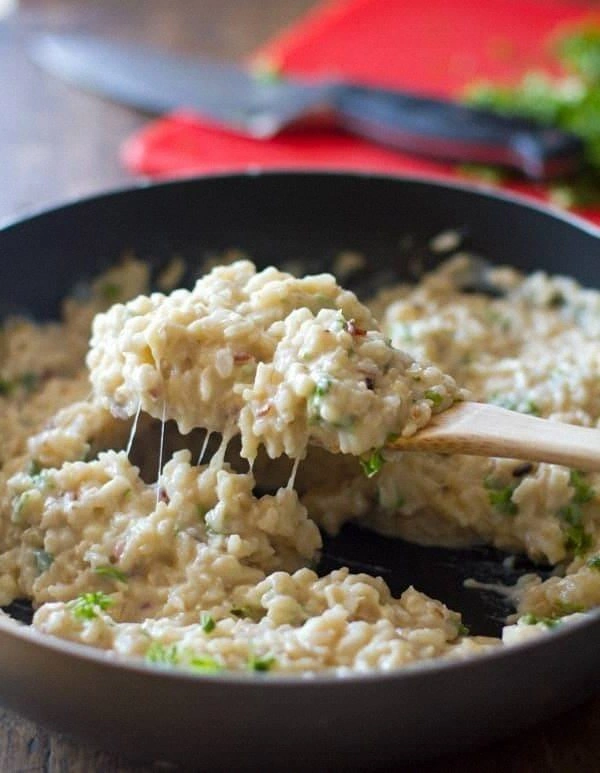
Reduce the heat to medium‑low and pour in the heavy cream, stirring gently to coat every cauliflower floret. Let the mixture simmer for 3‑4 minutes, allowing the cream to thicken and cling to the vegetables. If the sauce looks too thick, splash in a tablespoon of water or broth to loosen it.
Stir in the grated Parmesan and shredded mozzarella, watching them melt into a glossy, cheesy veil. This is where the dish earns its “creamy” moniker. Taste and adjust seasoning with more salt, pepper, or a squeeze of lemon juice if you like a brighter finish.
Finally, fold in the chopped parsley for a fresh, herbaceous pop. Give the whole pan one last gentle toss, then turn off the heat. Let the rice sit for a minute; the residual heat will finish the cooking without over‑cooking the cauliflower.
Serve immediately, or transfer to a shallow dish and cover with foil for later. Picture yourself pulling this out of the oven, the whole kitchen smelling incredible… That’s the payoff for every second you spent perfecting the technique.
That’s it — you did it. But hold on, I’ve got a few more tricks that’ll take this to another level…
Insider Tricks for Flawless Results
The Temperature Rule Nobody Follows
Most home cooks crank the heat to “high” thinking it will speed things up, but that’s a recipe for soggy cauliflower. Keep the skillet at a steady medium‑high for the initial sear; the cauliflower needs just enough heat to brown without steaming. I once tried blasting it on high, and the result was a mushy, flavor‑less mess. Stick to the rule, and you’ll get those coveted caramelized edges every time.
Why Your Nose Knows Best
The aroma is your most reliable indicator of doneness. When the garlic turns golden and the onion becomes fragrant, you’re ready to add the cauliflower. Later, when you hear a faint “hiss” as the cream bubbles, that’s the cue that the sauce is thickening. Trust those sensory clues over the clock, and you’ll avoid over‑cooking.
The 5‑Minute Rest That Changes Everything
After you turn off the heat, let the dish rest, covered, for five minutes. This short pause allows the flavors to meld and the cauliflower to finish cooking in its own steam. I’ve seen people serve it straight away and wonder why the texture feels a bit “off.” That rest is the secret sauce of many professional kitchens.
Butter‑Oil Balance for Maximum Flavor
Using both butter and olive oil isn’t just for preventing burnt butter; the oil raises the smoke point while the butter adds that unmistakable richness. If you’re looking to cut calories, replace half the butter with a splash of low‑sodium chicken broth, but keep the oil for that essential sear.
Seasoning at the End for Brightness
A splash of fresh lemon juice right before plating lifts the entire dish, cutting through the richness and brightening the flavors. It’s the culinary equivalent of adding a high note to a song — you’ll notice it immediately, and it makes the whole experience feel complete.
Creative Twists and Variations
This recipe is a playground. Here are some of my favorite ways to switch things up:
Spicy Sriracha Swirl
Add a tablespoon of Sriracha and a pinch of red‑pepper flakes when you pour in the cream. The heat pairs beautifully with the garlic, creating a bold, Asian‑inspired side that’s perfect with grilled chicken.
Coconut Curry Fusion
Swap the heavy cream for full‑fat coconut milk and stir in a teaspoon of curry powder. Finish with cilantro instead of parsley for a tropical twist that works wonderfully with shrimp or tofu.
Cheesy Bacon Blast
Cook four strips of crisp bacon, crumble them, and fold them in at the end along with an extra ¼ cup of sharp cheddar. The smoky bacon adds crunch and an extra layer of indulgence.
Herbaceous Green
Mix in a handful of finely chopped spinach or kale during the final minute of cooking. The greens wilt into the creamy sauce, boosting nutrition without sacrificing texture.
Nutty Crunch
Toast a tablespoon of slivered almonds or pine nuts and sprinkle them on top just before serving. The nutty crunch adds a surprising textural contrast that elevates the dish.
Vegan Velvet
Replace butter with coconut oil, heavy cream with cashew cream (blend soaked cashews with water), and swap Parmesan for nutritional yeast. The result is a plant‑based version that still feels luxuriously creamy.
Storing and Bringing It Back to Life
Fridge Storage
Transfer the cooled rice to an airtight container and store in the refrigerator for up to four days. The flavors actually deepen after a night, making it an excellent make‑ahead side for busy weekdays.
Freezer Friendly
Portion the rice into freezer‑safe bags, flatten them for even freezing, and label with the date. It will keep for up to three months. When you’re ready to use it, thaw overnight in the fridge.
Best Reheating Method
Place the frozen or refrigerated rice in a skillet over low‑medium heat, add a splash (about a tablespoon) of water or extra cream, and stir gently until warmed through. The added moisture steams the cauliflower back to its original fluffiness.