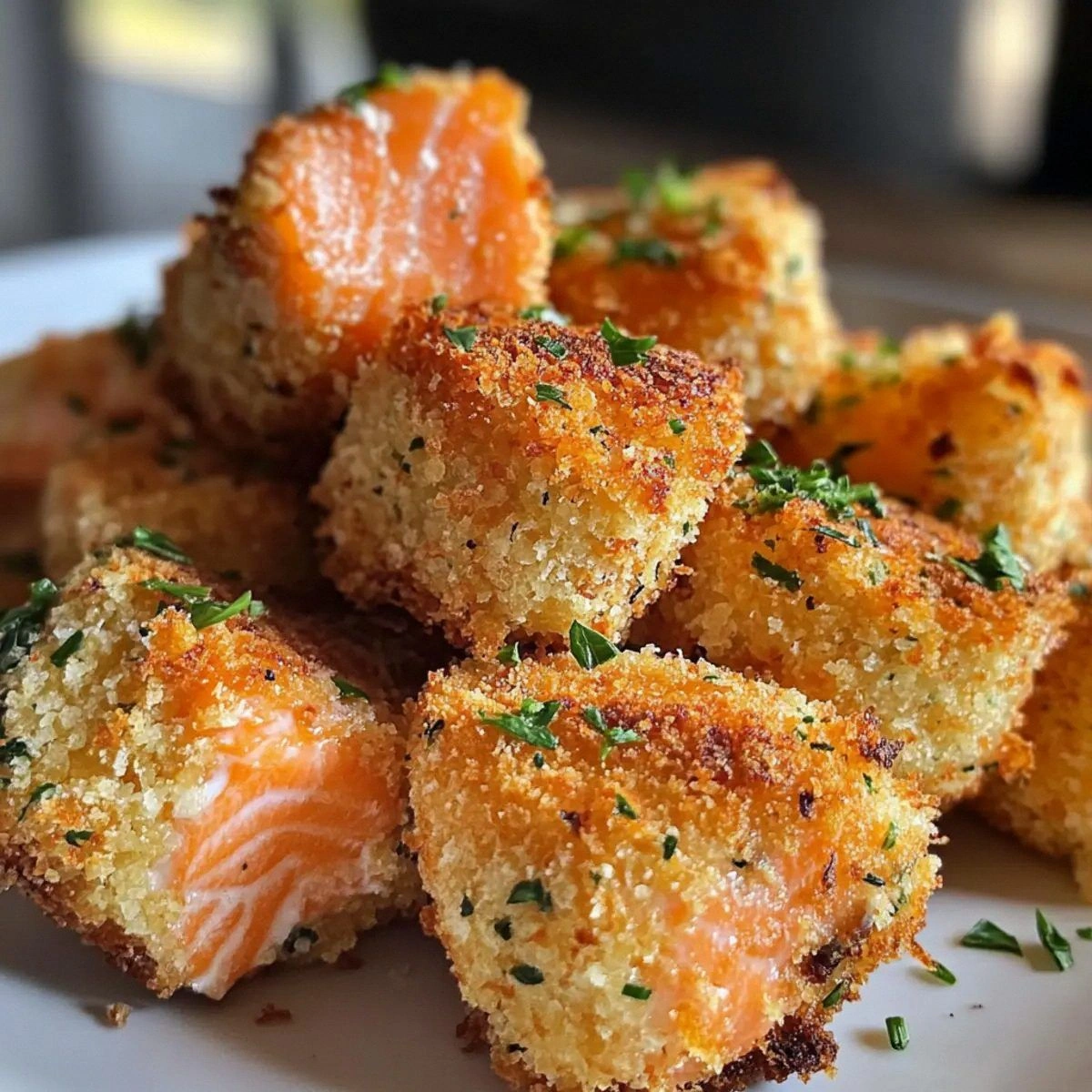
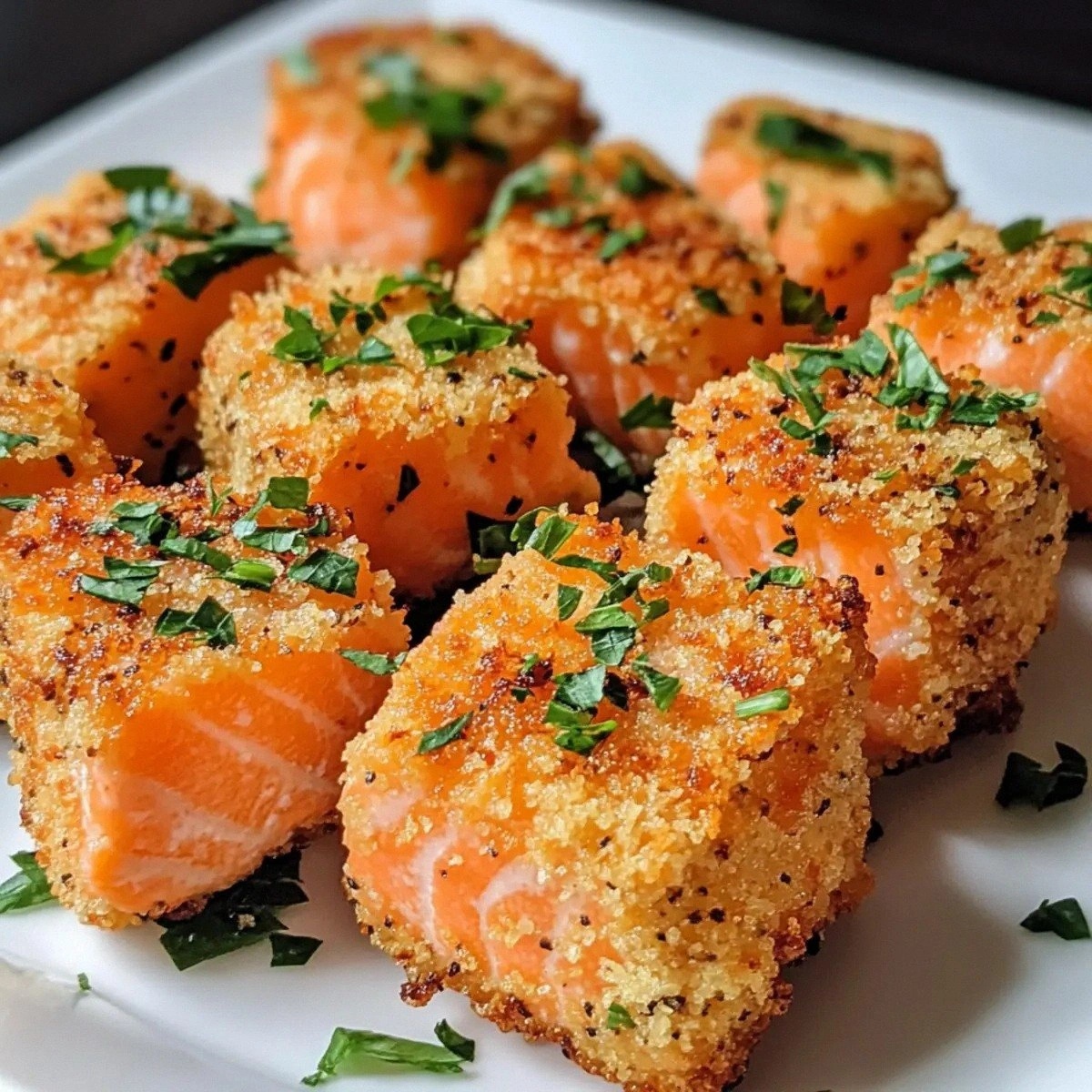
Picture this: it’s Tuesday night, the fridge is looking like a sad museum of wilted lettuce, and you’ve just gotten a text from a coworker daring you to whip up something that will make them forget about the pizza delivery guy forever. I was in that exact spot last week, staring at a lone salmon filet that had been hiding behind the carrots for days, and I thought, “If I can’t conjure a culinary miracle, I’ll at least make something that shouts ‘I tried.’” That’s when the idea for these crispy, simple panko‑crusted salmon bites was born. I tossed the salmon into a bowl, gave it a quick coat of mustard and herbs, and then rolled it in a mountain of panko that promised a crunch louder than my neighbor’s late‑night karaoke. The result? A bite that crackles like fresh snow underfoot, then melts into buttery, flaky fish that practically slides off the plate.
The kitchen was a symphony of sounds: the sizzle of oil hitting the pan, the gentle thump of the panko hitting the hot surface, and the occasional gasp from the cat, who clearly believed I was preparing a feast for herself. The aroma was a heady mix of toasted breadcrumbs, a whisper of dill, and the subtle oceanic perfume of salmon that made my stomach do a little happy dance. I could feel the heat radiating from the skillet, the buttery texture of the oil coating the pan like a warm blanket. The first bite was an explosion of contrast—crackly, golden exterior giving way to tender, flaky interior, and a burst of mustardy tang that lingered just long enough to make you crave another.
Most salmon recipes I’ve tried either drown the fish in sauce or leave it soggy and sad. This version, however, flips the script. By using panko instead of regular breadcrumbs, you get that airy, cloud‑like crunch that stays crisp even after a few minutes on the plate. The Dijon mustard isn’t just a flavor booster; it acts as a glue that locks the herbs and spices into the coating, ensuring every bite is uniformly seasoned. And the best part? It takes less than 45 minutes from start to finish, making it perfect for a quick dinner that still feels like a special occasion.
But here’s the kicker: I’m about to reveal a tiny secret ingredient that most recipes completely overlook—a dash of dried dill that adds a whisper of garden freshness without overpowering the fish. It’s the kind of detail that makes you wonder how you ever lived without it. I dare you to taste this and not go back for seconds. Let me walk you through every single step — by the end, you’ll wonder how you ever made it any other way.
What Makes This Version Stand Out
- Crunch Factor: The panko creates a light, airy crust that shatters like thin ice, delivering a satisfying crunch that holds up even after a few minutes on the plate.
- Flavor Fusion: Dijon mustard binds the herbs and spices, ensuring every bite bursts with a balanced tangy‑herby profile that complements the salmon’s natural richness.
- Simplicity: With just a handful of pantry staples, you can achieve restaurant‑quality results without a trip to the specialty store.
- Speed: From prep to plate in under 45 minutes, this dish fits perfectly into busy weeknight schedules while still feeling indulgent.
- Crowd‑Pleaser: Even the pickiest eaters love the texture contrast, making it a reliable go‑to for family dinners or casual gatherings.
- Ingredient Quality: Using a fresh, wild‑caught salmon filet elevates the dish, but the technique works just as well with responsibly farmed fish.
- Make‑Ahead Potential: You can prep the coating and even pre‑bread the bites ahead of time, storing them in the fridge for a quick fry later.
Inside the Ingredient List
The Flavor Base
The star of the show is the 1 lb salmon filet. Look for a piece with firm flesh and a bright, pink hue; the fresher it is, the more buttery the final bite. If you can, choose wild‑caught salmon for a richer, more nuanced flavor, but responsibly farmed salmon works just as well. Skipping the salmon? Not an option—this dish revolves around it, and substituting another protein will change the entire character.
The Texture Crew
1/4 cup all‑purpose flour creates a dry surface that helps the egg adhere, acting like a dry handshake before the wet embrace of the egg. 1 cup panko breadcrumbs are the secret to that airy crunch; unlike regular breadcrumbs, panko’s larger flakes trap air, giving you that melt‑in‑your‑mouth texture. If you run out of panko, try crushed cornflakes or even toasted quinoa for a gluten‑free twist.
The Unexpected Star
2 tsp Dijon mustard isn’t just for flavor—it’s a natural emulsifier that binds the herbs and spices to the fish, ensuring the coating sticks during frying. The 1 egg provides moisture and acts as the glue that holds the flour and panko together. For a dairy‑free version, replace the egg with a flax‑egg (1 tbsp ground flaxseed + 3 tbsp water).
The Final Flourish
Herbs and spices: 1 tsp kosher salt, ½ tsp onion powder, ½ tsp garlic powder, ½ tsp dried dill, and ½ tsp dried parsley. Each adds a layer of depth—salt enhances the fish’s natural flavors, onion and garlic powder bring savory warmth, while dill and parsley inject a fresh, garden‑like brightness. If you’re out of dried dill, fresh dill chopped finely works beautifully, just use a bit more because fresh herbs are less concentrated.
Finally, a drizzle of olive oil or cooking spray ensures the coating reaches that golden‑brown perfection without drowning the fish. Using a high‑smoke‑point oil like avocado or grapeseed can give you an even crisper crust, but a light spray works just as well for a lower‑fat version. Everything's prepped? Good. Let’s get into the real action...
The Method — Step by Step
-
Start by patting the salmon dry with paper towels; moisture is the enemy of crispiness. Cut the filet into bite‑size cubes, roughly 1½ inches each, so they cook evenly and finish in the same amount of time. Place the cubes on a plate, sprinkle the kosher salt over them, and let them sit for five minutes—this draws out excess moisture and seasons the fish from the inside out. While the salmon rests, preheat your oven to 200°C (390°F) and line a baking sheet with parchment paper for the final finishing step.
Kitchen Hack: If you’re short on time, use a food processor to pulse the salmon into uniform cubes—just be careful not to turn it into a paste. -
In a shallow dish, combine the flour with a pinch of salt and whisk to break up any lumps. In a second bowl, whisk the egg together with the Dijon mustard until smooth; the mustard adds a subtle tang that brightens the fish. Finally, spread the panko in a third dish, sprinkling the onion powder, garlic powder, dried dill, and dried parsley evenly over the crumbs. This three‑step dredging station is the backbone of the recipe—each layer builds flavor and texture.
-
Take each salmon cube, roll it first in the flour, shaking off any excess, then dip it into the mustard‑egg mixture, and finally coat it generously with the seasoned panko. Press the crumbs onto the fish with your fingers to create a tight seal; this ensures the crust won’t fall off during frying. Once all pieces are coated, place them on a plate lined with paper towels to rest for a minute—this little pause lets the coating set.
Fun Fact: The term “panko” literally means “bread powder” in Japanese, reflecting its fine, powder‑like texture. -
Heat a large skillet over medium‑high heat and add enough olive oil to coat the bottom—about 2 tablespoons. When the oil shimmers, it’s ready; you’ll know because the surface will look like liquid gold. Gently lay the coated salmon bites in a single layer, being careful not to overcrowd the pan. Overcrowding traps steam and makes the crust soggy, so work in batches if necessary.
Listen for that immediate sizzle; that’s the sound of flavor forming. Cook the bites for 2‑3 minutes on each side, or until the panko turns a deep golden brown and the fish feels firm to the touch. Flip them only once to keep the coating intact, and use a thin spatula to lift them without breaking.
-
Watch Out: If the oil temperature drops too low, the crumbs will absorb oil and become greasy instead of crisp. Keep the heat steady and add a splash of oil between batches if the pan looks dry.
When the bites are beautifully crisp, use a slotted spoon to transfer them onto a wire rack set over a baking sheet. This allows excess oil to drip away, preserving the crunch. While the remaining batches finish, you can start the final oven step to ensure everything stays hot and crisp.
-
Once all the salmon bites are fried, arrange them on the prepared baking sheet and slide them into the preheated oven for a quick 5‑minute blast. This step isn’t about cooking the fish further; it’s about re‑crisping the coating and keeping the interior perfectly moist. The oven’s dry heat re‑activates the panko’s airy structure, guaranteeing that every bite remains crunchy even after a few minutes of sitting.
-
While the bites finish in the oven, whip up a quick dipping sauce if you like: mix equal parts Greek yogurt, a squeeze of lemon juice, and a pinch of smoked paprika for a smoky, tangy complement. The sauce should be thick enough to cling to the bites but still drizzle easily. Taste and adjust the seasoning—maybe a dash more salt or a drizzle of honey for a sweet‑savory twist.
Kitchen Hack: If you’re serving a crowd, keep the finished bites warm on a low oven (around 120°C) while you finish the last batch—no sogginess, just steady heat. -
Remove the tray from the oven, let the bites rest for a minute, then transfer them to a serving platter. Garnish with a sprinkle of fresh chopped parsley or a few lemon wedges for a pop of color and brightness. The final presentation should look like a golden treasure trove—each piece gleaming, each bite promising that satisfying crunch you’ve been dreaming about.
That’s it — you did it. But hold on, I’ve got a few more tricks that'll take this to another level...
Insider Tricks for Flawless Results
The Temperature Rule Nobody Follows
Most home cooks fry at “medium” and assume it’s fine. In reality, the oil should be hovering around 180°C (350°F) for that perfect crust. Use an instant‑read thermometer or, if you don’t have one, test the oil by dropping a single breadcrumb in; it should sizzle and turn golden in about 15 seconds. If the oil is too cool, the coating will soak up oil and become soggy; too hot, and you’ll burn the panko before the salmon cooks through. Keep a small bowl of oil nearby to adjust the heat quickly.
Why Your Nose Knows Best
The moment the panko starts to turn a light amber is your cue that the crust is forming. Trust your nose—if you smell a faint nutty aroma, the coating is nearly done. Over‑cooking will turn the crumbs bitter, so once you catch that toasty scent, start counting the seconds. This sensory checkpoint saves you from the dreaded burnt‑breadcrumb disaster.
The 5‑Minute Rest That Changes Everything
After frying, let the salmon bites rest on a wire rack for exactly five minutes. This short pause lets the interior finish cooking gently while the exterior retains its crunch. Skipping this step often results in steam softening the crust, ruining the texture you worked so hard to achieve. Think of it as a cool‑down period for the fish, similar to letting a steak rest before slicing.
Seasoning the Oil
Before you even add the salmon, toss a pinch of smoked paprika or a few crushed peppercorns into the oil. As the oil heats, these aromatics infuse the crust with subtle layers of flavor that you’d otherwise miss. It’s a tiny step with a massive payoff, turning ordinary fried bites into something unforgettable.
Finishing with a Citrus Burst
A final squeeze of fresh lemon juice right before serving adds a bright acidity that cuts through the richness of the salmon and oil. The citrus also awakens the herbs, making the dill and parsley pop. If you’re feeling adventurous, try a splash of orange zest for a sweet‑savory twist that pairs beautifully with the mustard.
Creative Twists and Variations
This recipe is a playground. Here are some of my favorite ways to switch things up:
Spicy Sriracha Glaze
After the bites are fried, brush them lightly with a mixture of sriracha, honey, and a dash of soy sauce. The glaze caramelizes in the oven, adding a sweet‑heat layer that pairs perfectly with the cool yogurt dip.
Herb‑Infused Panko
Swap the dried dill and parsley for fresh basil and thyme, finely chopped and mixed into the panko. The fresh herbs give a garden‑fresh aroma that feels like spring on a plate.
Asian‑Style Sesame
Replace half the panko with toasted sesame seeds and add a splash of soy sauce to the mustard‑egg mixture. Serve with a side of pickled ginger and a drizzle of ponzu for an umami‑rich experience.
Cheesy Crunch
Mix grated Parmesan into the panko for a nutty, cheesy crust. The cheese melts slightly during frying, creating a golden, slightly gooey edge that cheese lovers will adore.
Gluten‑Free Version
Use almond flour instead of all‑purpose flour and gluten‑free panko or crushed rice crackers for the coating. The texture remains crisp, and the almond flour adds a subtle sweet undertone.
Breakfast Bite
Serve the salmon bites alongside scrambled eggs and avocado slices for a protein‑packed brunch. The crispy bites add a satisfying contrast to the soft eggs and creamy avocado.
Storing and Bringing It Back to Life
Fridge Storage
Place cooled salmon bites in an airtight container lined with a paper towel to absorb excess moisture. They’ll stay crisp for up to two days, though the texture is best enjoyed within 24 hours.
Freezer Friendly
Arrange the uncooked, breaded bites on a parchment‑lined tray and freeze until solid. Transfer the frozen bites to a zip‑top bag; they’ll keep for up to three months. When ready, bake directly from frozen at 200°C (390°F) for 12‑15 minutes, turning halfway.
Best Reheating Method
To revive the crunch, reheat in a preheated oven at 180°C (350°F) for 8‑10 minutes, or until the crust is golden again. Add a tiny splash of water to the pan before reheating in a skillet; the steam helps the interior stay moist while the exterior crisps up.