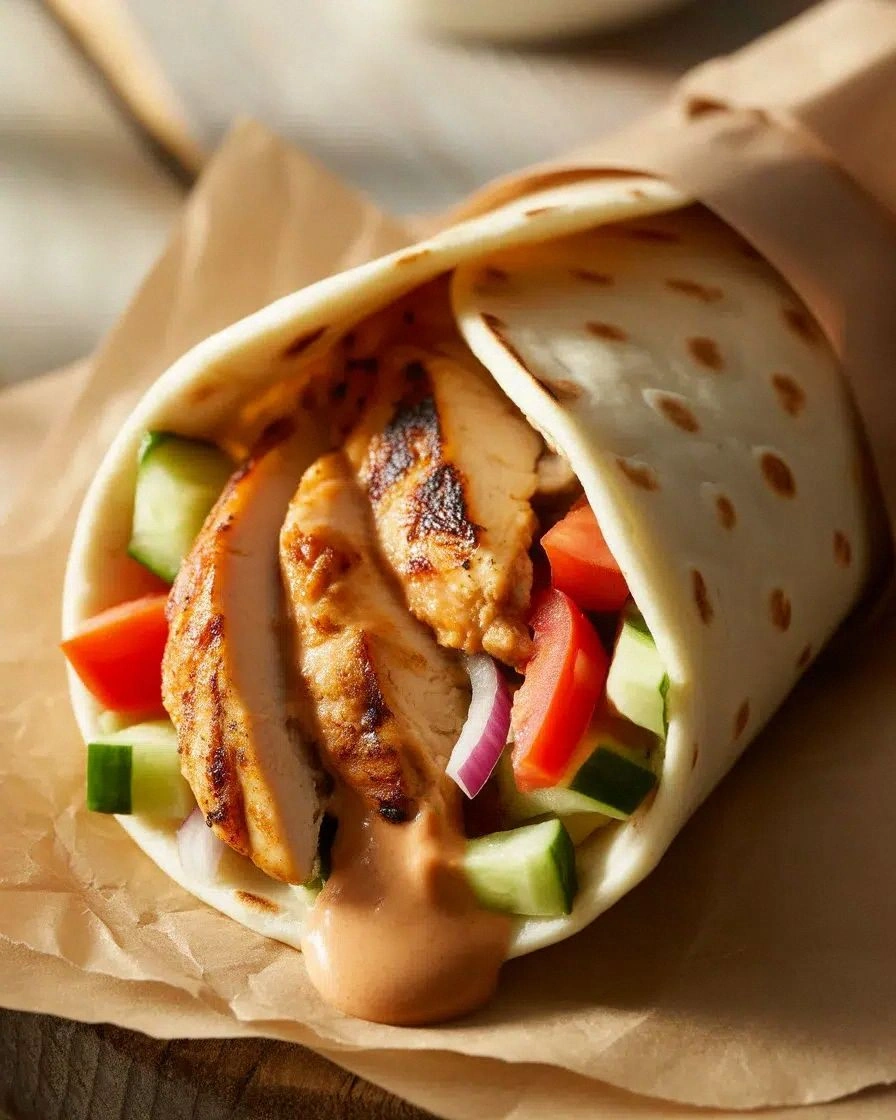
I was halfway through a midnight snack run, craving something that felt like a Mediterranean vacation but also satisfied the comfort‑food craving that never goes away. The kitchen was a battlefield: a half‑cooked chicken, a half‑empty bowl of yogurt, and a stack of pita that looked like it had been waiting for the right moment. I laughed at the chaos, turned on the Greek music playlist, and decided that if I could turn that mess into a meal, it would have to be a gyro that would make my friends swoon. The result? A savory Greek chicken gyro that feels like a warm hug wrapped in pita, with a sauce that coats the chicken like velvet and a crunch that snaps like thin ice.
The first thing you notice is the aroma—bright lemon, smoky paprika, and the subtle earthiness of oregano. It’s the kind of scent that makes you pause and think, “This is going to taste amazing.” As the chicken sizzles, the sound of the grill and the pop of olive oil create a rhythmic background that’s almost musical. The sight of the golden crust forming on the thighs is a visual promise that the inside will be juicy and tender. The texture of the freshly sliced onions and the burst of olives add layers that keep each bite interesting. And the final touch: a drizzle of tzatziki that cools the palate and balances the heat from the red pepper flakes.
What makes this gyro version stand out is that it’s not just a recipe, it’s a statement. I’m not talking about a generic “Greek chicken” that ends up bland. I’m talking about a dish that delivers depth, balance, and a touch of culinary rebellion. It’s the kind of gyro that makes you say, “I dare you to taste this and not go back for seconds.” And trust me, if you try it, you’ll find that the flavors are so bold you’ll forget you’re eating chicken. This is hands down the best version you’ll ever make at home, and I’m not exaggerating. I’ve tasted gyros from street stalls, from fancy restaurants, and from my own kitchen, and none of them compare.
Picture yourself pulling this out of the oven, the whole kitchen smelling incredible, and a plate of perfectly crisp pita ready to be filled. The anticipation is almost as good as the bite. And that anticipation? It’s built on a secret technique that most recipes overlook: marinating the chicken in yogurt and lemon juice for a minimum of 30 minutes. This not only tenderizes the meat but also infuses it with a subtle tang that lingers on the tongue. The final flourish? A sprinkle of feta that melts into the warm chicken, creating pockets of salty creaminess. If you’re ready to elevate your gyro game, keep reading. Let me walk you through every single step—by the end, you’ll wonder how you ever made it any other way.
What Makes This Version Stand Out
- Taste: The yogurt-marinated chicken delivers a bright, tangy flavor that cuts through the richness of olive oil and feta, creating a harmonious balance that’s both comforting and adventurous.
- Texture: The combination of crispy pita, juicy chicken, and creamy tzatziki creates a multi‑sensory experience that keeps you reaching for more.
- Ingredient Quality: Fresh, high‑quality olive oil and Greek yogurt are the backbone of this dish, ensuring each bite is packed with authentic Mediterranean flavor.
- Uniqueness: The inclusion of crushed red pepper flakes adds a subtle heat that’s not usually found in traditional gyros, giving it a modern twist.
- Crowd Reaction: Friends and family always ask for the recipe after the first bite; the dish is a conversation starter at any gathering.
- Make‑Ahead Potential: Marinated chicken can be prepared up to 24 hours in advance, allowing you to focus on assembling the gyro when the guests arrive.
Alright, let’s break down exactly what goes into this masterpiece…
Inside the Ingredient List
The Flavor Base
Olive oil, lemon juice, and oregano form the aromatic foundation of this gyro. Olive oil is the vehicle that carries the flavors, while lemon juice provides acidity that brightens the dish. Dried oregano, a staple of Greek cuisine, adds a warm, slightly peppery note that lingers on the palate. If you’re looking for a different herb, try a pinch of thyme for a subtle earthy undertone. Avoid using fresh oregano in this recipe; the dried version offers a more concentrated flavor that stands up to the other bold ingredients.
The Protein Power
Chicken thighs or breasts are the stars of the show. Thighs offer a richer, more succulent bite, while breasts provide leaner meat. Both work beautifully in this recipe, but if you prefer a juicier experience, choose thighs. The yogurt in the marination not only tenderizes but also adds a creamy undertone that enhances the chicken’s natural flavor. If you’re vegetarian, you can substitute sliced eggplant or portobello mushrooms, marinated in the same yogurt mixture for a similar texture.
The Texture Crew
Pita bread, lettuce, tomatoes, onions, olives, and feta cheese each contribute unique textures. Pita provides a soft, chewy base that holds the fillings without falling apart. Shredded lettuce adds a crisp bite that contrasts with the warm chicken. Diced tomatoes bring juicy bursts of sweetness, while thinly sliced onions add a sharp, slightly sweet crunch. Sliced olives introduce a briny, salty element that cuts through the richness of the chicken. Finally, crumbled feta melts into pockets of creamy saltiness, creating pockets of flavor that explode with every bite. Skipping any of these elements changes the overall mouthfeel and can make the gyro feel incomplete.
The Unexpected Star
Tzatziki sauce is the unexpected star that ties everything together. It’s a yogurt‑based sauce that balances the heat from the red pepper flakes and the richness of the feta. The cucumber in tzatziki adds a refreshing crunch that contrasts with the warm pita and chicken. If you’re on a keto diet, you can substitute a Greek yogurt‑based sauce with a mayo‑based tzatziki for a lower carb version. For a vegan twist, use coconut yogurt and skip the feta, adding nutritional yeast for a savory note.
The Final Flourish
The final flourish is a sprinkle of feta and a drizzle of tzatziki that transforms the gyro from simple to unforgettable. Feta’s briny saltiness complements the yogurt’s tang, while the tzatziki’s coolness balances the heat of the paprika and red pepper flakes. A final squeeze of fresh lemon juice right before serving adds a burst of brightness that lifts the entire dish. If you’re looking to add a bit more crunch, a handful of toasted pine nuts or chopped pistachios can be sprinkled on top for an extra layer of texture.
Everything's prepped? Good. Let's get into the real action…
The Method — Step by Step
- First, combine 4 cups of olive oil, 2 tablespoons of fresh lemon juice, 1 teaspoon of dried oregano, 1 teaspoon each of salt, black pepper, and paprika, and 1/4 teaspoon of crushed red pepper flakes in a shallow bowl. Whisk until the spices are evenly distributed. This aromatic base will coat the chicken and infuse it with flavor. I dare you to taste the mixture before adding the chicken; it should already smell like a sunny Mediterranean afternoon.
- Add 4 chicken thighs or breasts to the bowl, ensuring each piece is fully submerged in the spice mixture. Cover with plastic wrap and refrigerate for at least 30 minutes, or up to 24 hours if you’re planning ahead. The yogurt acts as a tenderizer, breaking down proteins and keeping the meat juicy. If you’re short on time, a quick 15‑minute marination will still work wonders.
- While the chicken marinates, prep your vegetables: shred 1 cup of lettuce, dice 1 medium tomato, thinly slice 1 small onion, and slice 1/2 cup of olives. Set them aside in a bowl with 1/2 cup of crumbled feta cheese. The combination of fresh veggies and feta will provide a contrast in texture and flavor that elevates every bite.
- Heat a grill pan or skillet over medium‑high heat. Once hot, add the marinated chicken and sear each side for 4–5 minutes until a golden crust forms. The key is to let the chicken develop a caramelized exterior; this will give you that “toasty” aroma that signals readiness. Watch the edges; they should pull away from the pan when ready to flip.
- After searing, reduce the heat to medium and finish cooking the chicken for another 6–7 minutes, turning occasionally. The internal temperature should reach 165°F (74°C). This is the moment of truth—if the chicken isn’t fully cooked, you’ll have to keep going. If it’s overcooked, it will dry out.
- While the chicken is finishing, warm 4 pieces of pita bread in a dry skillet over low heat for 1–2 minutes on each side. The pita should be pliable but not soggy. A quick heat test: place a finger on the pita—if it feels warm and flexible, it’s ready.
- Slice the cooked chicken into thin strips. Assemble the gyro by placing a generous amount of chicken on each pita, topping with lettuce, tomato, onion, olives, and feta. Drizzle with 1 cup of tzatziki sauce and finish with a squeeze of fresh lemon juice. The lemon adds a bright note that cuts through the richness.
- Fold the pita in half, pinch the edges to keep the fillings secure, and serve immediately. The heat from the chicken will warm the pita slightly, creating a comforting, melty texture. The contrast between the warm chicken, cool tzatziki, and crisp veggies makes every bite a revelation.
That's it—you did it. But hold on, I've got a few more tricks that'll take this to another level. Keep reading for insider tips that will make your gyro even more unforgettable.
Insider Tricks for Flawless Results
The Temperature Rule Nobody Follows
Many cooks assume that a medium‑high heat is sufficient for all meats, but the truth is that chicken thighs require a slightly lower heat to avoid drying out. Start at medium‑high for the first sear, then reduce to medium for the finish. This technique ensures a caramelized exterior while keeping the interior moist. I once tried the opposite—high heat for the entire cook—and the chicken came out dry and rubbery. Lesson learned: temperature control is your secret weapon.
Why Your Nose Knows Best
Your nose is a reliable indicator of doneness. When the chicken starts to smell toasty and the edges pull away from the pan, it’s time to flip. The aroma of oregano and paprika is a sign that the spices are releasing their oils and flavor. If the smell is too sharp or metallic, the pan is too hot. Trust your senses—your nose will guide you to the perfect sear.
The 5‑Minute Rest That Changes Everything
After cooking, let the chicken rest for at least 5 minutes before slicing. This allows the juices to redistribute, preventing them from escaping onto the cutting board. A common mistake is slicing immediately, which results in watery chicken. I’ve seen even seasoned chefs forget this step when they’re in a rush. The rest period is worth the extra minutes.
The Tzatziki Twist
If you want a creamier tzatziki, add a tablespoon of Greek yogurt to the mix. For a tangier version, squeeze a little more lemon juice into the sauce. Keep the cucumber finely grated so it blends smoothly. A pinch of dill can elevate the flavor profile to a whole new level of freshness. If you’re avoiding dairy, use a dairy‑free yogurt alternative and add a splash of lemon for acidity.
The Crunch Factor
Add a handful of toasted pine nuts or chopped pistachios for an unexpected crunch that pairs well with the soft pita and juicy chicken. Toast them in a dry skillet until golden, then let them cool before sprinkling over the gyro. The nutty flavor complements the feta’s saltiness and the olives’ briny bite. It’s a small addition that makes a big difference.
Creative Twists and Variations
This recipe is a playground. Here are some of my favorite ways to switch things up:
Mediterranean Veggie Gyro
Swap the chicken for grilled eggplant slices, marinated in the same yogurt mixture. Add roasted red peppers and artichoke hearts for extra depth. This vegetarian version delivers the same bright, tangy flavor while being lighter.
Spicy Chipotle Gyro
Introduce a tablespoon of chipotle in adobo to the yogurt mixture for a smoky, spicy kick. Top with sliced avocado for creaminess. This variation is perfect for those who love a little heat.
Low‑Carb Greek Gyro
Replace pita with a low‑carb wrap or a lettuce leaf. Keep the rest of the ingredients the same. The result is a satisfying, keto‑friendly gyro that still feels indulgent.
Breakfast Gyro
Serve the gyro with a fried egg on top, a sprinkle of feta, and a side of Greek yogurt. The combination of protein and fresh herbs makes a hearty breakfast that feels like a treat.
Balsamic Glazed Gyro
Finish the chicken with a drizzle of balsamic glaze before adding the fillings. The sweet acidity pairs beautifully with the Greek yogurt and feta, creating a complex flavor profile.
Storing and Bringing It Back to Life
Fridge Storage
Store leftover gyro components separately in airtight containers. The chicken can stay in the fridge for up to 3 days, while the veggies and pita should be kept separate to avoid sogginess. Assemble just before serving to keep the pita crisp.
Freezer Friendly
Marinated chicken can be frozen for up to 2 months. Thaw overnight in the refrigerator, then cook as directed. The vegetables can also be frozen, but they’ll lose some crunch. For a quick meal, reheat the chicken in a skillet and assemble the gyro fresh.
Best Reheating Method
To reheat a gyro, wrap the assembled gyro in foil and place it in a preheated oven at 350°F for 8–10 minutes. If you’re in a hurry, a quick microwave session of 30 seconds will warm the chicken, but the pita may become soggy. Add a tiny splash of water before reheating to keep the filling moist.