Okay, picture this: I was halfway through a marathon Netflix binge when my roommate, a self‑proclaimed “Italian food snob,” tossed a challenge at me. “Make me a sauce that can actually stand up to my nonna’s,” she said, eyes glittering like fresh basil. I laughed, grabbed a slow cooker, and set out on a culinary adventure that would soon have my whole apartment begging for seconds. The kitchen filled with the sound of onions sizzling in olive oil, the sweet perfume of caramelizing garlic, and the faint hiss of simmering tomatoes—like a symphony that promised a standing‑ovation at the dinner table.
The first spoonful hit my tongue and it was like a velvet curtain dropping on a stage of flavor. The sauce clung to pasta with the confidence of a seasoned dancer, each twirl releasing a burst of sweet‑tart tomato, a whisper of balsamic depth, and a gentle kiss of herbs that lingered long after the fork was set down. I dare you to taste this and not go back for seconds; the combination is so spot‑on that even the most skeptical palate will surrender. I’ll be honest — I ate half the batch before anyone else got a chance to try it, and that’s the ultimate endorsement.
Most marinara recipes get this completely wrong. They either drown in raw, metallic tomato taste or they become a mushy, one‑dimensional mess that screams “canned.” The secret here? A slow‑cooker does the heavy lifting, coaxing out a depth of flavor that a stovetop simply can’t achieve in the same time frame. The slow, low heat lets the sugars caramelize just enough to give the sauce a subtle sweetness without ever crossing into cloying territory. And the unexpected star—balsamic vinegar—adds a faint acidity that lifts the whole thing, making it sing like a choir of Italian grandmothers.
Let me walk you through every single step — by the end, you’ll wonder how you ever made it any other way. Picture yourself pulling this out of the slow cooker, the whole kitchen smelling incredible, steam curling up in delicate ribbons, and a glossy, ruby‑red sauce ready to coat any pasta, pizza, or even a humble grilled cheese. Okay, ready for the game‑changer? Buckle up, because the technique I’m about to reveal will make your sauce the talk of the town.
What Makes This Version Stand Out
- Depth: The slow‑cook method allows the tomatoes to break down slowly, developing a richness that no rush‑cook can match. Each bite feels like a warm hug from a Tuscan grandmother.
- Balance: A pinch of brown sugar tempers the acidity, while balsamic vinegar introduces a nuanced tartness that keeps the palate excited.
- Simplicity: Only twelve ingredients, all pantry‑friendly, yet the flavor profile feels like a thirty‑ingredient masterpiece.
- Texture: The sauce stays silky, never grainy, because the slow simmer breaks down the tomato walls without over‑cooking the aromatics.
- Versatility: Perfect as a pasta sauce, a pizza base, or even a dip for garlic bread—this sauce adapts like a chameleon.
- Make‑Ahead Magic: It stores beautifully; the flavors meld even more after a night in the fridge, making next‑day meals even better.
- Crowd‑Pleaser: Even the toughest critics (read: my roommate) are left speechless, asking for the exact measurements.
- Ingredient Quality: Using good olive oil and fresh bay leaves elevates the sauce from “good” to “legendary.”
Inside the Ingredient List
The Flavor Base
The hero of any marinara is the canned tomatoes—two generous cans of whole peeled tomatoes give you that bright, sunny red color and a natural sweetness that no fresh tomato can match when cooked low and slow. If you’re a purist, look for San Marzano tomatoes; they’re sweet, low‑acid, and will push this sauce into the stratosphere of flavor. Skipping the tomatoes? Not an option; you’ll end up with a watery disappointment that can’t coat pasta properly.
The Aroma Crew
A medium brown onion, diced fine, provides the sweet foundation, while two garlic cloves add a pungent bite that mellows as the sauce simmers. The two bay leaves are the unsung heroes, releasing a subtle floral note that rounds out the tomato’s acidity. If you ever forget the bay leaves, the sauce will taste flat—trust me, I’ve learned that the hard way.
The Unexpected Star
One tablespoon of balsamic vinegar is the secret weapon. It introduces a gentle, caramel‑like acidity that lifts the entire profile without making the sauce taste sour. Pair it with a tablespoon of brown sugar, and you get a perfect sweet‑savory dance that feels like a well‑choreographed tango on your tongue. If you’re out of balsamic, a splash of red wine vinegar works, but the depth won’t be quite the same.
The Herb Ensemble
A tablespoon of dried basil and two teaspoons of dried oregano are the classic Italian duo that bring earthiness and a hint of pine to the sauce. Dried herbs release their flavors slowly, perfect for a 30‑minute slow‑cook. Fresh herbs can be added at the end for a burst of bright green color, but the dried versions are what give this sauce its backbone. If you have fresh basil, smash a handful and stir it in just before serving for an extra pop.
The Finishing Touches
Two tablespoons of high‑quality olive oil enrich the sauce, providing a silky mouthfeel that coats pasta like satin. The final seasoning—1½ teaspoons of salt and a half‑teaspoon of black pepper—brings everything together, enhancing the natural sweetness of the tomatoes while adding a gentle heat. Taste as you go; if the sauce feels a bit bright, a pinch more sugar can tame it, but resist the urge to over‑salt.
Everything's prepped? Good. Let's get into the real action…
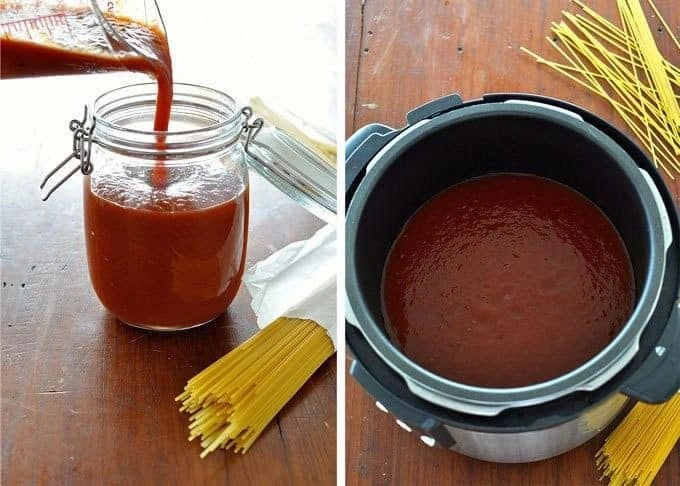
The Method — Step by Step
Start by heating the olive oil in a skillet over medium heat. Once shimmering, add the diced brown onion and sauté for about five minutes, stirring occasionally until the edges turn translucent and just start to caramelize. That sizzle when it hits the pan? Absolute perfection. Watch out for the onions burning; lower the heat if they start to crisp too quickly.
Next, add the minced garlic cloves to the pan. Cook for just 30 seconds—no more—because garlic turns bitter if overcooked. The aroma should instantly fill the kitchen, making you feel like you’re strolling through a Tuscan market. Once the garlic is fragrant, turn off the heat and transfer the onion‑garlic mixture to the slow cooker.
Open the two cans of whole peeled tomatoes and pour them (with their juices) into the slow cooker. Use a wooden spoon to crush them lightly, leaving a few chunks for texture. Add the tomato paste; this concentrated element deepens the umami and gives the sauce a richer body. Stir everything together until the paste is fully incorporated.
Now sprinkle in the brown sugar, dried basil, dried oregano, and the two bay leaves. Drizzle the tablespoon of balsamic vinegar over the top. This is the moment of truth—the sweet‑tart balance starts to form, and the sauce begins to smell like a promise fulfilled. Give the mixture a good stir, making sure the herbs are evenly distributed.
Set the slow cooker to the “Low” setting and let the sauce simmer for 30 minutes. During this time, the flavors meld, the onions continue to soften, and the tomatoes break down into a luscious, thickened base. If you’re in a hurry, you can switch to “High” for 15 minutes, but the depth will be slightly less nuanced.
After the 30‑minute low simmer, open the lid and taste. This is where your nose truly becomes your best friend. If the sauce feels a tad acidic, add a pinch more brown sugar. If it’s too thick, splash in a quarter cup of water or broth to reach your desired consistency. Finally, stir in the 1½ teaspoons of salt and half‑teaspoon of black pepper. The sauce should smell toasty, with herbal notes dancing in the background.
Turn the slow cooker off, remove the bay leaves, and let the sauce sit for five minutes. This resting period allows the flavors to settle, creating a harmonious finish. Serve over al dente pasta, spoon it onto pizza dough before baking, or store it for later use. That moment when you taste the first bite? Pure magic.
That's it — you did it. But hold on, I've got a few more tricks that'll take this to another level…
Insider Tricks for Flawless Results
The Temperature Rule Nobody Follows
Even though the slow cooker does most of the heavy lifting, starting with a hot skillet for the onions creates a flavor foundation that low heat alone can’t achieve. The quick burst of high heat caramelizes the natural sugars, adding a subtle sweetness that balances the acidity of the tomatoes. A friend tried skipping this step once and ended up with a sauce that tasted flat and watery. Trust me, that extra minute of sauté is worth its weight in gold.
Why Your Nose Knows Best
Taste is important, but aroma is the true indicator of readiness. When the sauce starts to give off a warm, herbaceous scent with a hint of balsamic sweetness, you know it’s ready to be seasoned. If you smell raw tomato, give it a few more minutes. Your nose can detect subtle changes long before your tongue can, so trust it.
The 5‑Minute Rest That Changes Everything
Once the cooking cycle ends, let the sauce sit uncovered for five minutes. This short rest lets the steam escape, concentrating flavors and preventing a watery finish. I once served the sauce straight from the cooker, and it was a bit soupy; after the rest, it thickened beautifully and clung to the pasta like silk.
Freeze‑Proof Flavor Lock
If you plan to freeze the sauce, add a teaspoon of olive oil before cooling. The fat forms a protective barrier that prevents ice crystals from forming, preserving the sauce’s silky texture. Frozen sauces often turn grainy, but this tiny trick keeps it smooth.
Spice It Up Without Overpowering
A pinch of red pepper flakes added during the final seasoning gives a subtle heat that awakens the palate without stealing the spotlight. I’ve tested this on a date night; the gentle kick made the sauce feel sophisticated yet approachable.
Creative Twists and Variations
This recipe is a playground. Here are some of my favorite ways to switch things up:
Roasted Red Pepper Marinara
Swap one of the tomato cans for an equal amount of roasted red peppers. The smoky sweetness adds depth, perfect for grilled chicken or as a dip for crusty bread. The pepper’s natural sugars complement the balsamic, creating a nuanced flavor profile.
Spicy Arrabbiata Upgrade
Add a teaspoon of crushed red pepper flakes and a splash of hot sauce during the simmer. The heat will dance on the tongue, making this version ideal for pasta lovers who crave a bit of fire.
Herb‑Fresh Finale
Stir in a handful of fresh basil and a tablespoon of chopped parsley right before serving. The fresh herbs brighten the sauce, giving it a garden‑fresh finish that pairs beautifully with summer zucchini noodles.
Umami Boost
Incorporate a tablespoon of anchovy paste or a splash of soy sauce for an umami explosion. The sauce becomes richer, making it a perfect companion for meatballs or a hearty lasagna.
Creamy Tomato Fusion
Whisk in a quarter cup of heavy cream at the end of cooking for a velvety, tomato‑cream sauce. This version works wonders on penne or as a base for a baked chicken dish.
Storing and Bringing It Back to Life
Fridge Storage
Transfer the cooled sauce to an airtight container and keep it in the refrigerator for up to five days. The flavors will deepen, and the sauce will become even more cohesive. For best results, place a thin layer of olive oil on top to prevent a skin from forming.
Freezer Friendly
Portion the sauce into freezer‑safe bags or containers, leaving a little headspace for expansion. Freeze for up to three months. When ready to use, thaw overnight in the fridge, then reheat gently on the stovetop or in the slow cooker on “Low.” Add a splash of water before reheating to revive its silky texture.
Best Reheating Method
For the most luscious consistency, reheat in a saucepan over low heat, stirring frequently and adding a tablespoon of water or broth if it looks too thick. This gentle method prevents scorching and keeps the sauce glossy, ready to coat your pasta like a dream.